The ABC of Coal
A is for Ayrshire and A frame
B is for Barony, Burr and Baird
C is for coal, colliery, community, crisis and conundrum
Let’s start with C for coal. Ironically coal is the product of prehistoric climate change. Layers of vegetation deposited in warm, damp conditions, were covered and compressed by later mineral strata to create first peat and then, given time, coal. The cycle was often repeated to give further layers of coal within a kind of geological club sandwich.
Coal has probably been used as a fuel source for thousands of years (although this time frame must be unnoticeable on the Geological time clock). “The earliest recorded use of coal as a fuel source can be traced to ancient China, around 3,000 BC”, (https://coalhut.com/the-history-of-coal-as-a-fuel-source/). In forested, medieval Europe, ‘coalhut’ website continues, wood was easy to come by but as population and demand increased so deforestation became a significant problem. “By the 13th century, records show that coal was mined in Scotland and Northern England.”(ibid) But it was the industrial revolution which produced the significant gear change and started us on the path to another, quicker, universal and manmade climate change.
Coal layers have proved to be accessible in many parts of the world and Britain is well endowed. The internet tells us that our northernmost coalmine is the Brora coalfield on the east coast of Sutherland, in production from the early 19th century until the 1970s. (https://nmrs.org.uk/mines-map/coal-mining-in-the-british-isles/brora/)
Image right: Brora Mine © Brora Heritage Centre
Britain’s southernmost field is in eastern Kent (yes really) and was discovered when an early channel tunnel project failed in 1882. Some additional geological exploration (while we’re here we might as well) proved that what had been formally guessed at really did exist. A speculator called Arthur Burr formed the first Kent coal company in 1896, but the geology was complicated and it was 1912 before any of his collieries produced commercial coal (https://www.dovermuseum.co.uk/Exhibitions/Coal-Mining-in-Kent/History/Arthur-Burr-and-the-Development-of-the-Kent-Coalfield.aspx). Eventually four collieries became viable.
Chislet colliery finally closed in 1969, Tilmanstone in 1986, Snowdown in 1987 and Betteshanger in 1989. They left behind bleak, often chalky, moonscapes located in a deeply agricultural setting. They also left deprivation and unemployment in the nearby mining communities. Tilmanstone, Chislet and Snowdown colliery sites now support industrial estates, while Betteshanger has become Fowlmead Country Park. Nearby villages, such as Elvington near Tilmanstone, are eerie, architectural survivors of miners’ housing, more often associated with the north of England or southern Scotland.
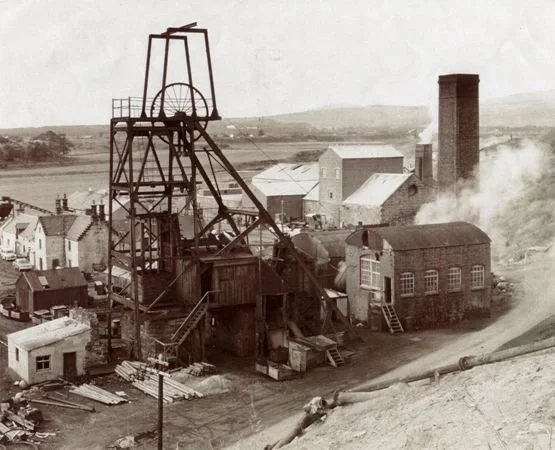
So, let’s go north of the border to investigate another scarred ex-colliery landscape. We have arrived at the site of the former Barony Colliery in east Ayrshire, a mine which operated over a very similar time span to those of the Kent Coalfield. This time the entrepreneur was one William Baird whose company established the mine around 1910 (sources vary on the exact date) to feed the local iron industry.
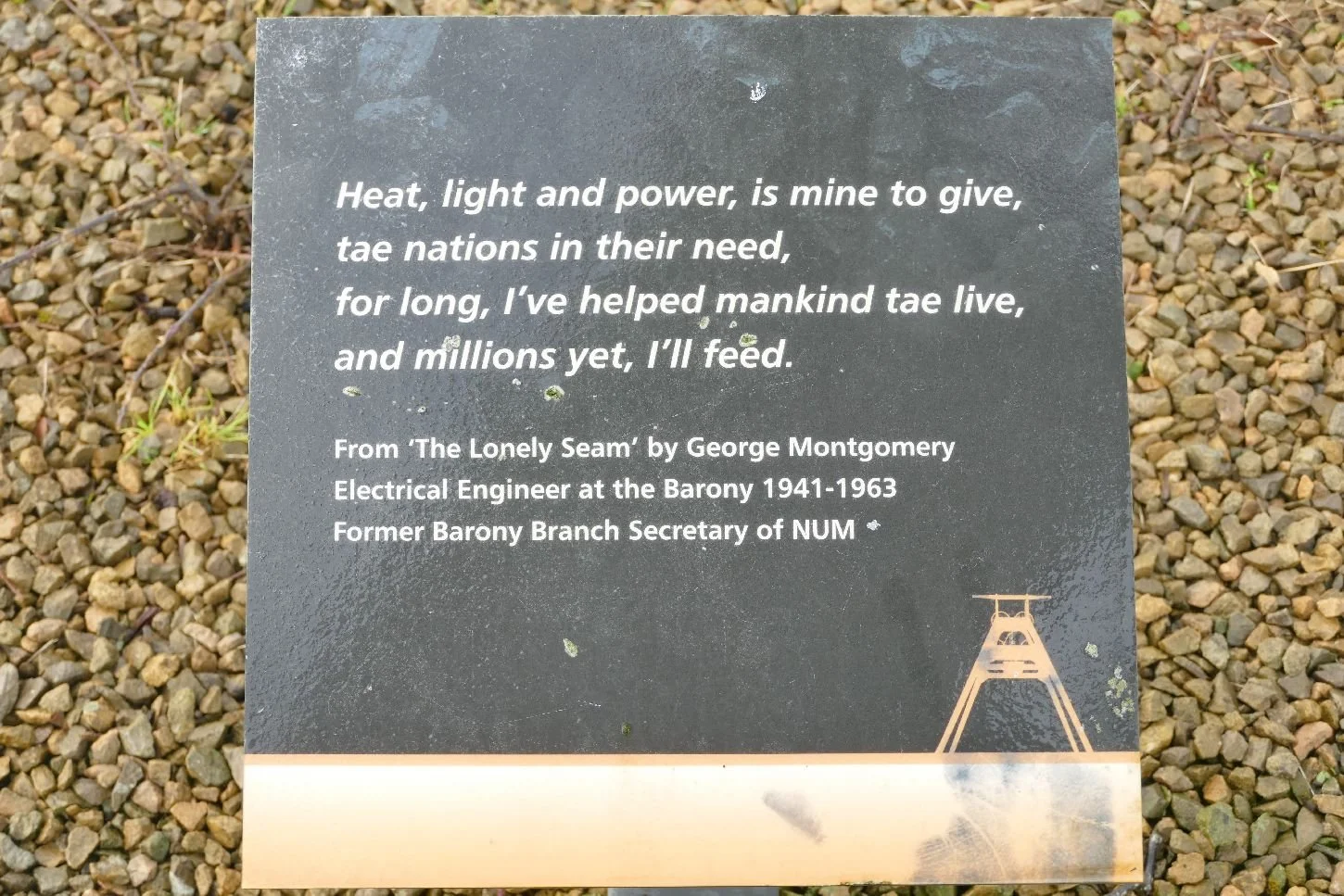
Coal became more lucrative than iron and a 3rd shaft was commenced in the late 1930’s but had to be postponed until after WWII, with completion in 1950. “The finished shaft was 2,052 feet deep (635.4m), making it the deepest in Scotland.” (https://www.britainexpress.com/scotland/Strathclyde/museums/Barony-A-Frame.htm)
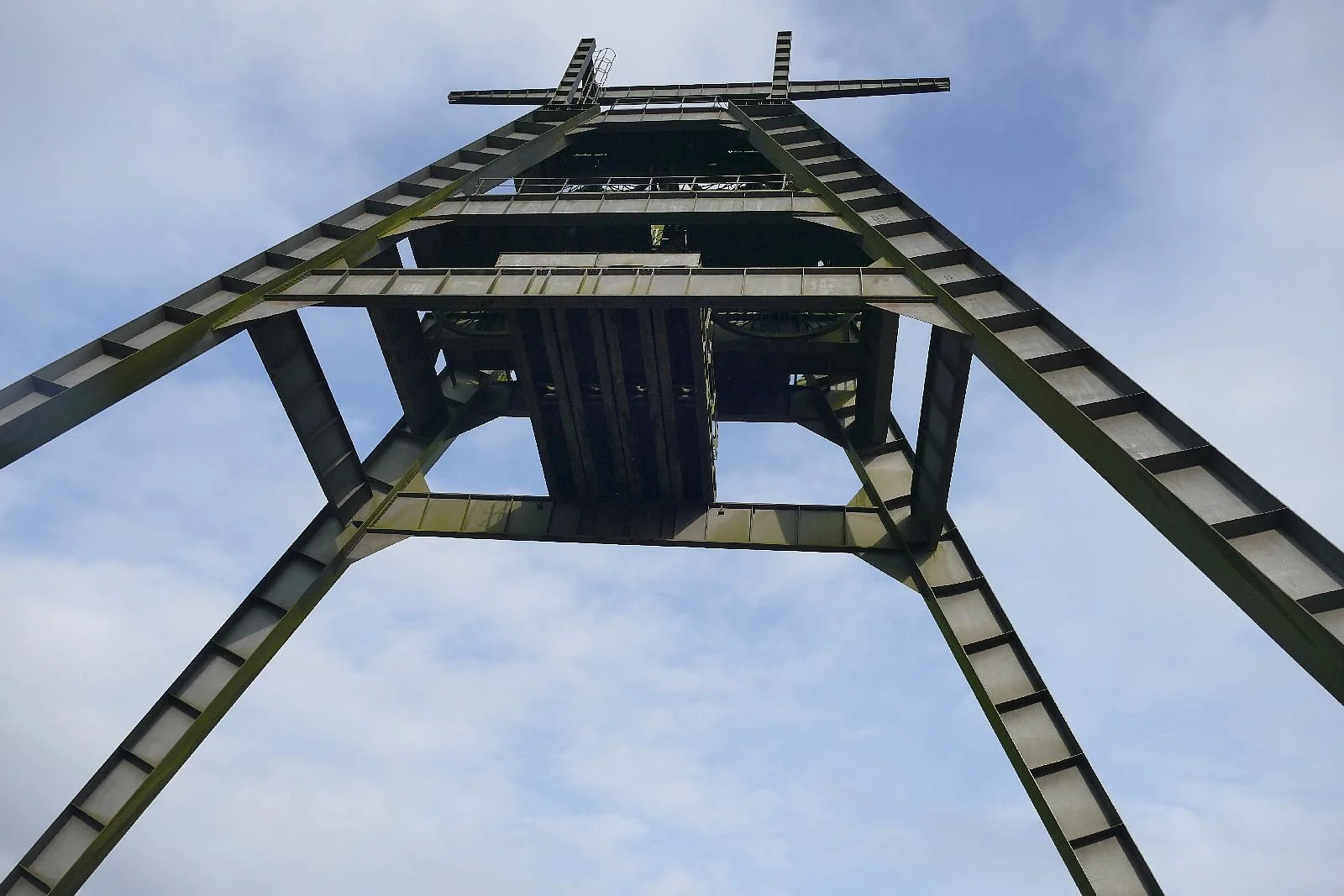
With this expansion some new engineering was required and a massive ‘A frame’ was erected over No.3 shaft. With two sets of winding gear to lower miners and raise coal, it must have made a significant impact on production levels. “… at its height, the colliery employed some 1200 people. Most of the local boys left school at the age of 14 and started work in the pits alongside their fathers.” (Ibid)
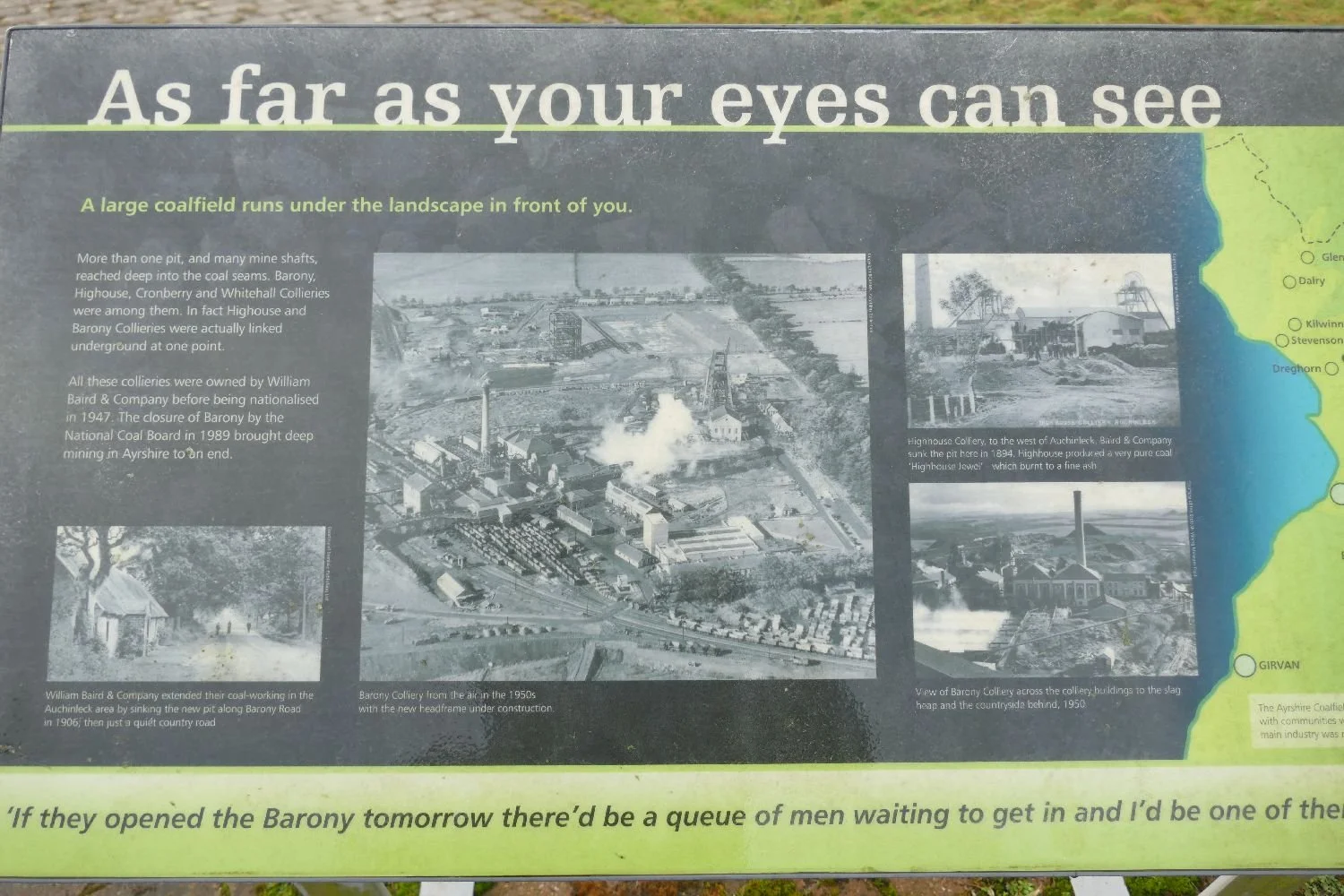
The coal field itself was extensive, but so was the colliery above it - a thriving but probably noisy, dirty, industrial complex.
By the 1950s, the major client was now coal burning power stations and, indeed, one such station was built adjacent to the mine in 1957.
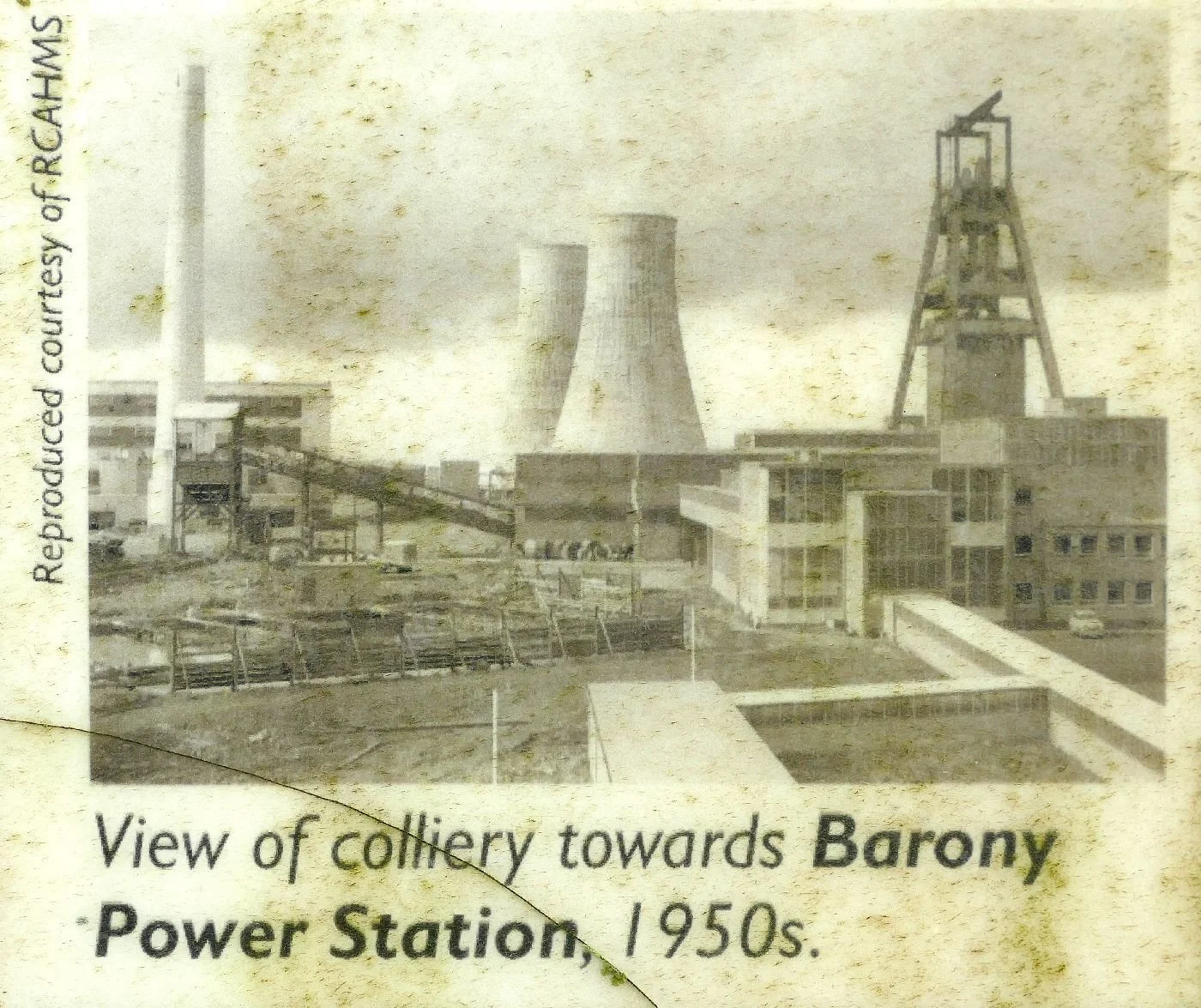
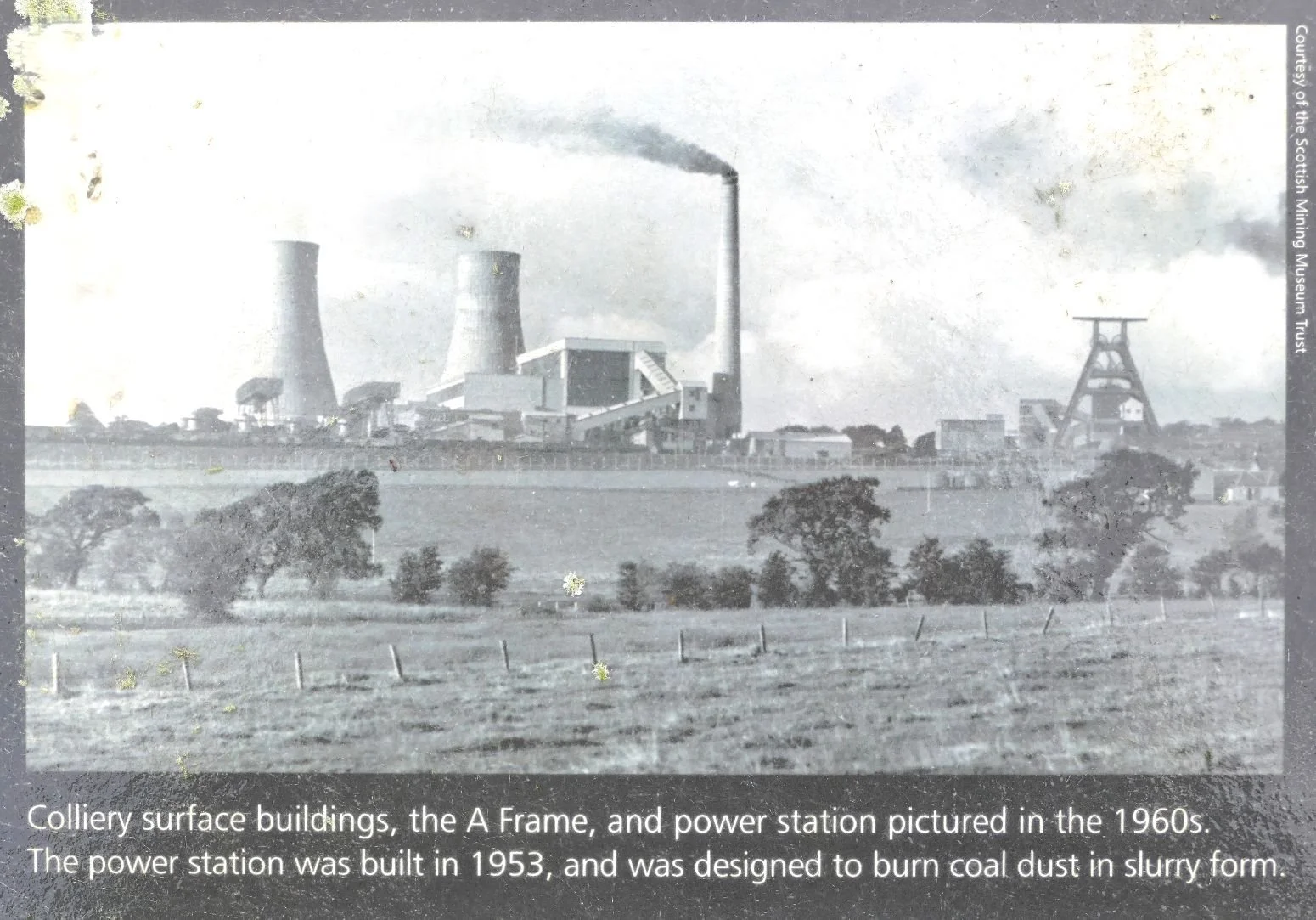
The 1960’s saw life at Barony begin to change. In 1962, the No 2 shaft collapsed, four miners were killed and the decision was taken to fill in both 1 and 2 shafts. No 3 shaft could not operate without an additional escape shaft and so the pit was shut with 1,100 men laid off. Salvation came in the form of a new coal fired power station within the region and a No 4 shaft was sunk, enabling the colliery to re-open in 1966. But the writing was creeping along the wall and technology and political attitudes were changing. The adjacent power station closed in 1983, to be quickly followed by the Miners’ strike and, for Barony, geological difficulties in the form of a fault in the coal seam. The pit was declared no longer viable and was closed in 1989.
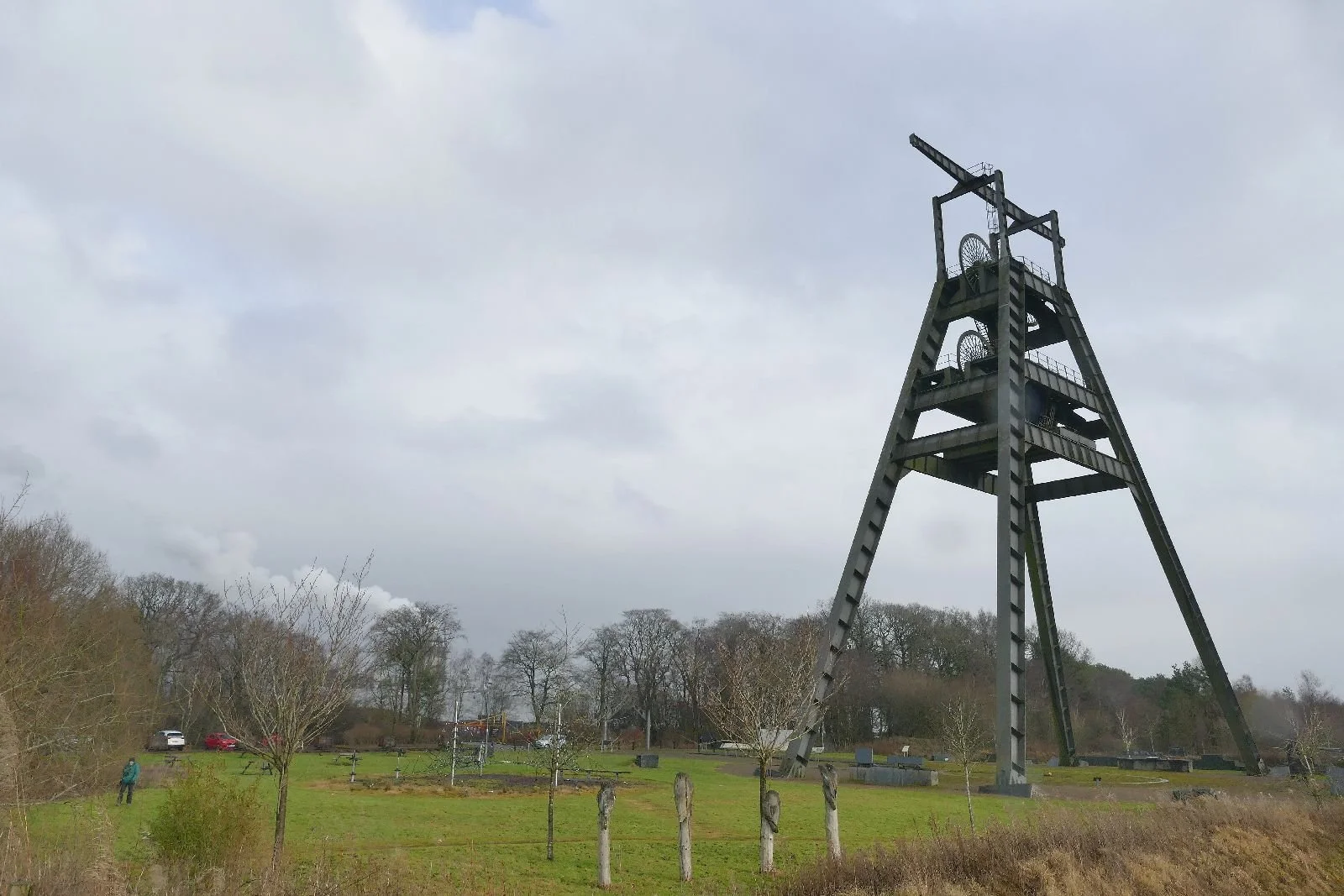
But for the A frame, Barony’s fate could have been very similar to Tilmanstone or Betteshanger. Of course, local communities were devastated and the site seems to have been cleared immediately after closure. But the mighty A frame was left in position and indeed restored in 2007 - no industrial estate in this part of Aryshire. Today the Barony A frame stands as a lone memorial to the people and the industry which once flourished here.
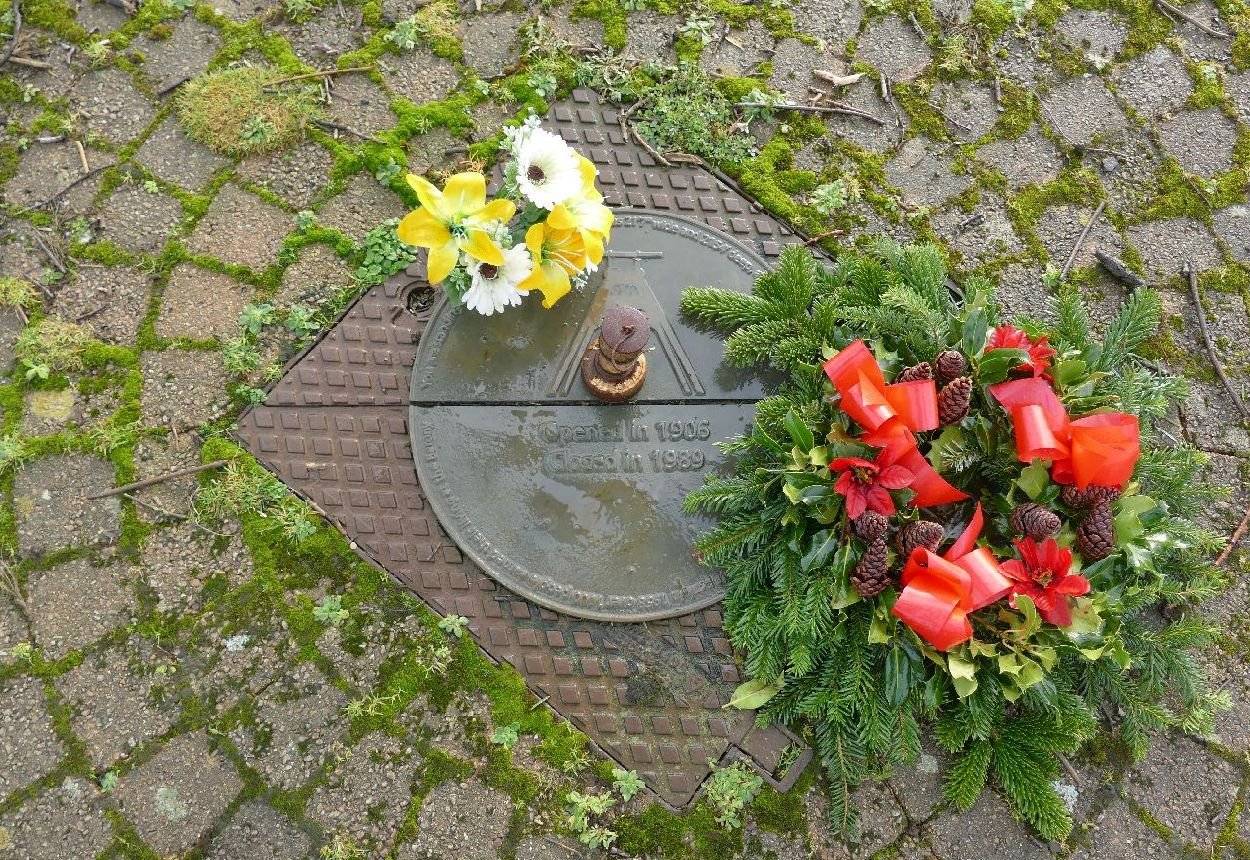
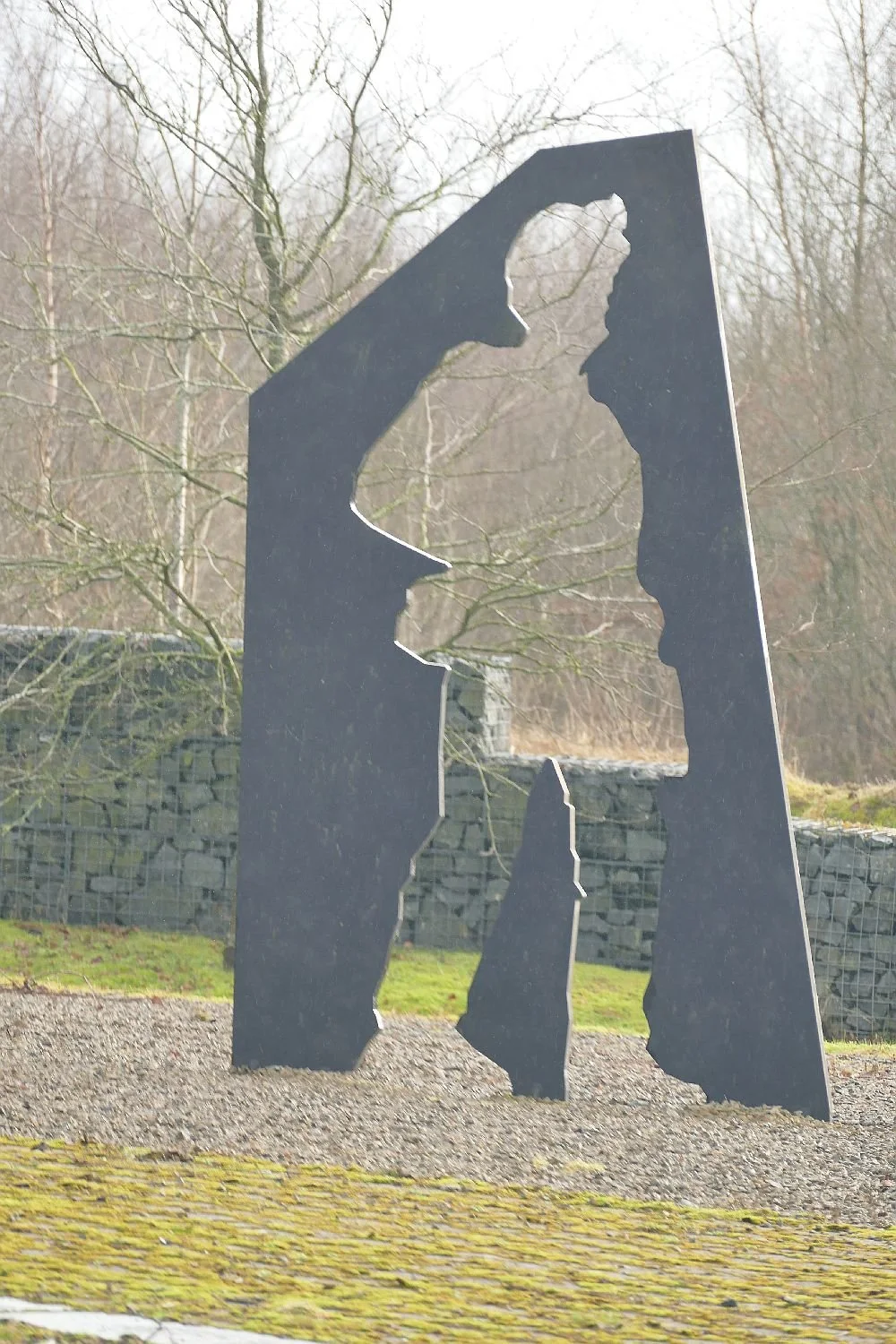
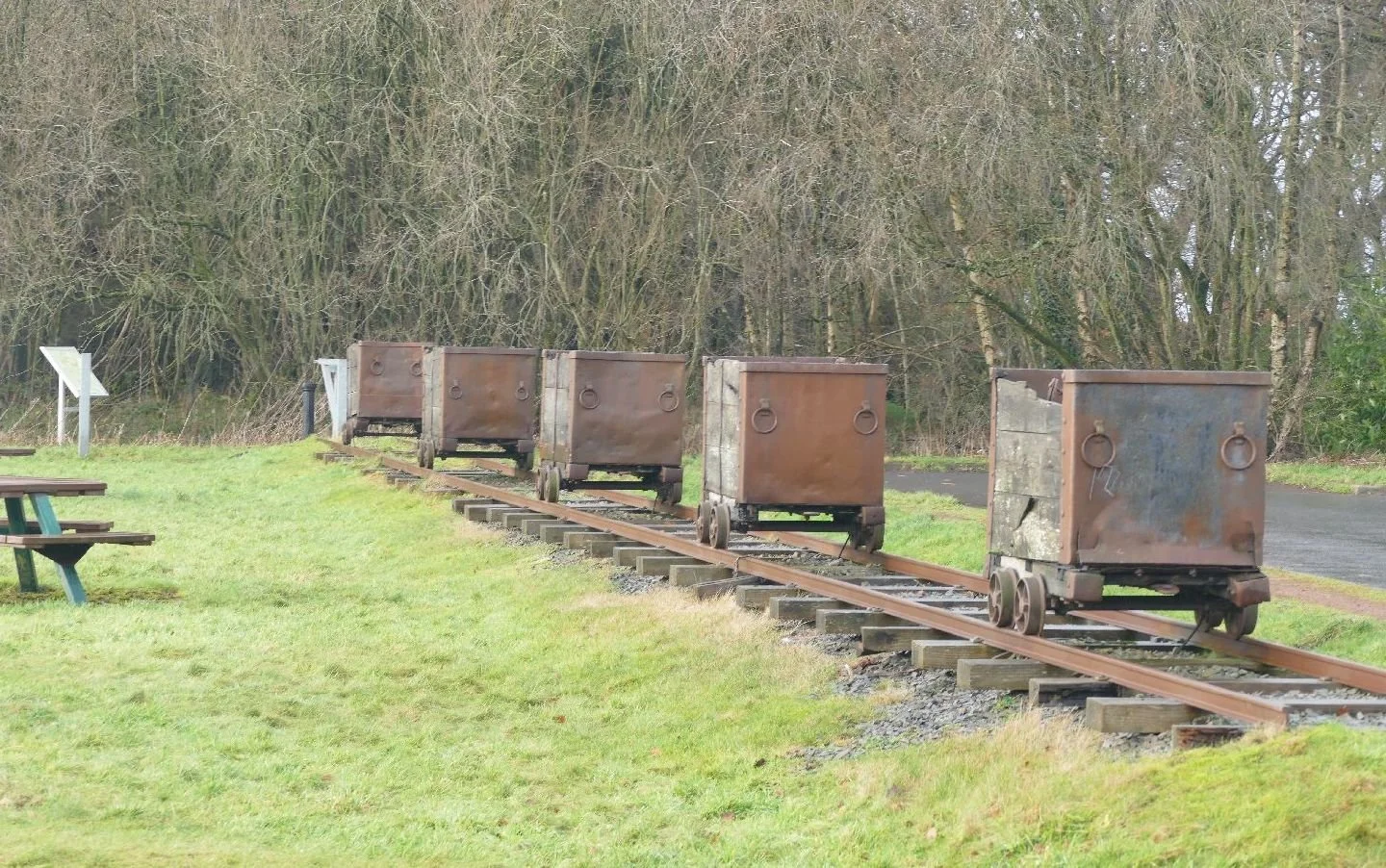
But Barony has other functions as well: it operates as an open air museum (the interpretation is weather-worn but fascinating), as a children’s playground, and as a recreational and dog walking area. It could be regarded as bleak and windswept but it is hardly fair to judge it on a damp January morning!
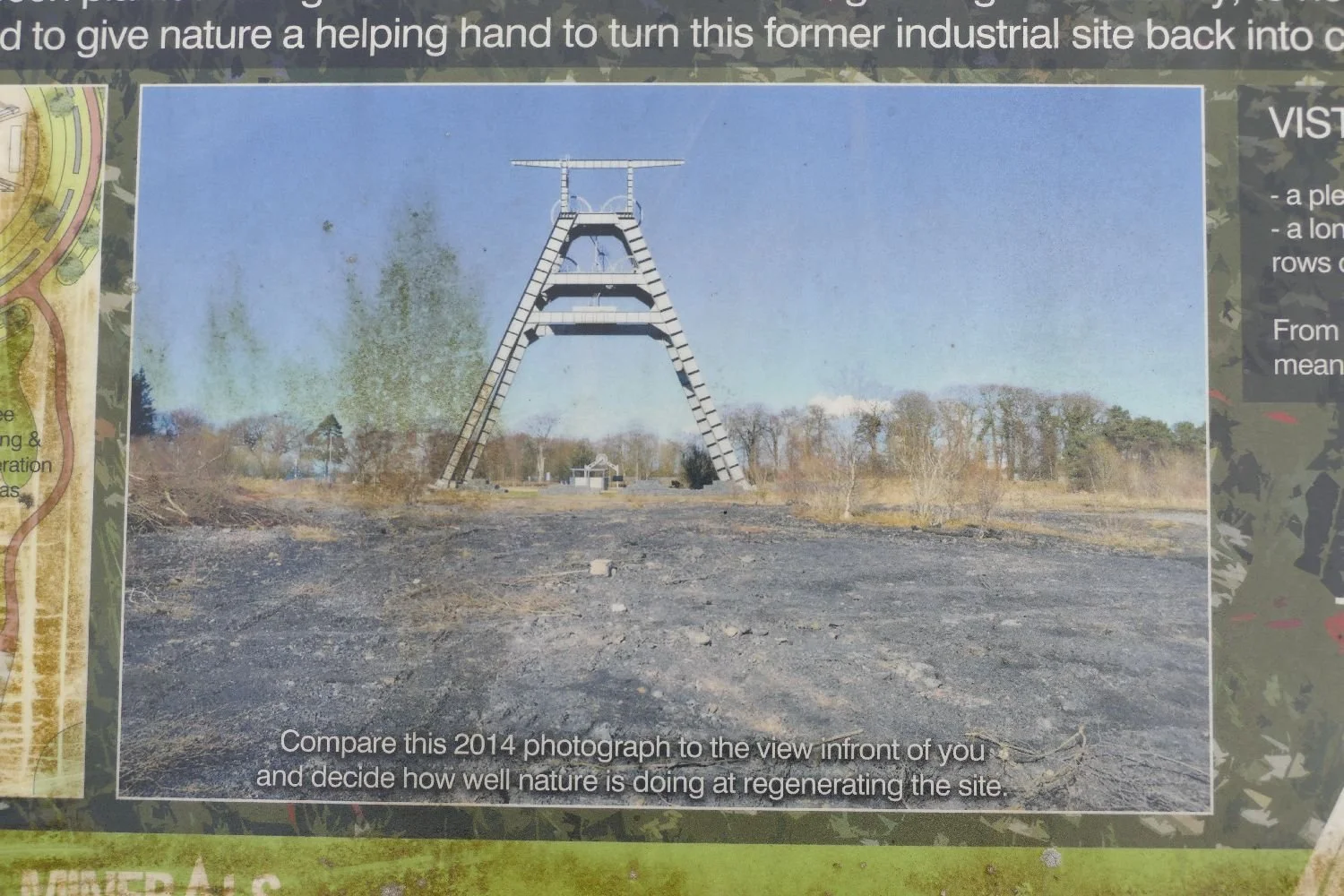
It is also on its way to becoming a nature reserve and an area of biodiversity. Again, it is unfair to judge it in January!!
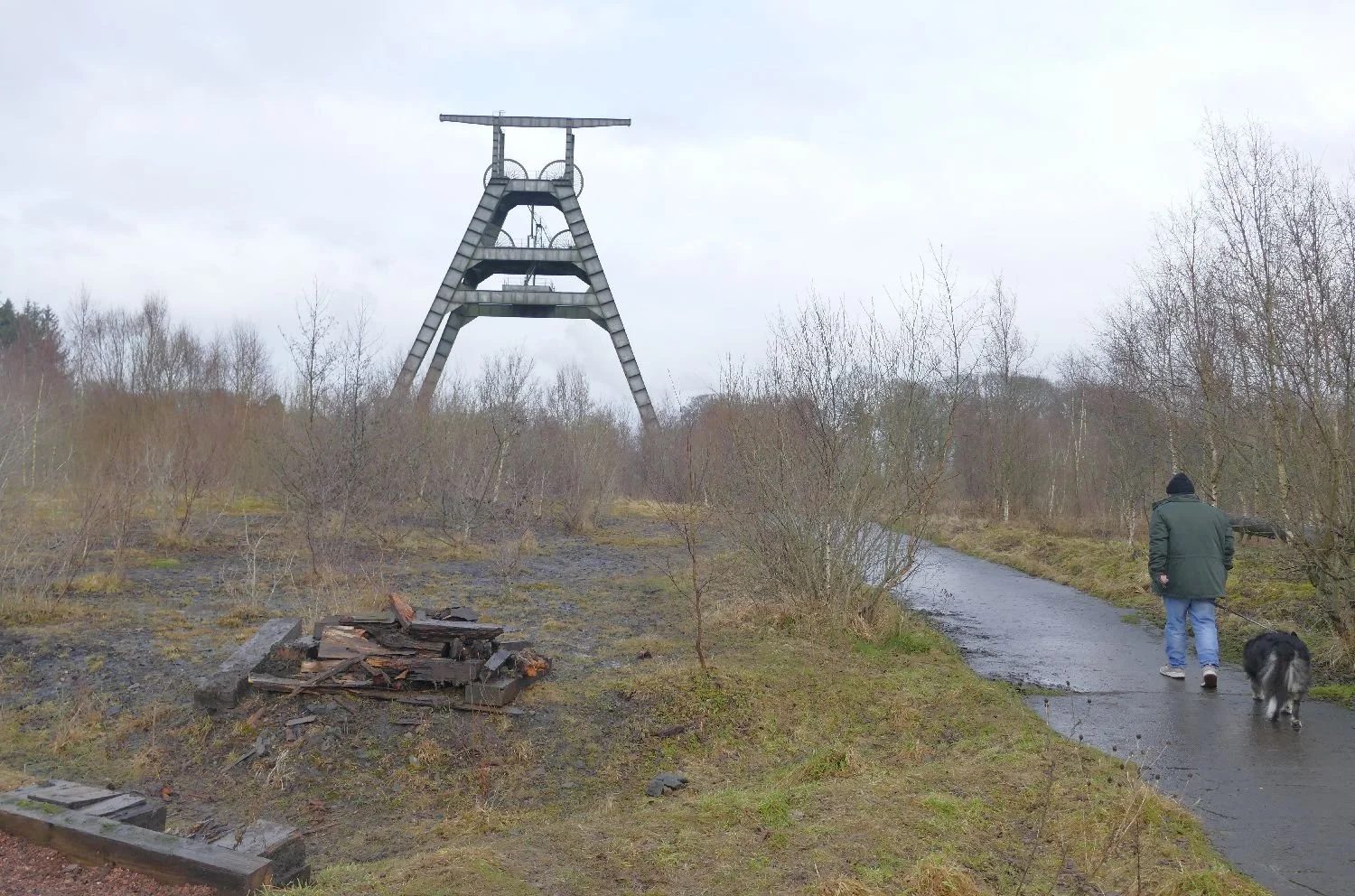
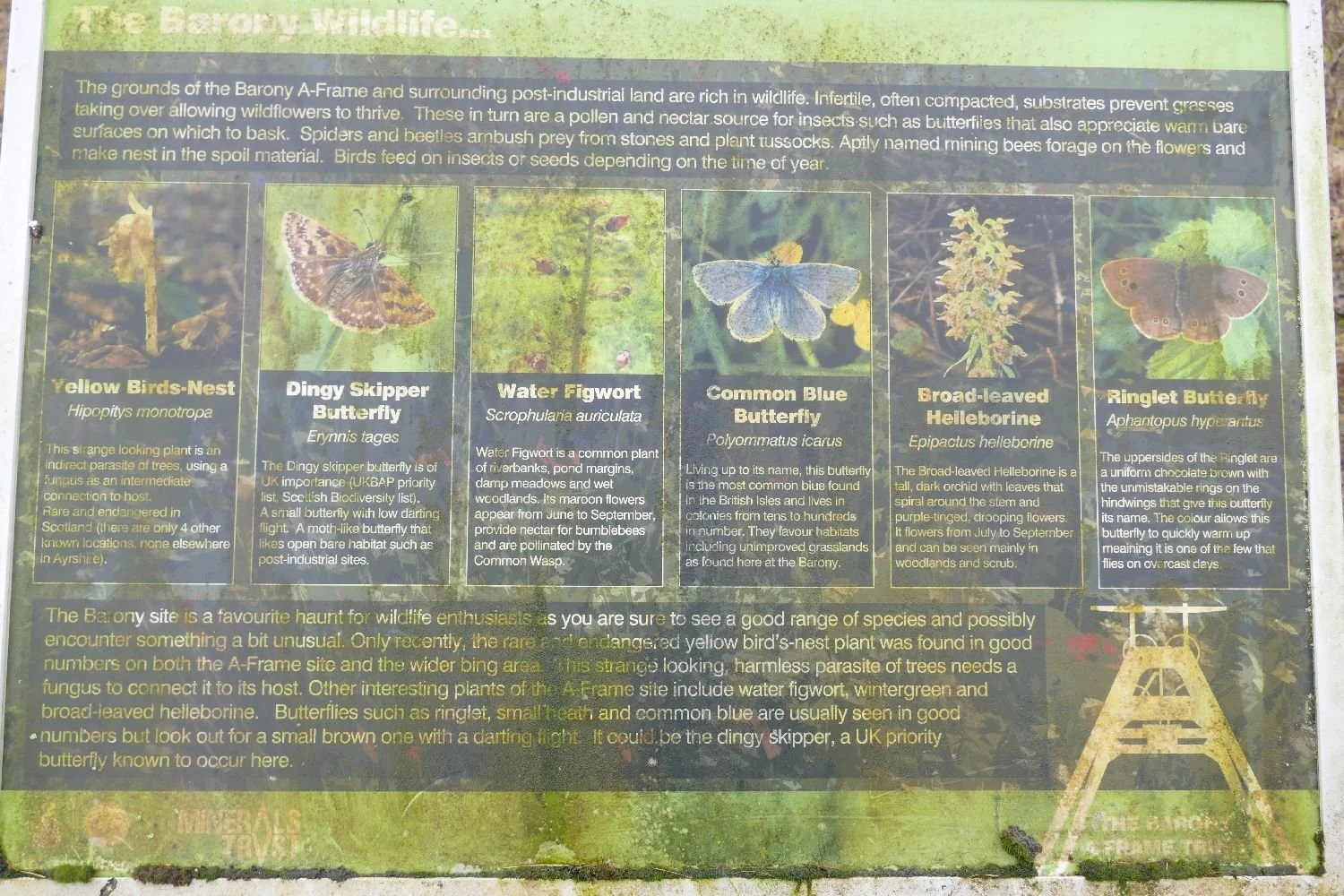
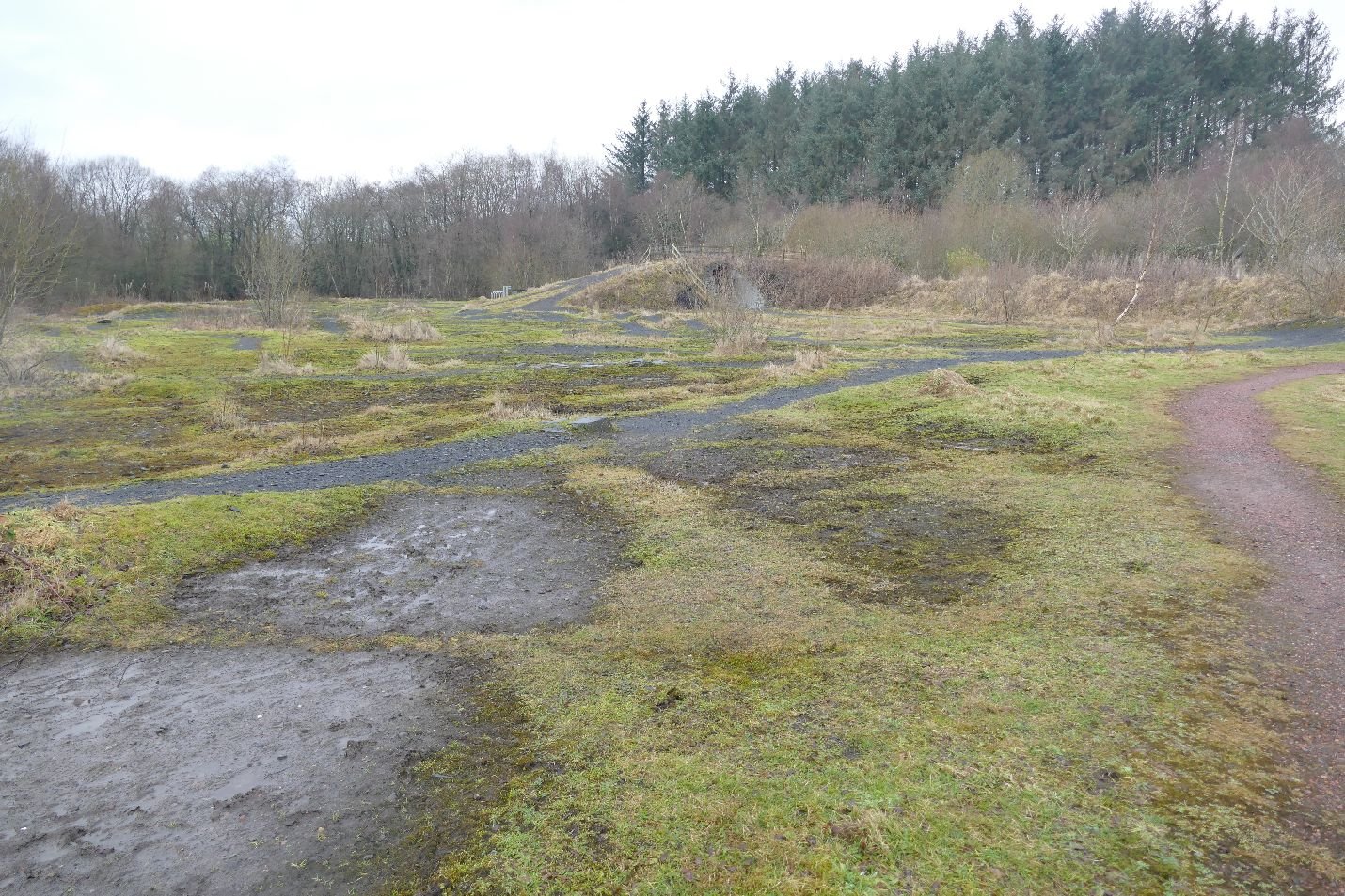
This is a different and perhaps better memorial to our industrial history, but something is missing: neither Barony’s mighty A frame, nor the Kent Coalfield’s commercial face lifts, are really representing, expressing, exploring, facing up to, apologising for or feeling creative about the ‘c’ words of crisis and conundrum created by climate change.