“We are the Village Green Preservation Society
God save Donald Duck, vaudeville and variety
We are the Desperate Dan Appreciation Society
God save strawberry jam and all the different varieties”
The ‘Village Green Preservation Society’ was released by The Kinks in 1968, to moderate success. The big question is, however, was Ray Davis expressing a desire for maintaining traditional values or was he being ironic? Eminently sing-able and with great lyrics, Terroir, of course, assumed the latter. It is interesting to note, however, that:
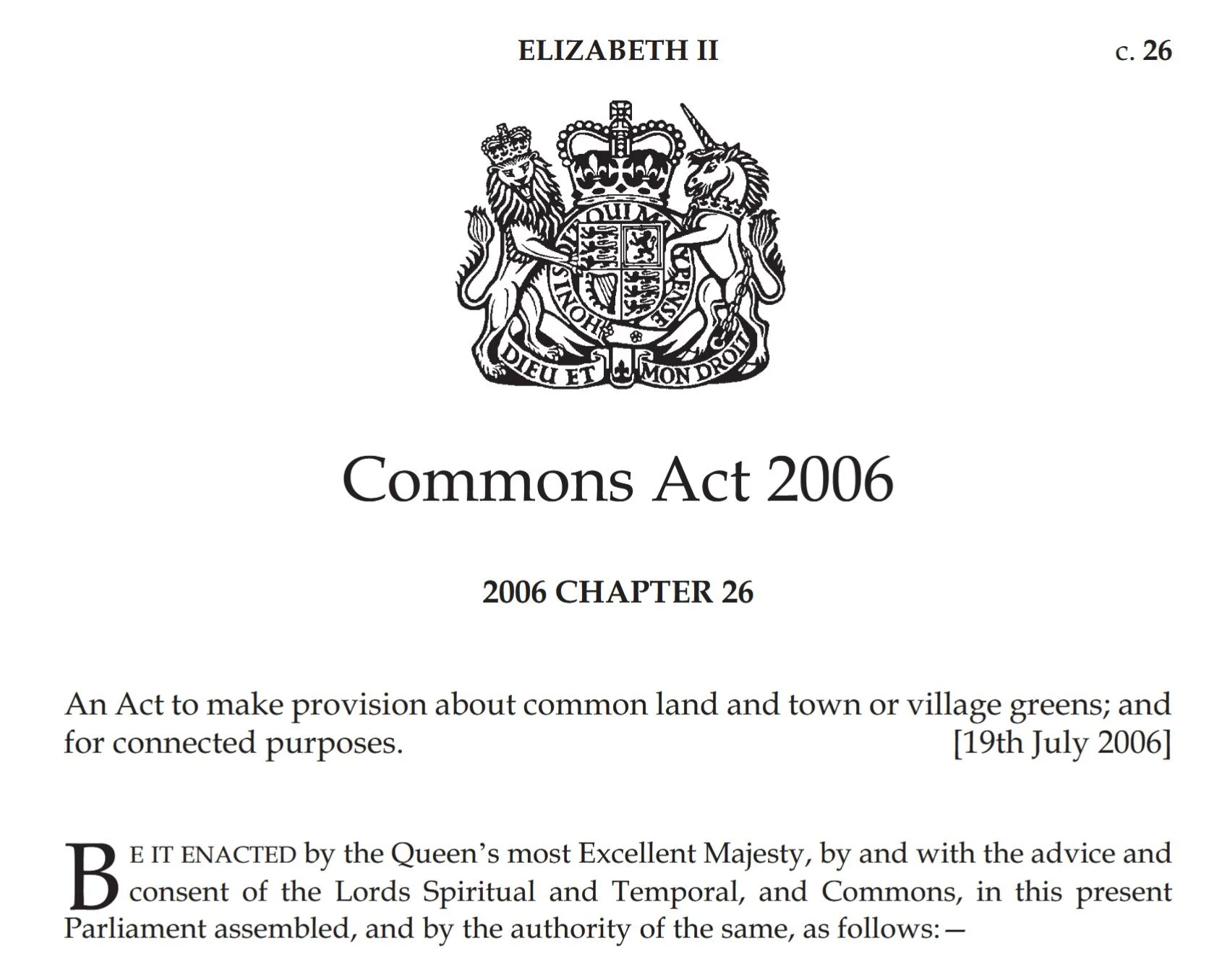
· Protection of village greens has been possible since the Commons Act 2006
· Donald Duck is still a successful immigrant from the USA
· Desperate Dan has had a more difficult career (what really happened in that oil well explosion?) but he made the cut in the Dandy Annual for 2026
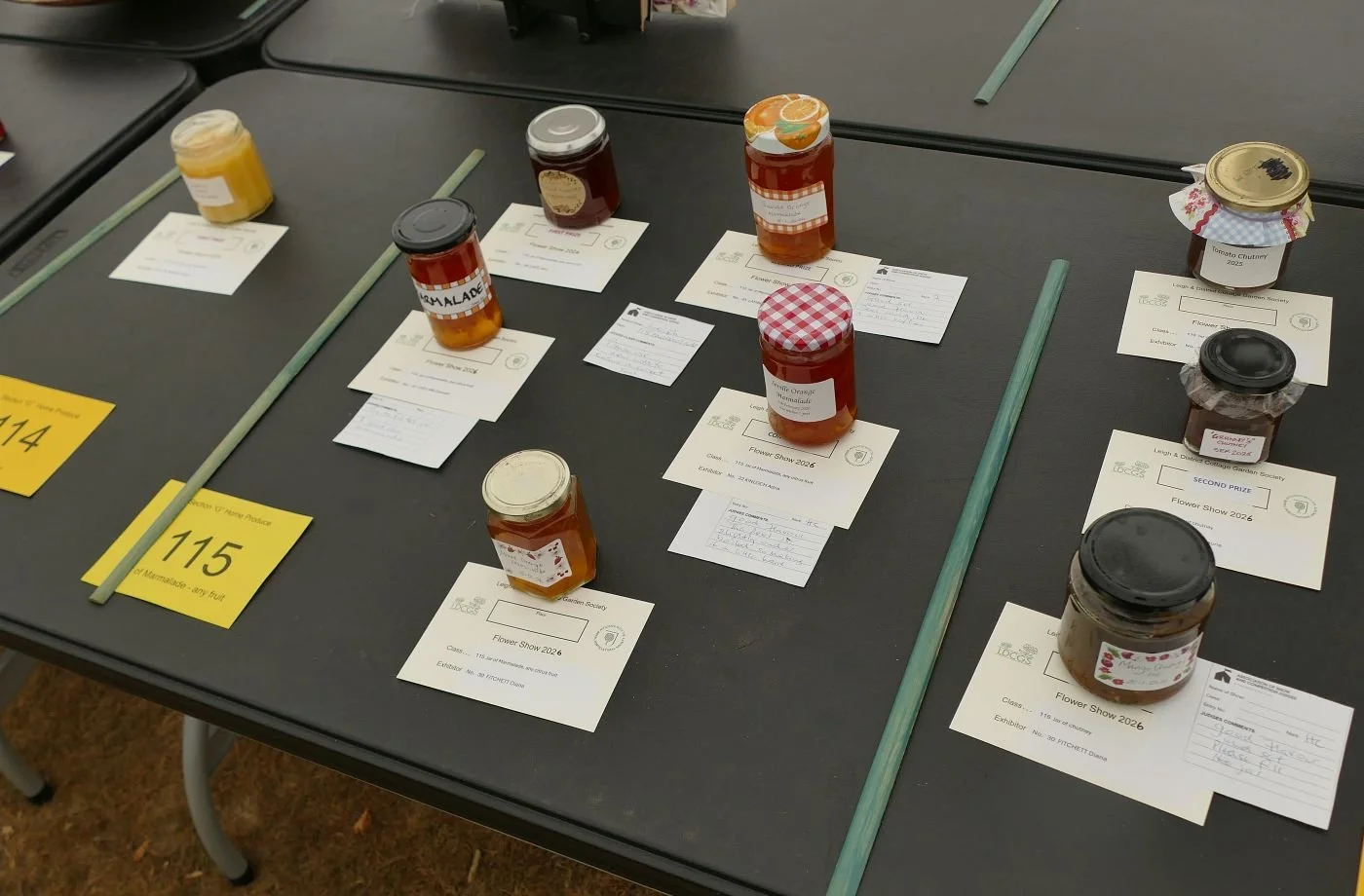
· Strawberry jam – seems to be as popular as ever, although other, more exotic, fruit jams are also now available.
Was Ray Davis actually responsible for all that?


what Donald Duck: https://en.wikipedia.org/w/index.php?curid=66173508 Desperate Dan: https://en.wikipedia.org/w/index.php?curid=57532342
Terroir recently attended a local village fair, something which seems to have been part of British culture for a very long time, and often involves village greens and strawberry jam. It was an excellent afternoon and got us thinking about the history of fairs and how they might have changed over the centuries.
Terroir’s usual level of research would normally produce a plethora of reliable, sometimes academic, sources, but on this occasion information was distinctly sketchy. Here is Wikipedia on the British fête:
“Village fêtes are common in Britain. These are usually outdoor shows held on village greens or recreation grounds with a variety of activities. They are organised by an ad hoc committee of volunteers from organisations like religious groups or residents' associations.” (https://en.wikipedia.org/wiki/F%C3%AAte). A very recognisable village format, clearly assuming that the strawberry jam goes without saying but unhelpful on the origins of such events. There is a Wiki entry specific to ‘Fairs’ but as it has ‘multiple issues’ and ‘needs more citations’ we have declined to quote from it. There is definitely room for a decent doctorate on this subject but Terroir feels that funding may be an issue.
Using what sources are available, it seems that, historically, fairs were large commercial events or markets, often linked to religious and/or seasonal timetables, involving the sale of livestock and agricultural or household supplies and the hiring of staff. Pubs would be open and bargains struck.
Fairs have also featured in many literary works. John Bunyan’s Vanity Fair was used as an allegorical market place representing worldly sins and human desires. Thomas Hardy used them as both literary and theatrical key points (eg the auction of a wife and child in ‘The Mayor of Casterbridge’) and Jane Austen created local colour through sending her characters from ‘Emma’ to Kingston market in Surrey.
The famous Nottingham Goose Fair is probably a classic of the genre: a Michaelmas market based on cheese and the thousands of geese driven into town from the fens, many of which supplied the traditional Michaelmas meal of roast goose which marked the end of the harvest season. With a captive market of humans, travelling merchants started to bring in side shows and other forms of entertainment. “In 1928, the fair was relocated to the Forest Recreation Ground, having finally outgrown the city centre” (https://en.wikipedia.org/wiki/Nottingham_Goose_Fair).
Gradually the ‘fun’ fair became more dominant than the trading aspect and there are many historic and literary references to local villagers, and the staff from large Victorian houses, attending local fairs complete with side shows and entertainments (the television series ‘Downton Abbey’ features both horticultural and fun fairs).
Davis’s chorus from the ‘Village Green Preservation Society’, however, sends an ambiguous message on the subject of cultural conservation:
“Preserving the old ways from being abused
Protecting the new ways, for me and for you“
As Terroir clearly represents a form of ‘me and you’, we decided to go on a field trip to the aforementioned village fair, to assess the balance of old and new ways and levels of preservation and protection. The sacrifices we make in the cause of cultural landscapes!!
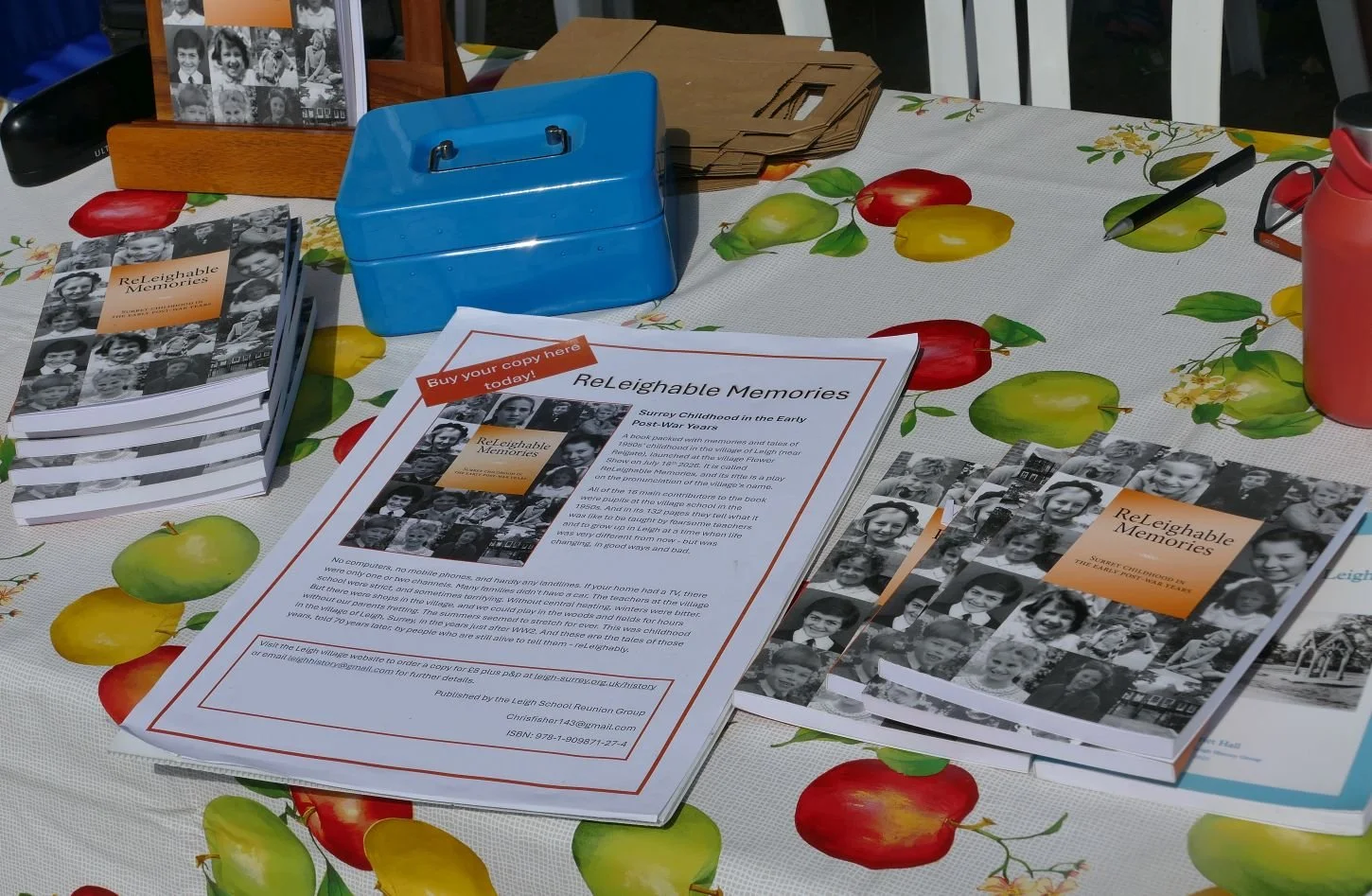
The village of Leigh, in Surrey, has a lovely village Green which was purchased by the Parish Council in July 2019, on a 99 year lease (https://www.leighvillage.org.uk/our-village/the-village-green/). This appears to represent a tick on the ‘preservation’ aspect. However, this year’s fair (sorry Fayre) was held on that other piece of open space to which every English village aspires - a cricket ground. This offered more space and another tick on the ‘preserved old ways’ list. Owzat?!
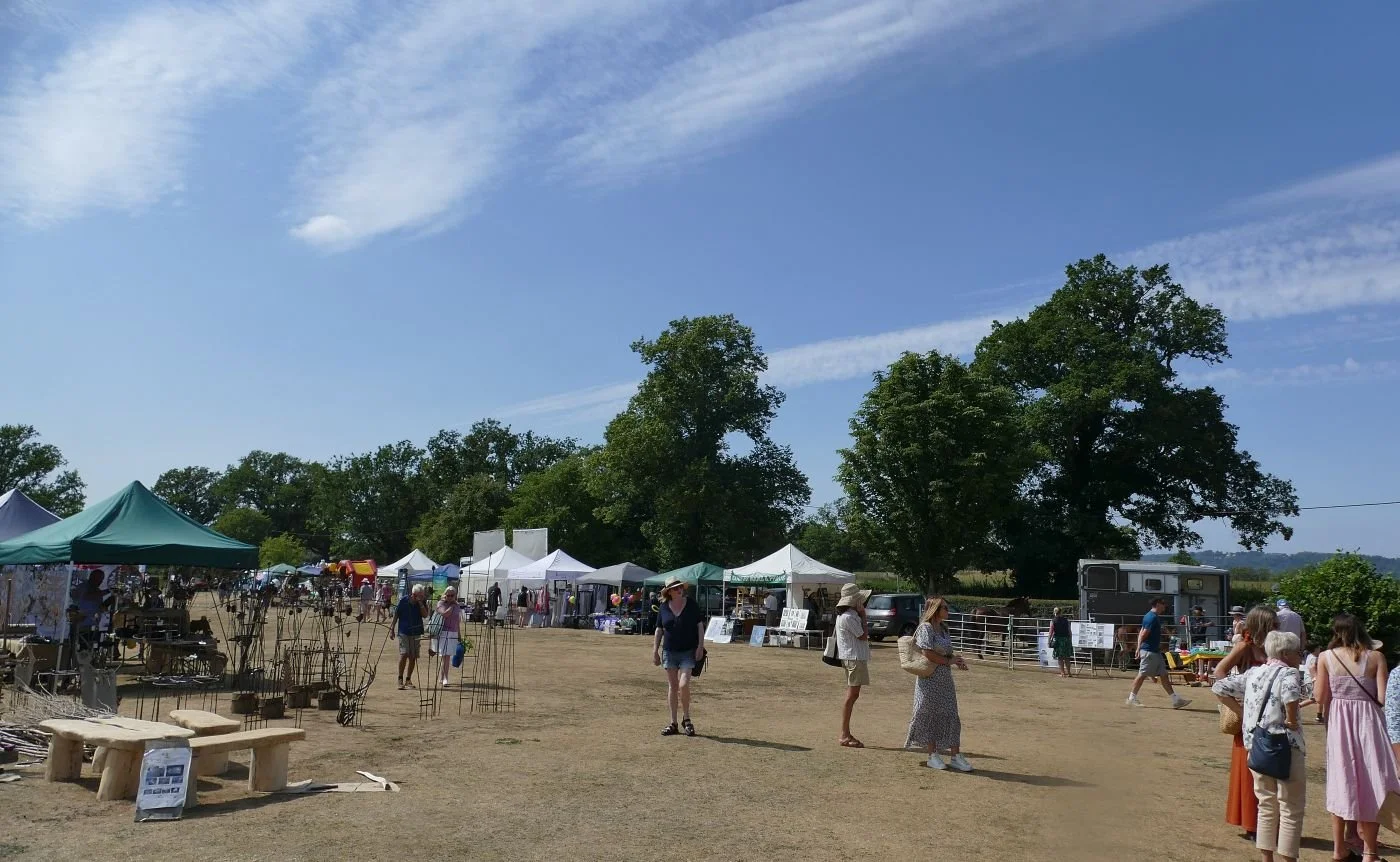
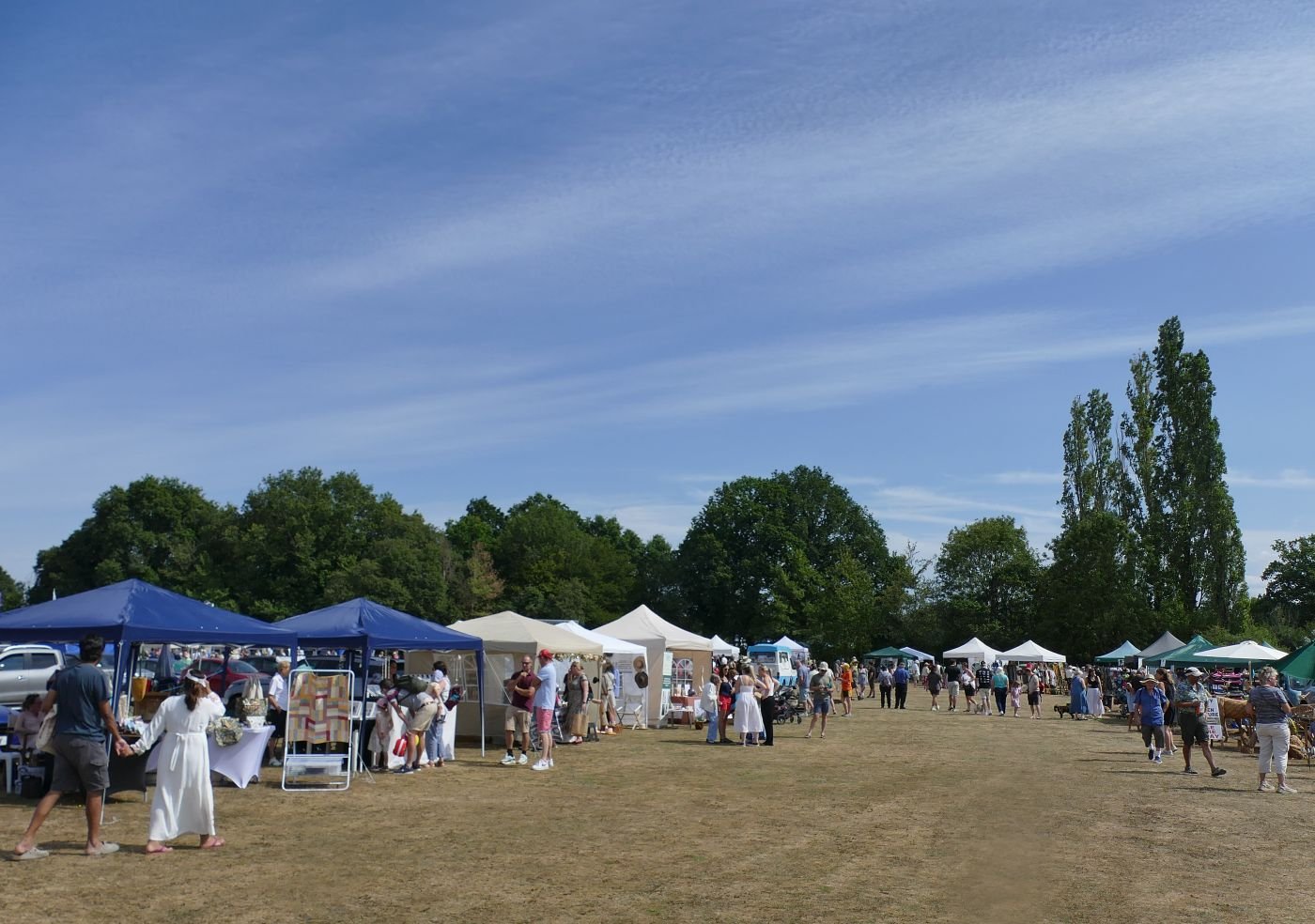
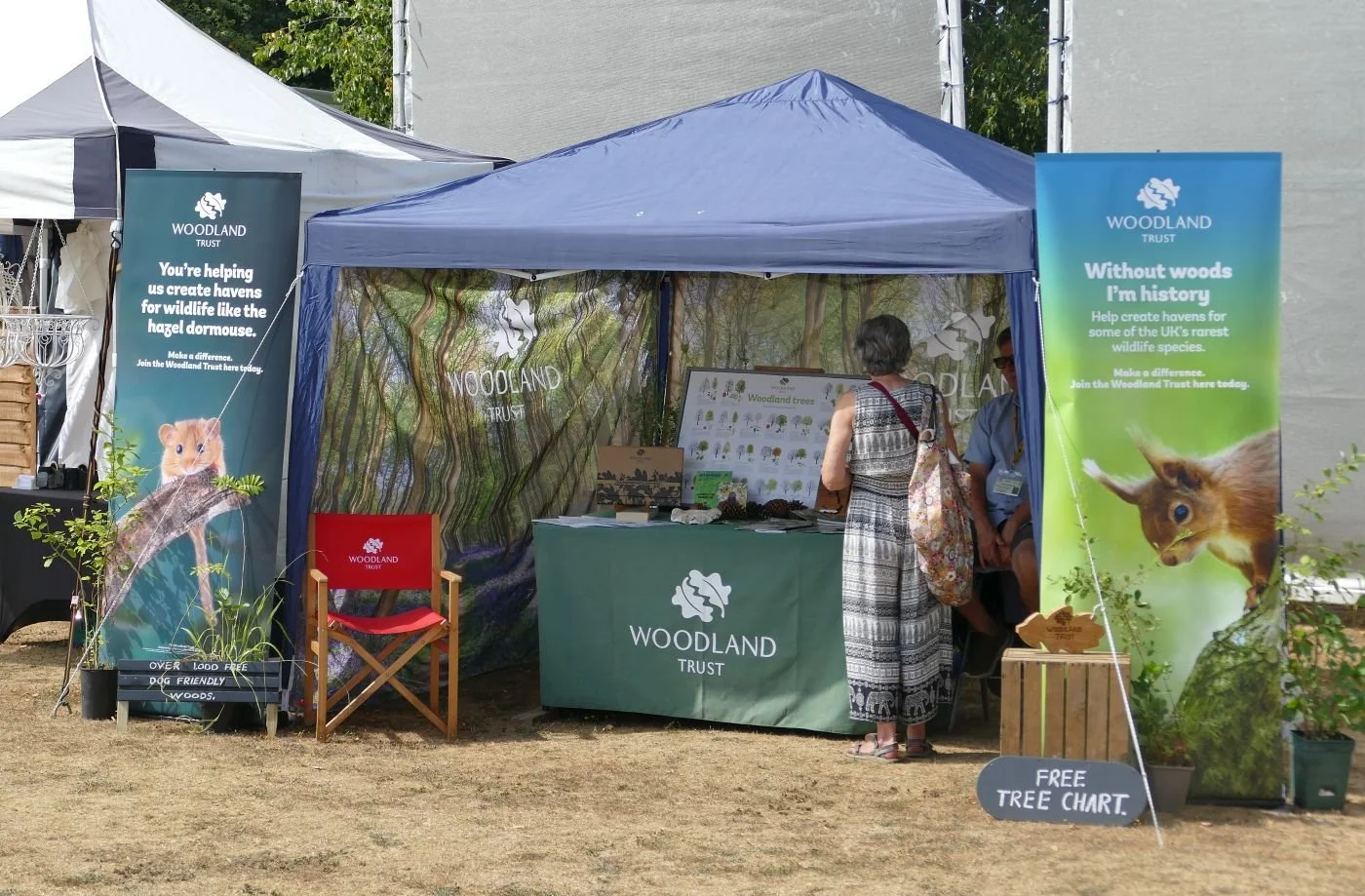
eHistorically, commerce seemed to be the basis of most fairs and this appears to still be true today, although the commodities have changed enormously. Instead of buying geese, horses, sheep, cattle or people, a respectable village fête now majors on craft products which may or may not feature local skills, materials or food. The link with the surrounding countryside may be tenuous but to the 21st century urbanite, the products of crafts people who probably live somewhere within the region are very attractive. We saw pottery, wood work, metal work, clothing and cakes, and the honey came from Leigh village itself.
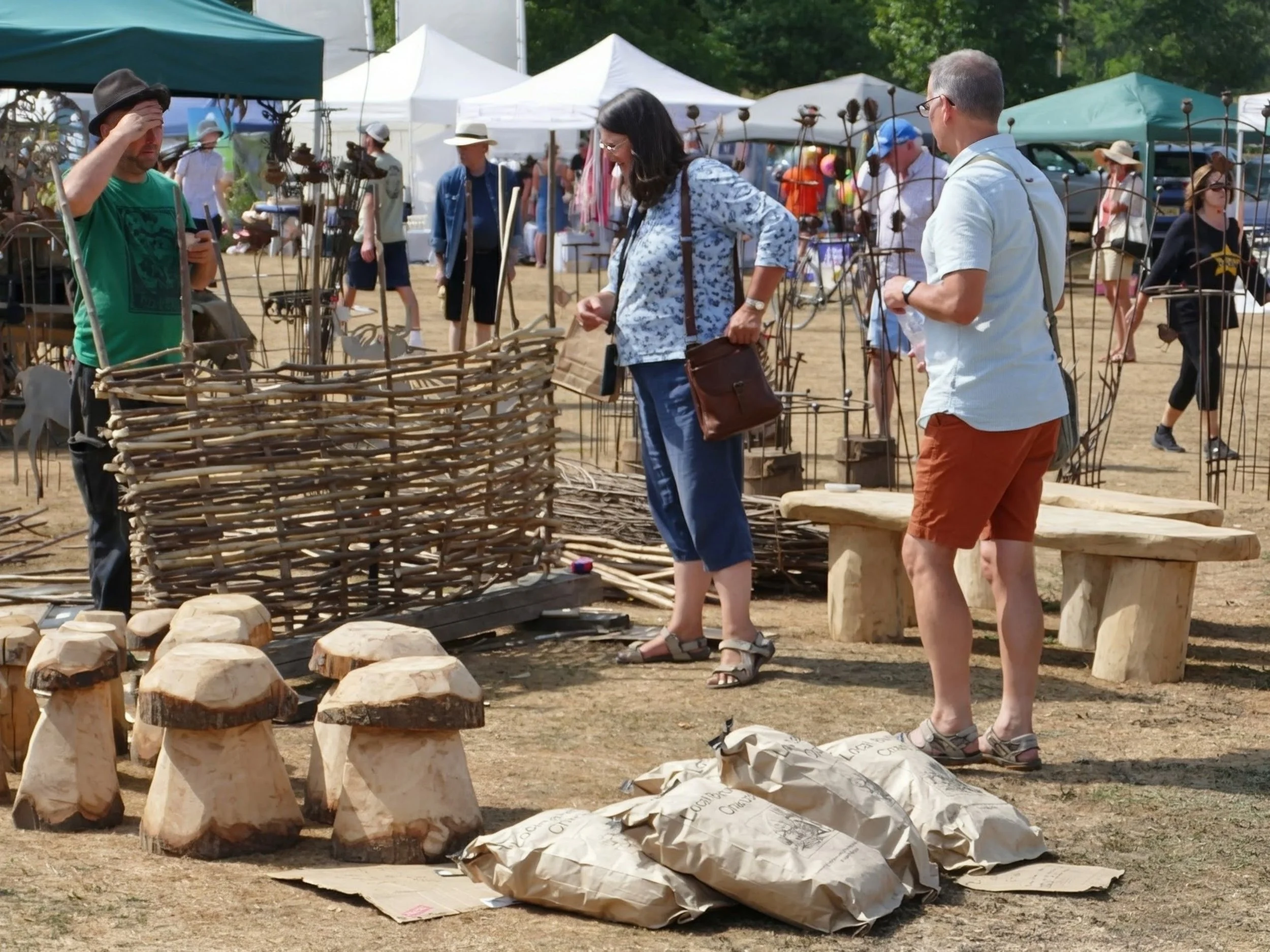
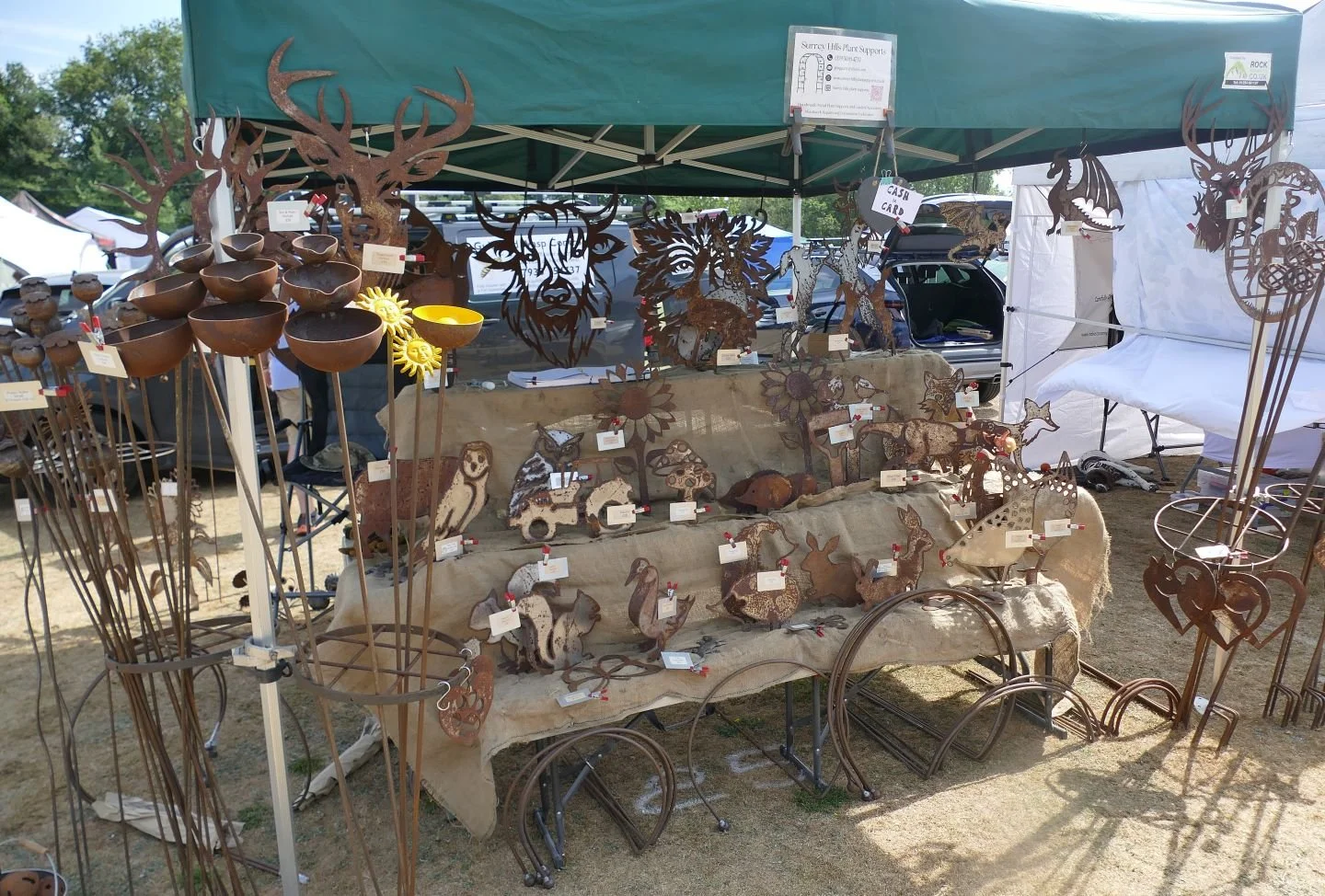
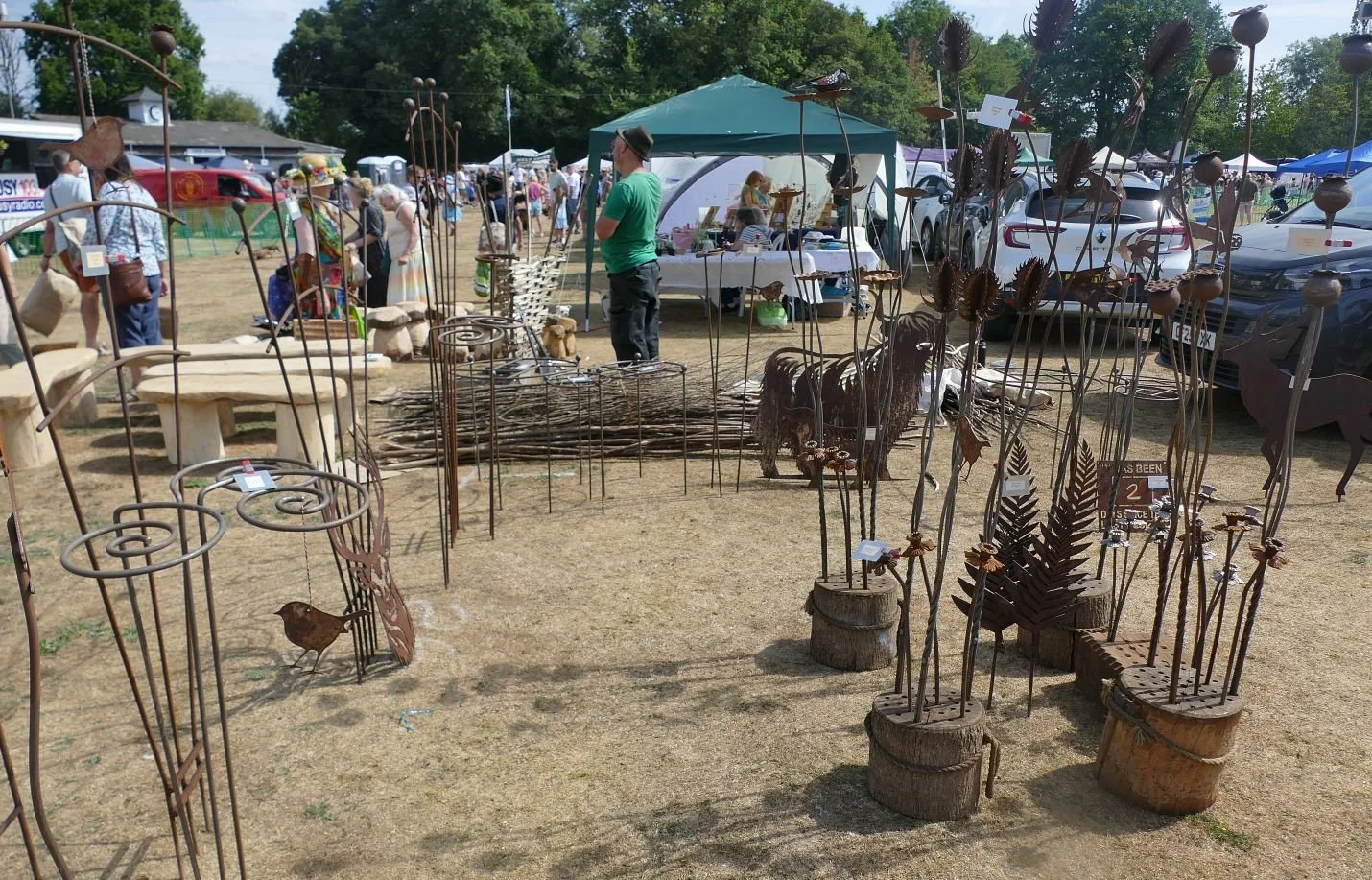
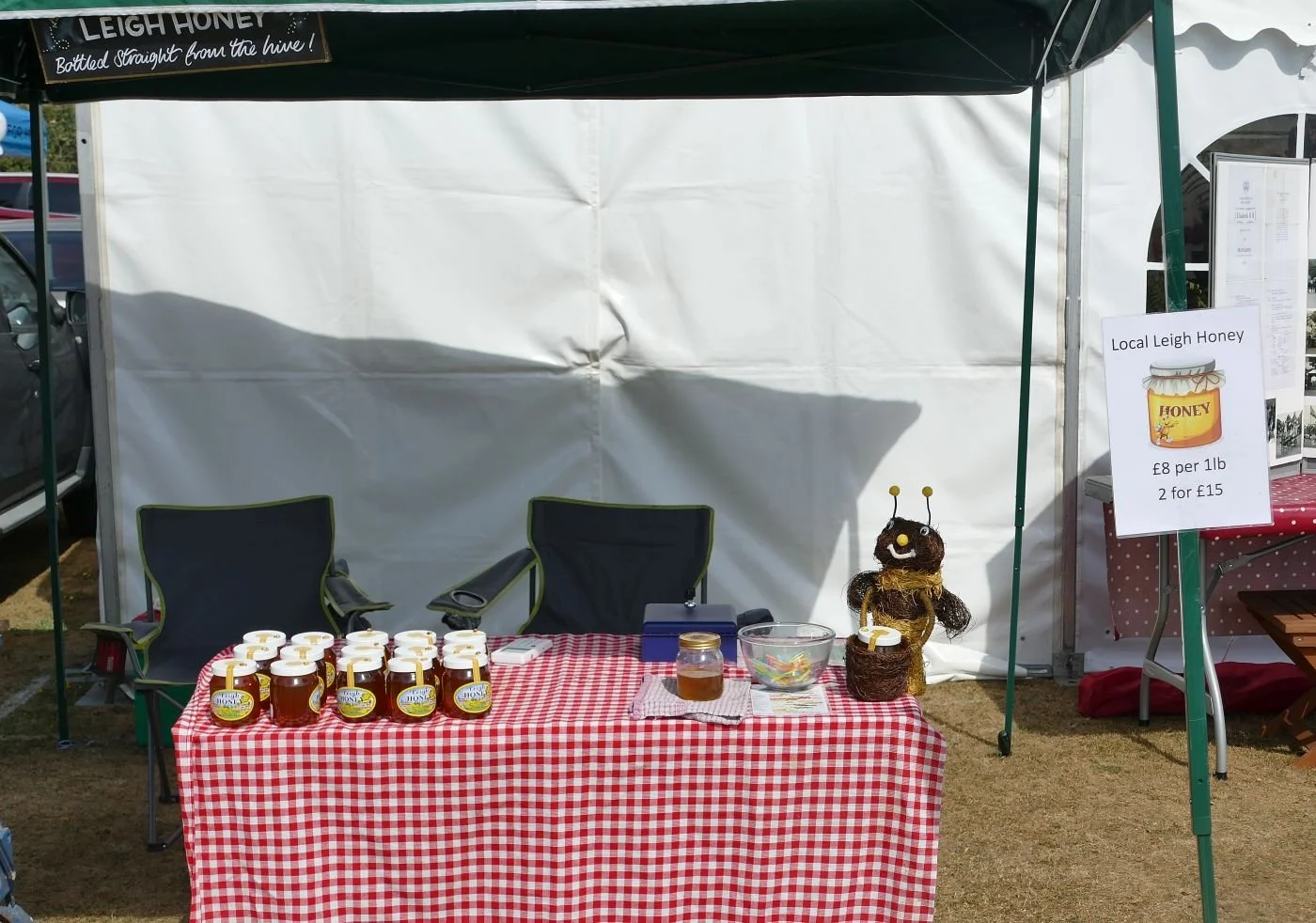
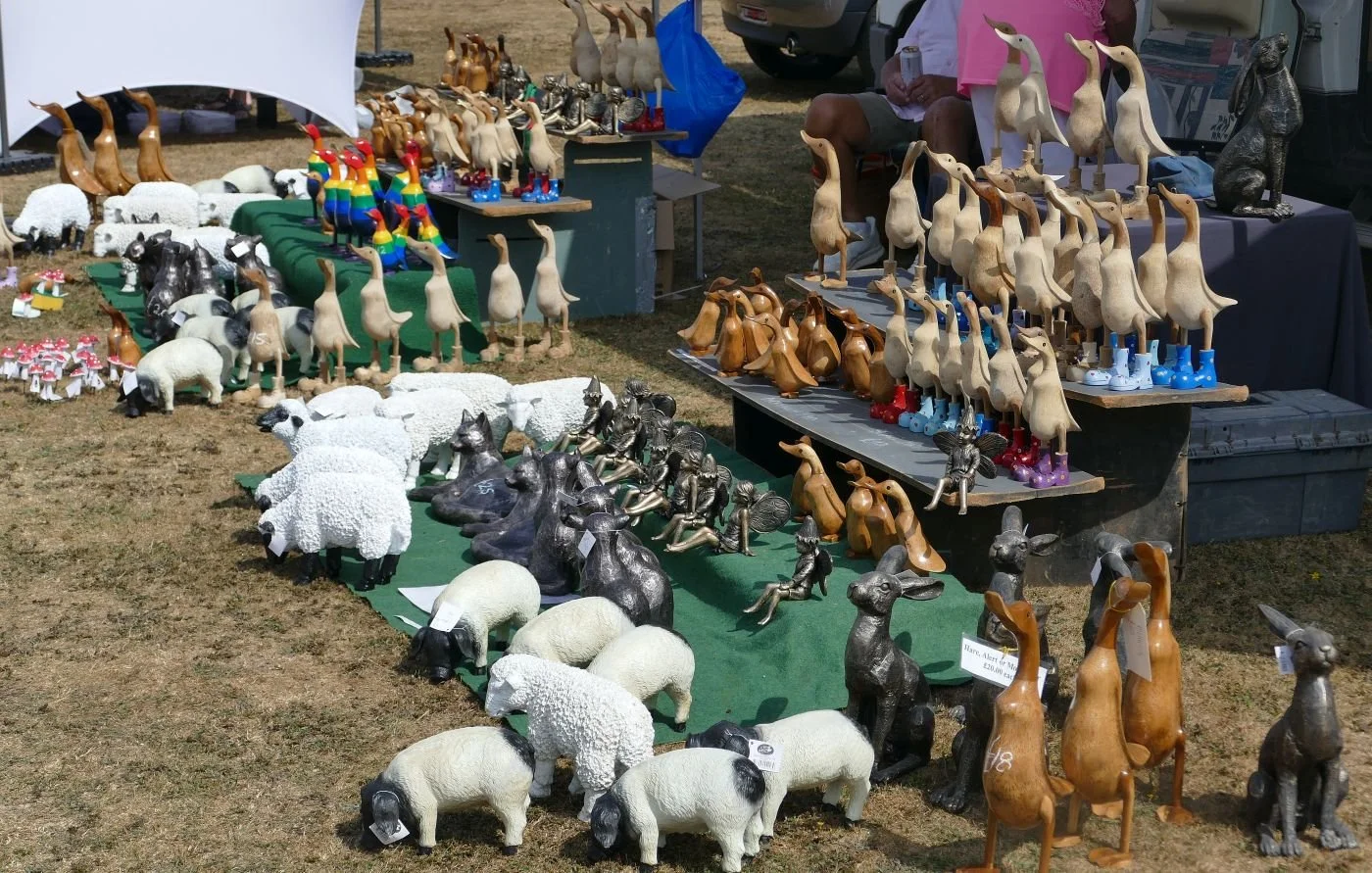
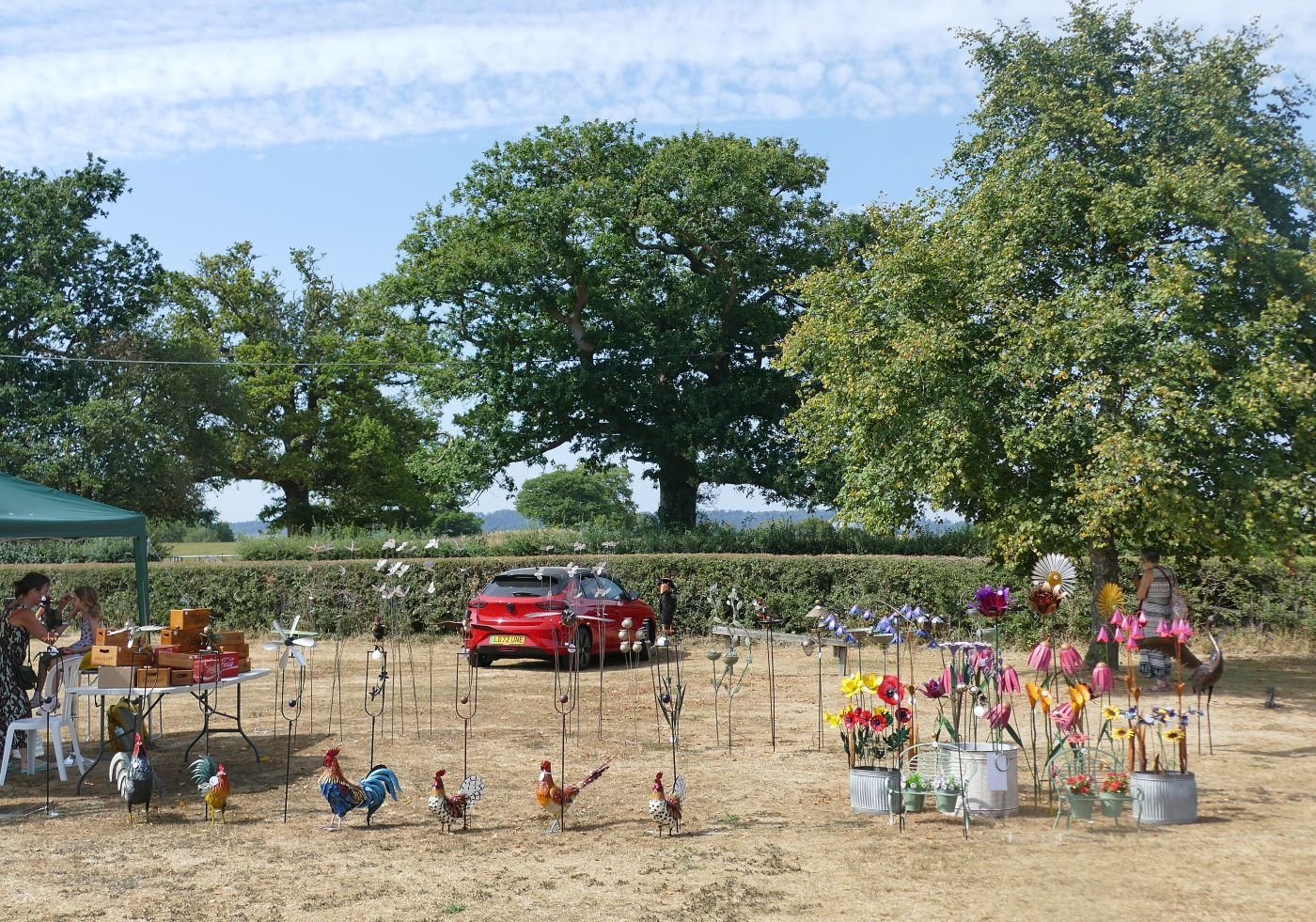
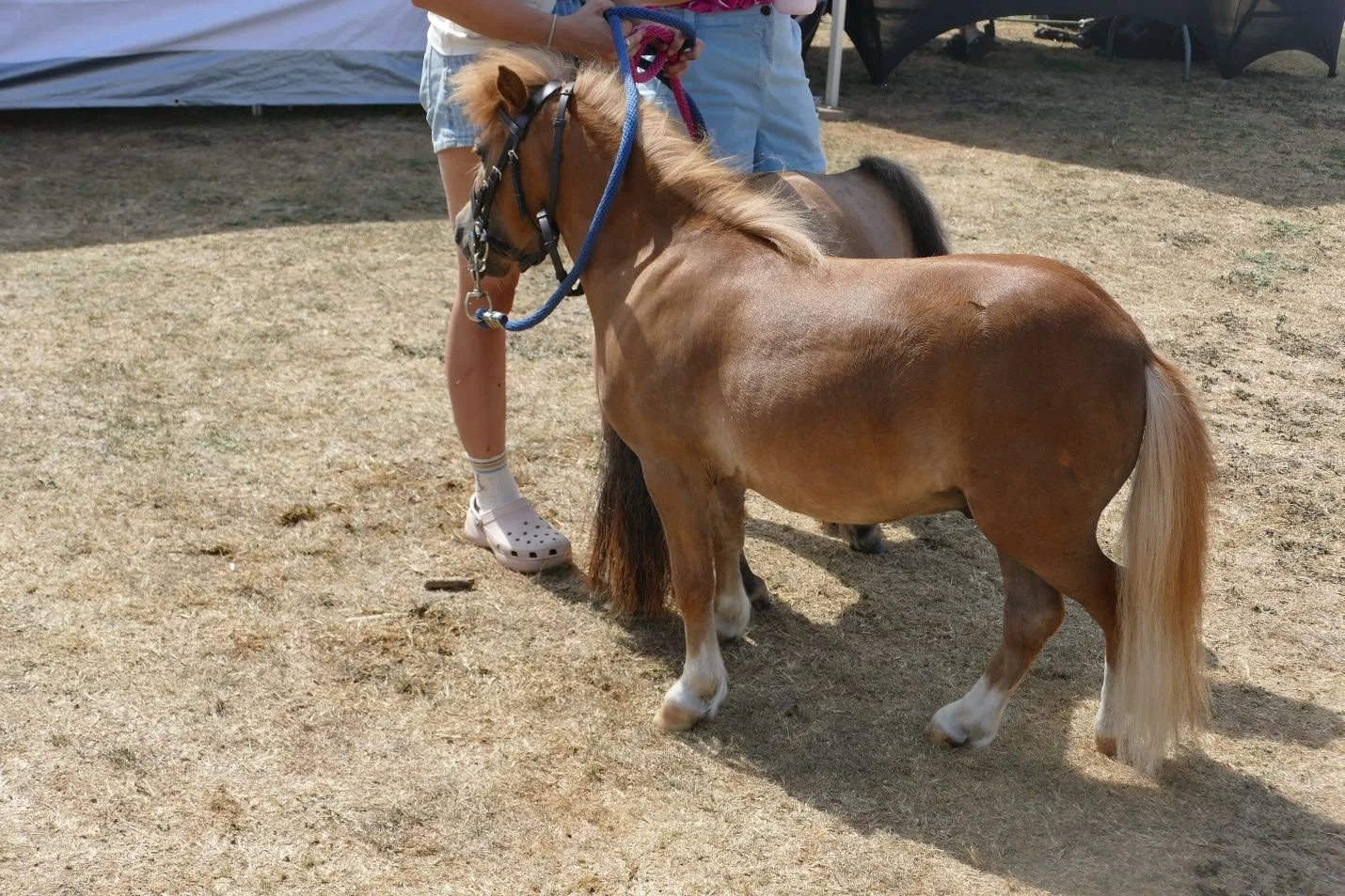
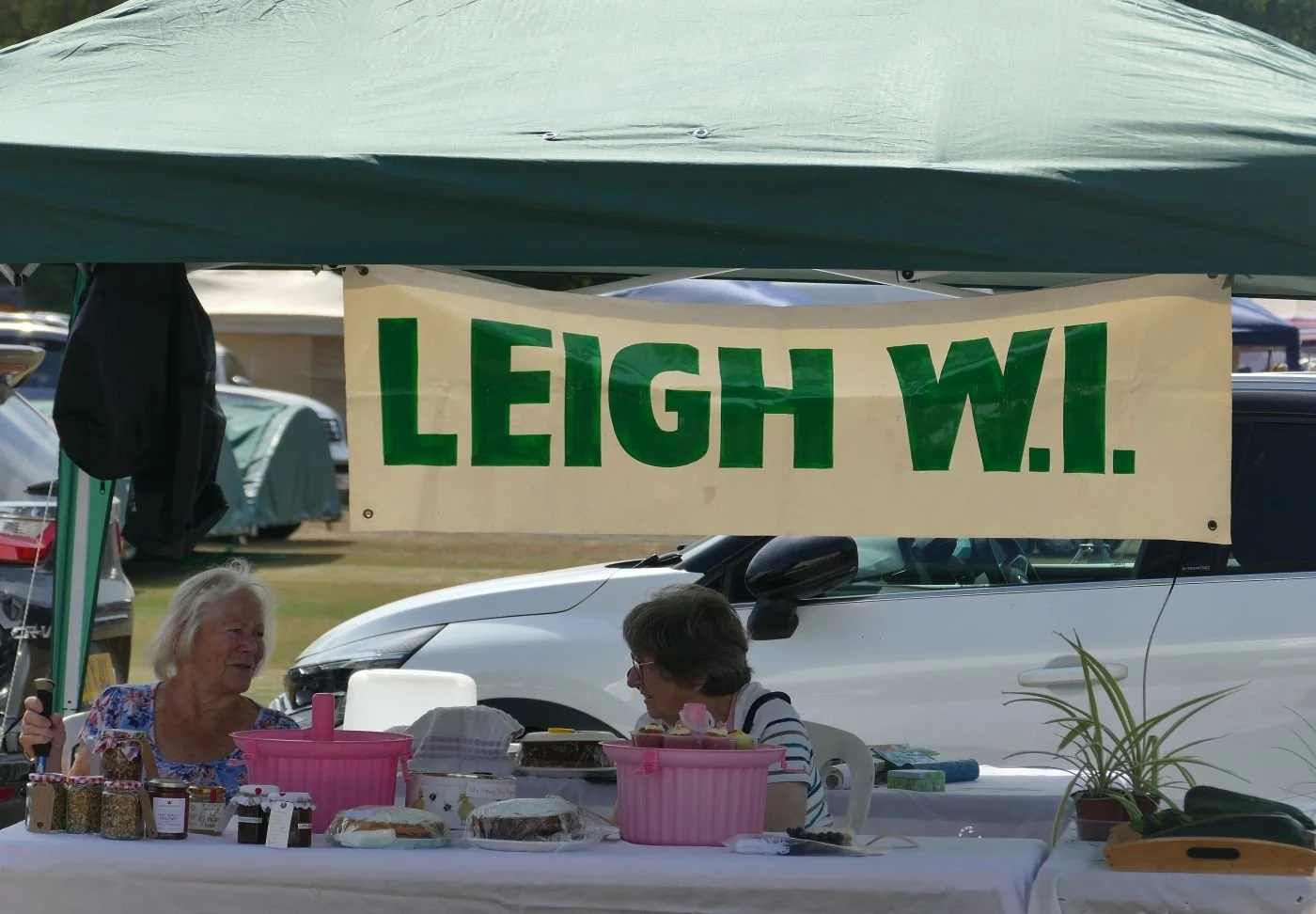
Tradition is still important however. What is a village fair without horses, however small, the WI and charitable fund raising? Although these days, members are probably as, or more, important than cold cash to local organisations.
Surrey is home to huge number of road vehicles but is still largely agricultural in terms of acreage. No doubt former fairs displayed, and certainly modern agricultural fairs delight in showing, the very latest technology in food production. Today, however, your average town and village dweller prefers to indulge in historic vehicles and ‘do you remember those’ moments.
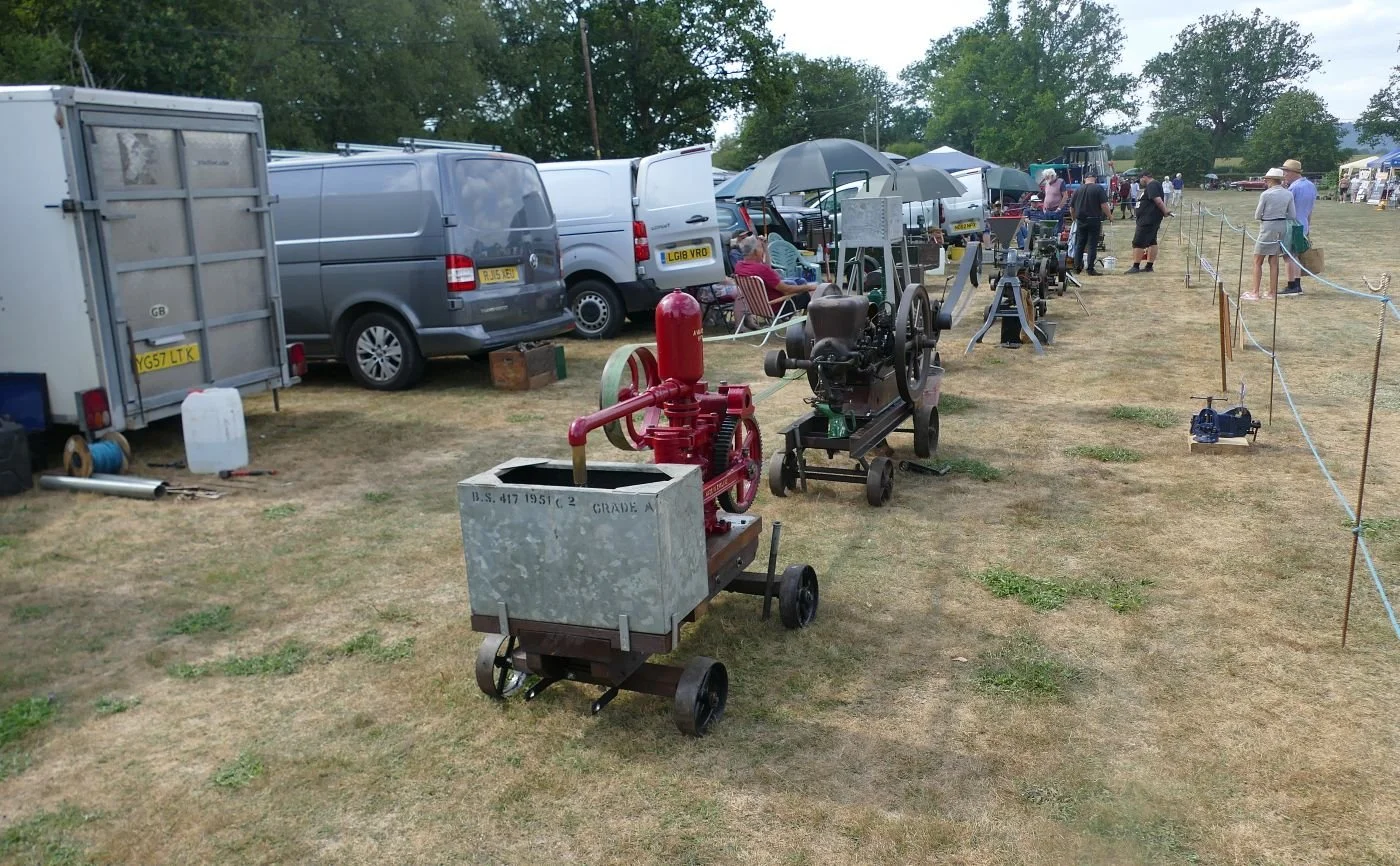
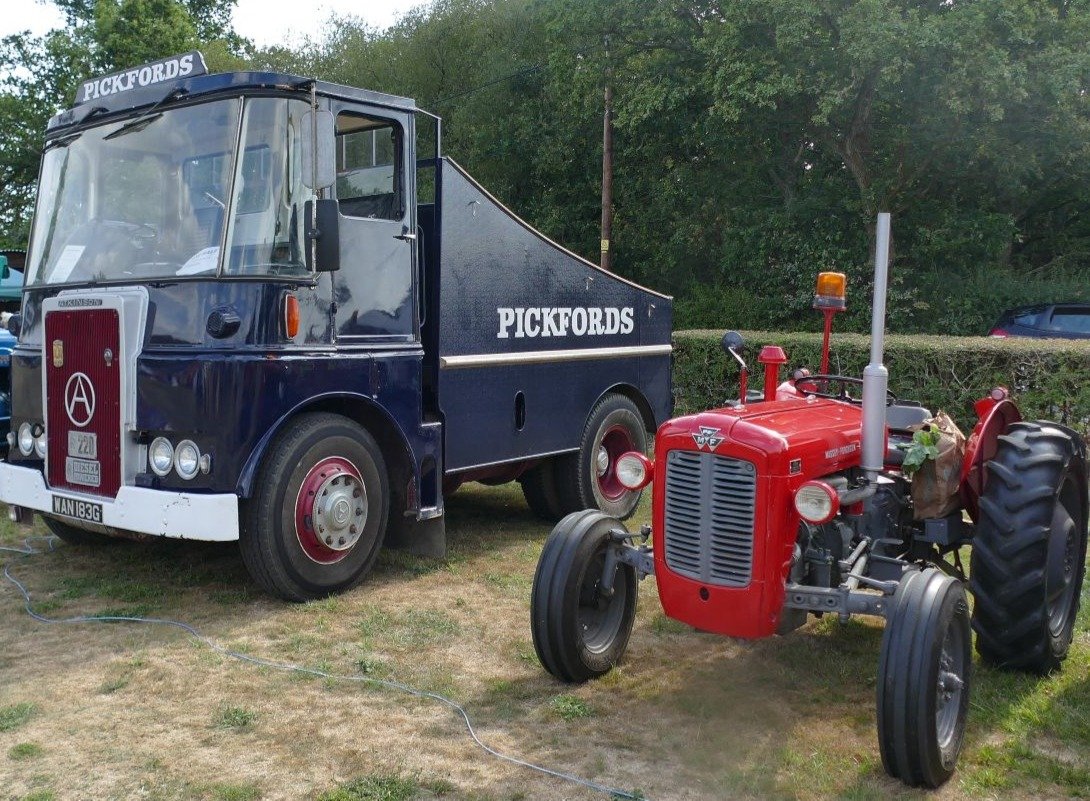
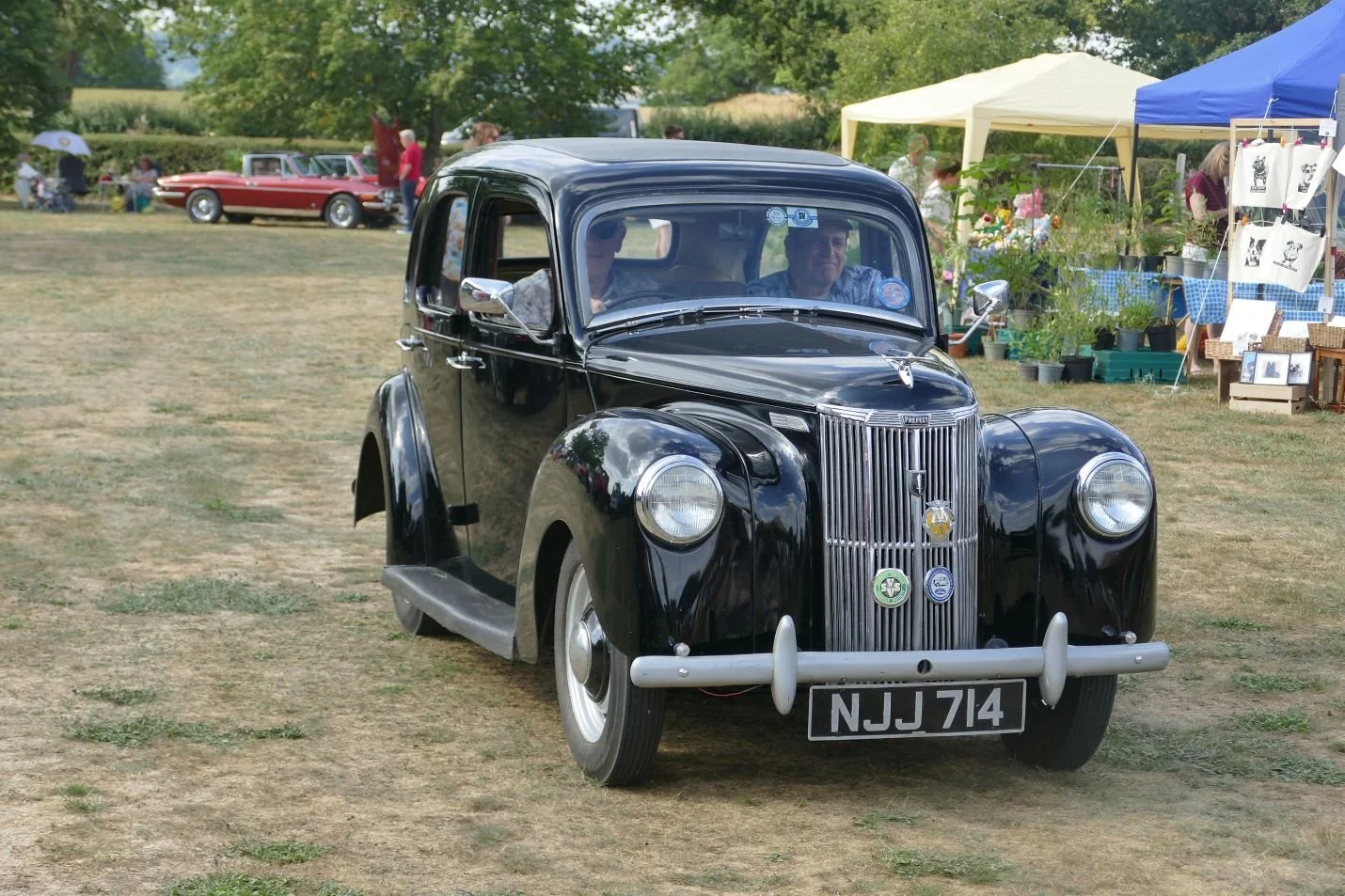
There is entertainment - modern or hilariously pastiche - and the all important tea tent…
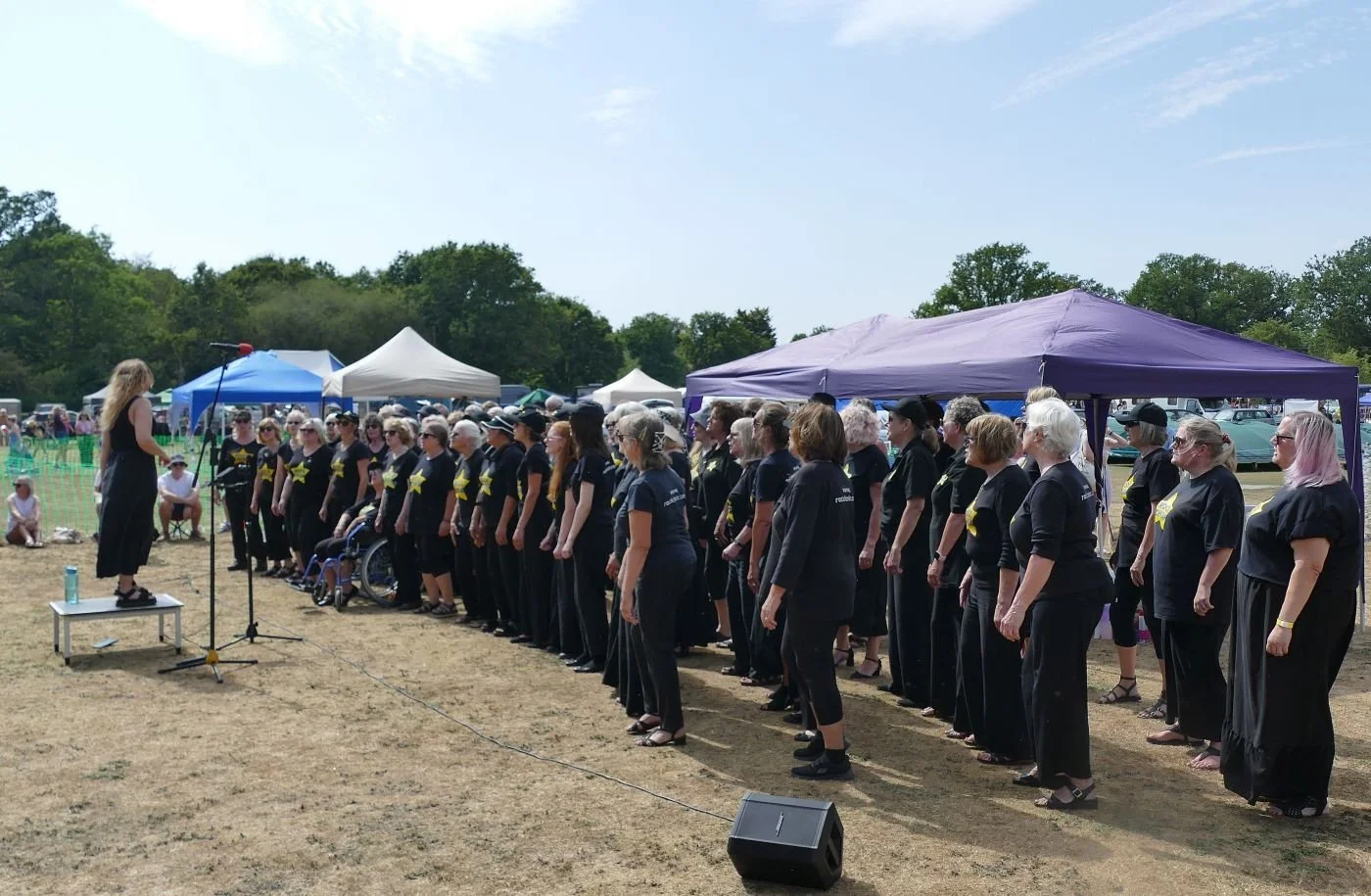
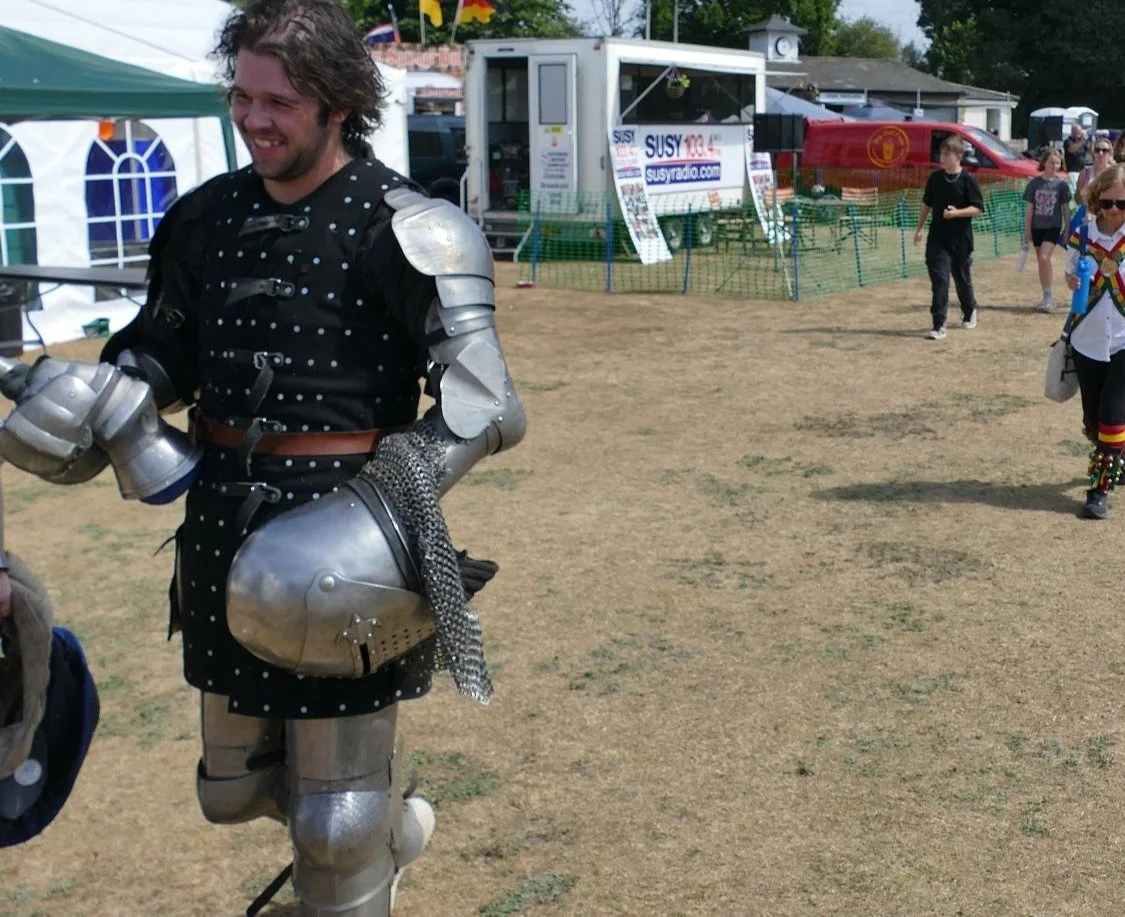
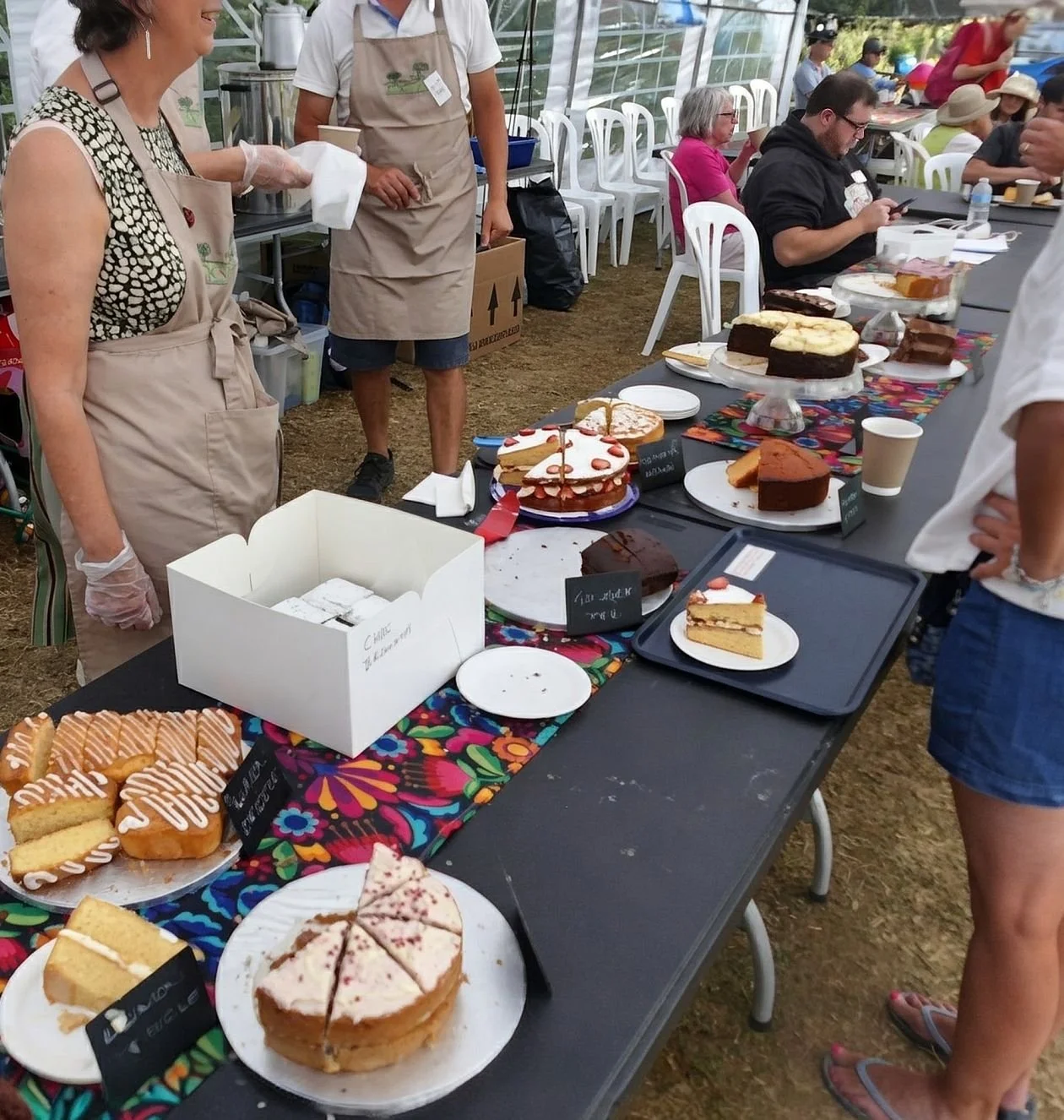
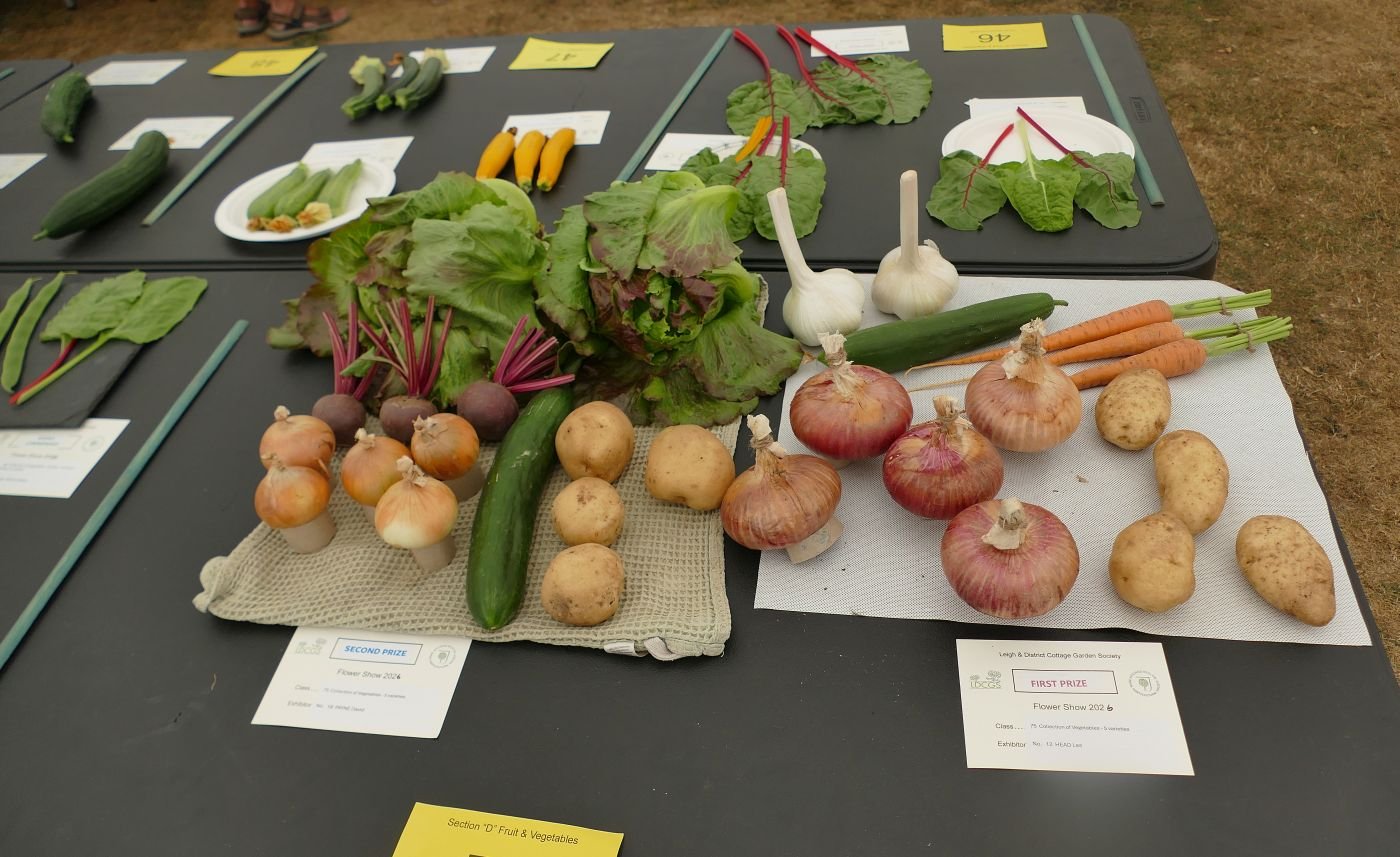
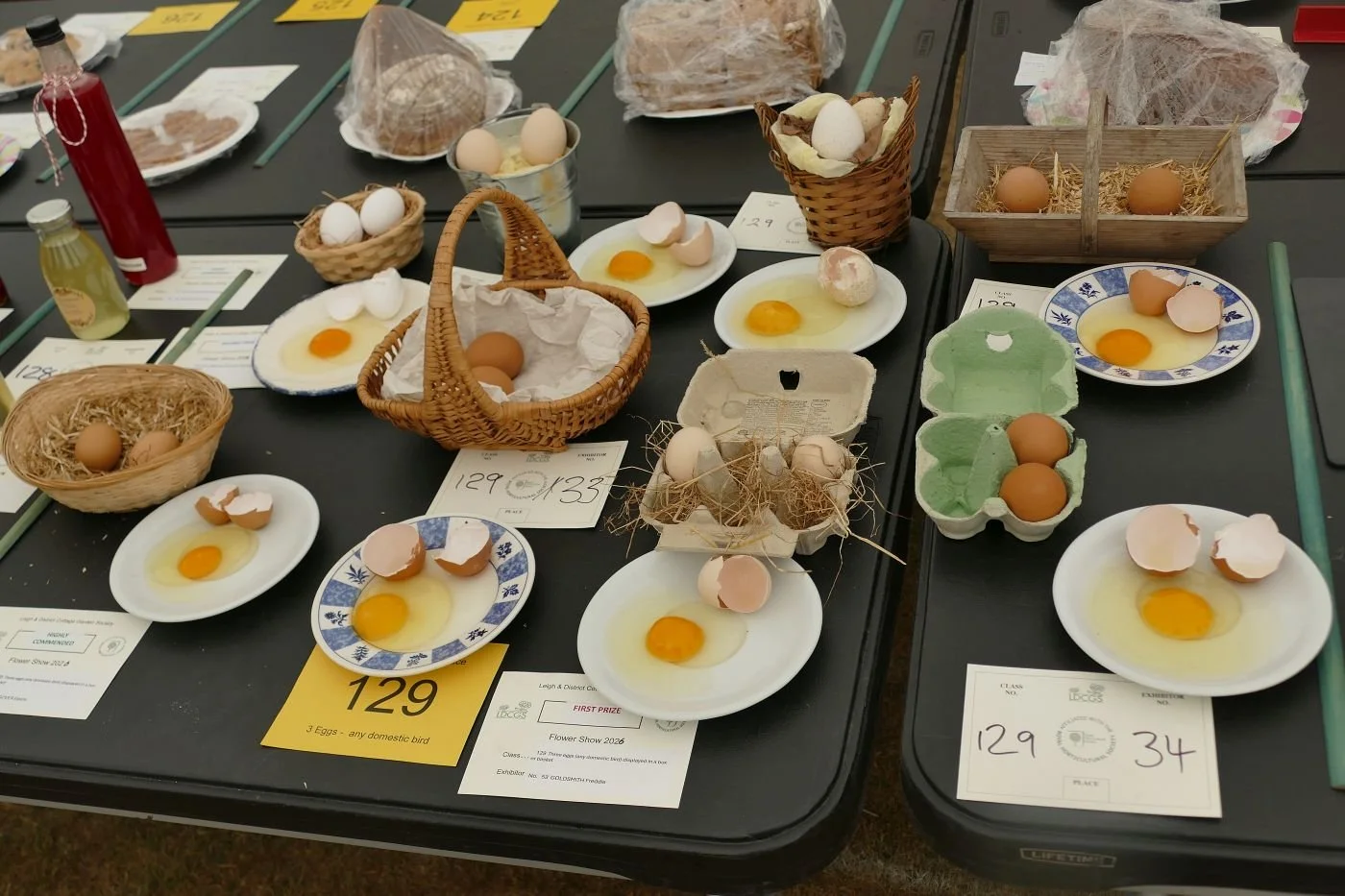
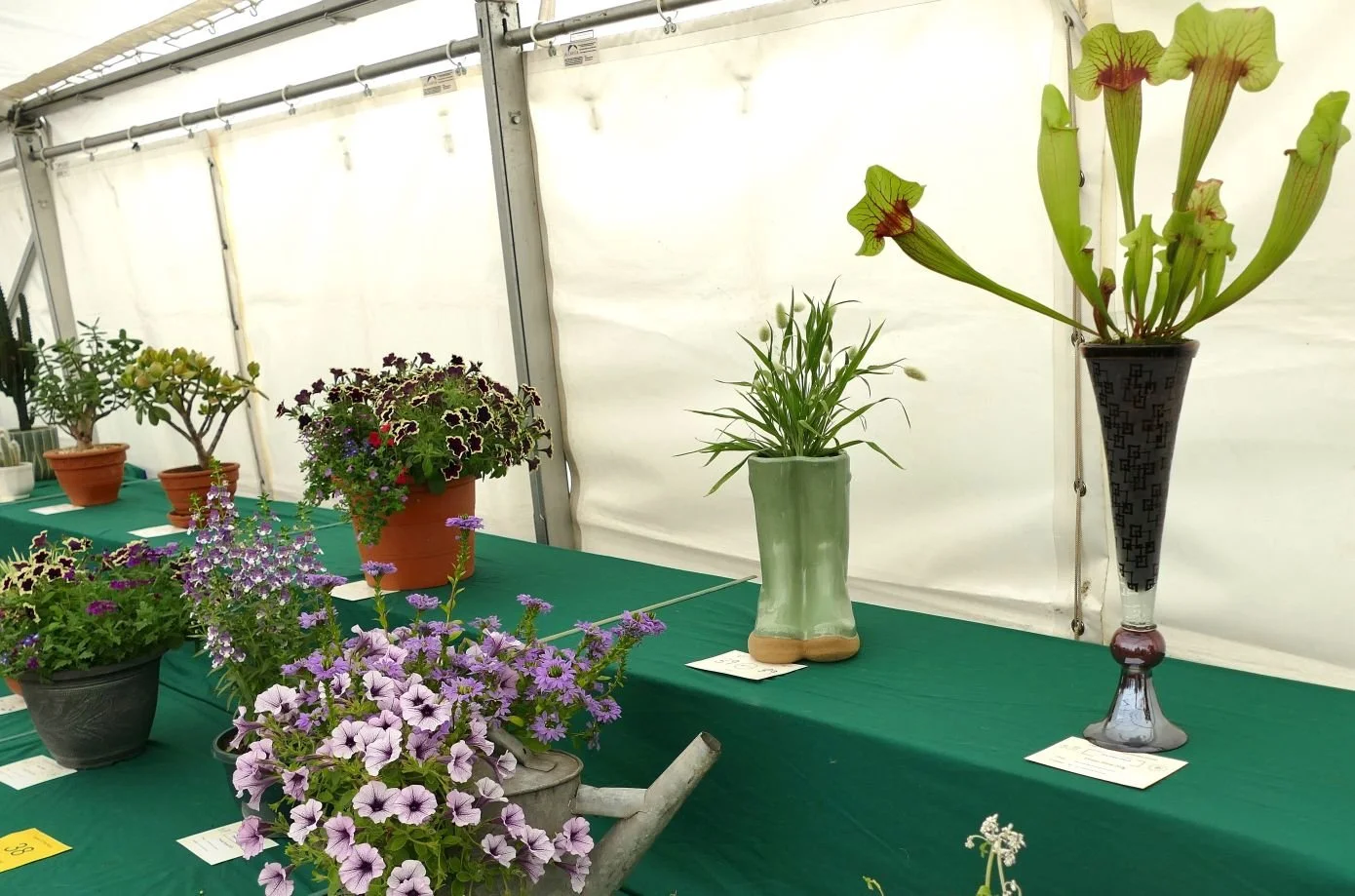
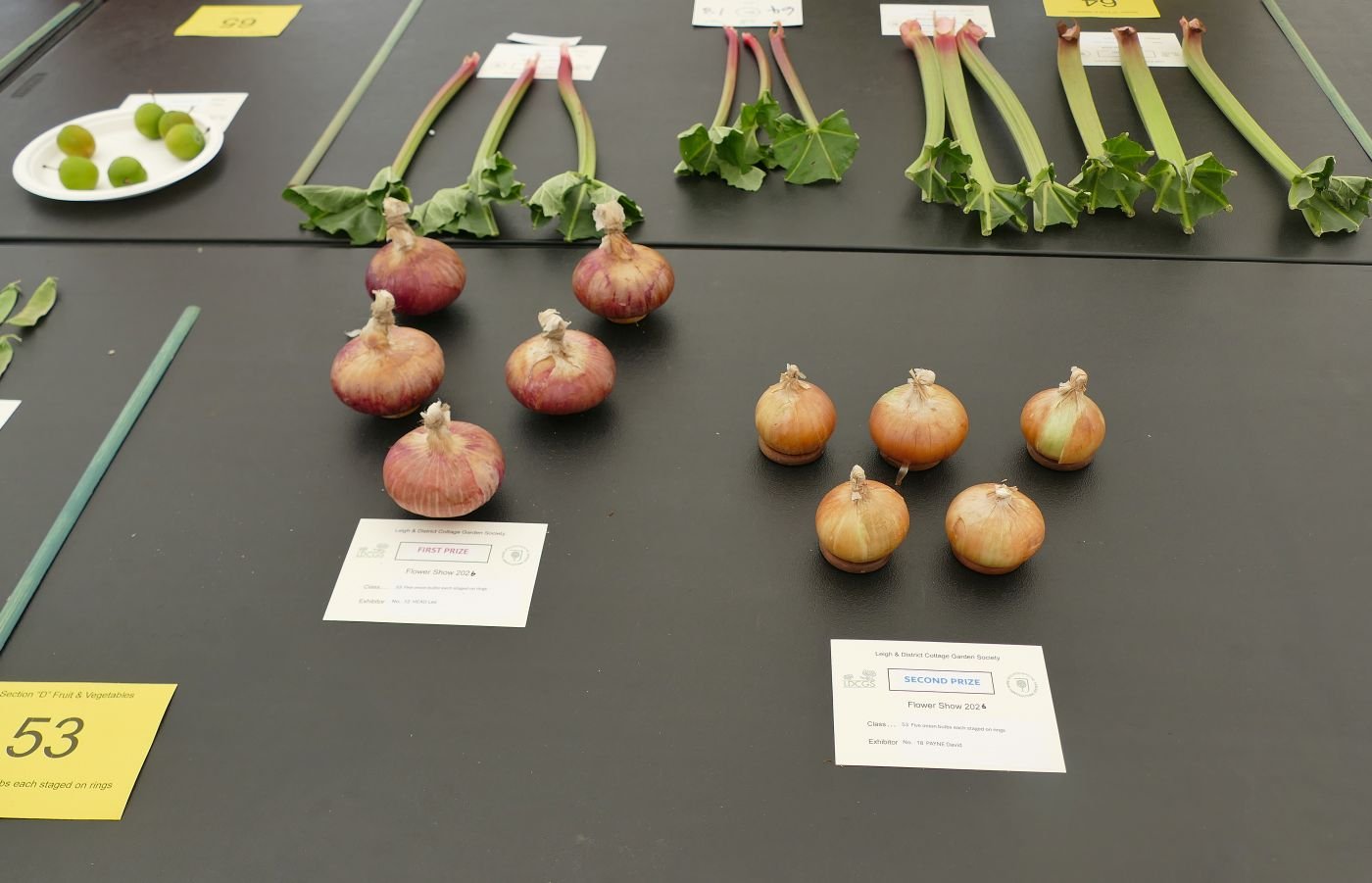
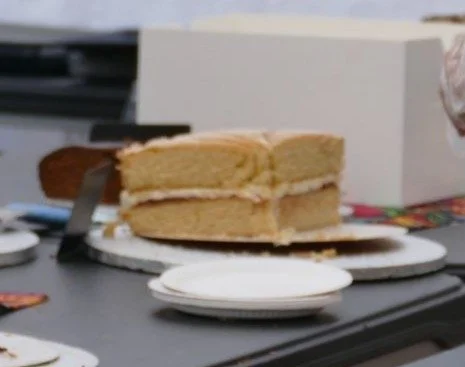
But best of all is the greatest and oldest tradition of competitiveness. The best strawberry jam, the largest veg and - queen of the fair - the very best Victoria Sponge. It was surely like this throughout history (although we presume that the Victoria Sponge only made and appearance in the 19th century; was it all about scones before that?). Competitiveness was still going strong in Terroir’s childhood and it still takes up significant time, effort and space in every self respecting village fair or fête.
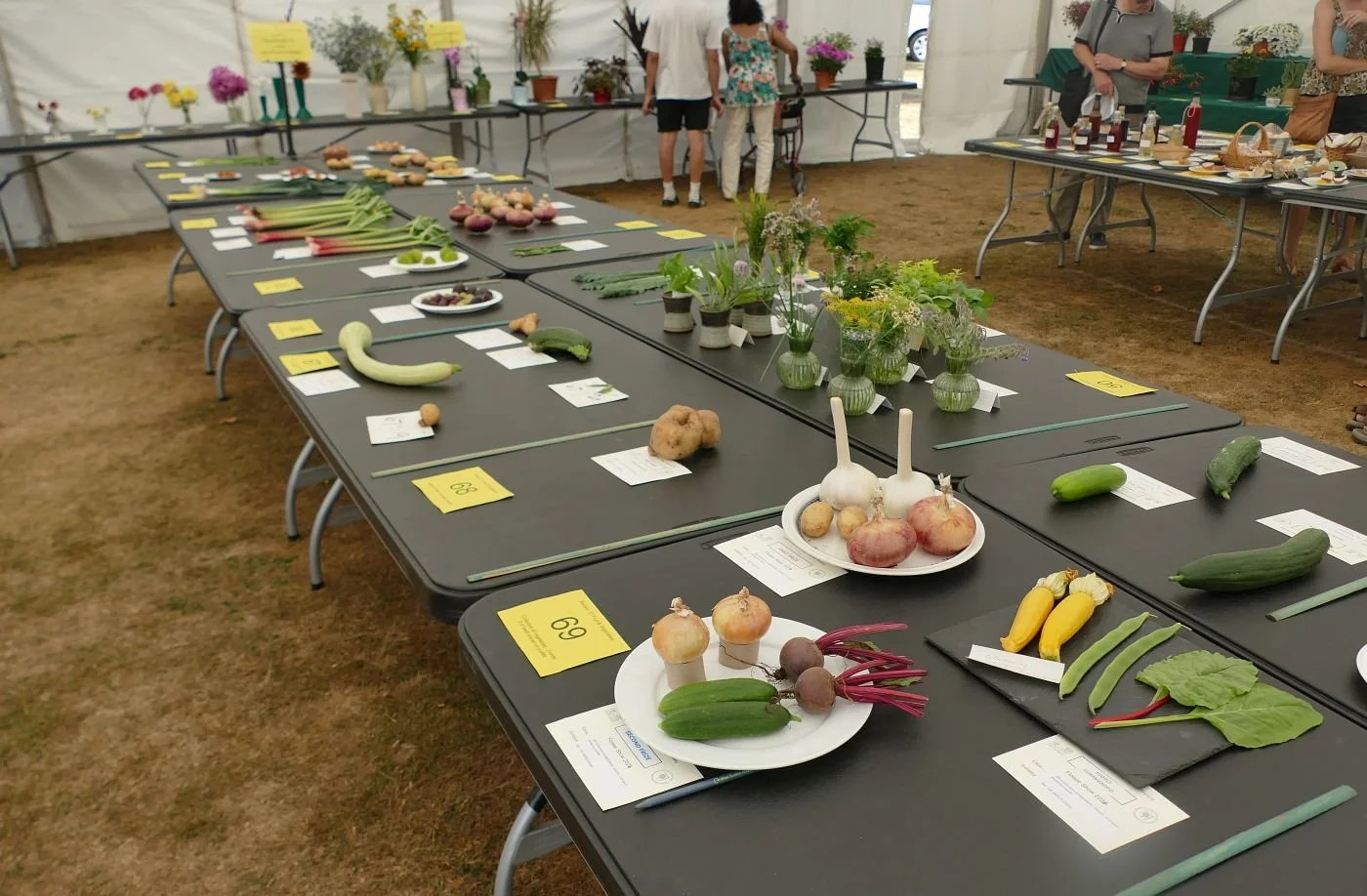
It was a grand day out, but please, all you social scientists and oral historians, don’t forget to record how fairs (and life generally) have changed over time and whether
we are any good at
“Preserving the old ways from being abused
Protecting the new ways, for me and for you“