‘Bombturbation’
Early childhood holidays for Terroir were a mix of bucket and beach, and historic ruins. As we grew older and more tolerant, historic houses (complete with ceilings and historic furnishings) were added to the mix. These latter were, however, more expensive to visit than your classic abbey remains (often still labelled as managed by the Ministry of Public Building and Works), and our bias was still towards the Norman Castle ‘history without a roof’ type of expedition.
On this basis, battlefields were usually well within our budget and gave endless opportunity for parental discussions on who did what to whom and when. To one of us (the youngest of the family) battle fields often appeared flat and featureless and, with no realistic knowledge of warfare, impossible to people with the ghosts of former users. Thus, stately gardens with homes would rate more highly in the holiday visiting stakes.
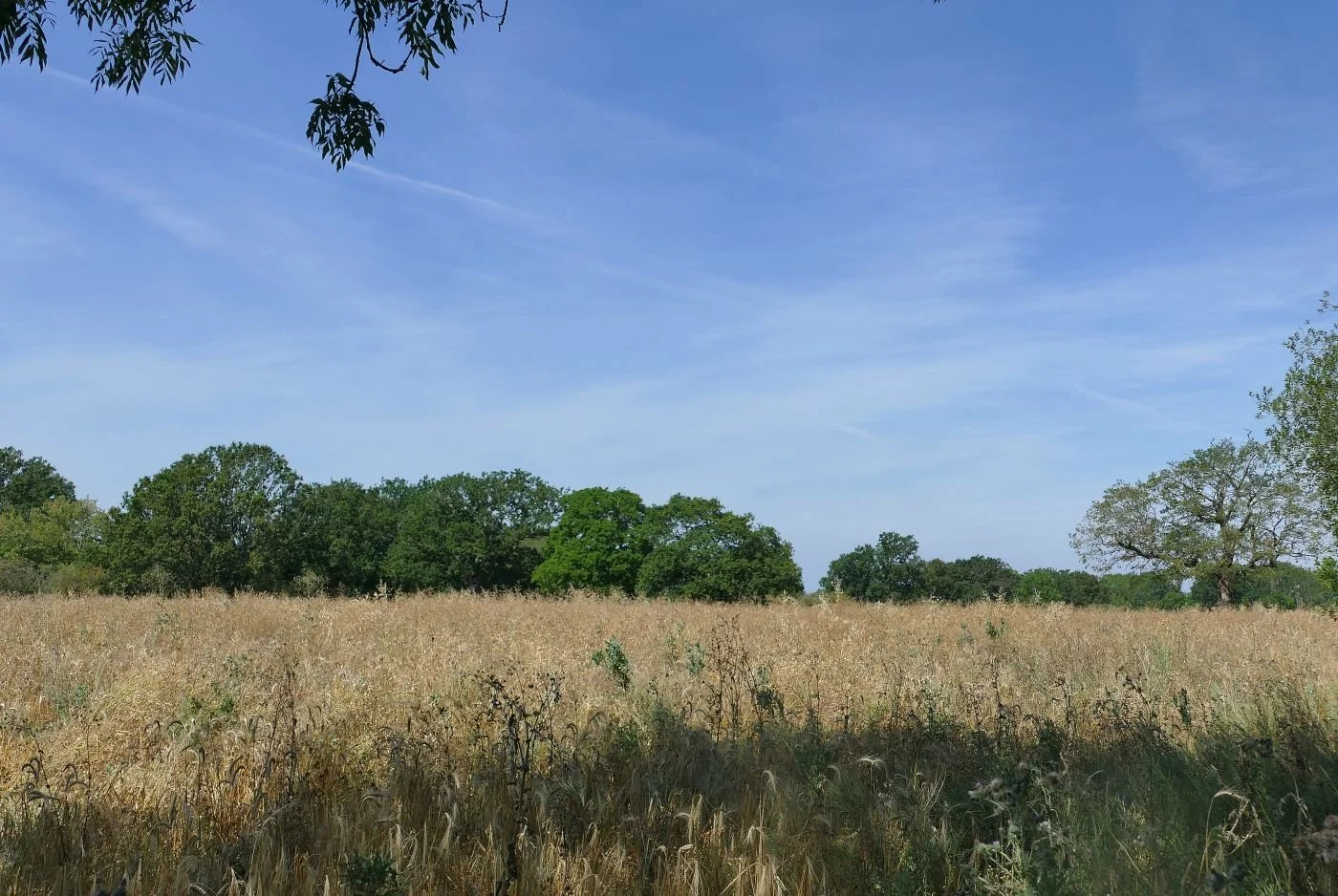
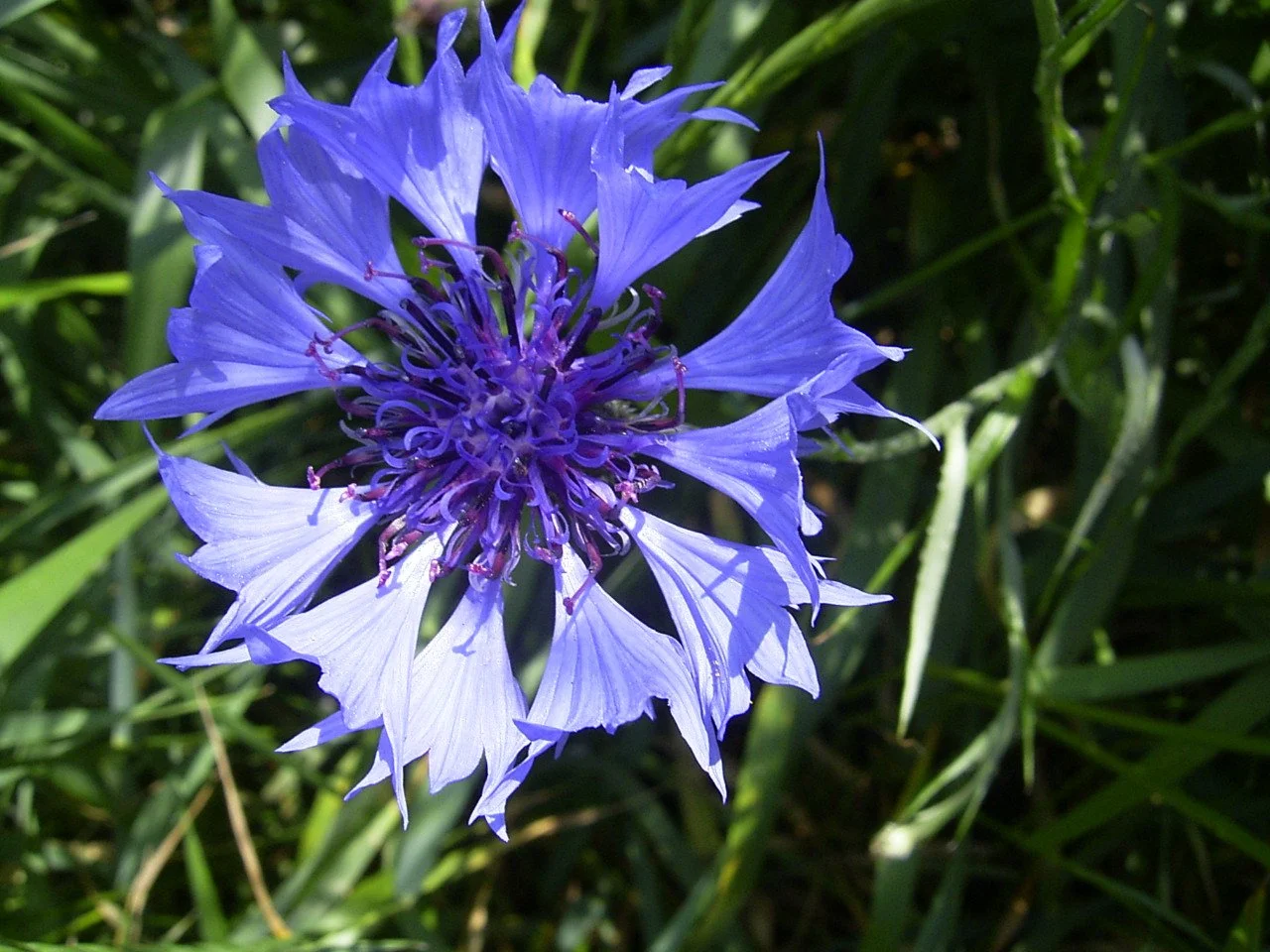
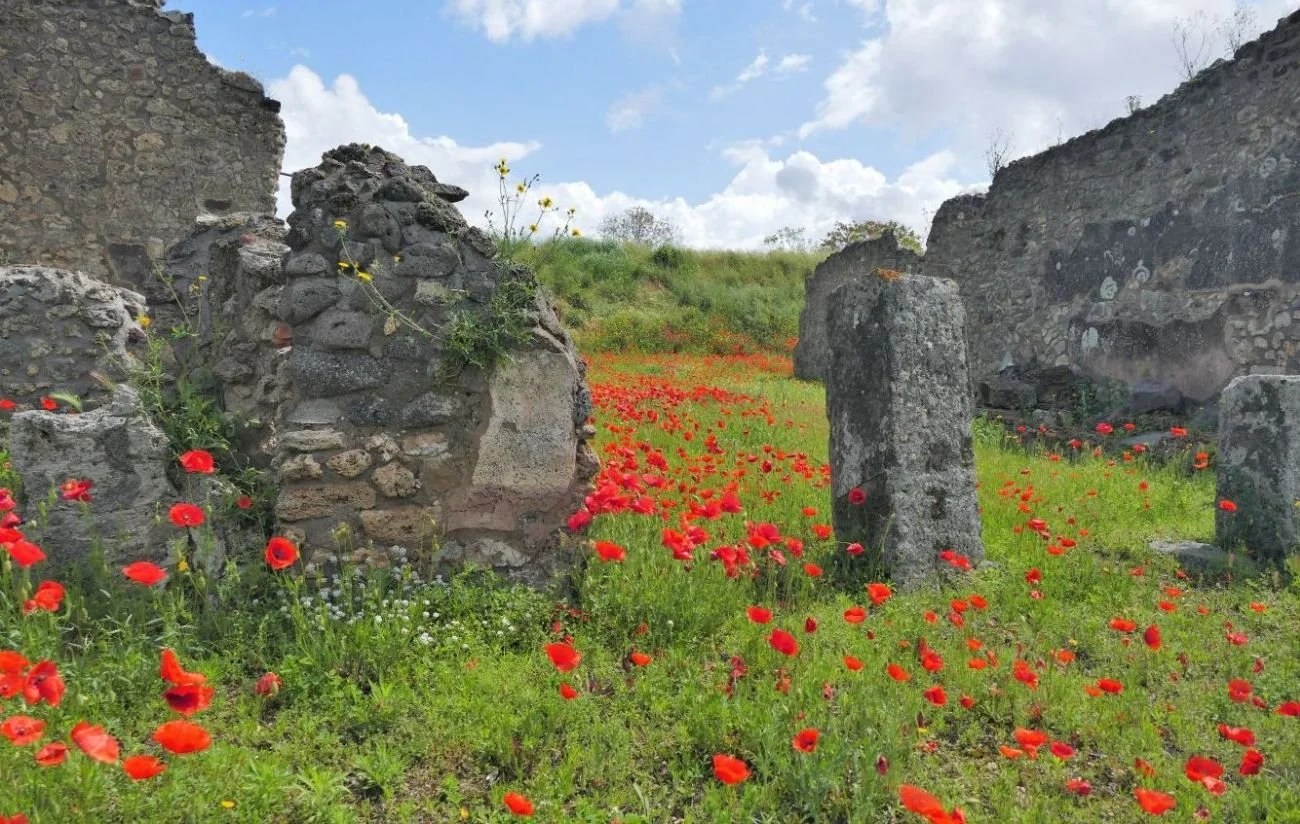
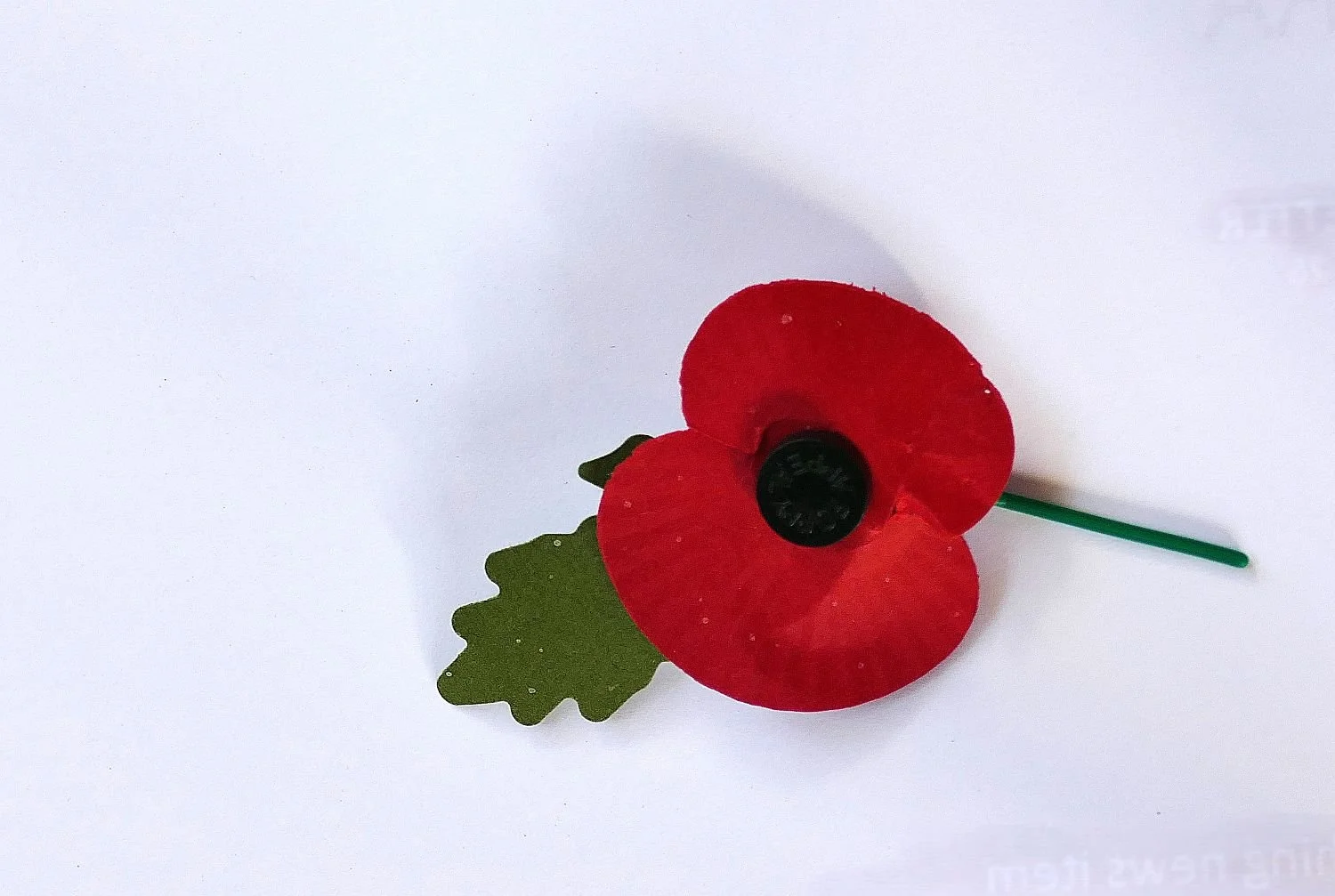
For one of us, ecology is a passion. But it was the Remembrance Day poppy (Papaver rhoeas) which got us interested in battlefield ecology. What an amazing symbol: the bright, blood red poppy spattered in abundance across the disturbed soils of WWI battle fields. It was also a memory of what had gone before: the peaceable, low tech, arable cycle, with annual tilling, ideal for opportunist annuals to thrive in the disturbed ground at the edges of fields. Here were the blue corn flower, the yellow corn marigold and, of course the poppy with all its illustrative names: common poppy, corn poppy, corn rose, field poppy, red poppy and finally, Flanders poppy. And so, in 1920, the common, blood red, annual, weedy poppy became the symbol of remembrance so that all those who survived or came after could remember all those who had been lost.
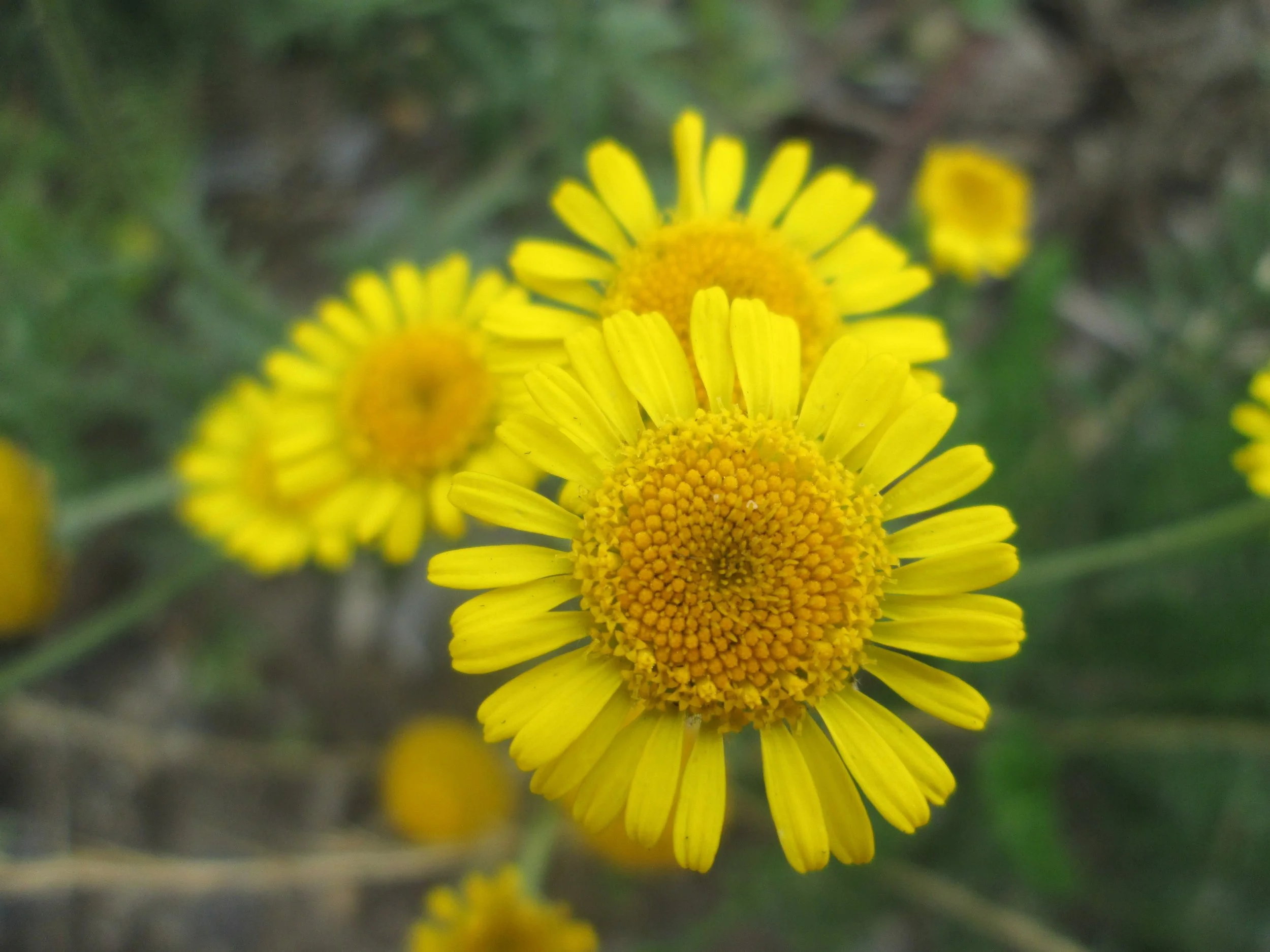
Images: Corn marigold: By TeunSpaans - First upload at nl.wikipedia 9 jul 2004 14:56, CC BY-SA 3.0, https://commons.wikimedia.org/w/index.php?curid=63410
Corn flower: By AnRo0002 - Own work, CC0, https://commons.wikimedia.org/w/index.php?curid=70008542
Public Domain, https://commons.wikimedia.org/w/index.php?curid=582710
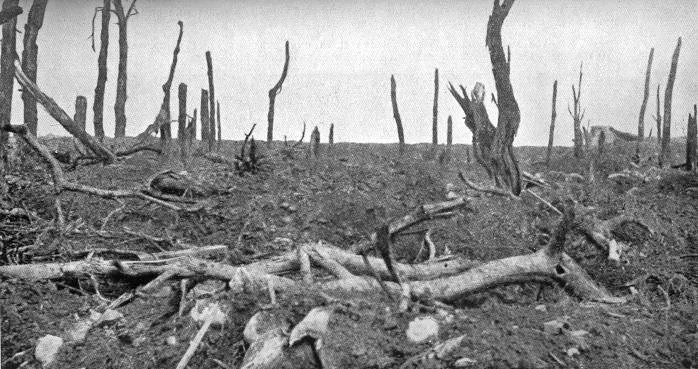
The First World War battle fields were also symbolised by other landscape features, particularly the bleak silhouettes of shattered, leafless trees. What became of them? Did they survive? Has anyone studied them? A ten year old oak in 1916 would only be 110 years old today.
Image right: Public Domain, https://commons.wikimedia.org/w/index.php?curid=582710
When the armistice was declared, what happened to the terrible topography of trench and shell crater, of redoubts and salients? What crops did these places eventually grow once it was safe for farmers to return?
Archaeologists have carried out a great deal of work on these battlefield sites, recovering a huge variety of historic artefacts - bones and badges, arms and ammunition, and much more. There also seem to be many books on post-conflict battlefield landscapes, or texts on modern heritage management of battle sites. But we have found little research on the impact that fallen bodies, or the spent ammunition, had on, say, soil pH or ability to grow palatable crops. Where is the work on battle field ecology?
Back in March, we started a trilogy of blogs on King Richard III. The first episode, entitled – ‘Richard III - A Landscape’ (Blog 179) majored on roses and his burial sites in Leicester. At the time, it was cold and raining (circumstances which now seem unimaginable), but we promised you a visit to Bosworth Field – the site of the battle where Richard lost his crown and his life – when the sun was shining. As you all know, the sun shone a lot in July so we made that visit covered in sunblock, sporting large brimmed hats and weighted down by water bottles.
We also said we would let you know if Bosworth Field Heritage Centre is worth a visit and, yes, it is because: it is located in a former farmyard which has been fairly sensitively restored and converted, it has a moderately interesting museum, it has an excellent café in a tithe barn which has been rescued and re-erected from elsewhere and, particularly on the day of our visit, there was a spectacularly pleasant and helpful member of staff (not the chap illustrated below left) who went out of her way to assist us and answer all our questions.
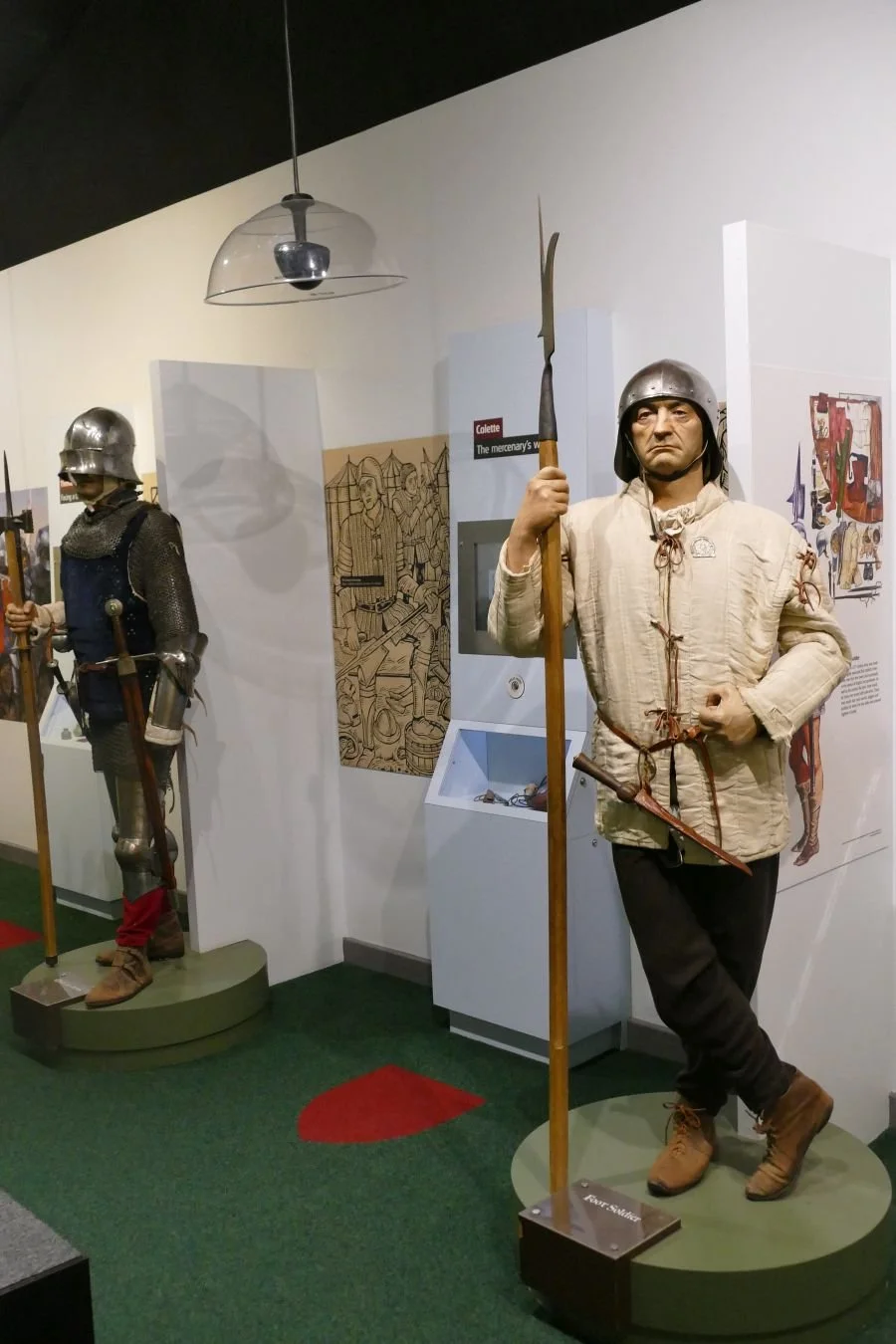
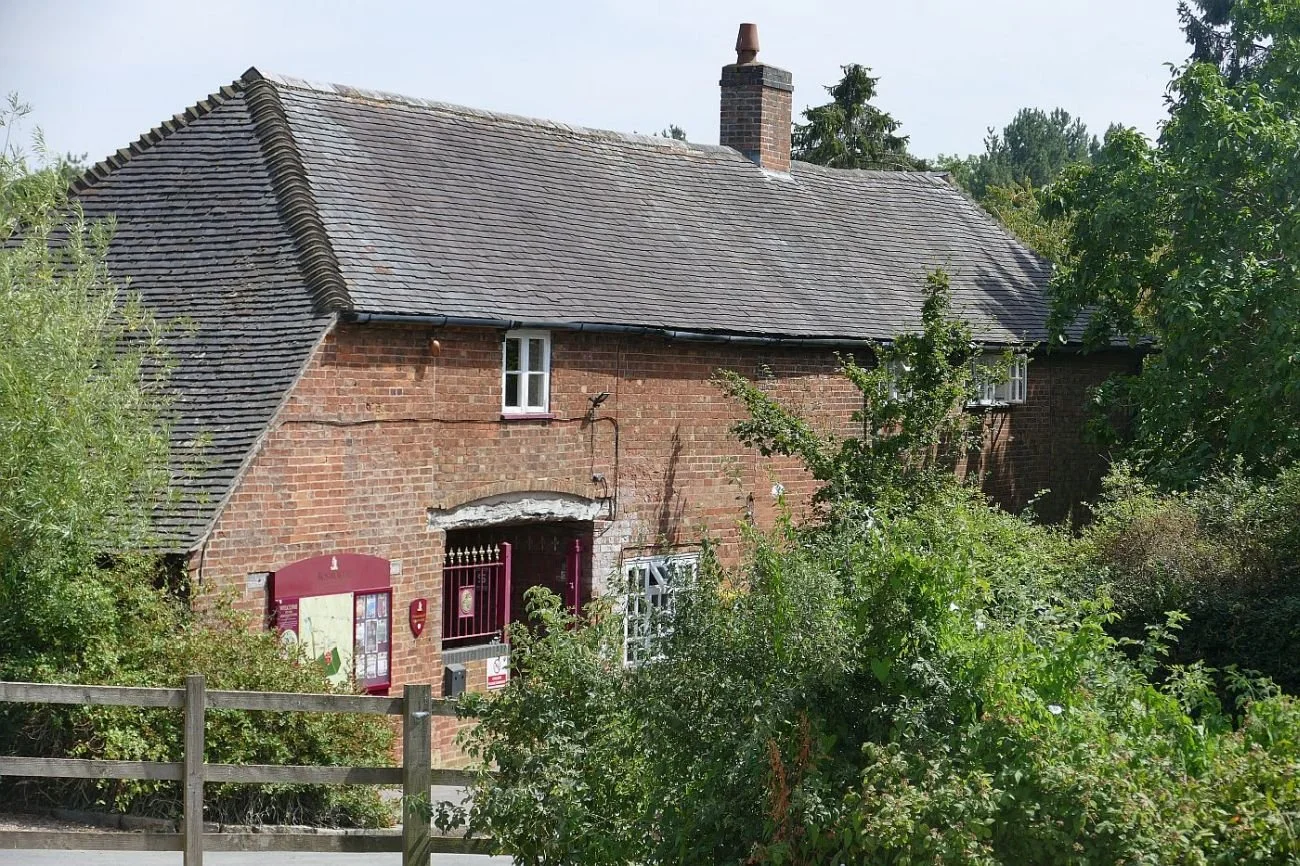
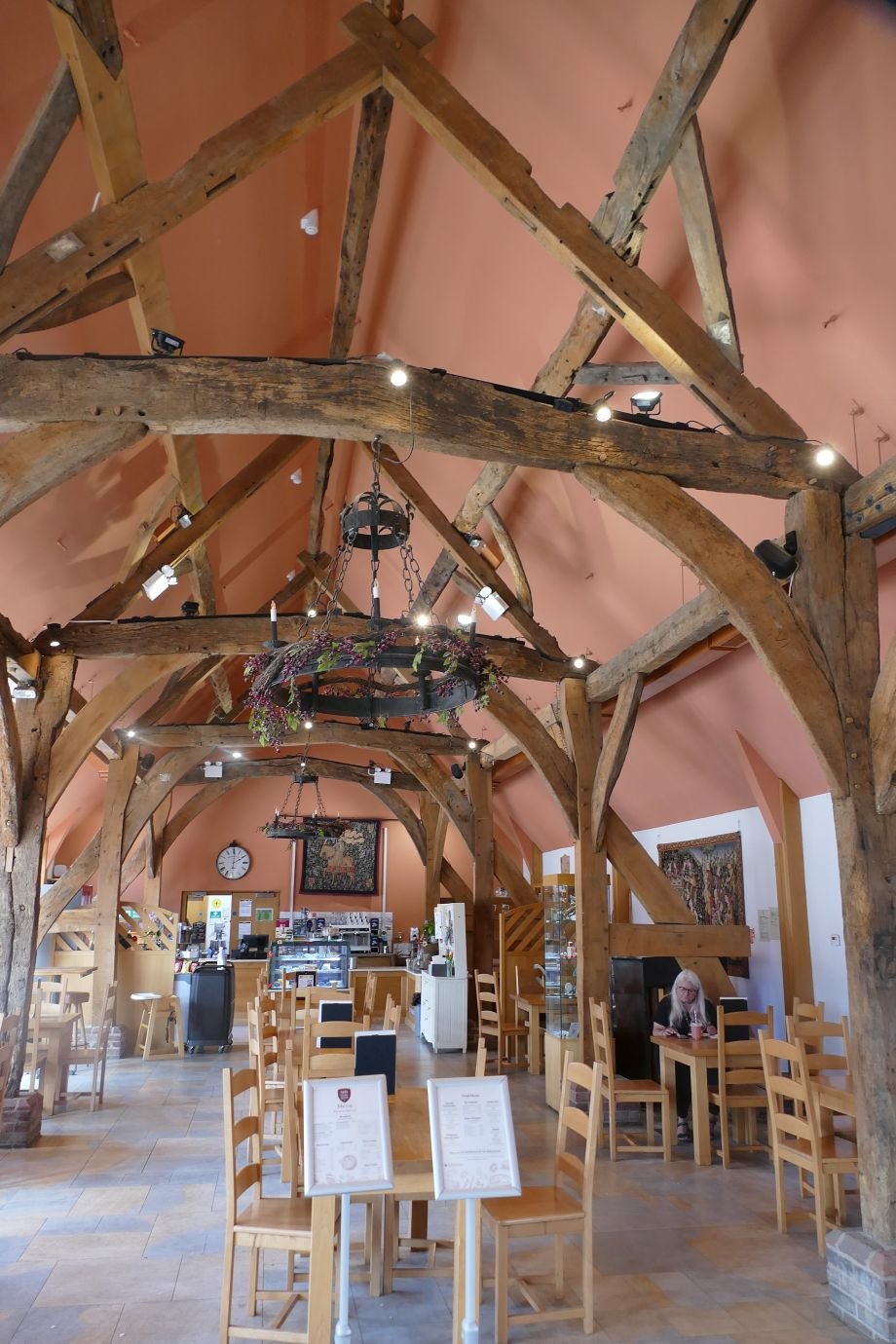
The battlefield is also worth the trek. A Heritage Lottery funded project undertook serious research, including extensive archaeological investigations, which produced enough evidence to finally locate the actual – or probably actual - battlefield site. There are many local adults who went on school trips to what is now thought to be the wrong field. What is it about Richard III and dodgy locations?
The visitor Trail is laid out as a pleasant, well surfaced walk, with tourists outnumbered by happy dog walkers. An annual parking ticket provides all the battlefield visiting your dog could possibly want.
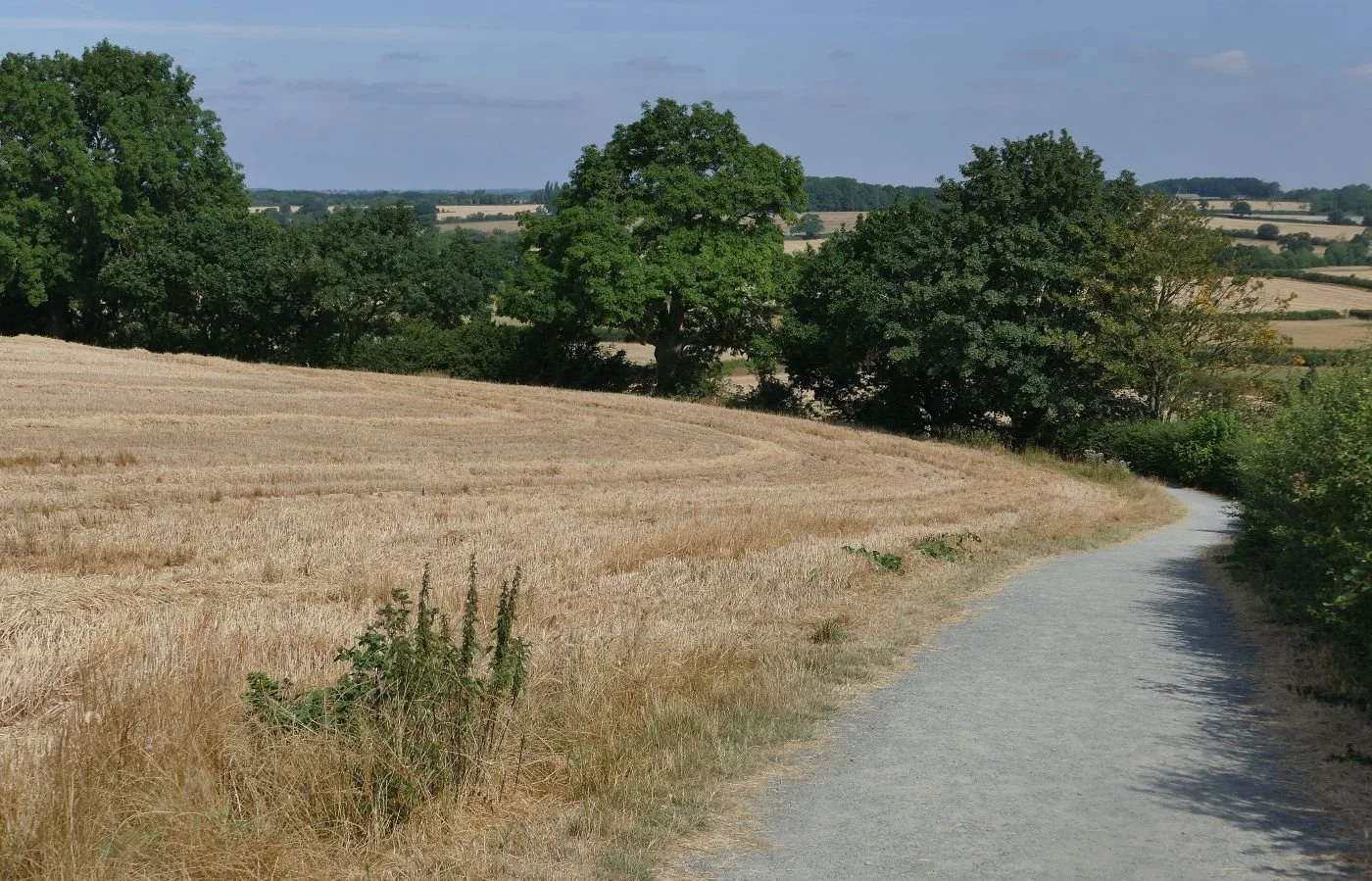
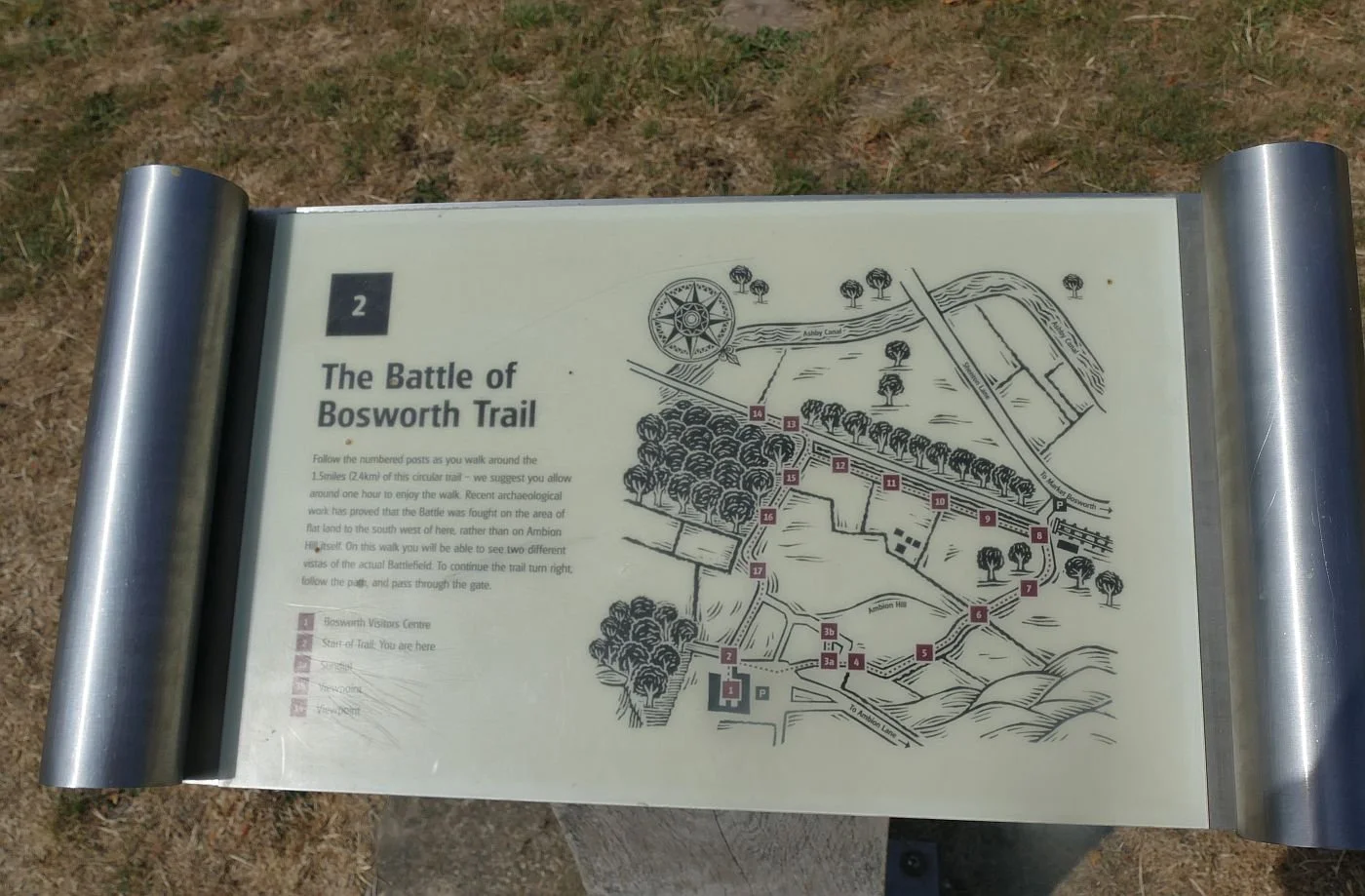
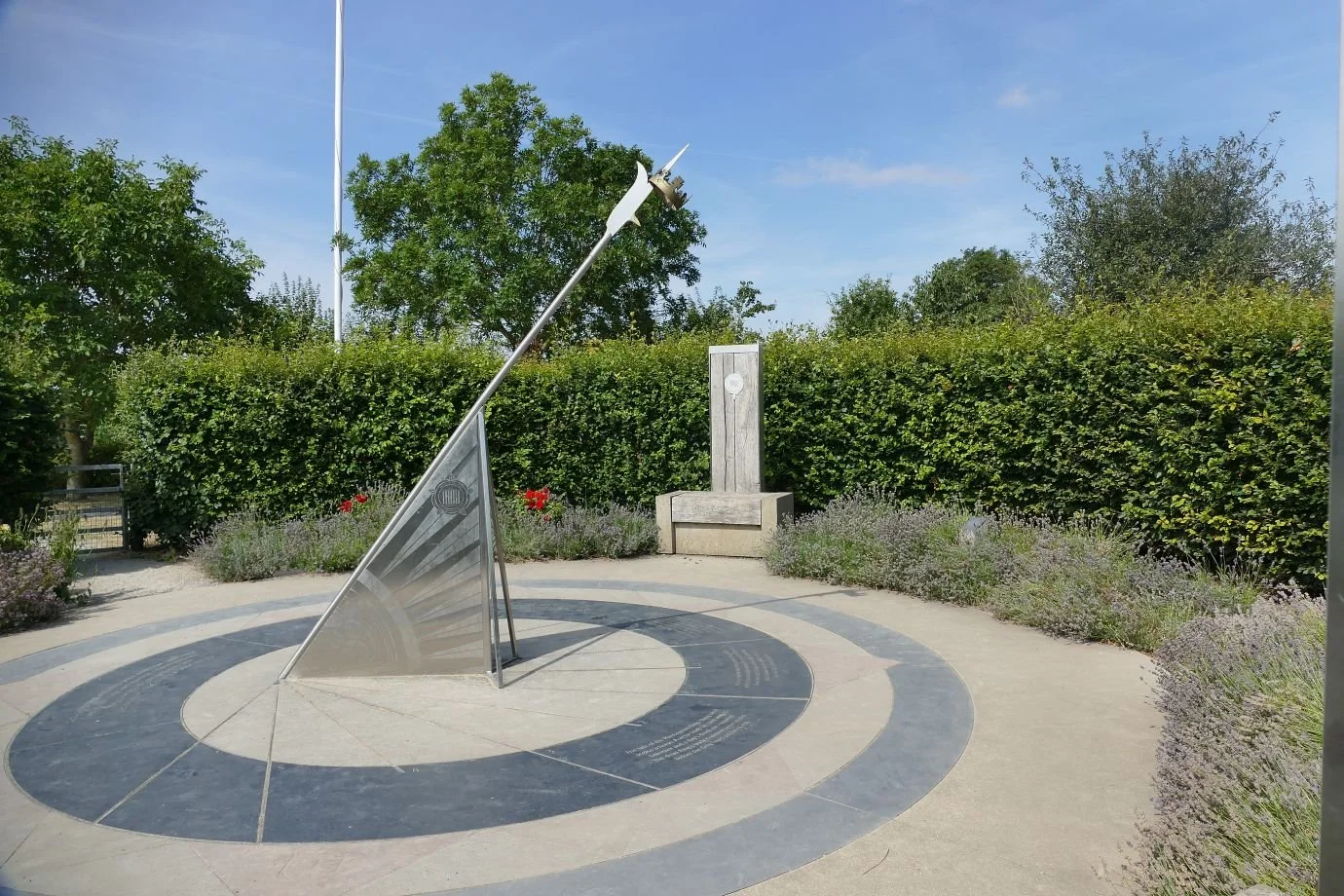
You start at a highpoint with more flower symbolism (below) and descend towards the marsh or fen, on, in and around which the battle is known to have taken place.
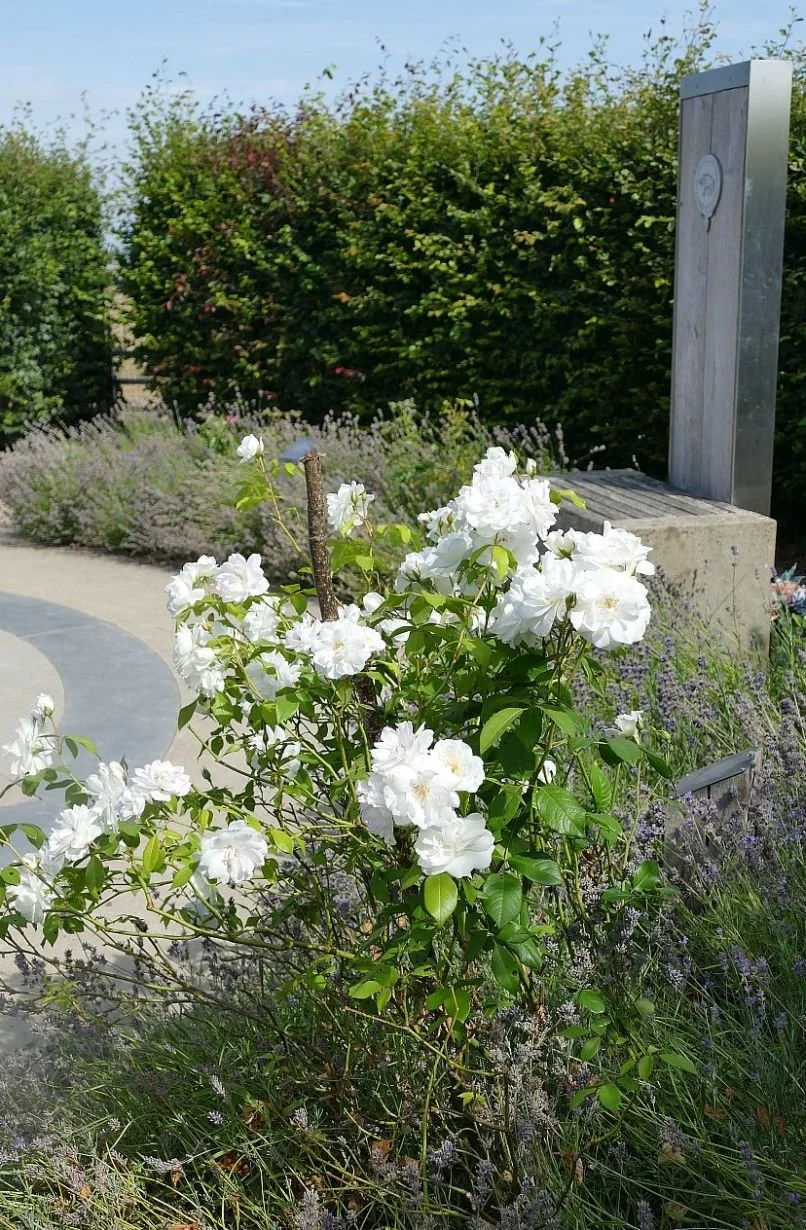
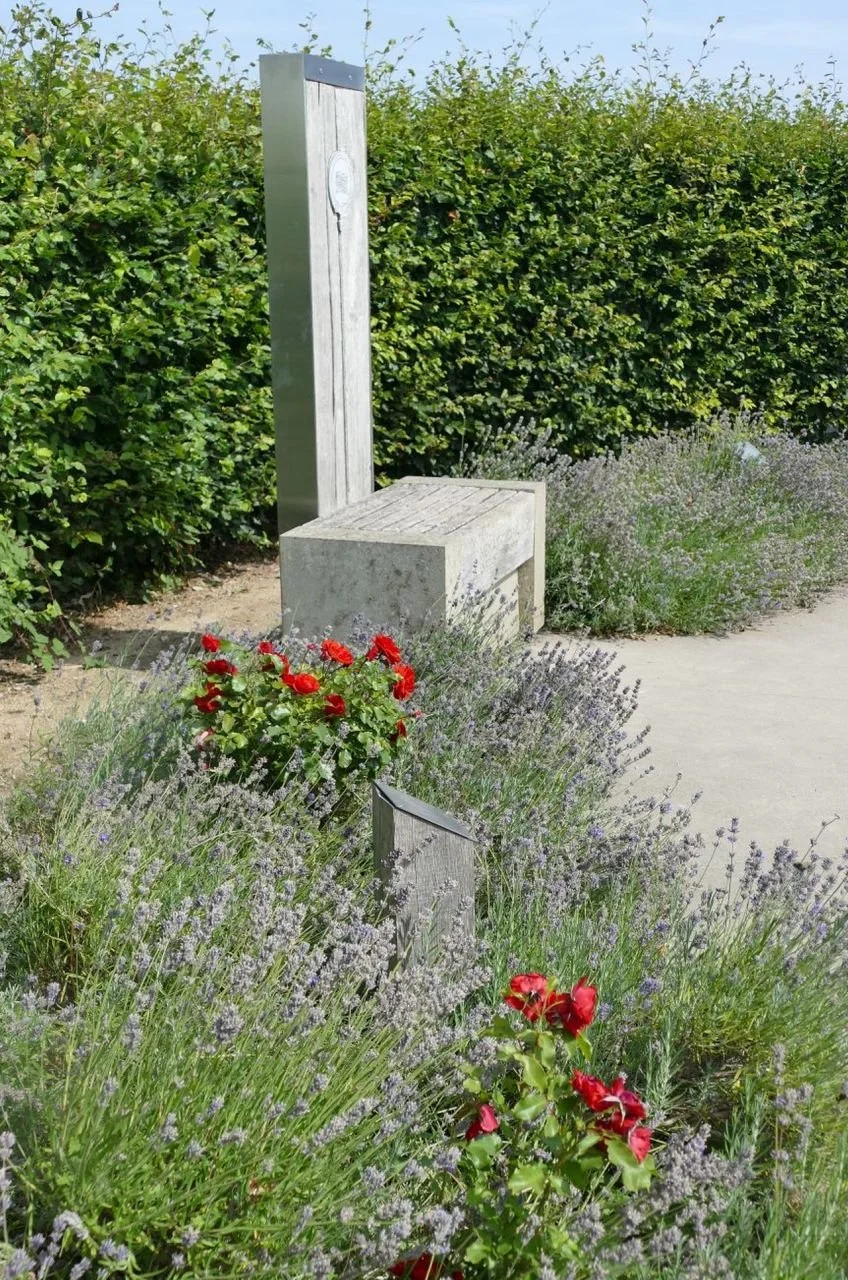
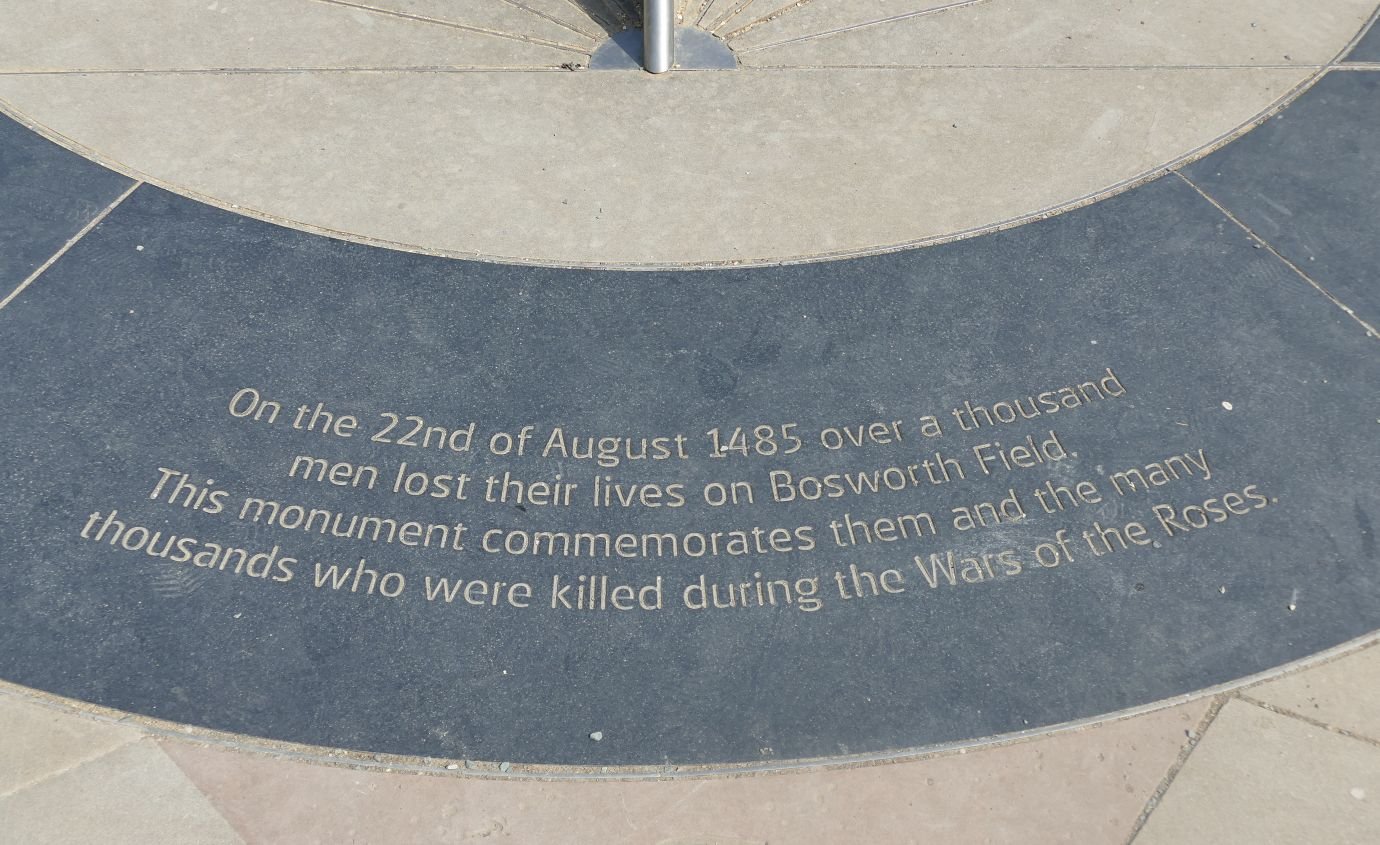
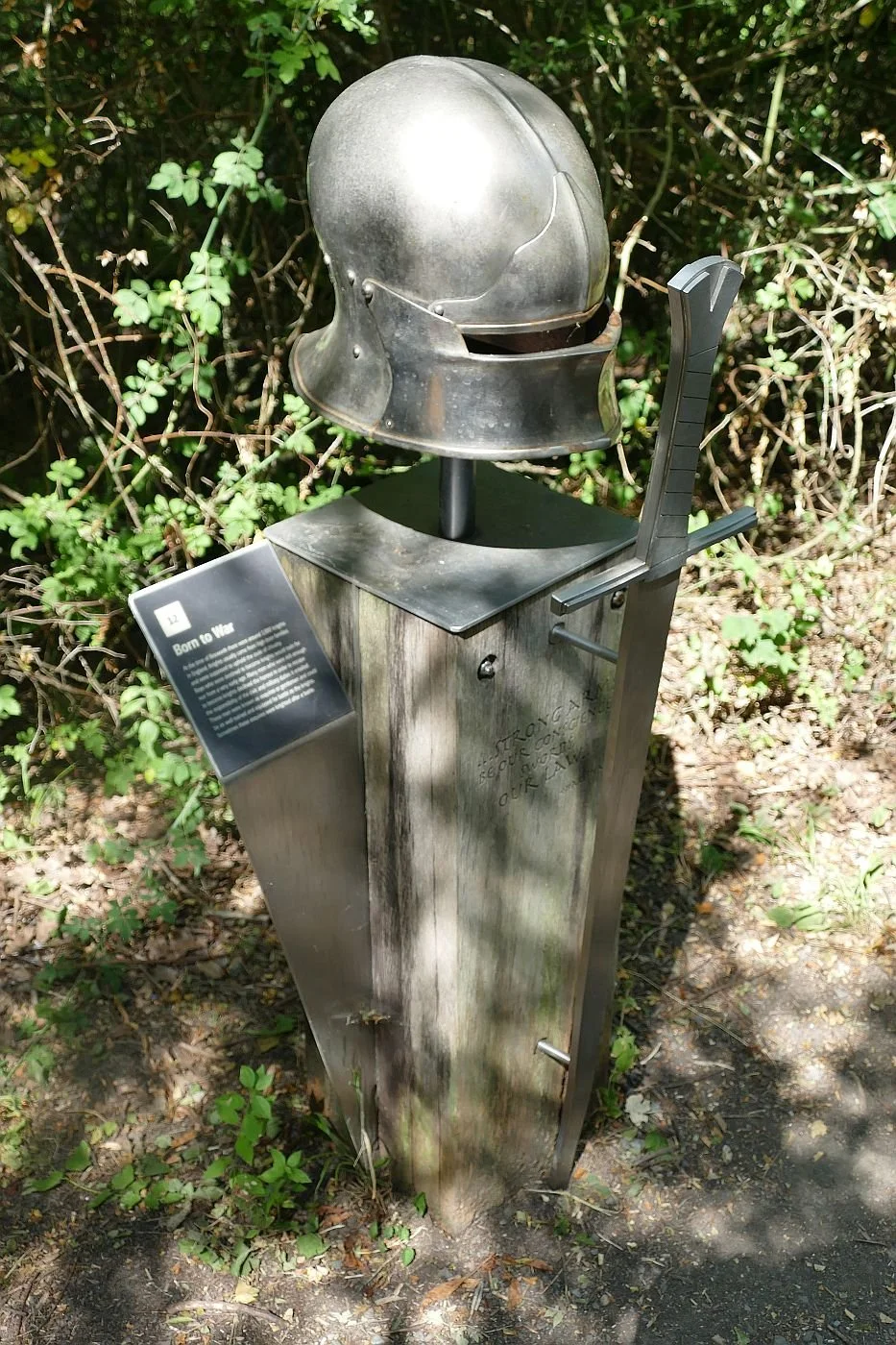
Interpretation is good, well presented, informative and with much designed specifically for children. It is assumed, and probably rightly, that heritage interpretation is not required for dogs. And, if you want an introduction to the landscape of the English Midlands, and the archaeology of the Battle of Bosworth Field then this is the visit for you. We particularly appreciated the image below right which has an interesting illustration of what the Medieval three field system might have looked like. The modern view, seen through the frame, is clearly a monoculture of an enormous single field.
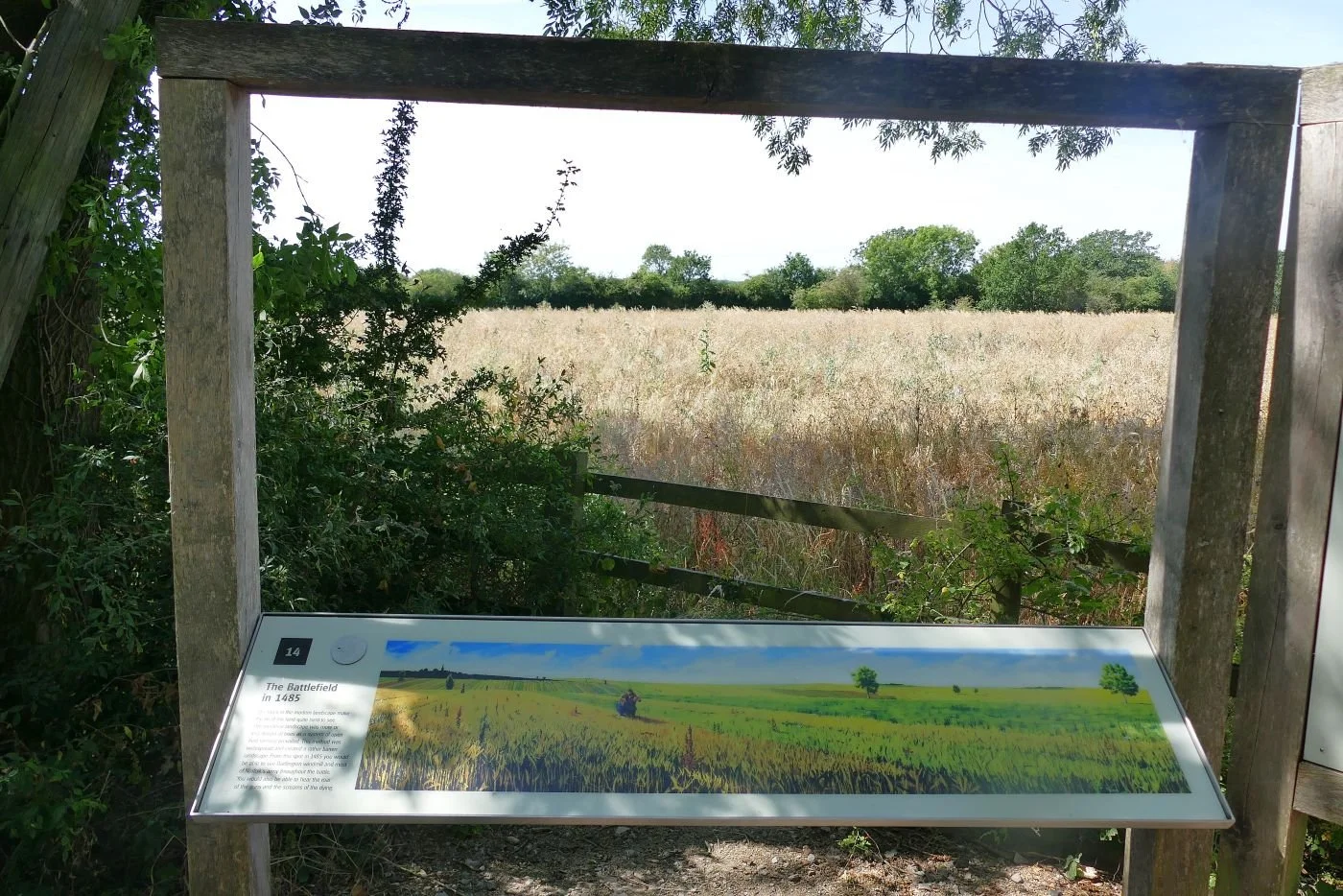
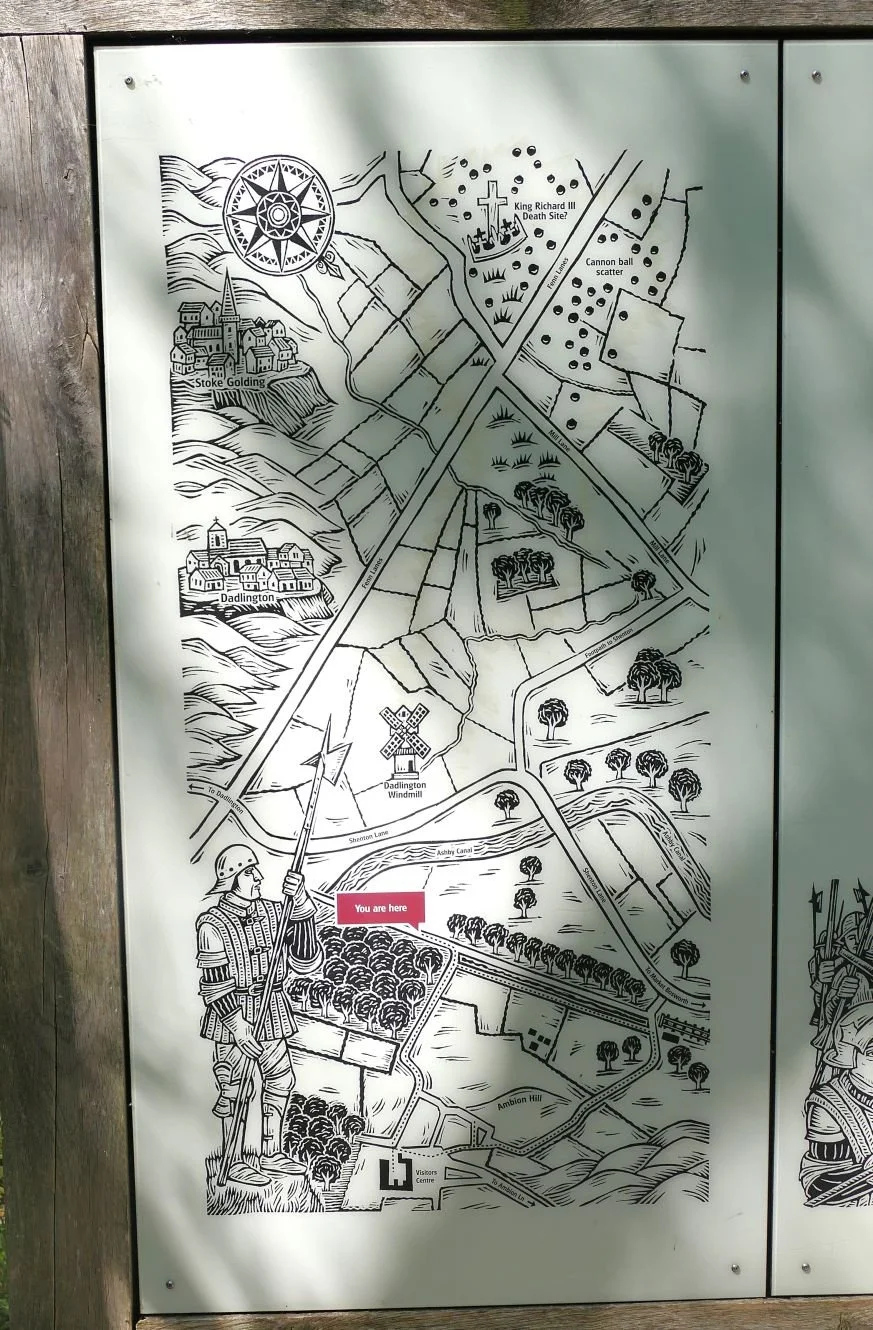
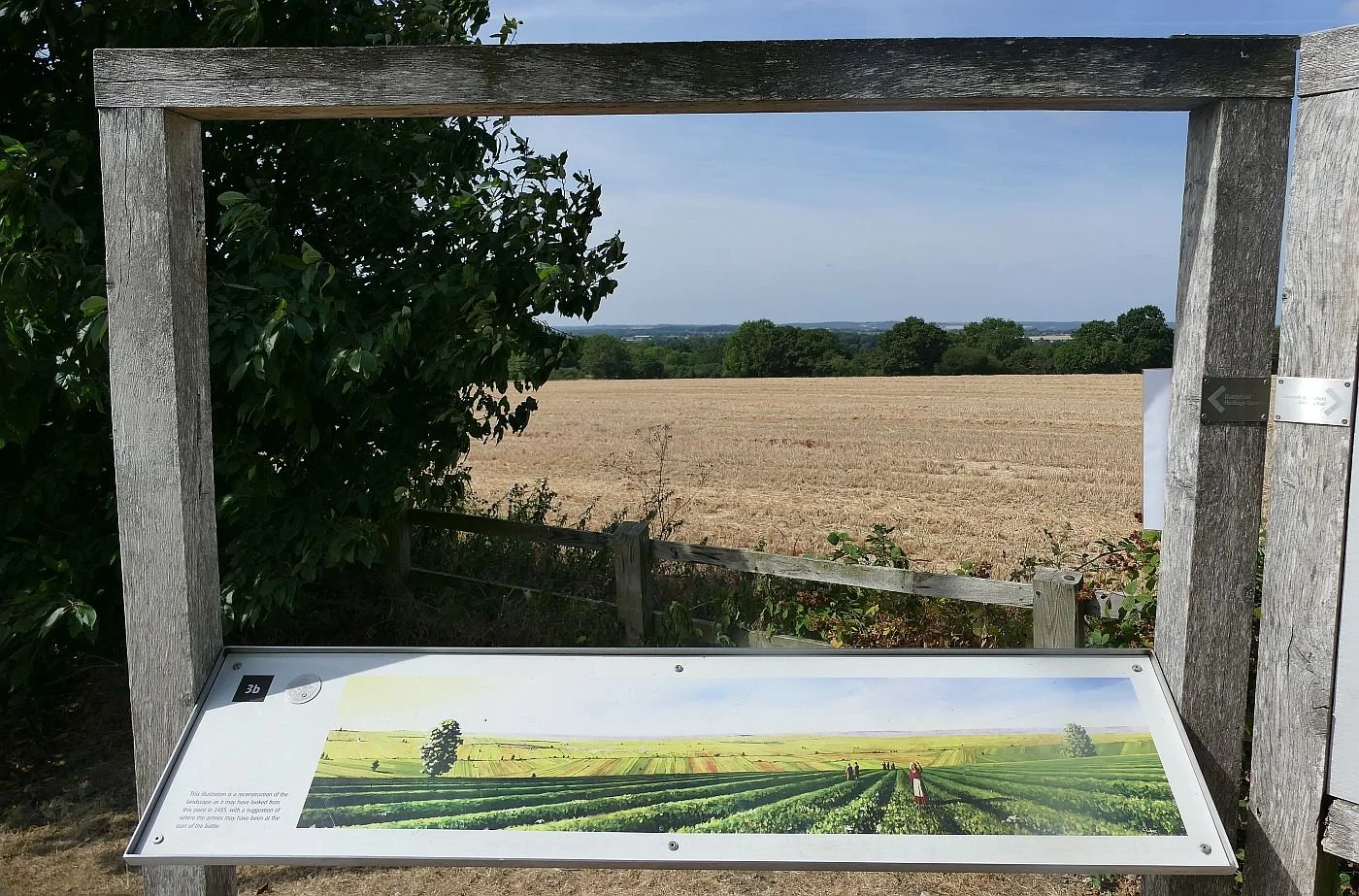
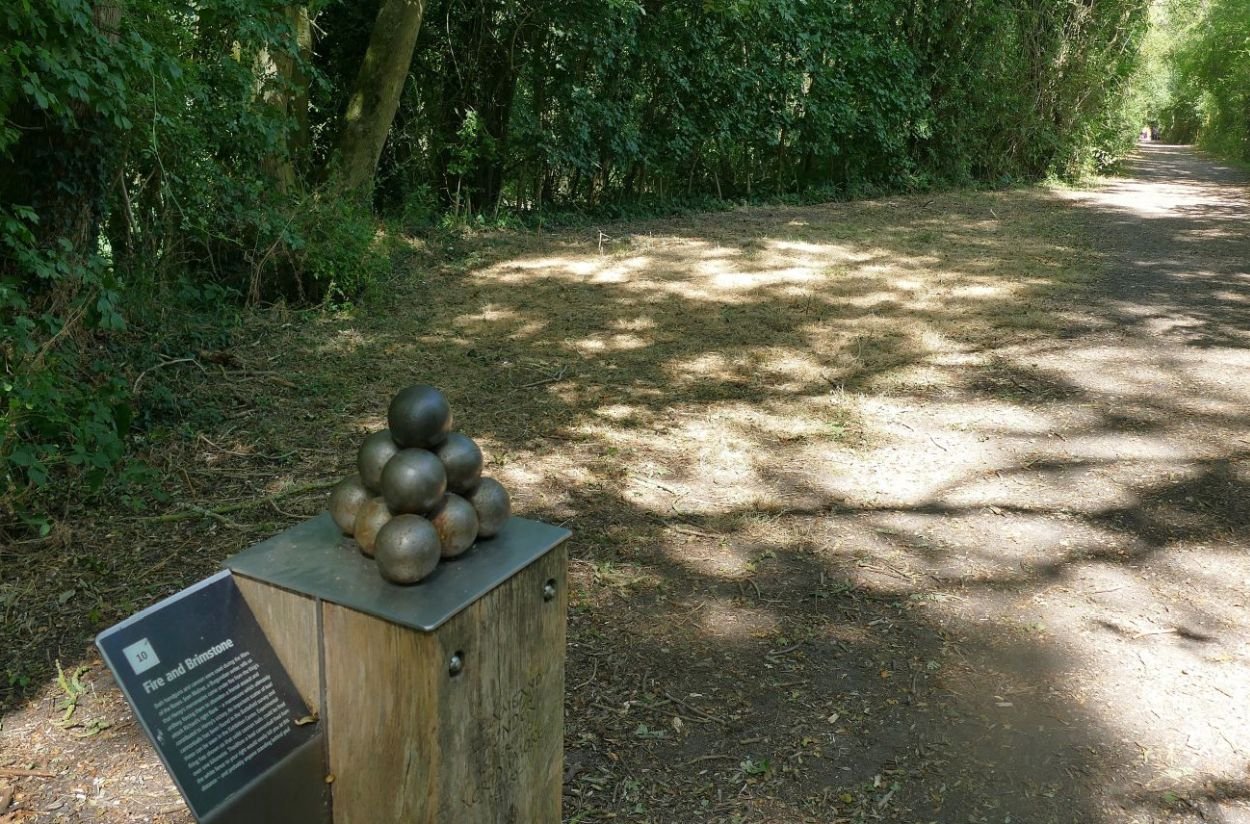
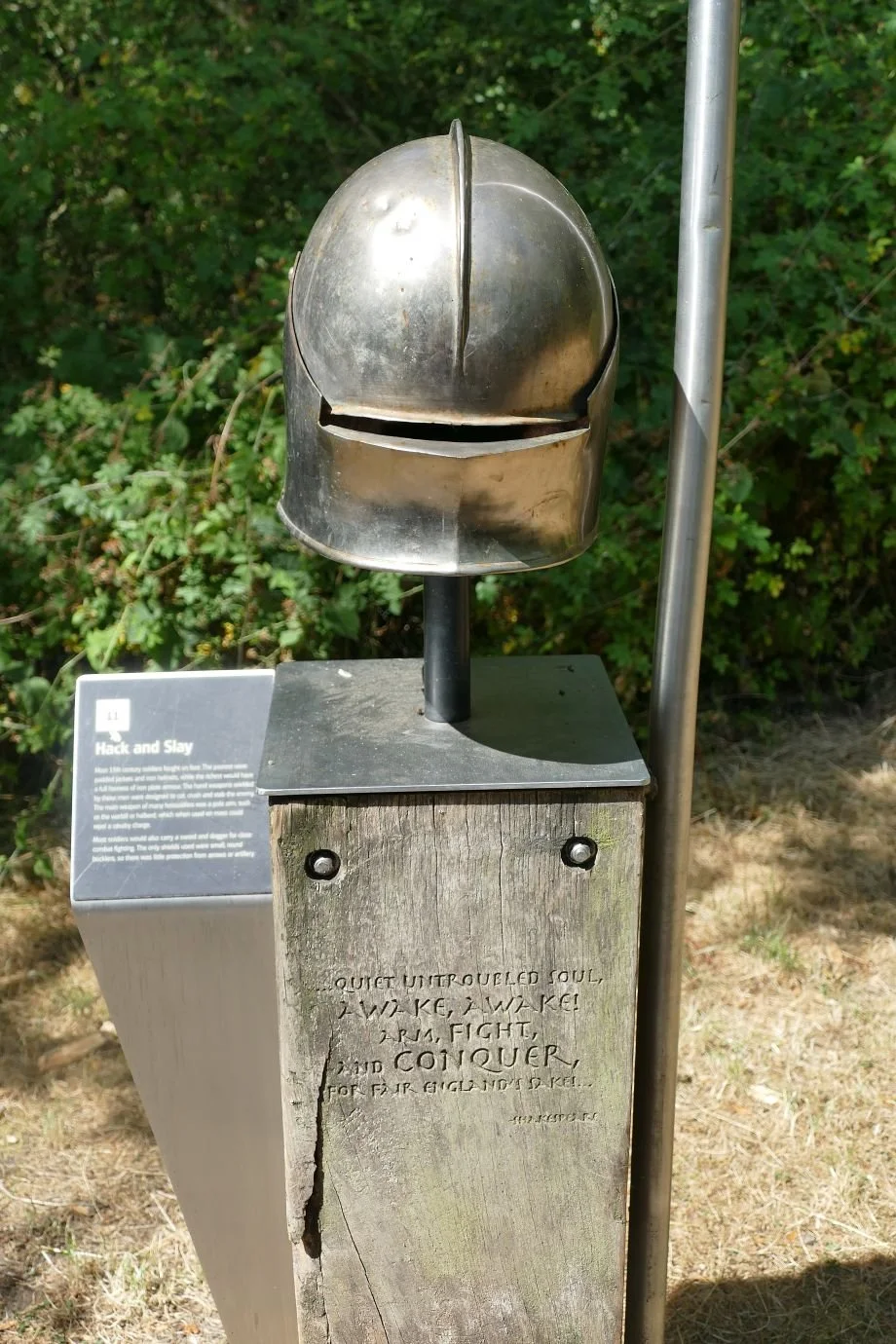
For children the offer is engaging but definitely more blood thirsty. ‘Fire and Brimstone’ for the canon balls seemed passable, but ‘Hack and Slay’ might upset the parents if not the children!
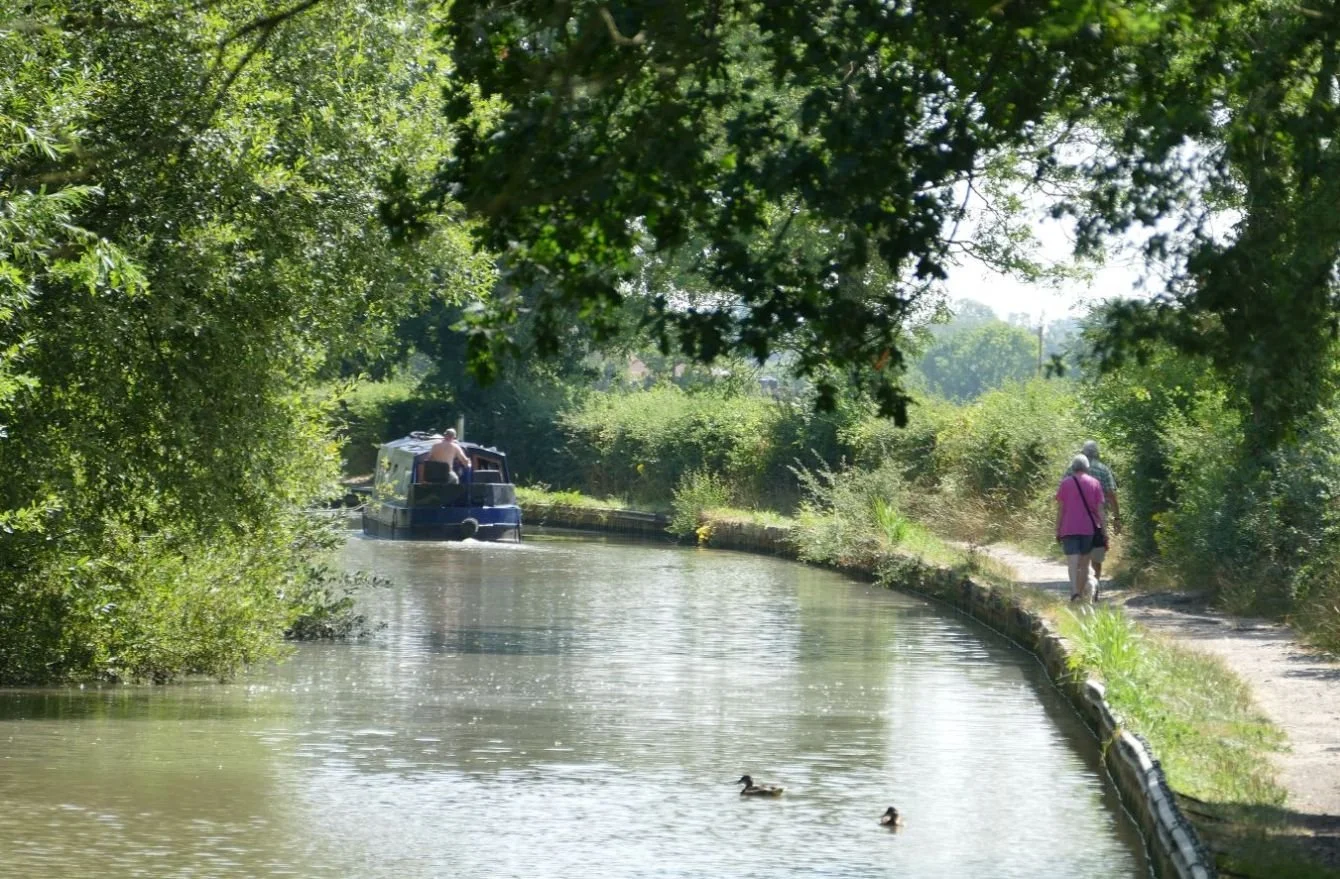
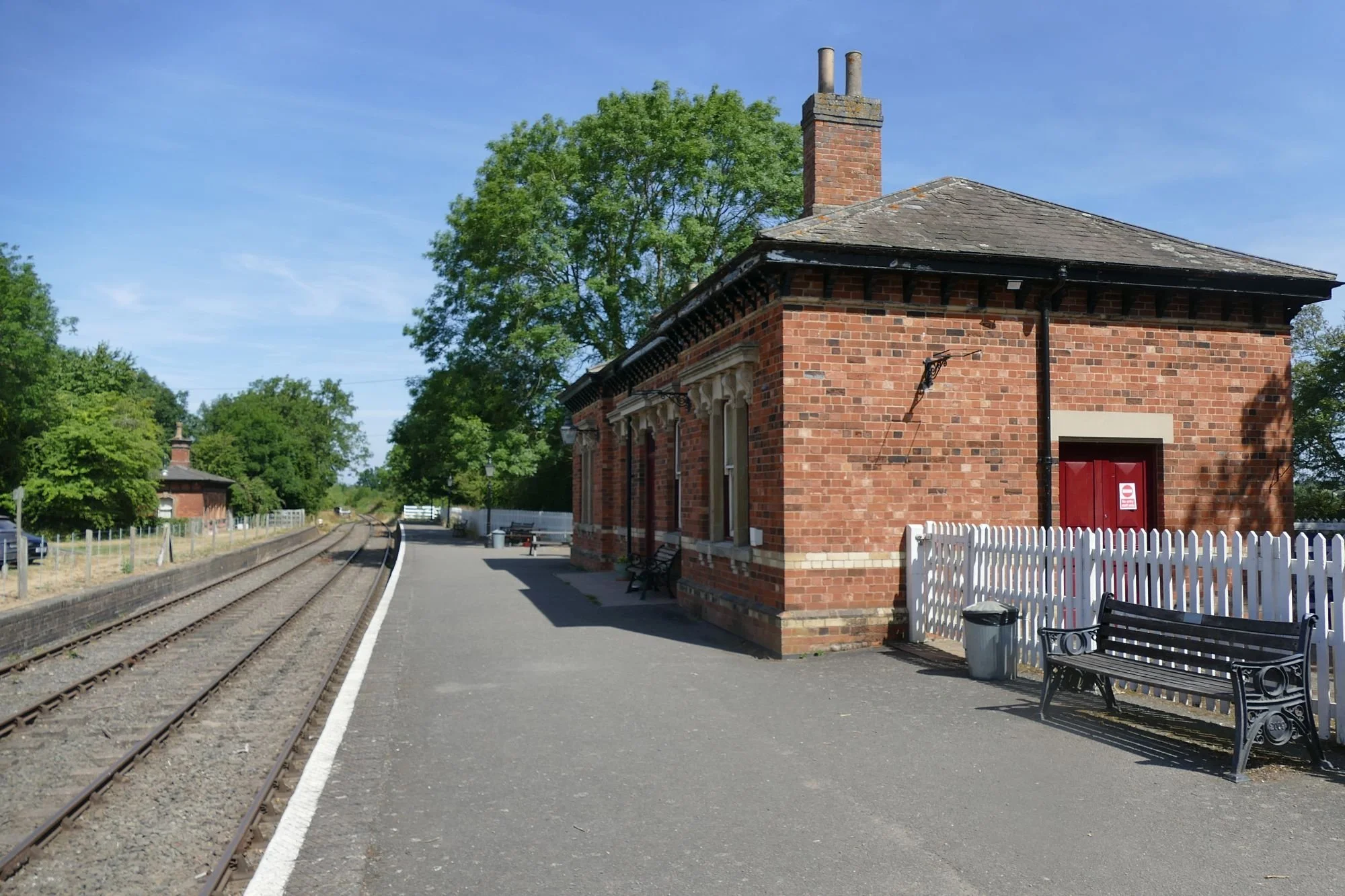
For the transport enthusiast there is also the attraction of the Ashby Canal and the heritage Battlefield Railway.
The trail – and the museum – contain a great deal of information for those who want it. The trail alone can take anything from 45 minutes to a couple of hours. And, yes, there is a great deal on weaponry, on military tactics, and political manoeuvring, to keep one’s inner military historian happy.
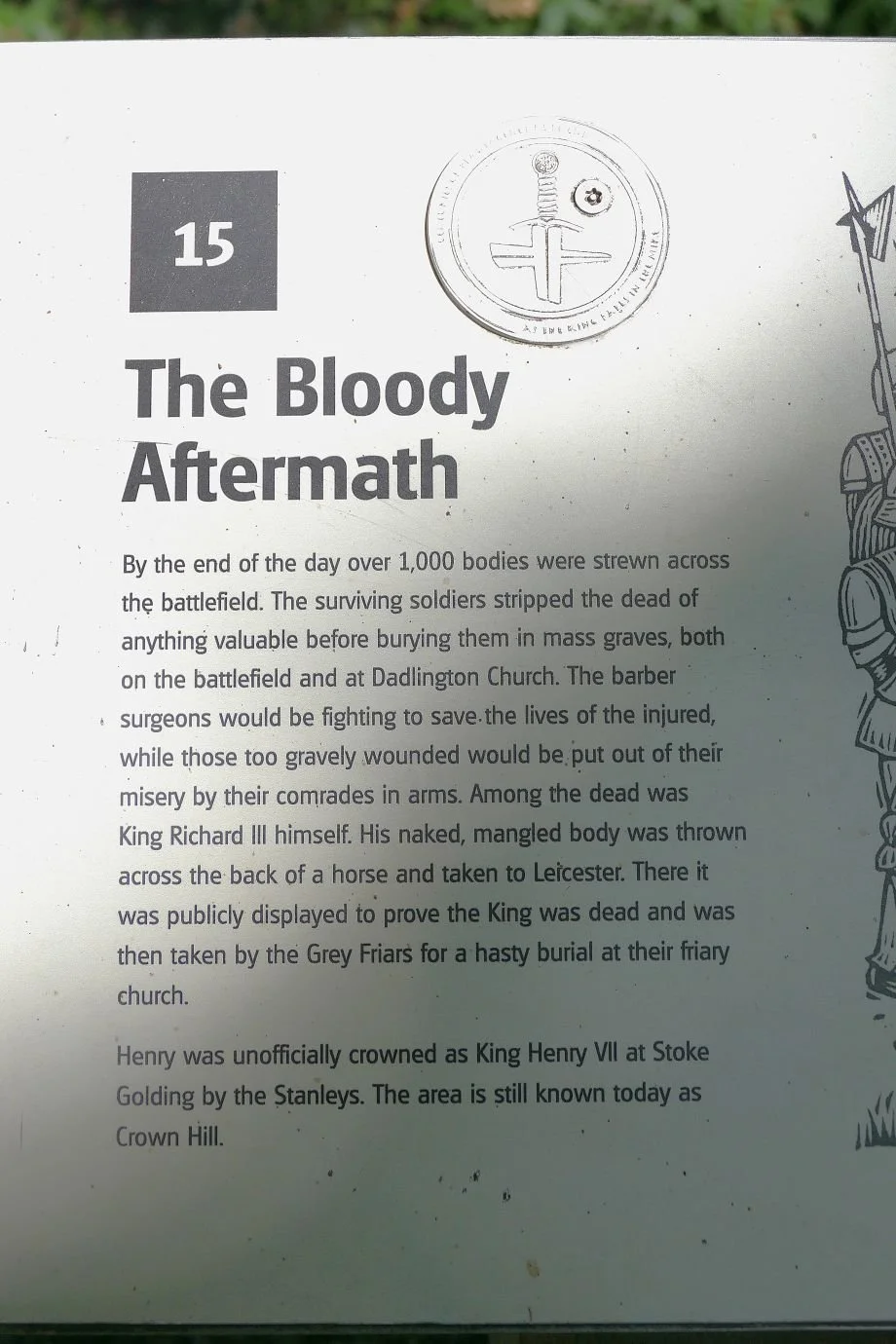
But what about the ecological aftermath of the battle? What was the impact on agriculture, and on the local landscape? There is much discussion on where the dead were finally buried but no mention of the impact of spilled blood and decaying corpses on those medieval fields. The archaeology survey found many lead cannonballs: did they corrode in the damp conditions, potentially poisoning the water supply? Was the topsoil impacted, churned up or adversley mixed with subsoil? Did crops fail and villagers starve, or die of unknown pollutants, for years to come?
While researching this blog, we found a fascinating article by Professor Susan Oliver, entitled ‘Ecologies of War and Fields of Conflict: Re-Imagining the Environment of the Battle of Waterloo’, and published in 2025. The first line of the abstract reads: “This article investigates how sources in Romantic period literature and the visual arts can help to reconstruct the impact on the nonhuman environment of the Battle of Waterloo.”, and the last line reads, “The article aims to contribute to interdisciplinary studies and, to that end, engages where possible with soil science, battlefield archaeology, military history, and discourses concerning pollution.” https://www.tandfonline.com/doi/full/10.1080/10509585.2025.2576301#abstract
Of course the Battle of Bosworth Field in 1485 and the Battle of Waterloo (1825) present very different research challenges. Waterloo is far better documented and illustrated and Oliver mentions Walter Scott, Robert Southey and Turner as amongst many influential post-battle visitors. As a result it is a substantial and fascinating article. And although she may not use the actual phrase, Oliver has put battlefield ecology firmly on the map - we can now say with authority, that it is not just some whimsy created by Terroir.
And bombturbation? Oliver tells us that it is, “the cratering and mixing of soil layers with matter caused by explosions on battlefields. Hupy and Schaetzl propose bombturbation as a condition of many war-torn environments, particularly those of First World War Flanders and France ….”