Second Thoughts

Terroir nearly had second thoughts about writing this blog. With the temperature even in a north west facing writing room hovering in the low thirties centigrade, the thought of spending time with a heat generating computer was not appealing.
But this title is also relevant to the vexed subject of climate change which is currently very pertinent. Surely we all knew that summers like this would be inevitable? Skiers have been chasing rising snow lines for years and this summer’s heatwave isn’t a blip, or a one off. We can’t shilly-shally over this any more. If you are a climate change denier, or campaign against sustainable solutions to energy production, or turn the hose on whenever your wallflowers start to wilt or the lawn turns brown, please, please have second thoughts. Give our children a platform from which to change society. Give our grandchildren a world in which to live.
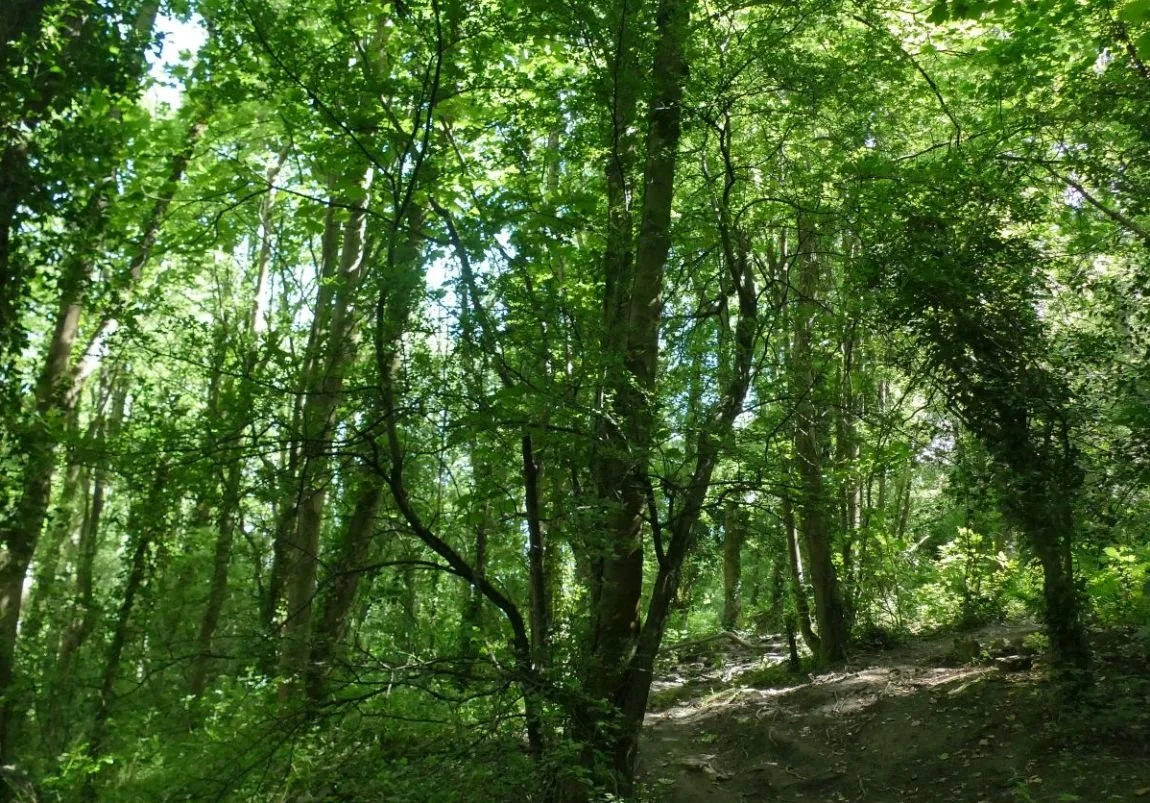
But what we were actually intending to write about was ‘secondary woodland’! In Britain, secondary woodland is usually defined as woodland that has developed naturally on land that was previously cleared of trees.
When one of us was a child in south east England, our local open space was a fabulous area of undulating woodland with a couple of meadows, a strange hollow, some clumps of rhododendron (great for dens and hide and seek) and acres of bramble clumps which tore at our legs if we wandered off the path. Locally, this area was known, somewhat unimaginatively, as ‘The Woods’ and was surrounded on all sides by housing estates – mainly 1930s, but one was built later in the 1950s. One of us knows about the latter because the elder brother can remember when the site was farmland and was cultivated by a horse drawn plough!
Even as a child, I could recognise that this area had a special character. Some areas of the trees seemed to be mostly ‘even-aged’. Yes, there was a bluebell glade with wood anemone and, I think, celandine, but wildflowers were not widespread. An old multi-stemmed sweet chestnut provided a play area (known as the Peep-Bo tree) but was, we now realise, an old relic coppice stool. The hollow had been a gravel pit and the ploughed field was on former parkland. Looking at old maps, it now becomes obvious that some of the area had always been wooded but secondary woodland had grown into the spaces that were no longer farmed, following the speculative builders’ construction of the adjacent housing estates, in the early 1930s.
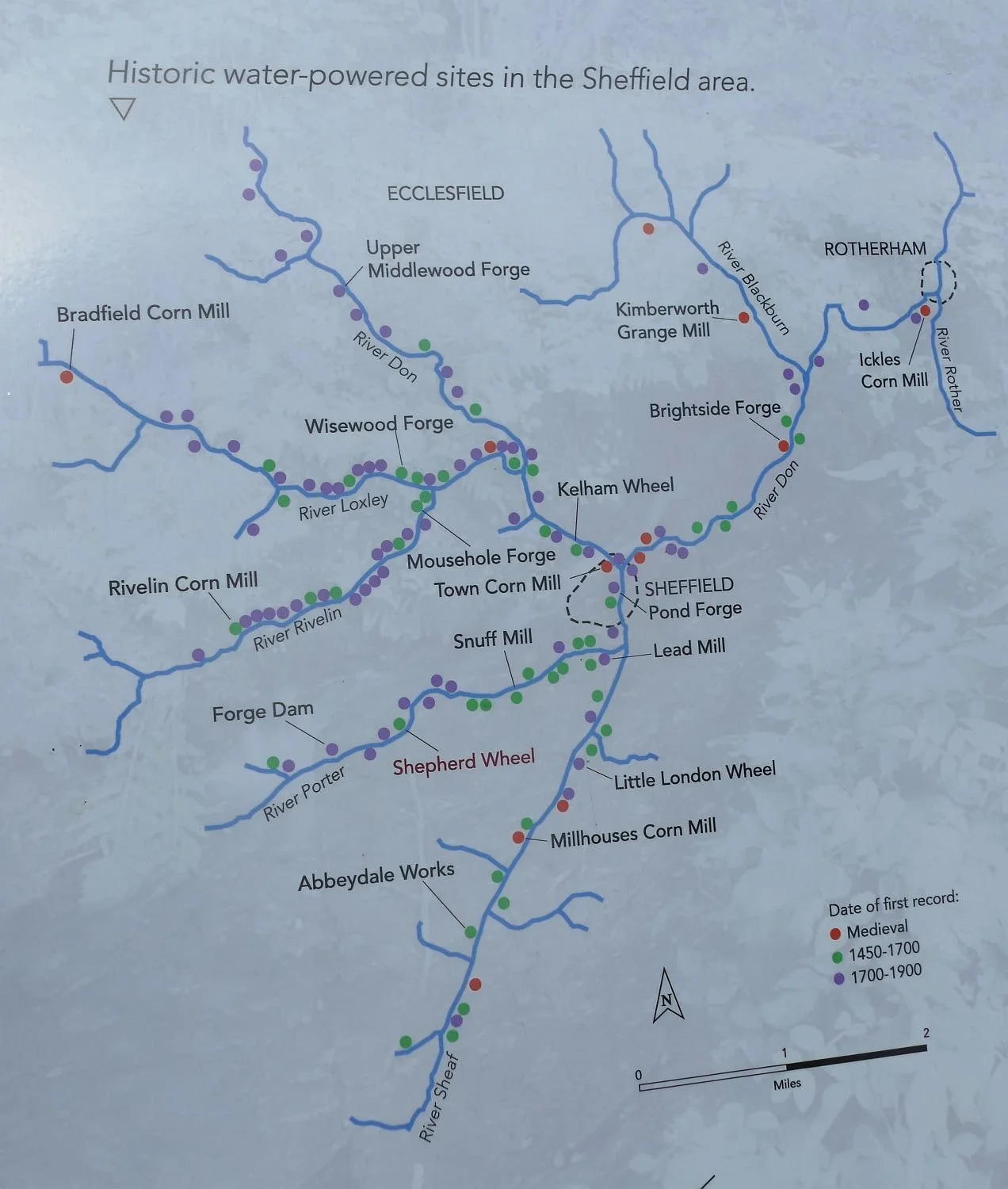
The history of Sheffield’s extensive secondary woodland is very different. Sheffield is often known as a city of hills but it is actually a city of river valleys! The rivers Don and Sheaff are fed by numerous streams including the Porter, Rivelin, Loxley, Blackburn and Rother. But the woodland which is now a feature of these valleys is relatively recent.
A history of the Don catchment (https://sheffield.ac.uk/doncatchment/about/history) reveals a long history of forest clearance for agricultural use, starting from the Neolithic and Bronze ages. Roman and Viking occupations expanded agriculture significantly and though the Normans brought a love of the chase and created large estates devoted to hunting, elsewhere agriculture was widespread, with open fields and extensive pastoral farming.
Technological change started impacting on Sheffield woodland in the 13th century. The number of fast flowing streams, and the presence of raw materials such as iron ore and coal, charcoal from what woodlands remained and stone suitable for grinding wheels, initiated the metal working tradition which made Sheffield the capital of cutlers. The ‘Little Mesters’ set up their works in the river valleys imbedding ribbons of industrial activity in an agricultural landscape.
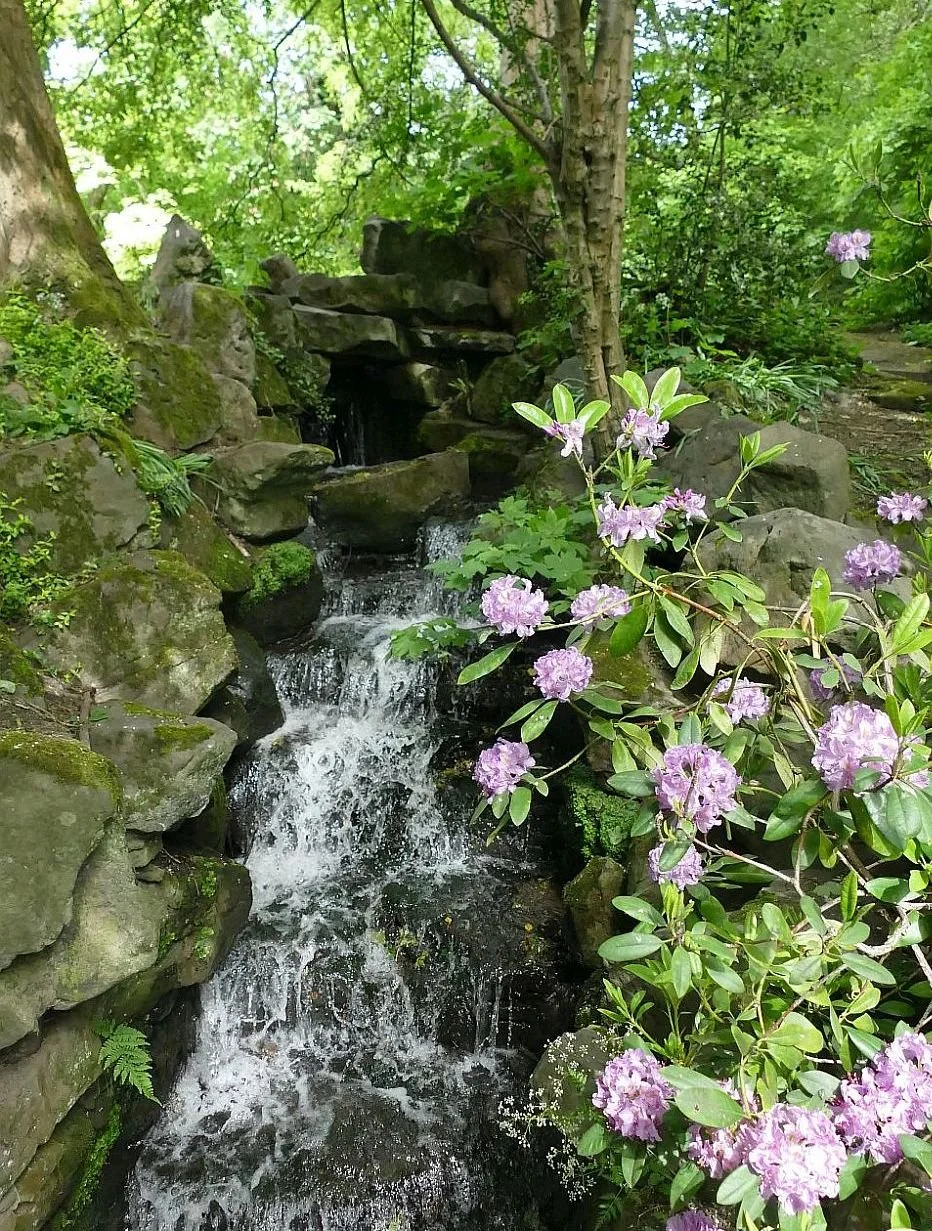
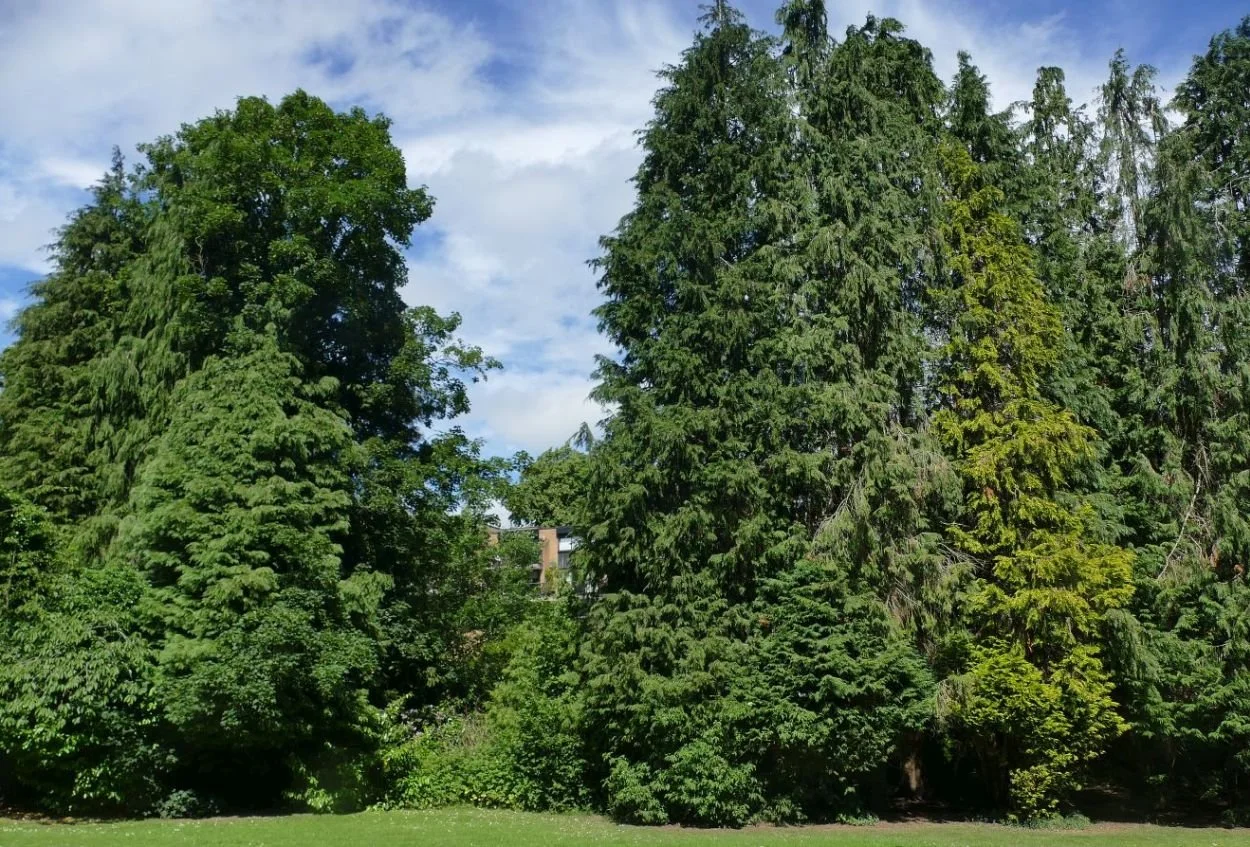
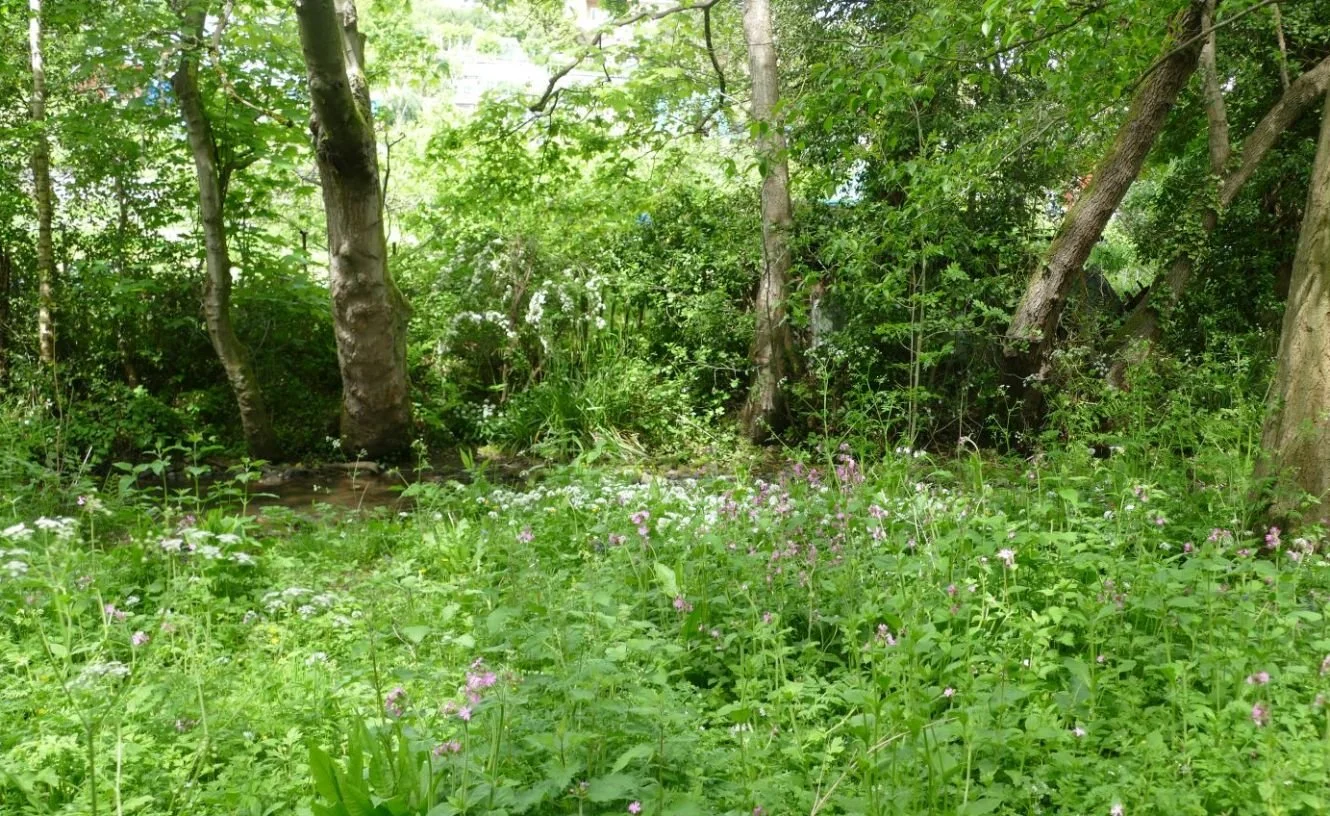
Today, these ribbons create verdant threads within the Sheffield urban area. The green canopy is largely made up of 20th century secondary woodland, sheltering a rich archaeology of water wheels, grinding wheels, workshops, furnaces, chimneys, dams, goits (channels to carry water into the works) and weirs.
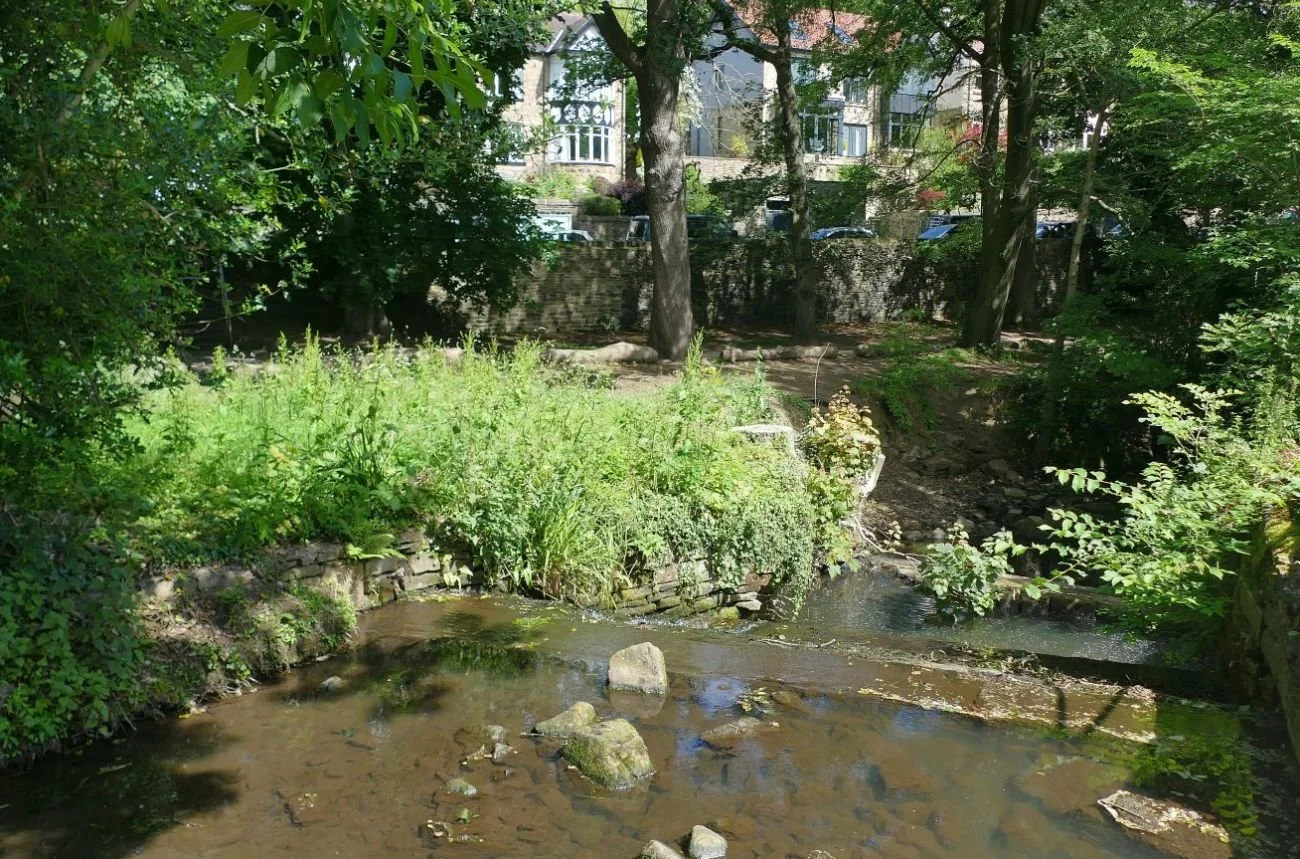
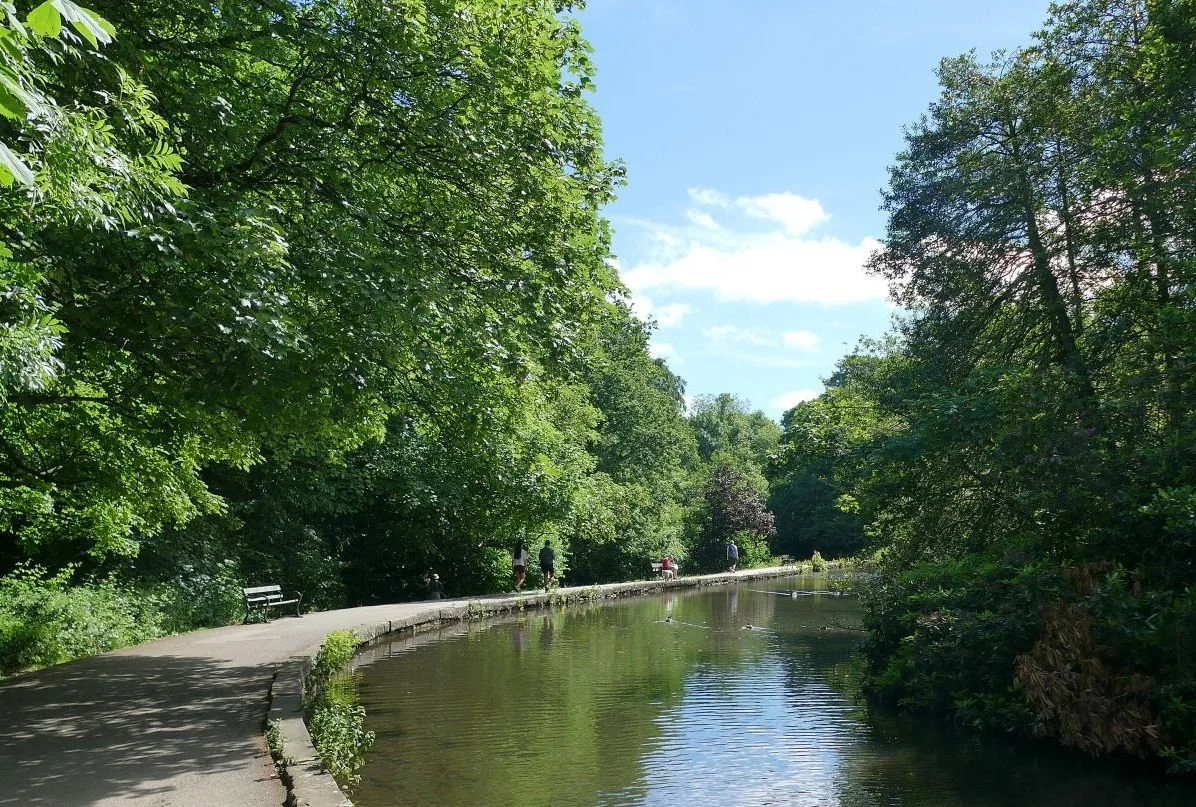
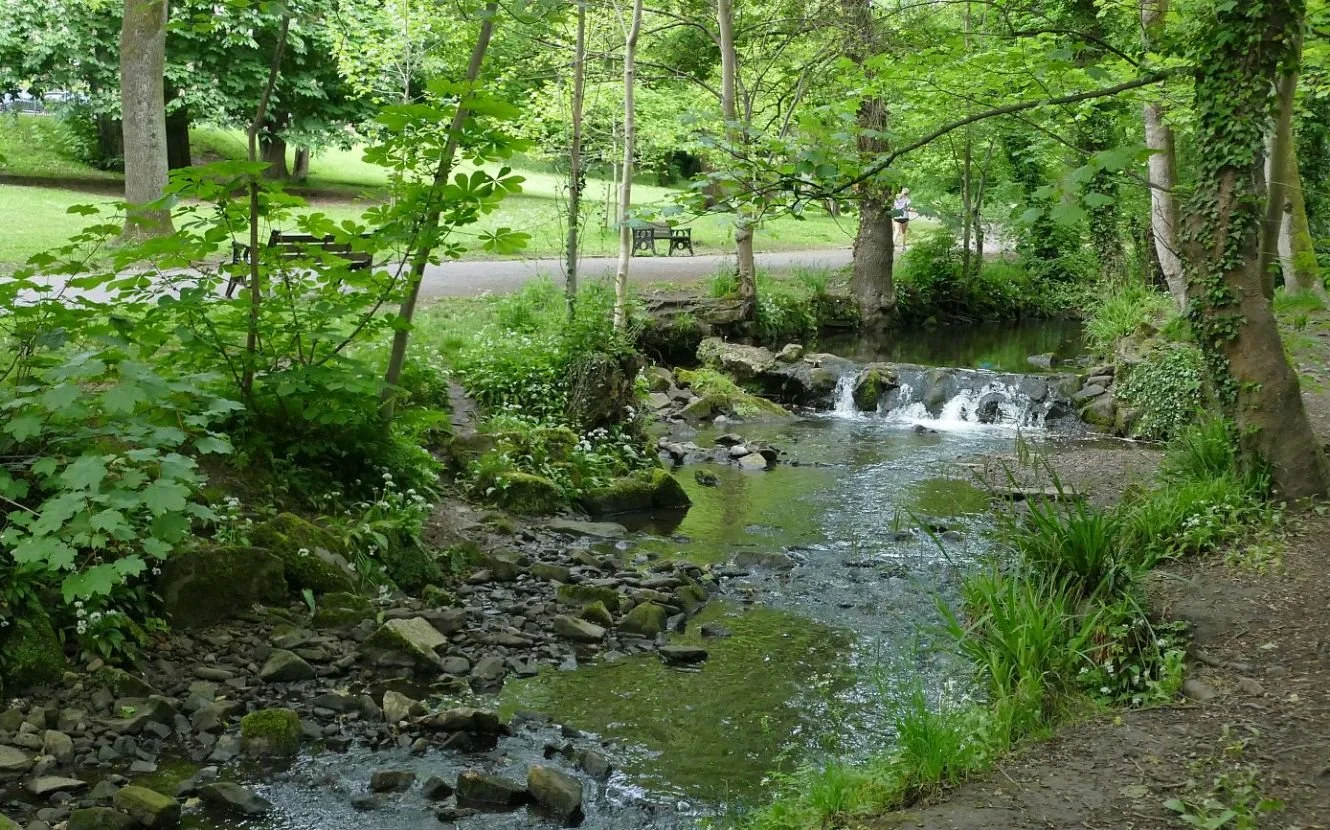
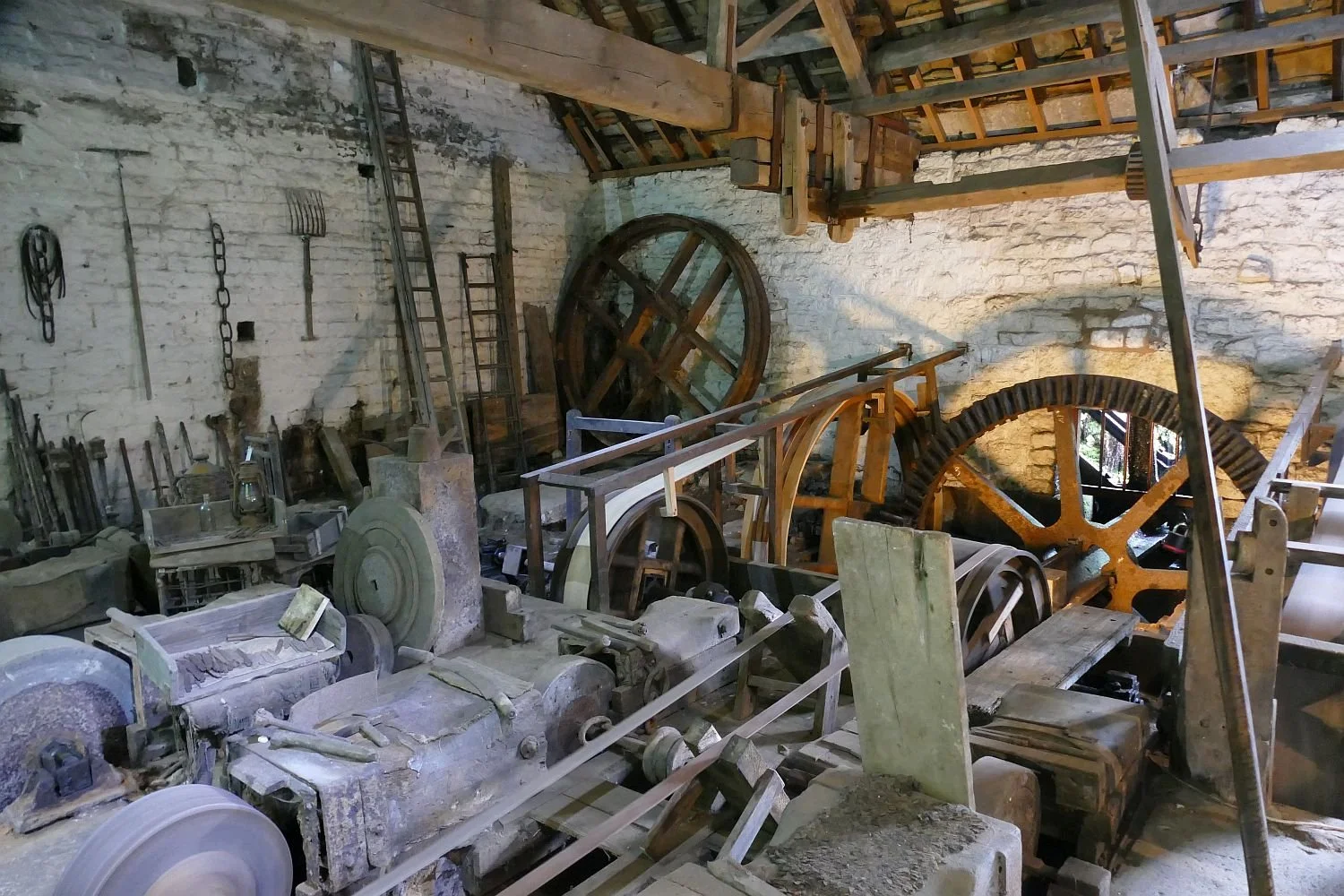
Today, the management of these leafy corridors is becoming increasingly challenging, if they are to deliver their new role of community green space.
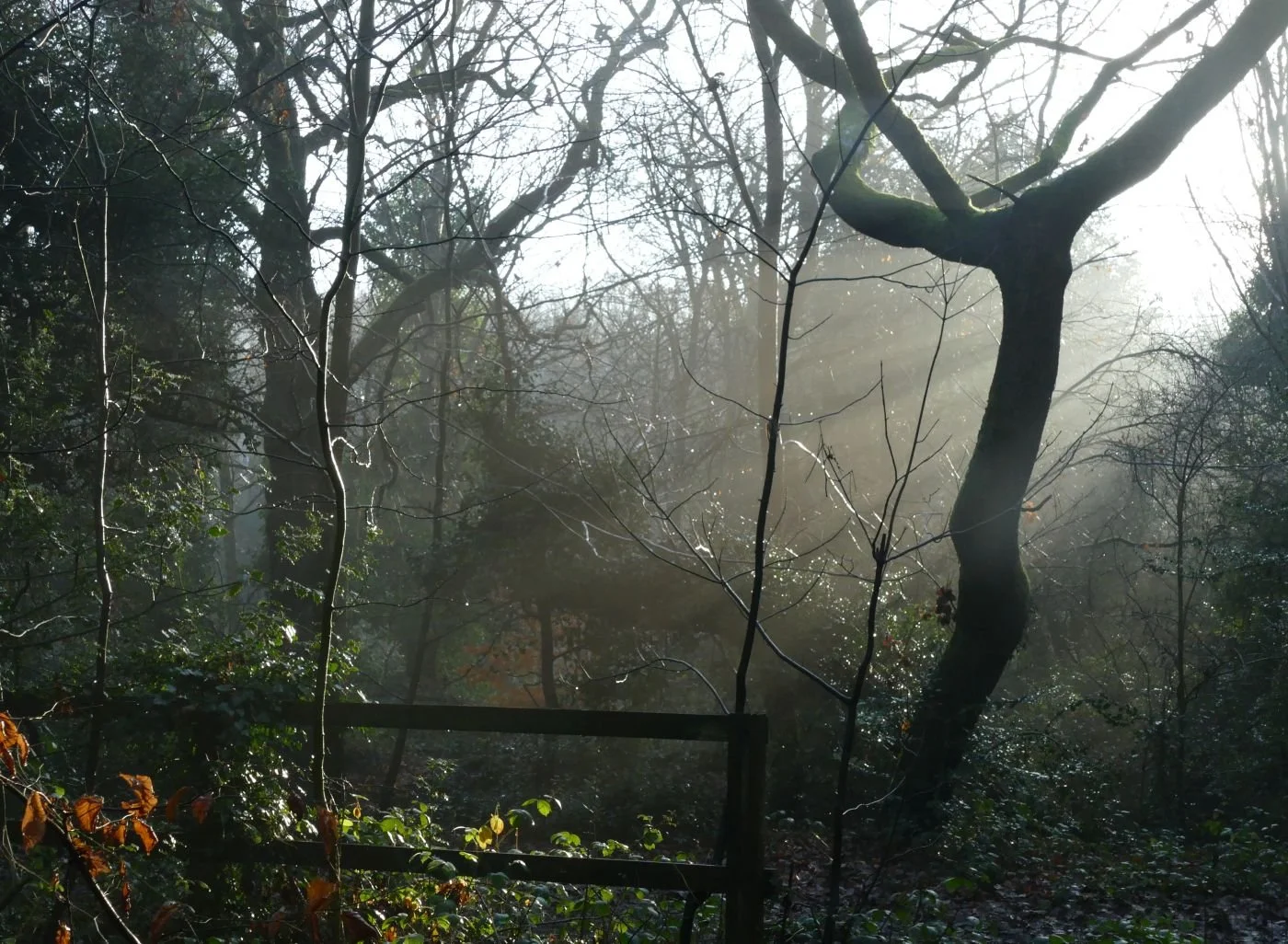
The Rivelin Valley Nature and Heritage Trail (left in spooky winter costume, and below) is a wonderful 2.5 mile homage to secondary woodland and industrial archaeology but still needs a careful hand to maintain access, safety, interpretation and artists installations.
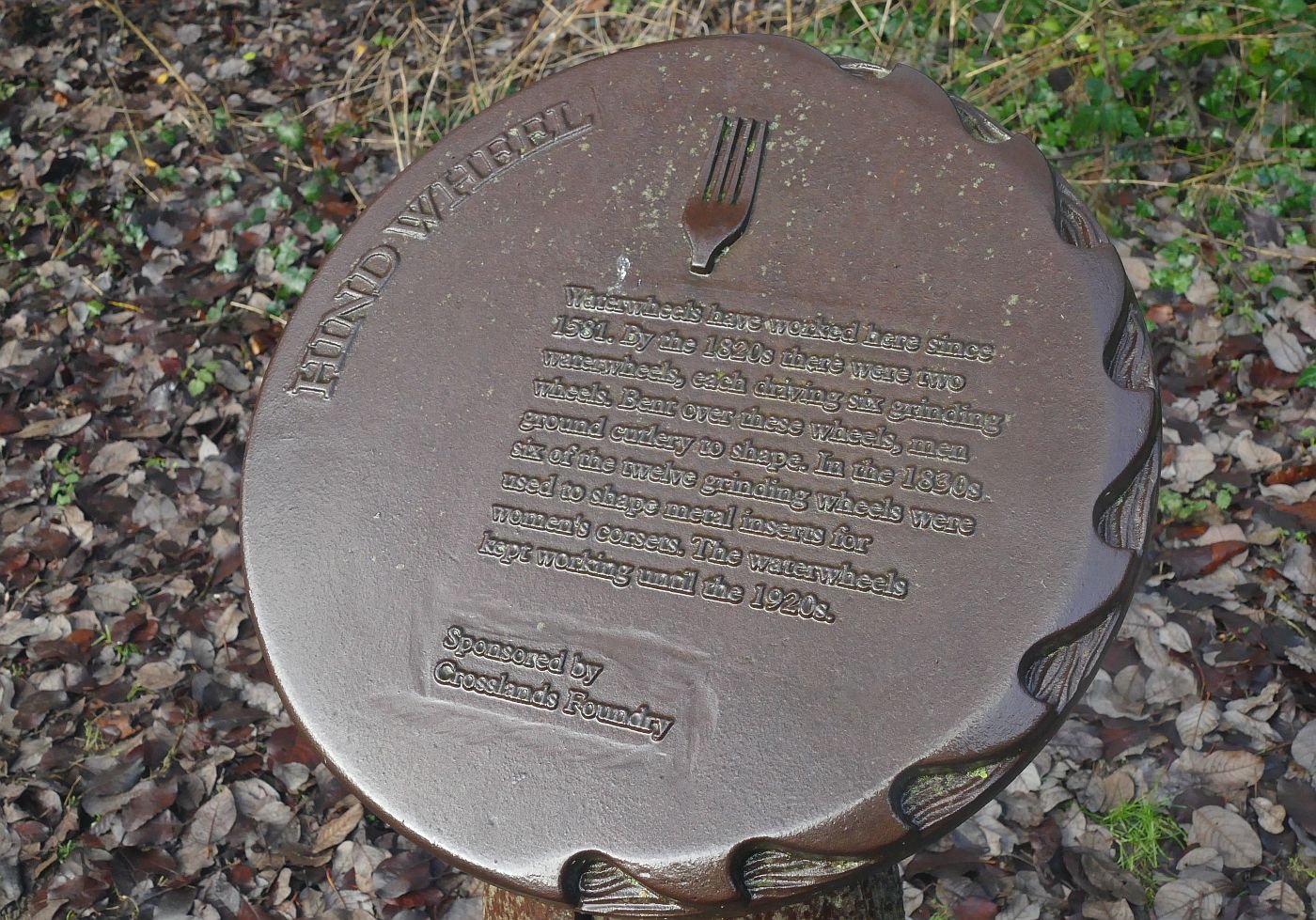
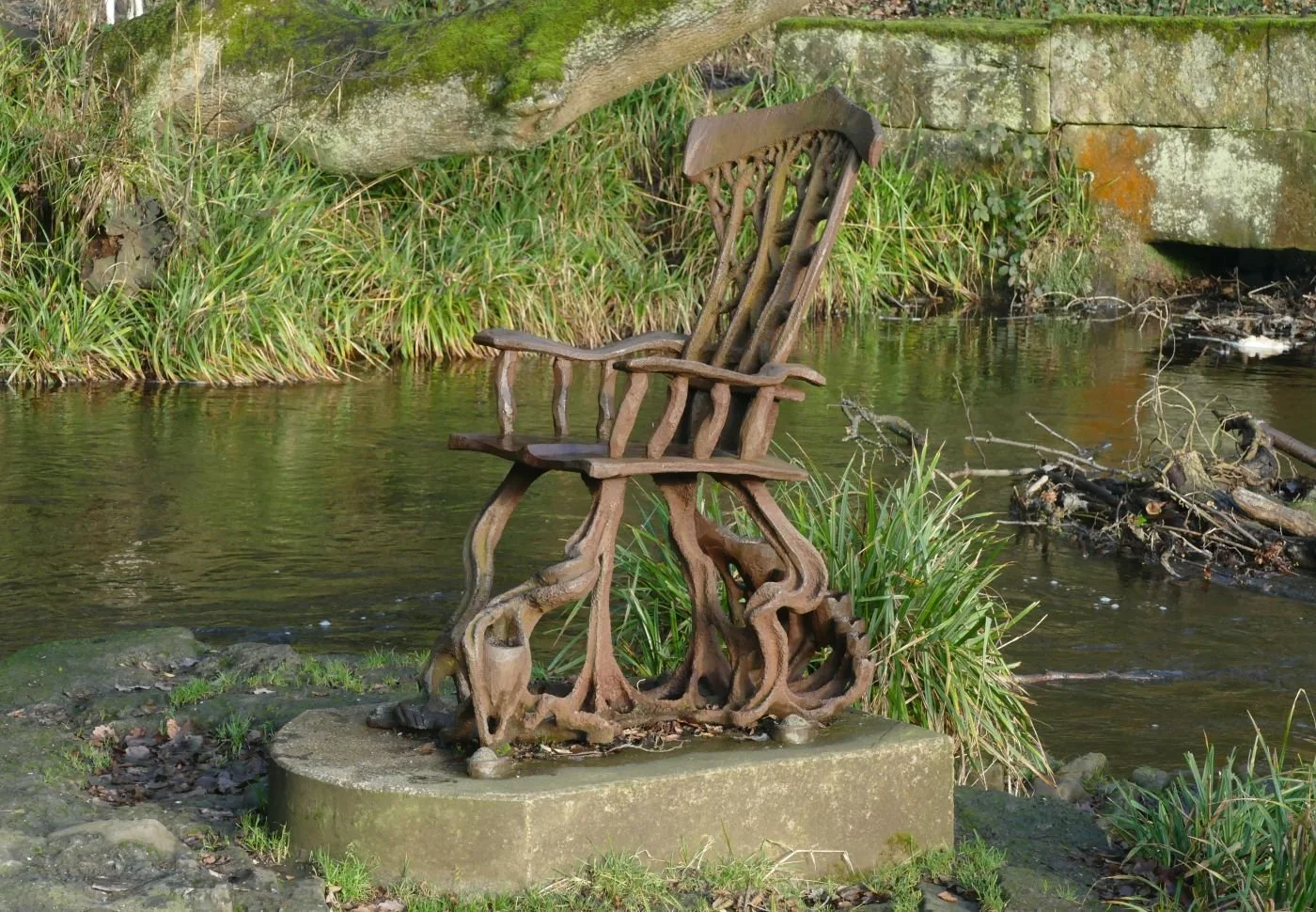
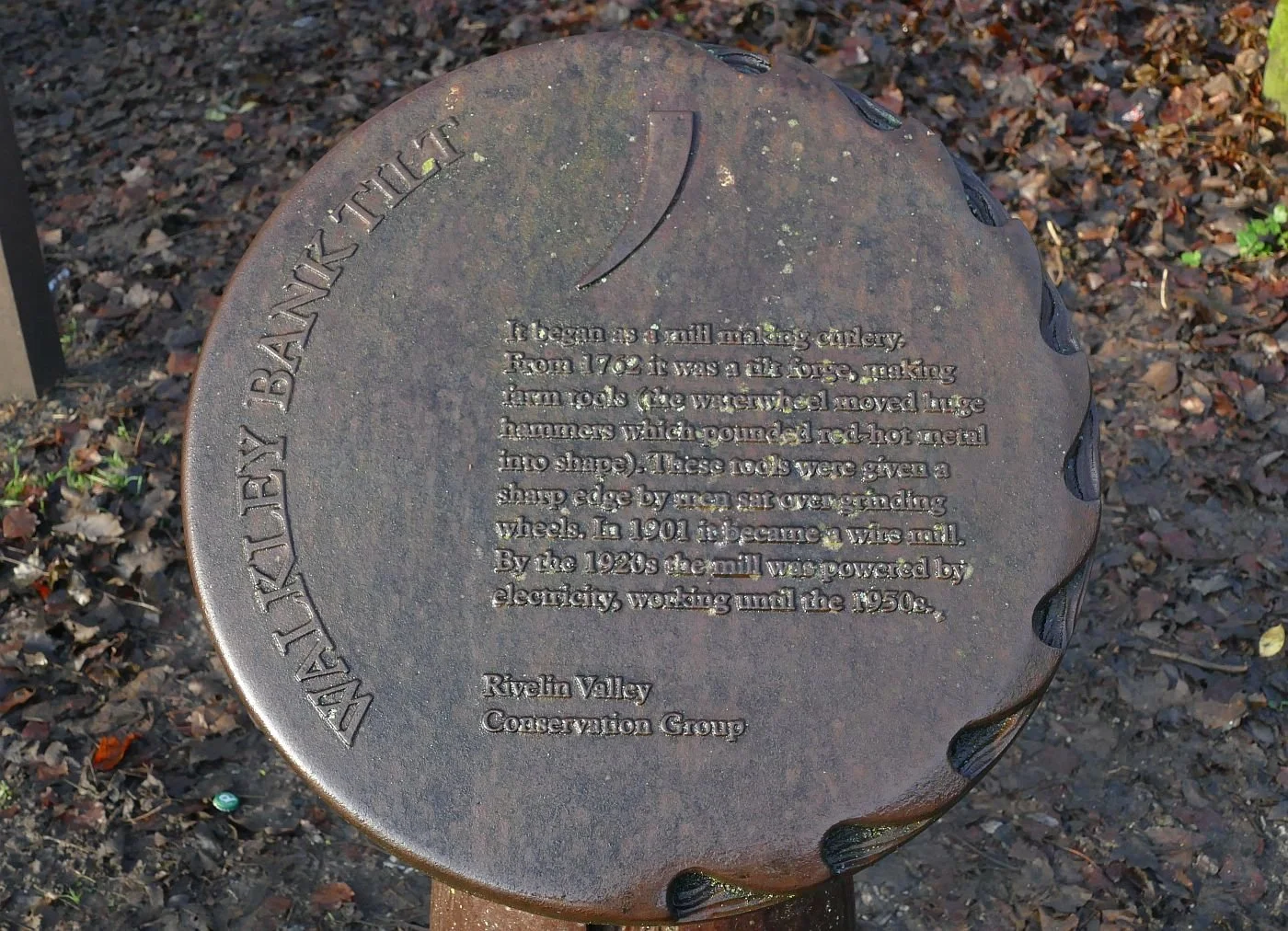
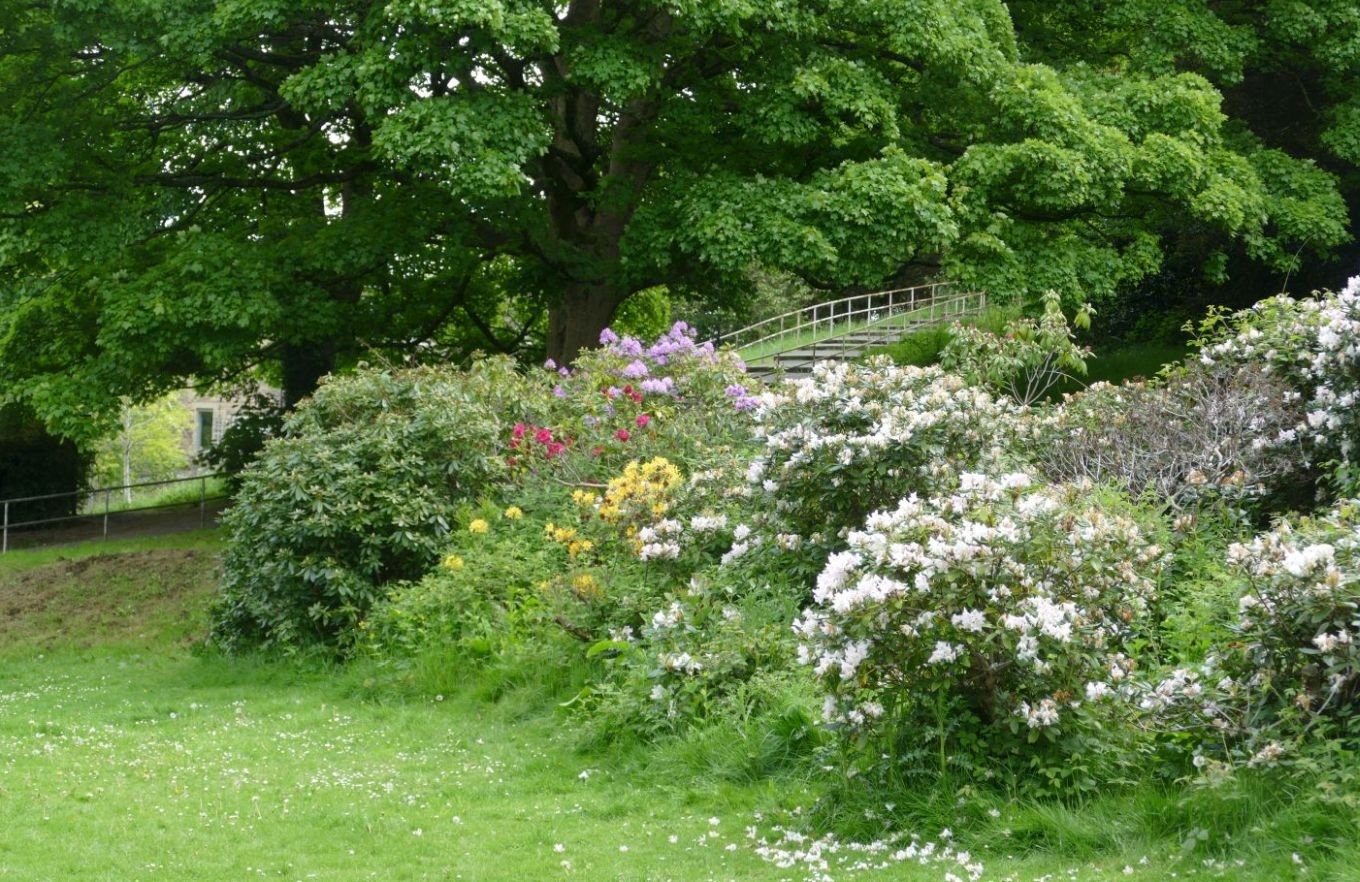
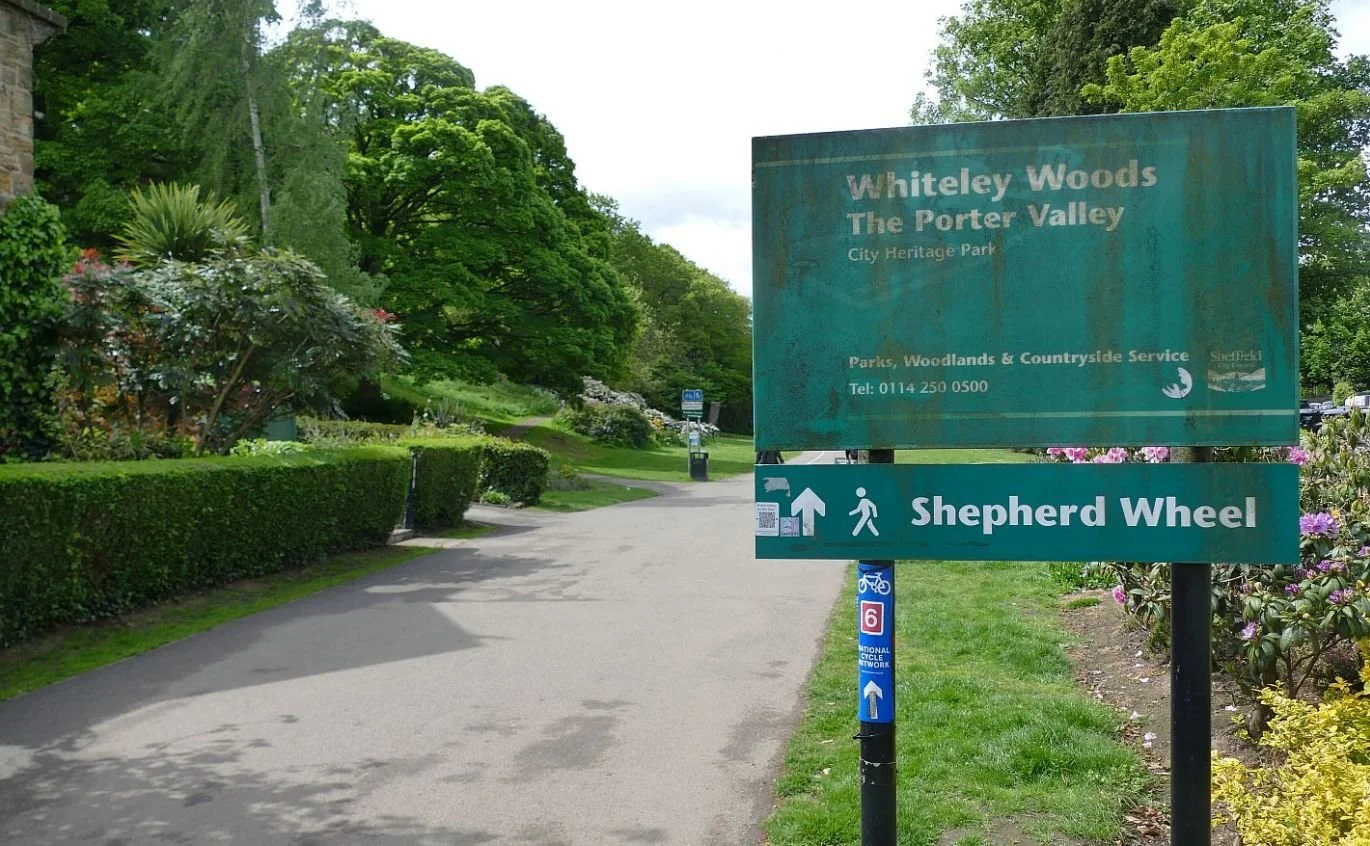
The Porter valley is much more complex in landscape terms and hosts over 4 miles of accessible, open spaces, linking the Peak District National Park to the centre of the city.
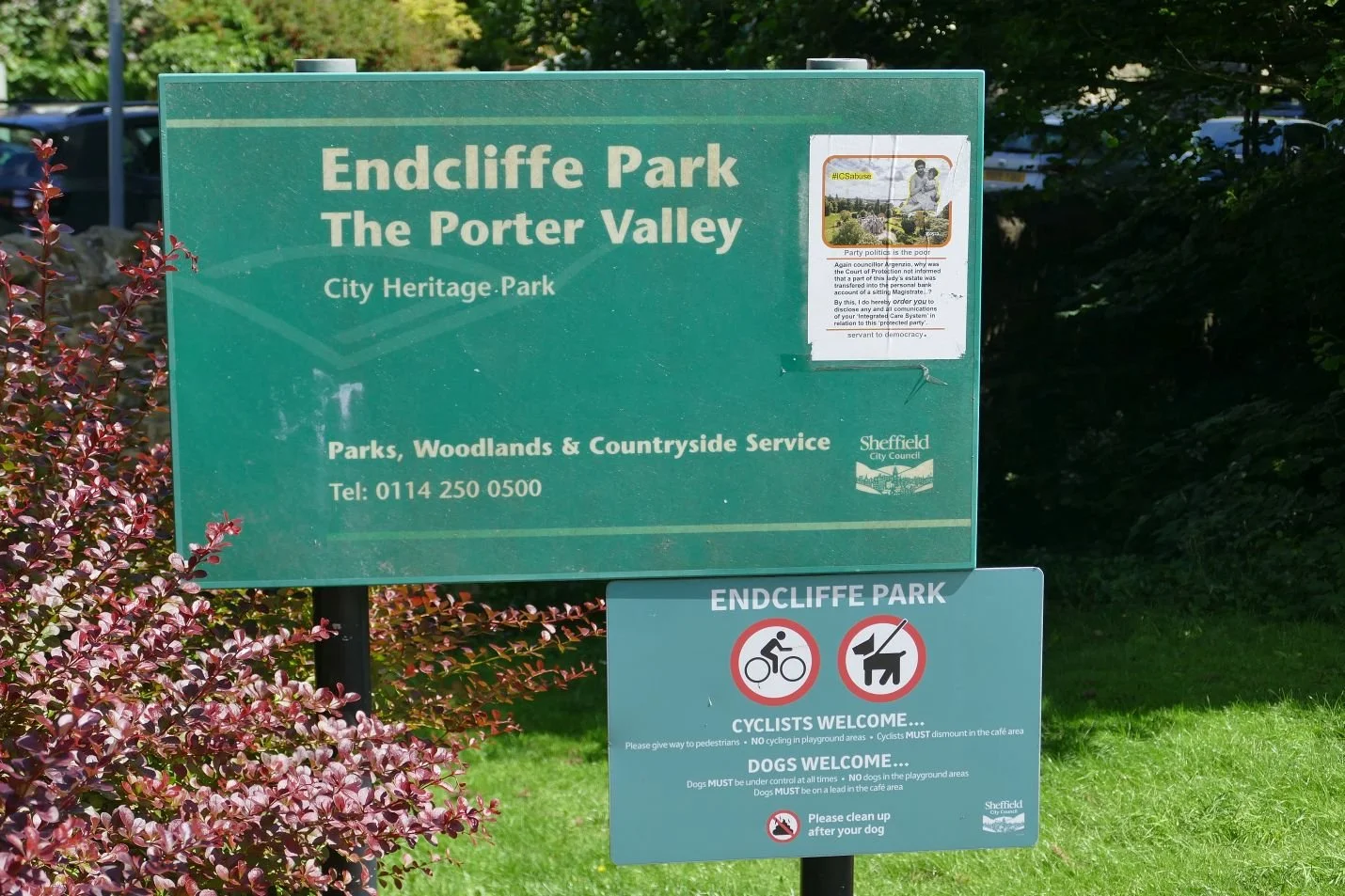
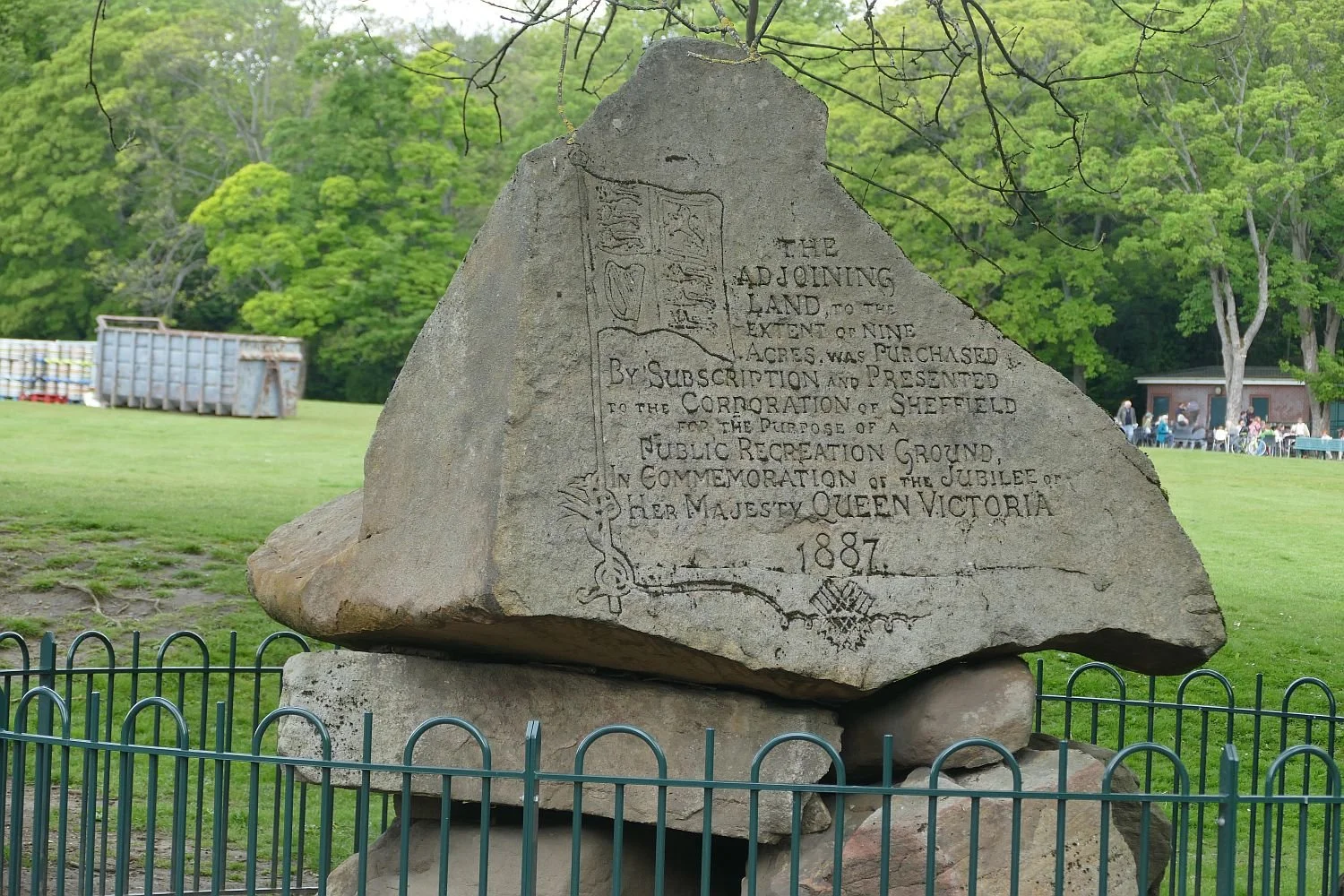
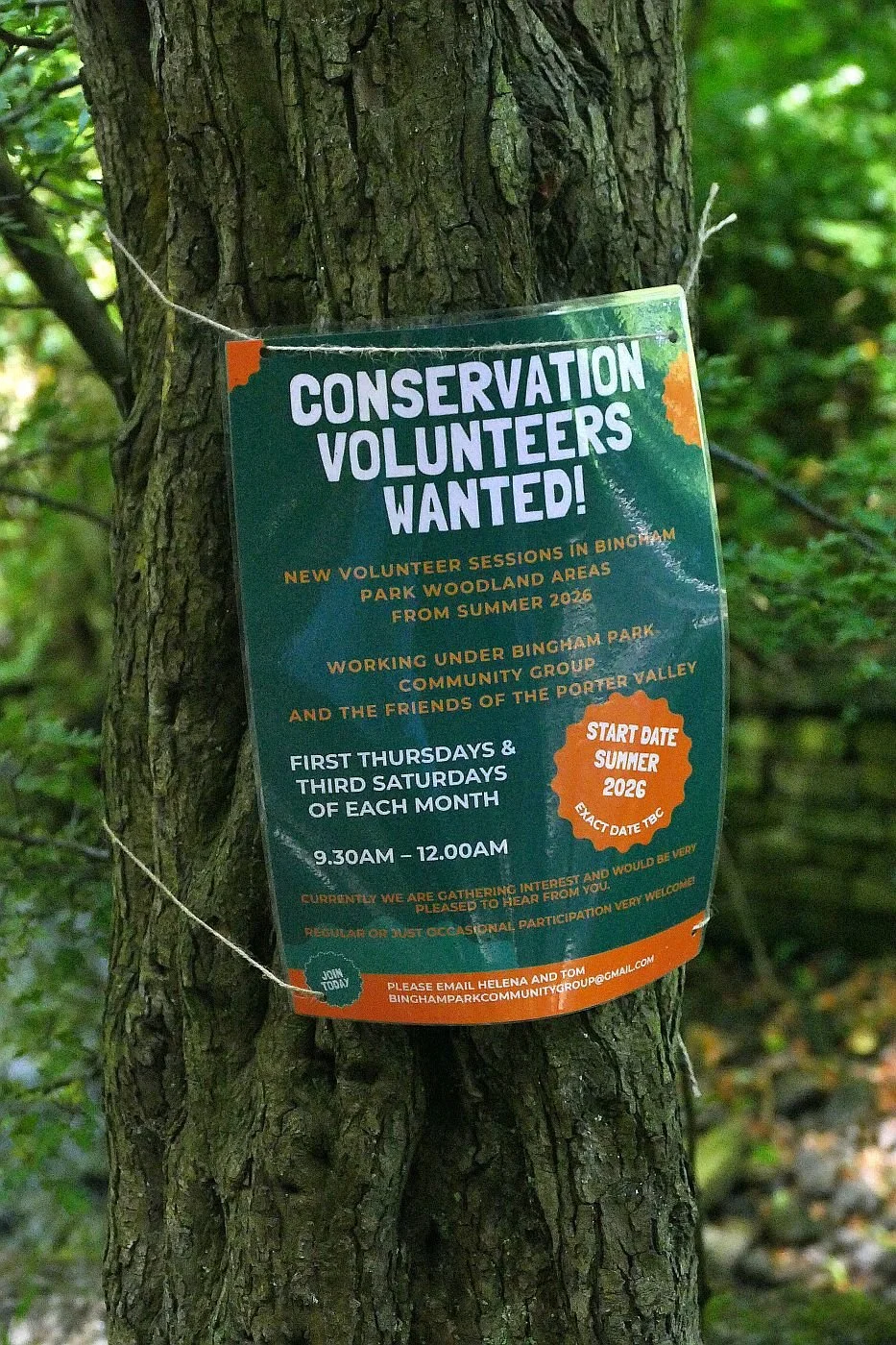
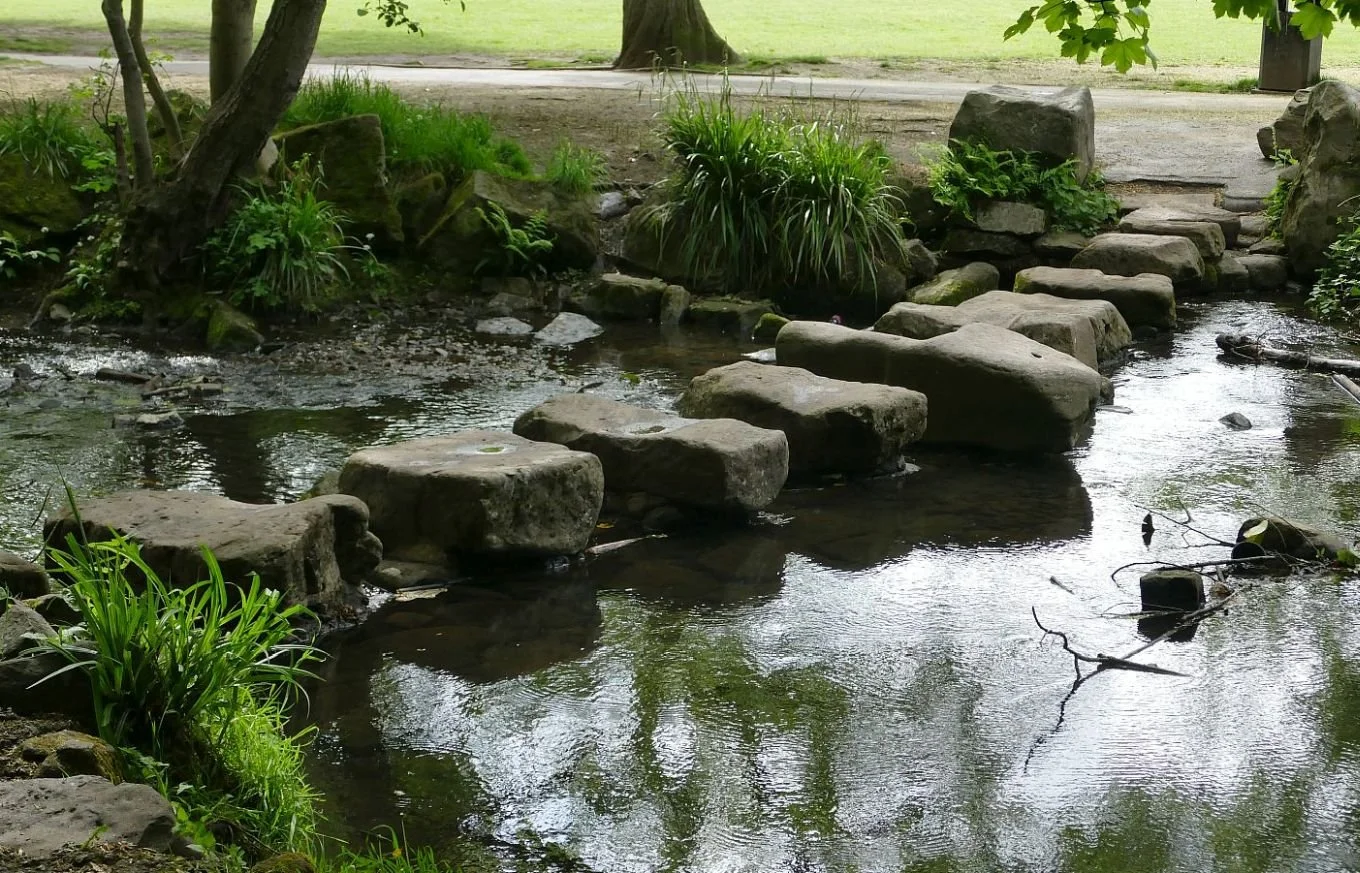
Five Parks have been created: Porter Clough (which nudges the boundary of the National Park), Forge Dam Park, Whiteley Woods, Bingham Park, and Endcliffe Park, the eastern end of which is less than 2 miles from the centre of the city.
Once upon a time, the rivers of the Don valley watered pastoral landscapes. Perhaps 500 years ahead of the steam engine and the Industrial Revolution, these rivers became the motive power for the foundation of Sheffield’s key industry - steel.
Now, in the 21st century the rivers have a new role to play by embracing their post industrial, ‘secondary woodland’ landscapes to promote health and well being. Good thinking.