A Movable Feast
WYou know where you are with Christmas – it’s on the same date every year. Actually, it’s not quite that simple. We still ask that ridiculous question, ‘when is Christmas this year?’ What we mean, of course, is on which day of the week does the 25th December fall? Feel sorry for the clergy when Christmas Day occurs on a Saturday or a Monday.
We know that Easter always falls over a weekend. The big question is not just which weekend but also which month, and which religion! The date range for Western (Gregorian) Christianity is between 22 March and 25 April, based on the first Sunday after the first ecclesiastical, or Paschal, full moon that occurs on or after 21 March (the spring equinox). Got that? If you are Orthodox and follow the Julian calendar, then the date for Easter is calculated in the same way but the equivalent date span in the Gregorian calendar is April 3 to May 10.
If you are Jewish, Passover celebrations start on the 15th day of the Hebrew month of Nisan, which is also linked to the spring equinox/lunar New Year. Obviously this calculation opens up a greater variety of ‘When does Passover start this year?’ type of questions.
We could go on: many, many other spring festivals are celebrated around the globe, with timings defined by geography, belief and tradition. But researching just the specific celebrations mentioned above has done in the Terroir head with the multiplicity of websites devoted (pun intended) to Easter and Passover.
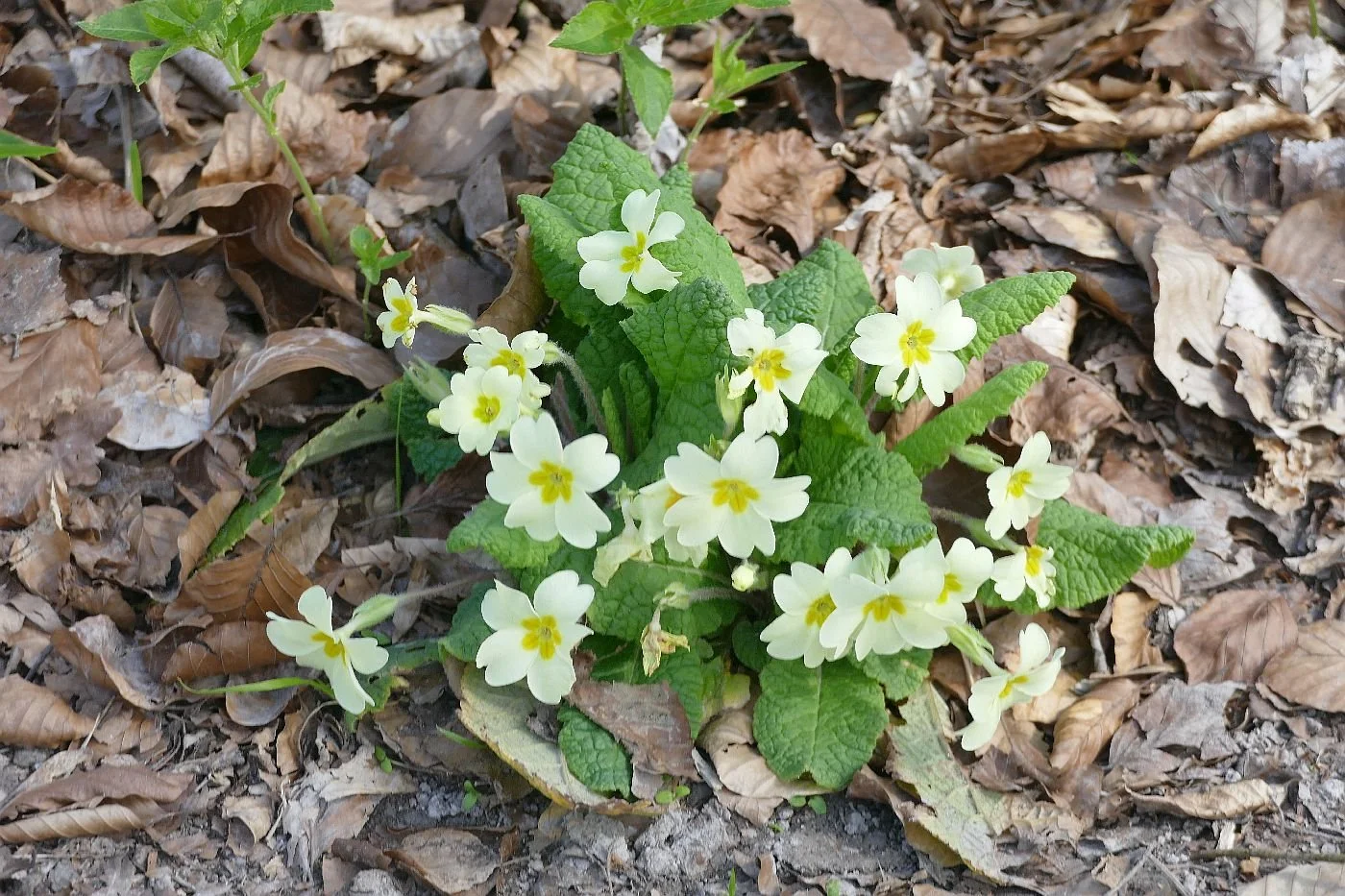
In Britain, we just love taking an Easter/spring walk but what we see not only depends on the lunar cycle but also on climate change shifting the flowering timing of many of the plants which define our spring.
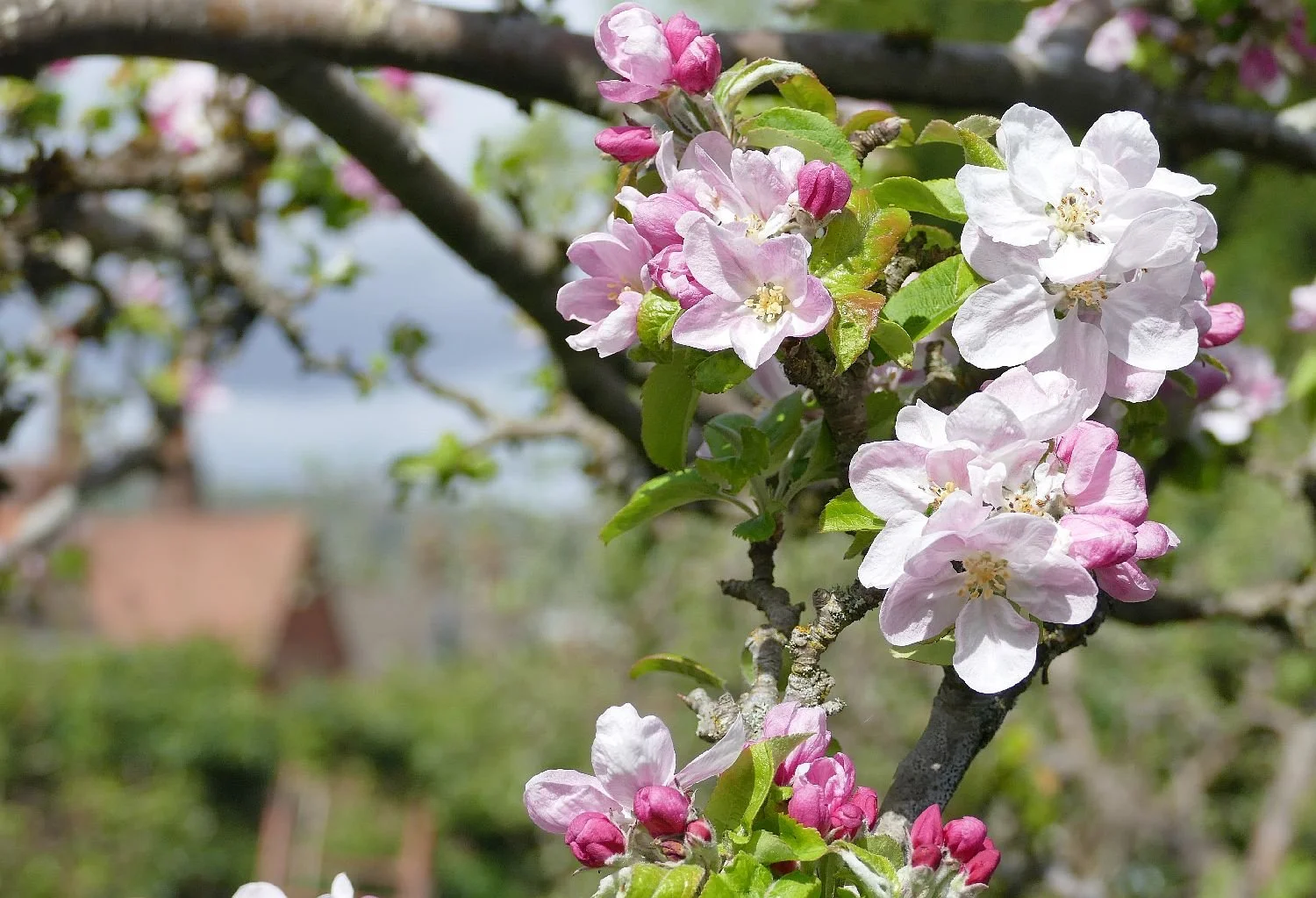
When will the primroses be out? When can we take the annual southern English pilgrimage to gasp at the site and scent of massed bluebells, rising from the floor of a deciduous woodland not yet in full leaf? Will the frost get that early apple blossom? Did we miss the cowslips or have they died out?
This year, Terroir took its spring walk on the North Downs, between Sevenoaks and Westerham.
This southern landscape was experienced by one of us as a child, and the parental talk was of open downland, of springy turf, full of the wild flowers (violets and thyme) which could survive summer sheep grazing, of coppiced woodland and of views southward over the Weald to Ashdown Forest and hazy glimpses of the South Downs.
One of us has no memories of Gatwick Airport, opened as an aerodrome in the late 1920s, graduating to RAF Gatwick in the 1940s and re-born as a full commercial airport in the late 1950s. There was no roar of motorways to sully the soundscape, just parental tales of walking the Downs in the 1930s, or of the derring-do of wartime fighter pilots based at nearby Biggin Hill Airfield.
How does that nostalgia and tradition compare with the landscape as experienced by Terroir at Easter 2026? The key element – the chalk based geology of the North Downs – has not changed, but the surface a treatment by agriculture, urban growth, accessibility, recreational trends, new technologies, and more has, of course, created a different landscape and set of management priorities.
Walkers (Terroir included) now tend to come by car and we contributed to the clogging up of Kentish lanes by squeezing the car onto a modest road verge, close to the route of the North Downs Way National Trail. Even when you know, intellectually, that chalk grassland now supports arable farming, it is still a shock - to us older ones at any rate - to join the North Downs Way, pass through the roadside hedgerow, and emerge into, yes, a ploughed field.
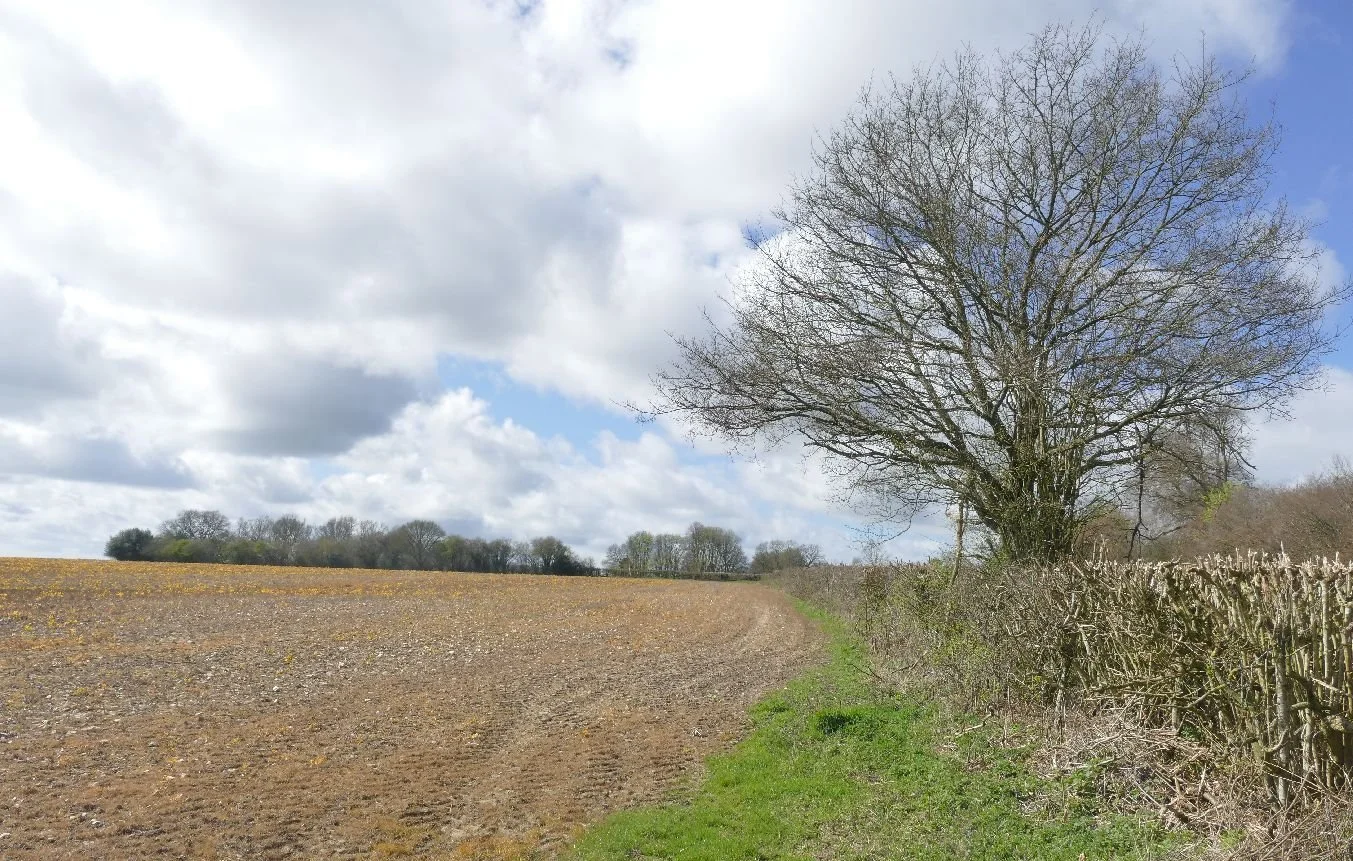
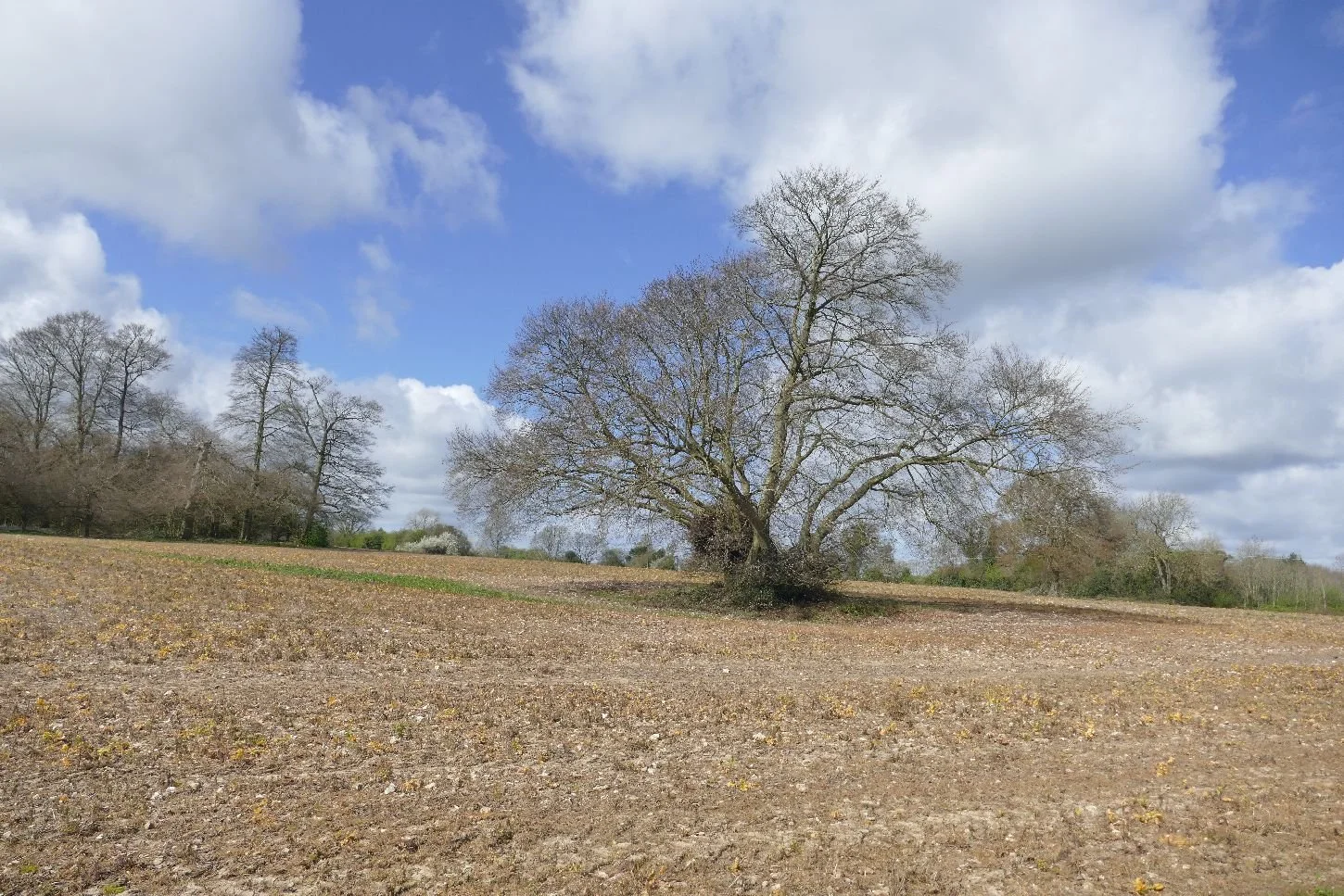
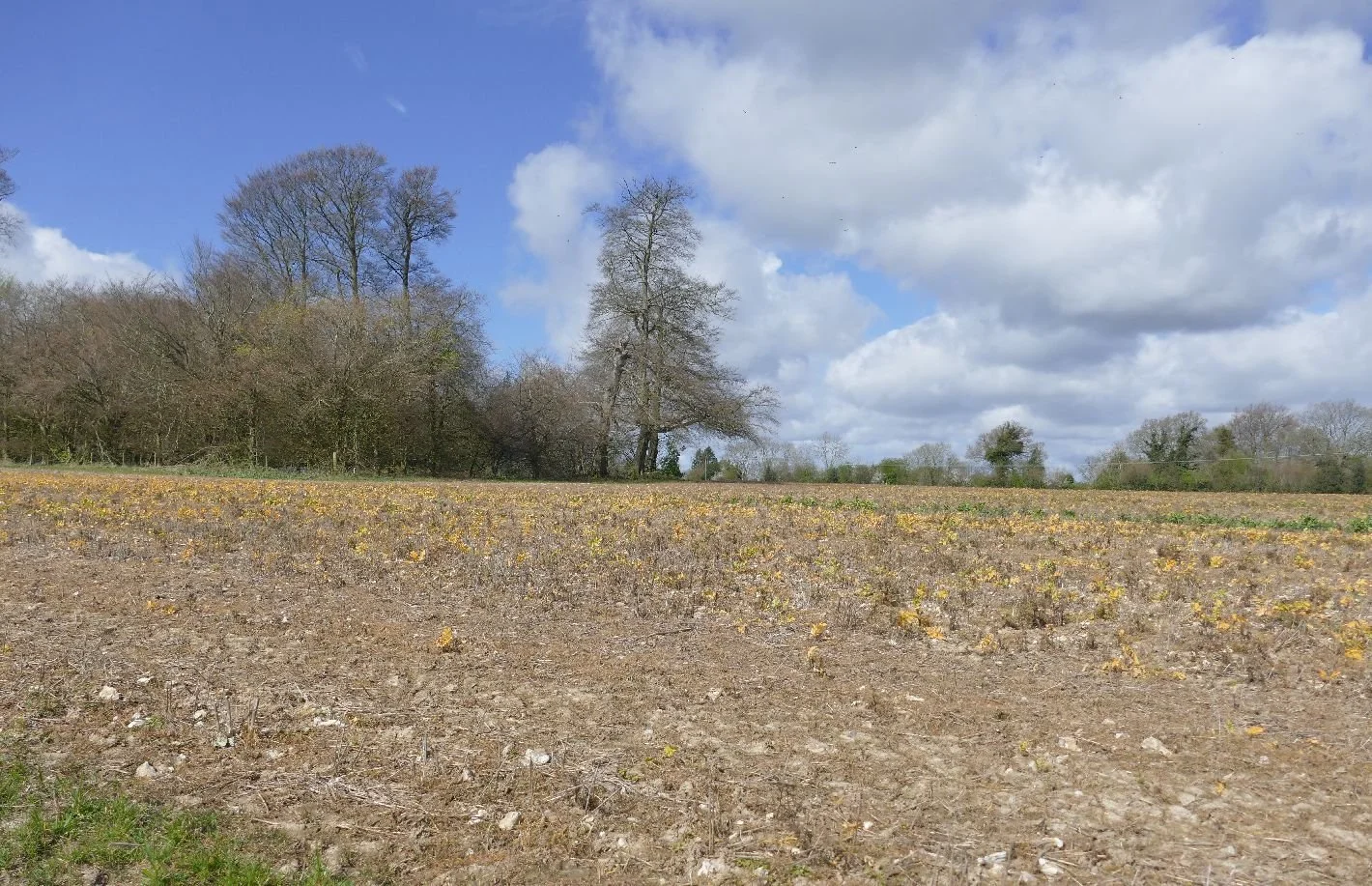
Once through the arable, we were back into grassland for the rest of the walk, but this is not the springy close grazed turf of the 1950s and 60s, but lush, bright green, low diversity, animal fodder. And if you think the springy turf was a myth, one of us has a clear memory of the shock of first experiencing this violet strewn phenomenon, and actually bouncing up and down on it!
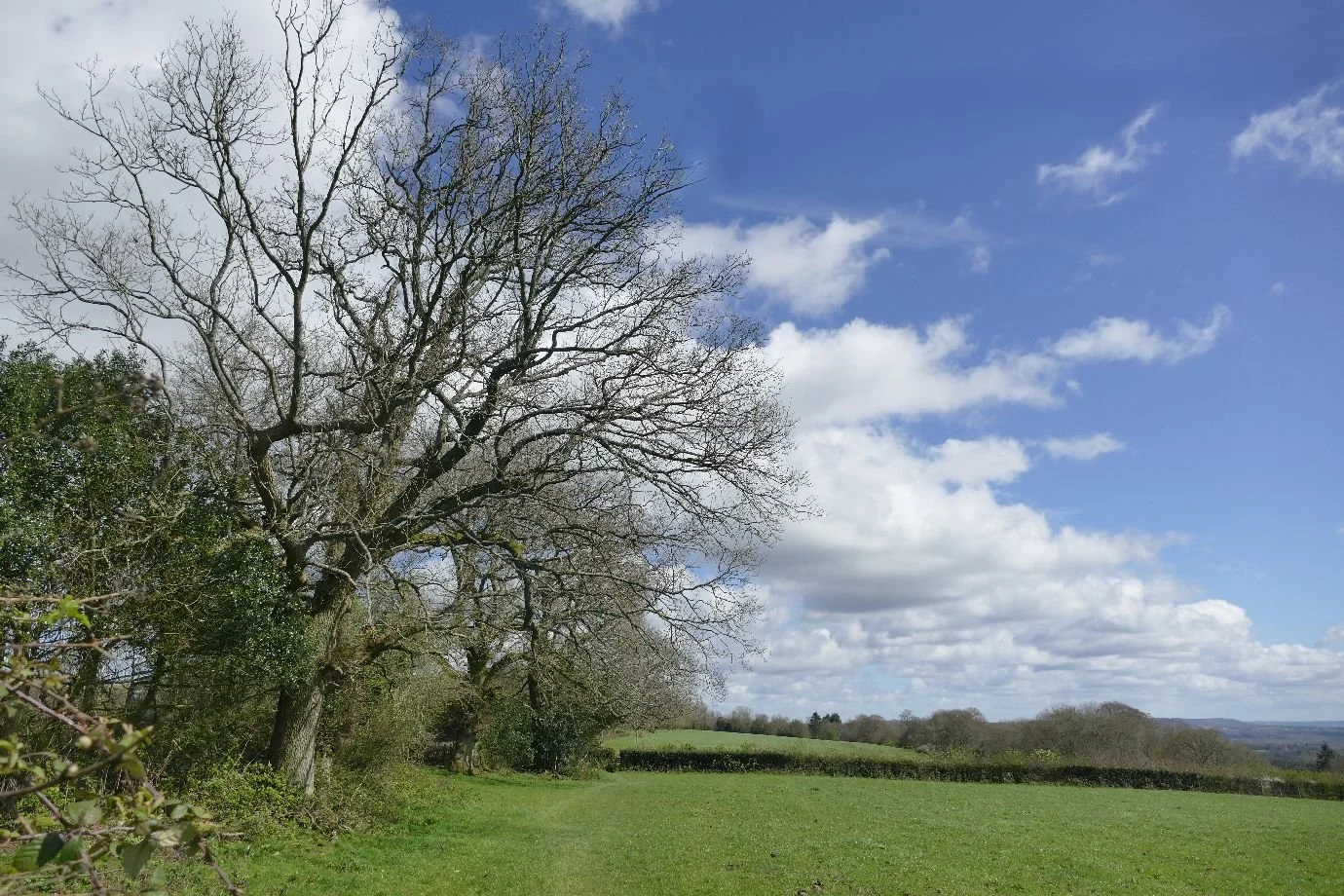
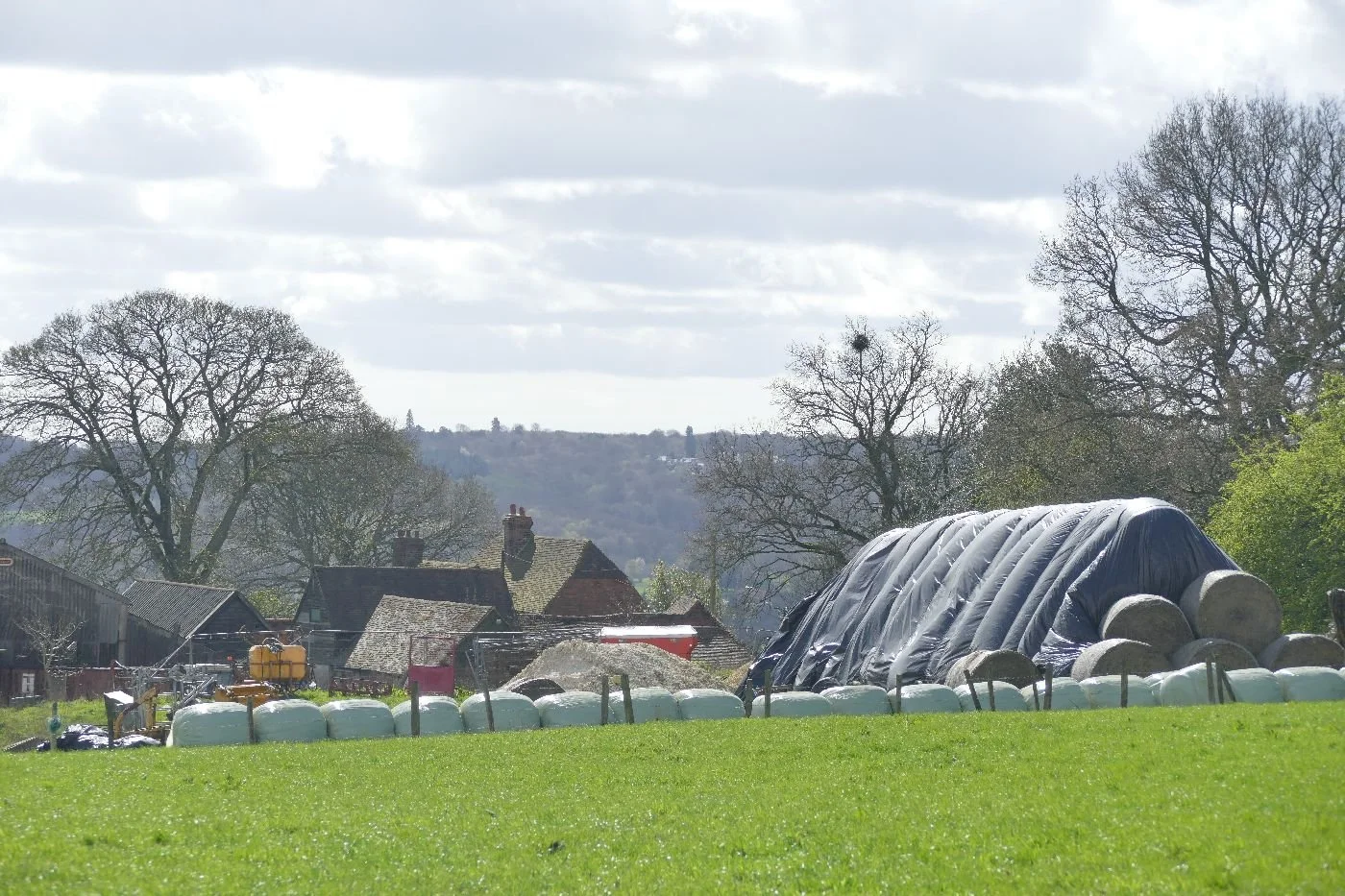
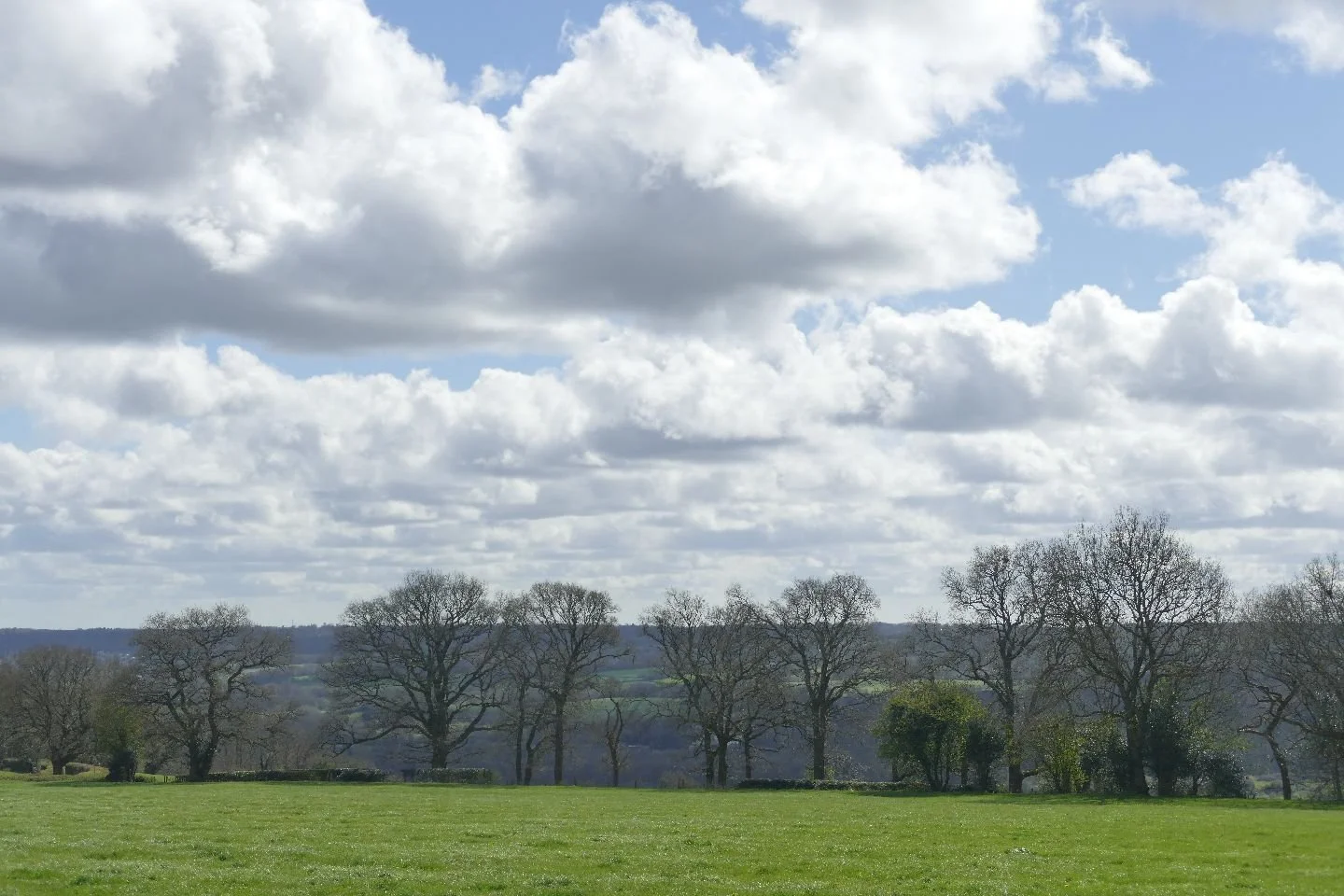
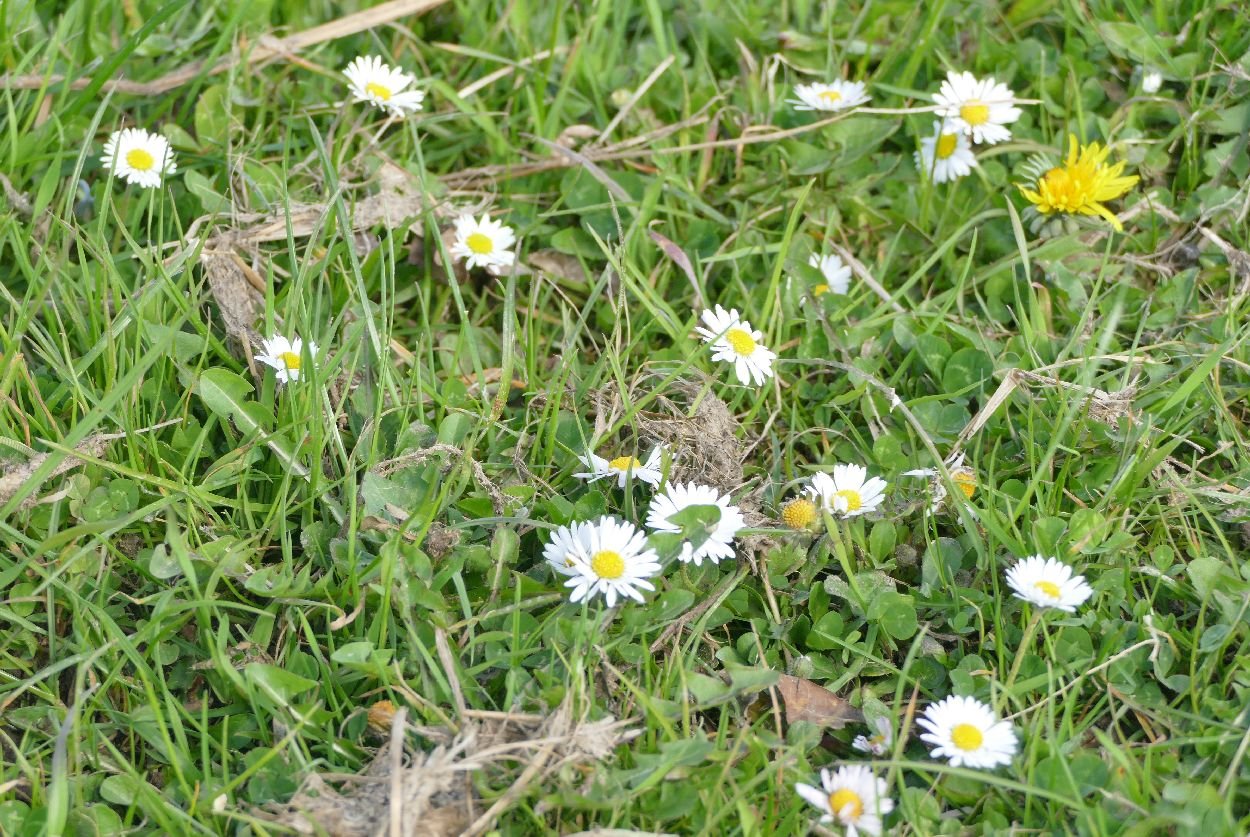
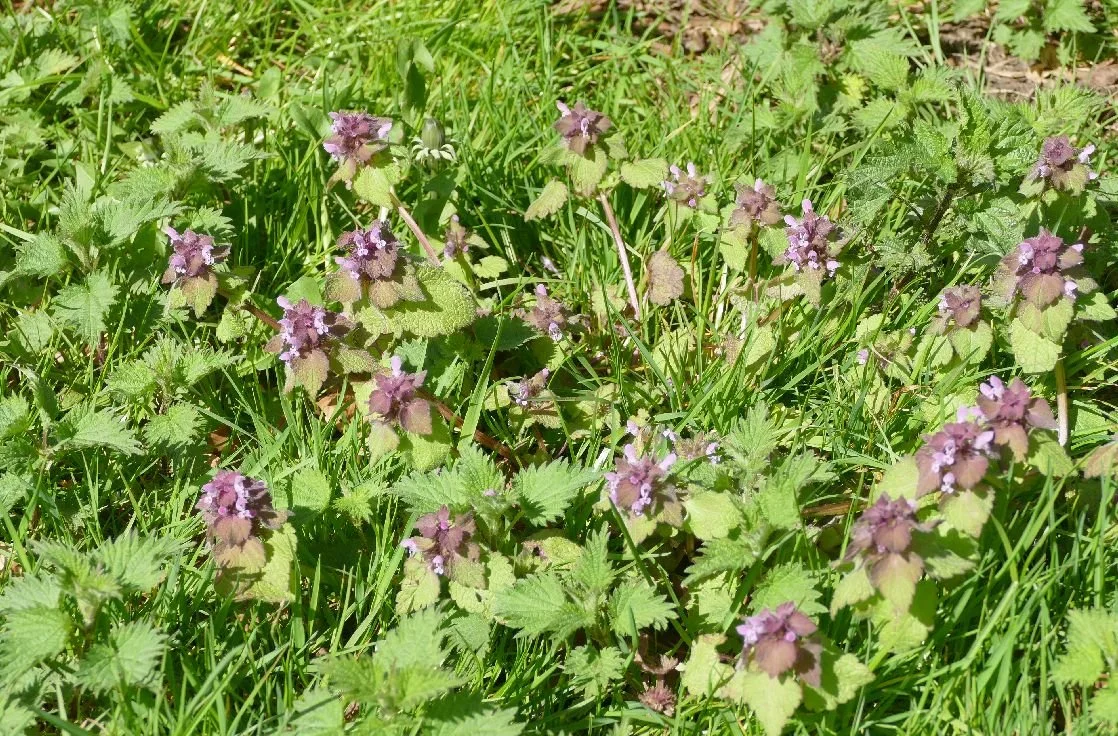
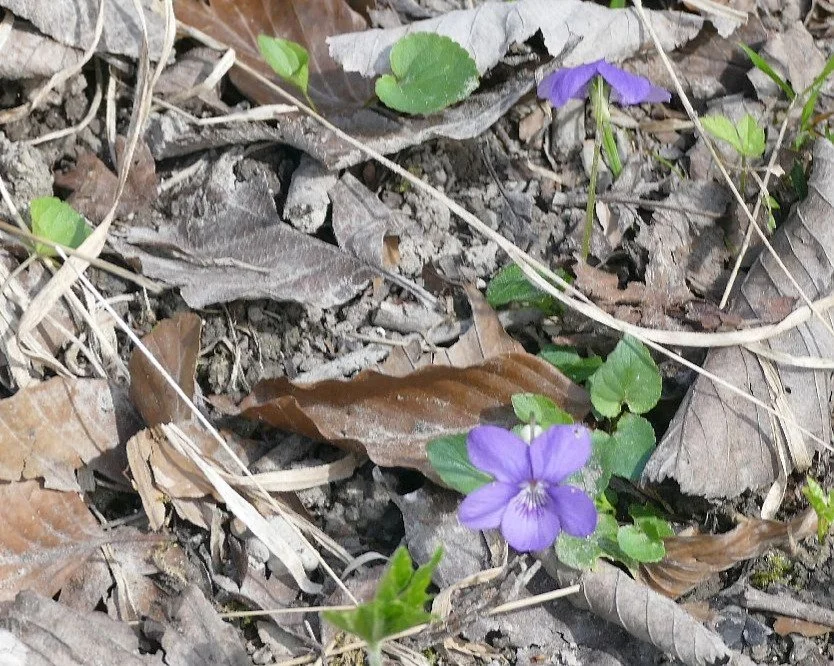
As you can see, many of the hedgerows are still there and this is where you will still find some of those classic wild flowers. To be honest, I would expect to see daisies (left) and selfheal (below) in an unkempt lawn and their presence certainly supports the feel that this is fodder crop grass rather than traditional grazing land.
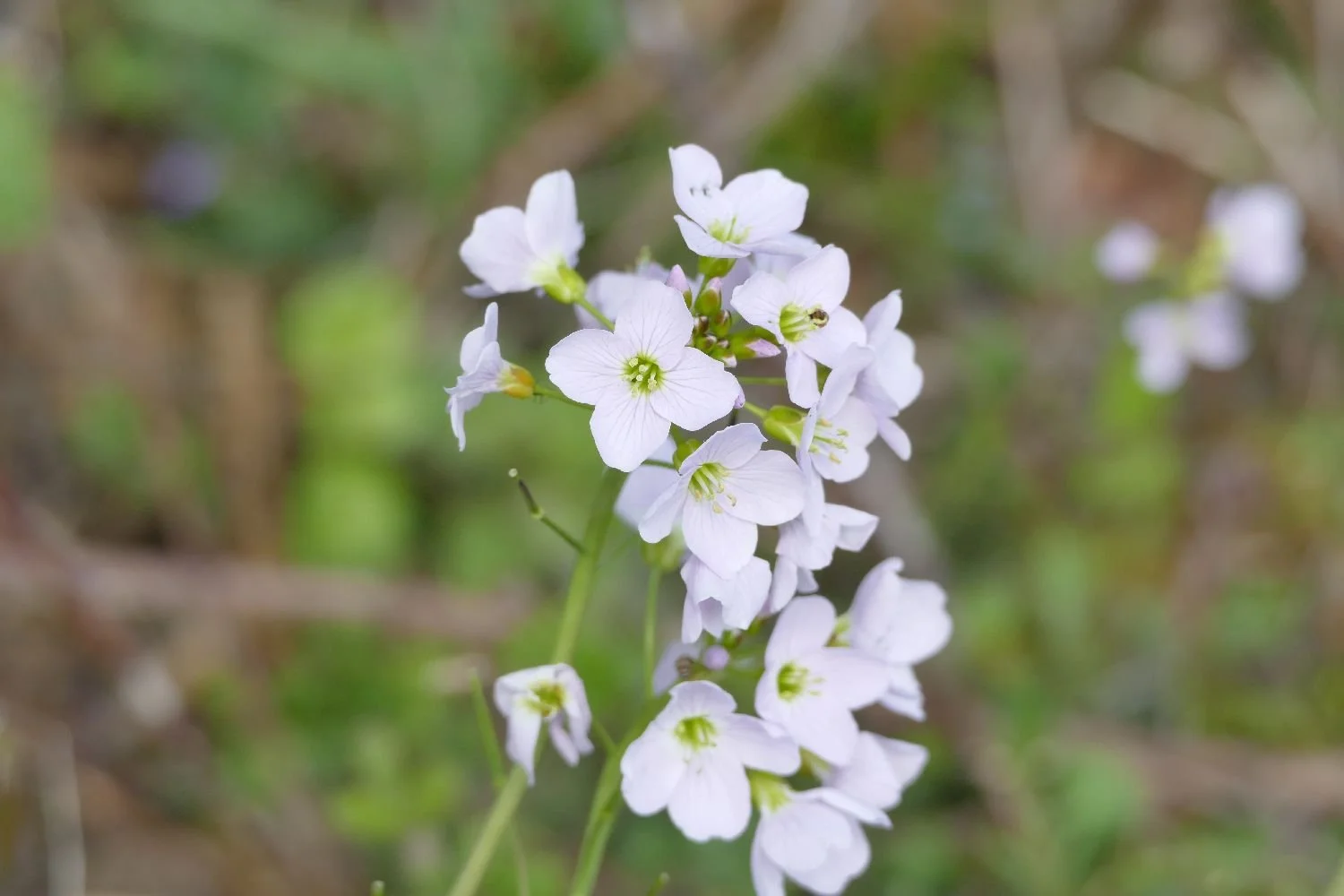
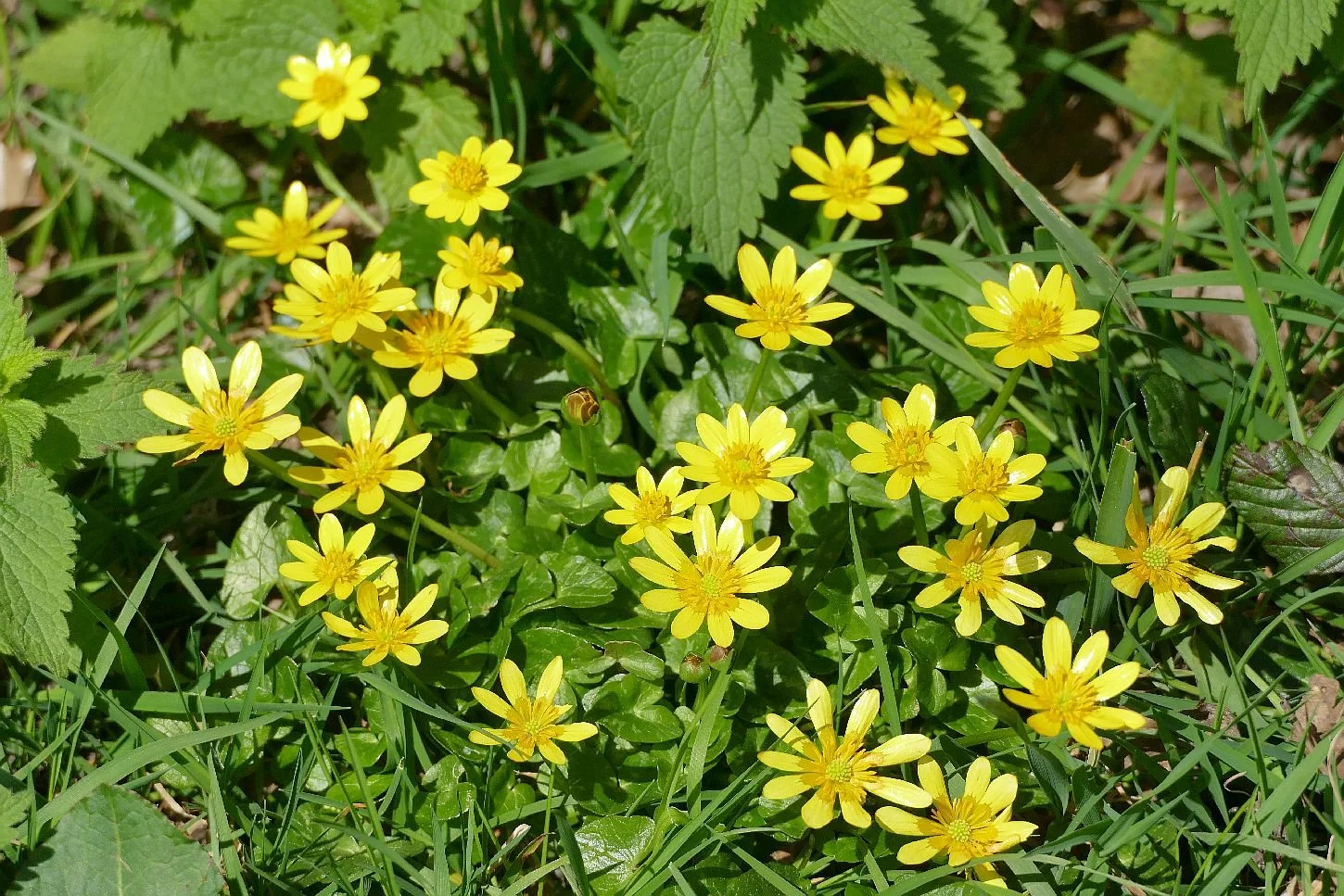
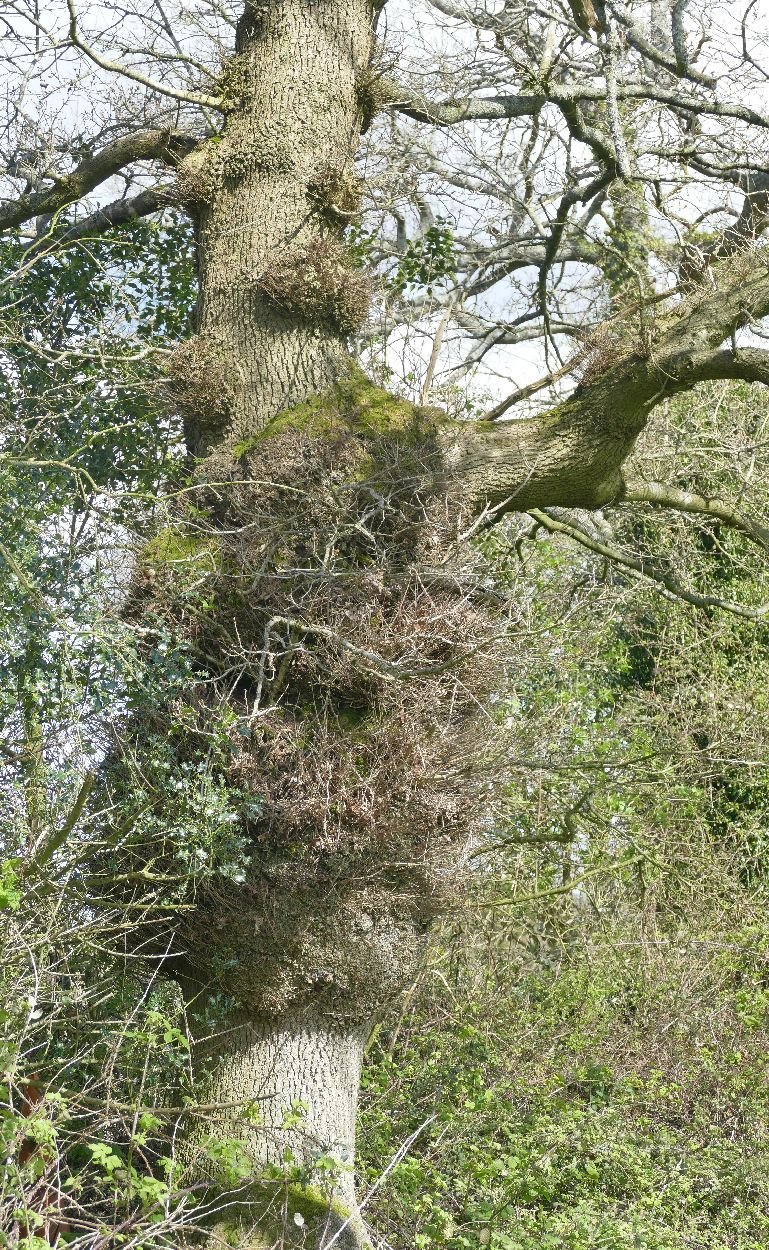
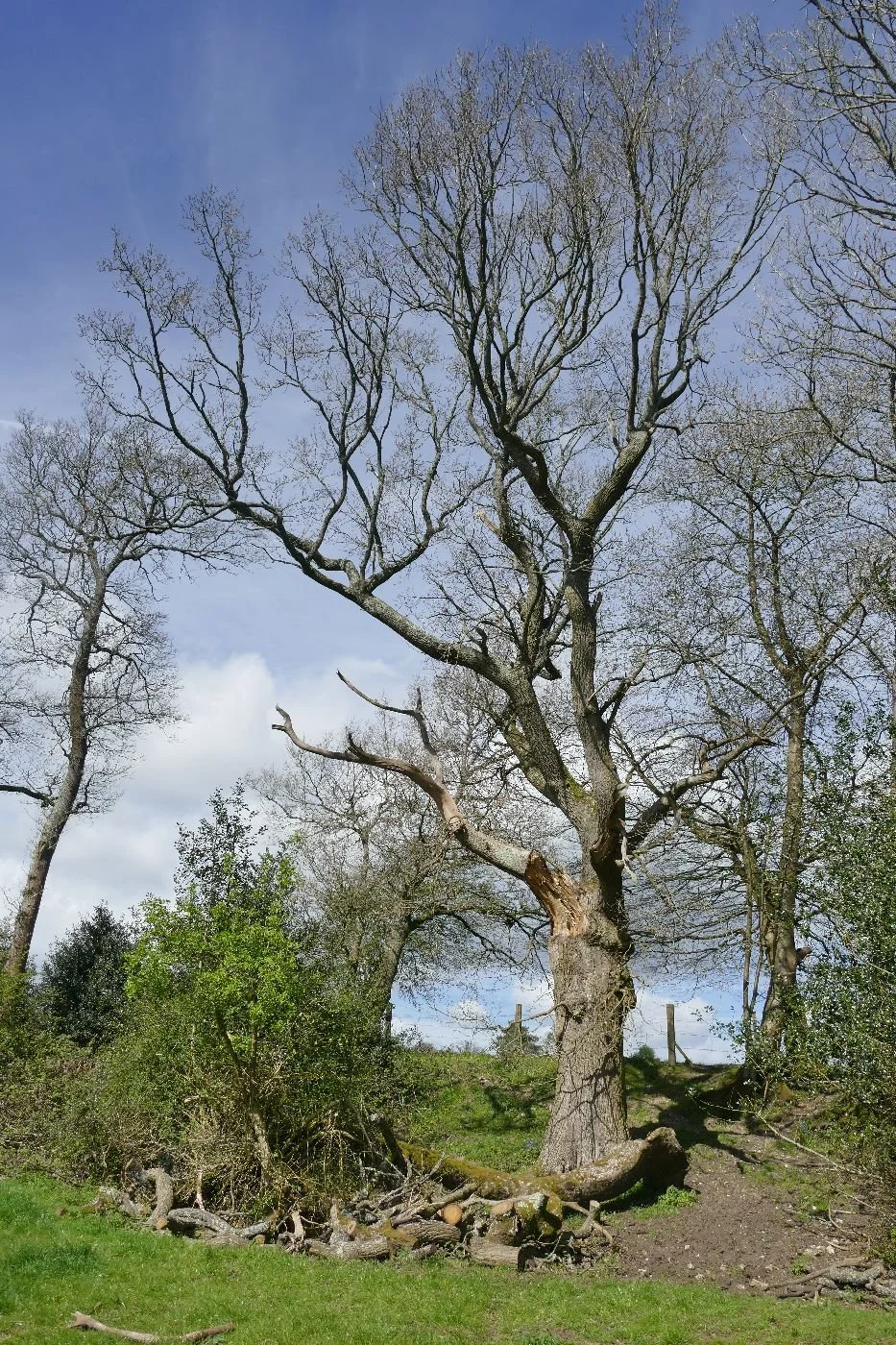
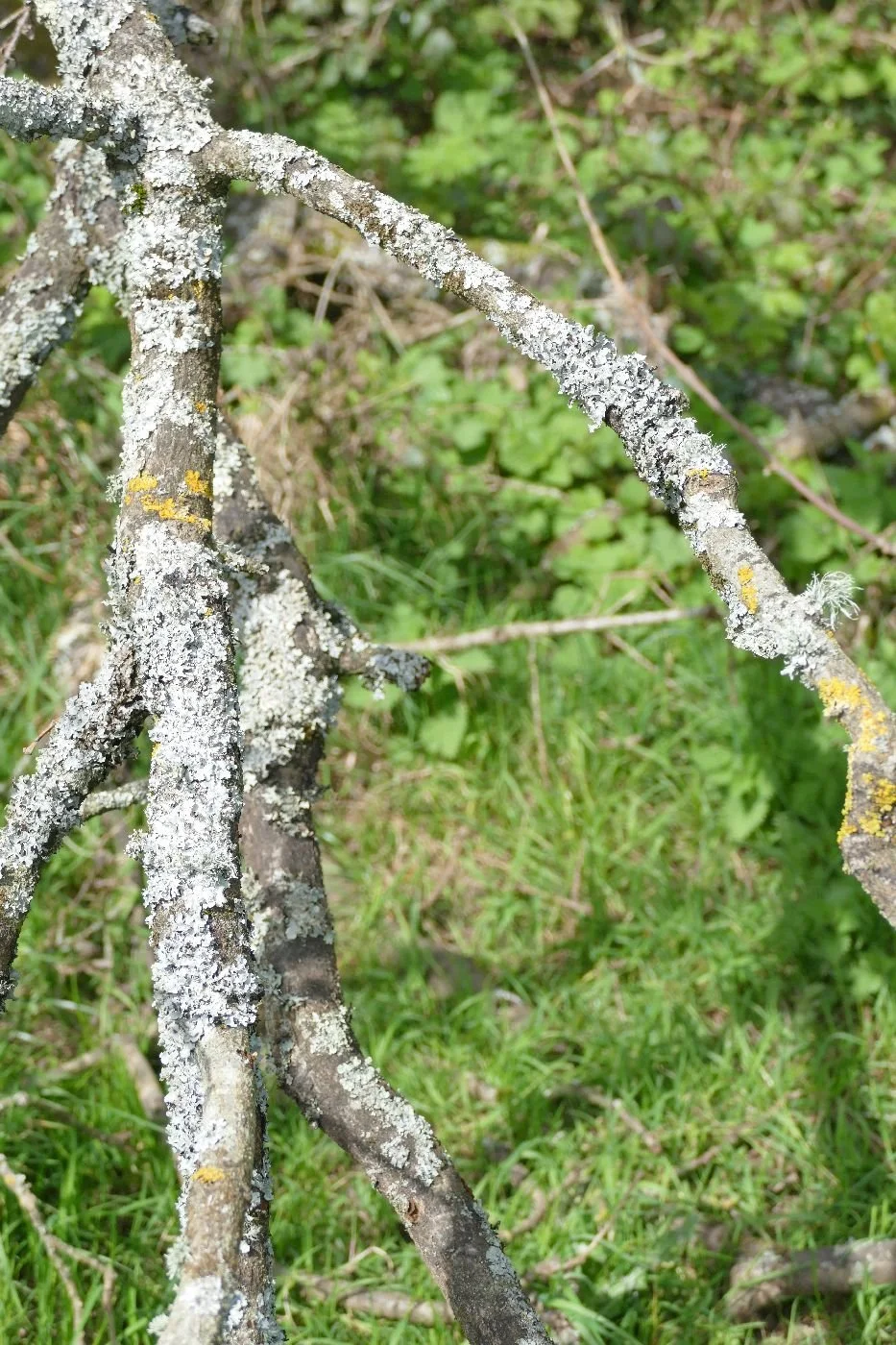
The hedgerow oaks are old and tired, however, with few replacements. The current oldies are providing great habitat for invertebrates and lichens but may not be around for the next generation of downland walkers.
Bluebell woods are still very much with us, in the south, at least, but their management, as rotationally coppiced woodland with bigger widely spaced ‘standard’ timber trees, is becoming more and more a heritage craft than a form of woodland management with an economic future. How many bean poles, hurdles or pit props does Britain need these days? In the south of England, this Easter was timed perfectly for bluebell viewing, but our photographs clearly illustrate the continuing loss of elements of this managment style which encourage this spring flowering display at ground level.
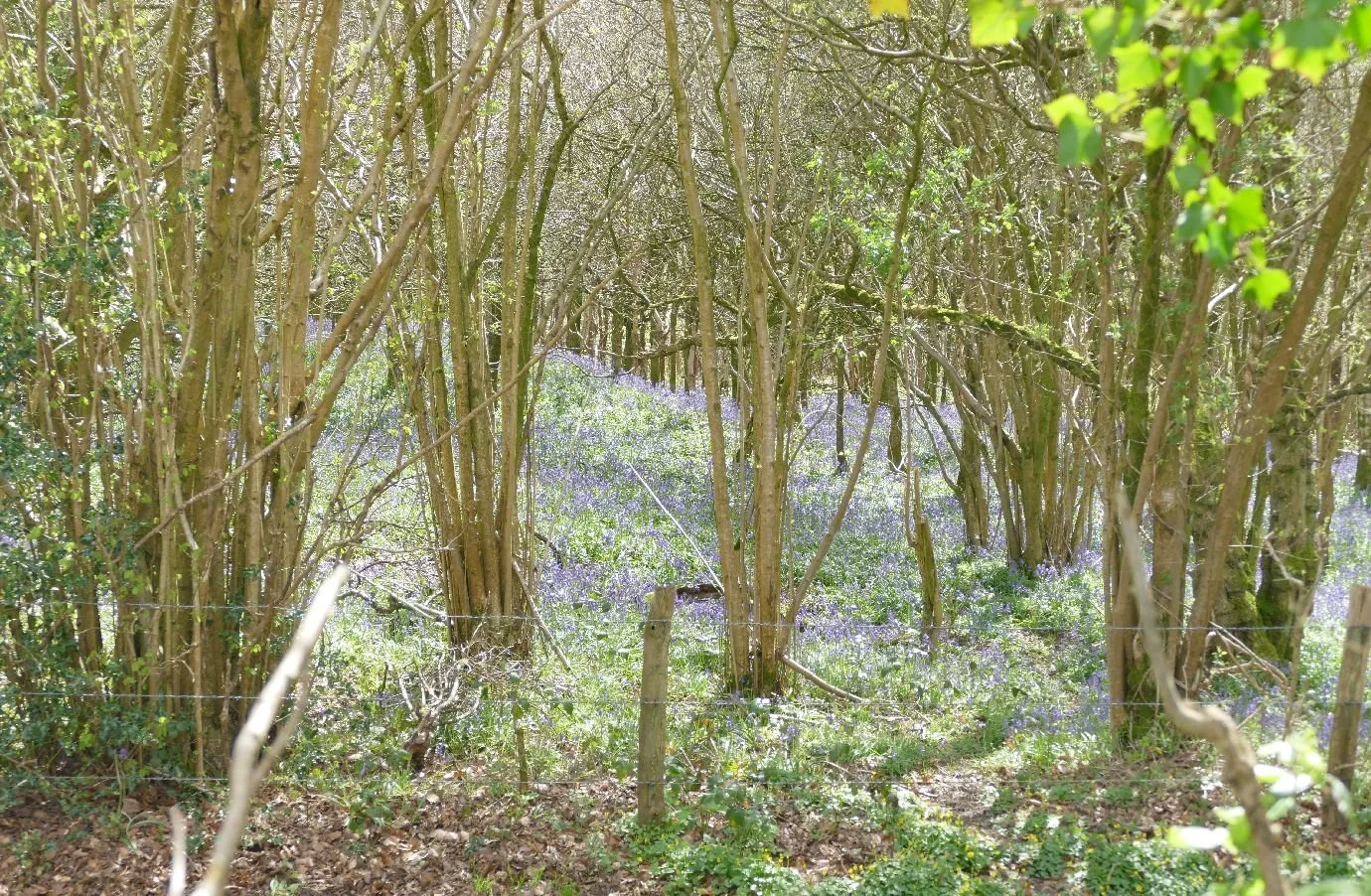
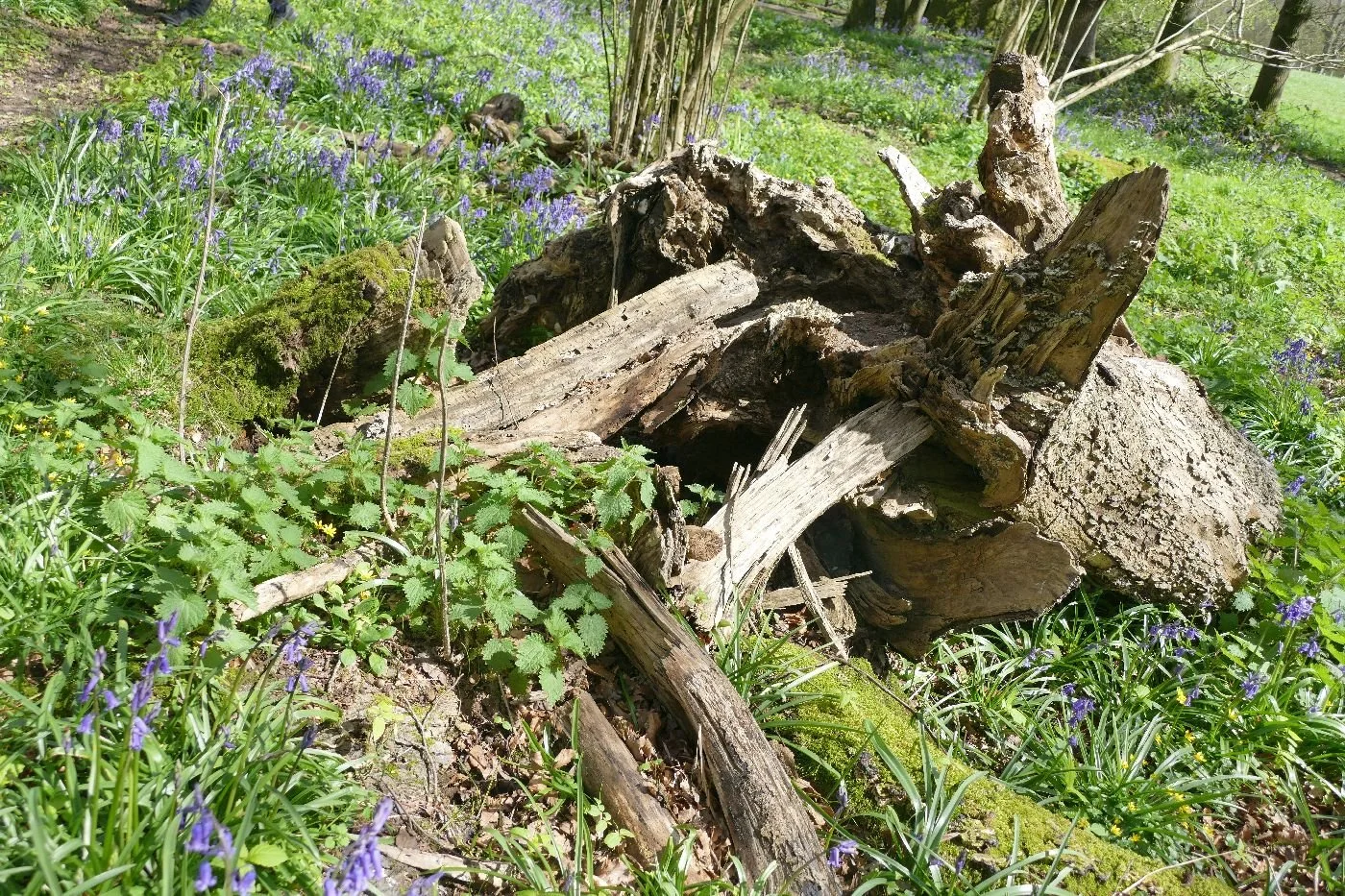
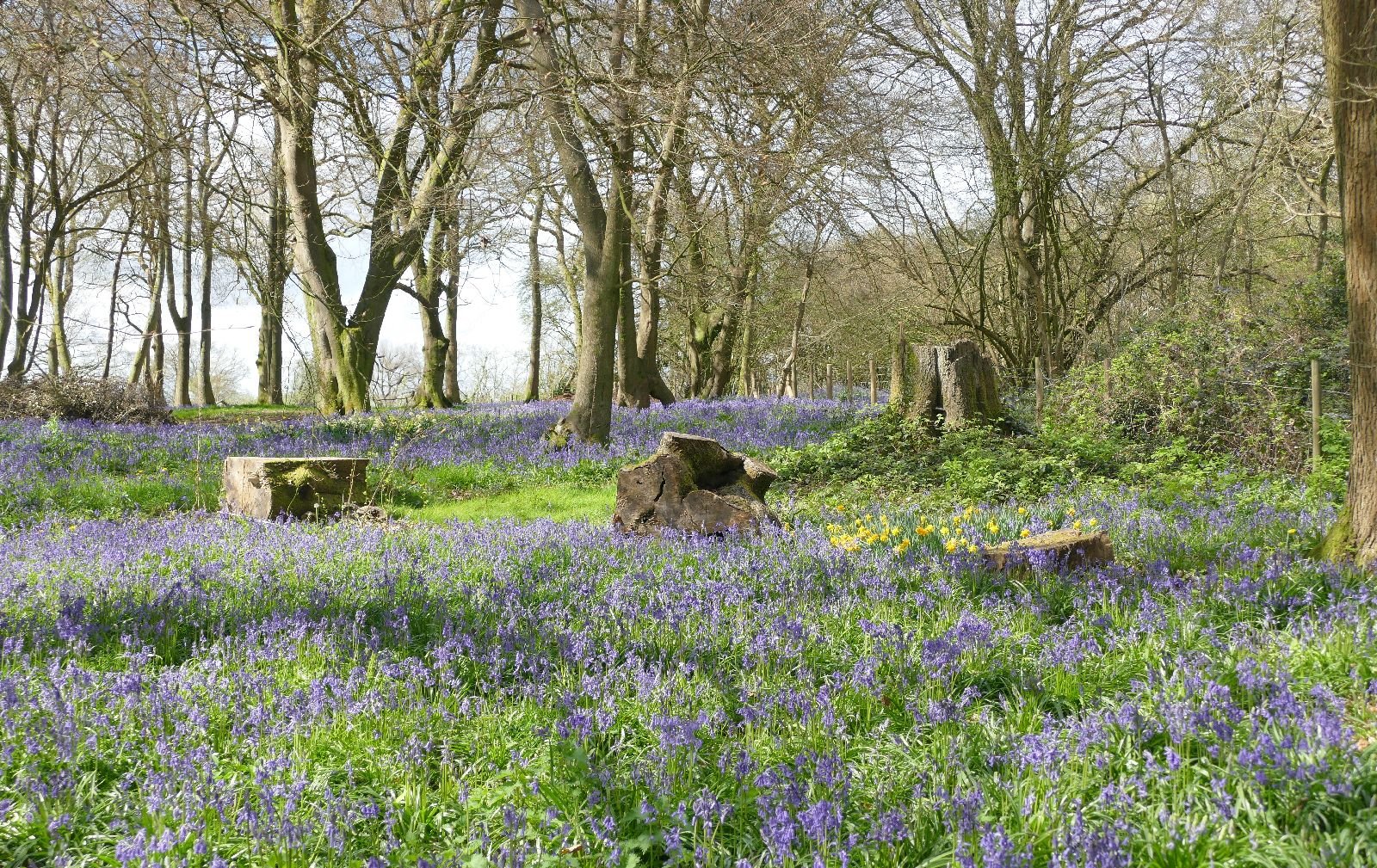
Left: coppice - but will anyone harvest it? Centre: the remains of an unloved and unwanted standard Right: the ghosts of the big oaks and not a coppice stool in site
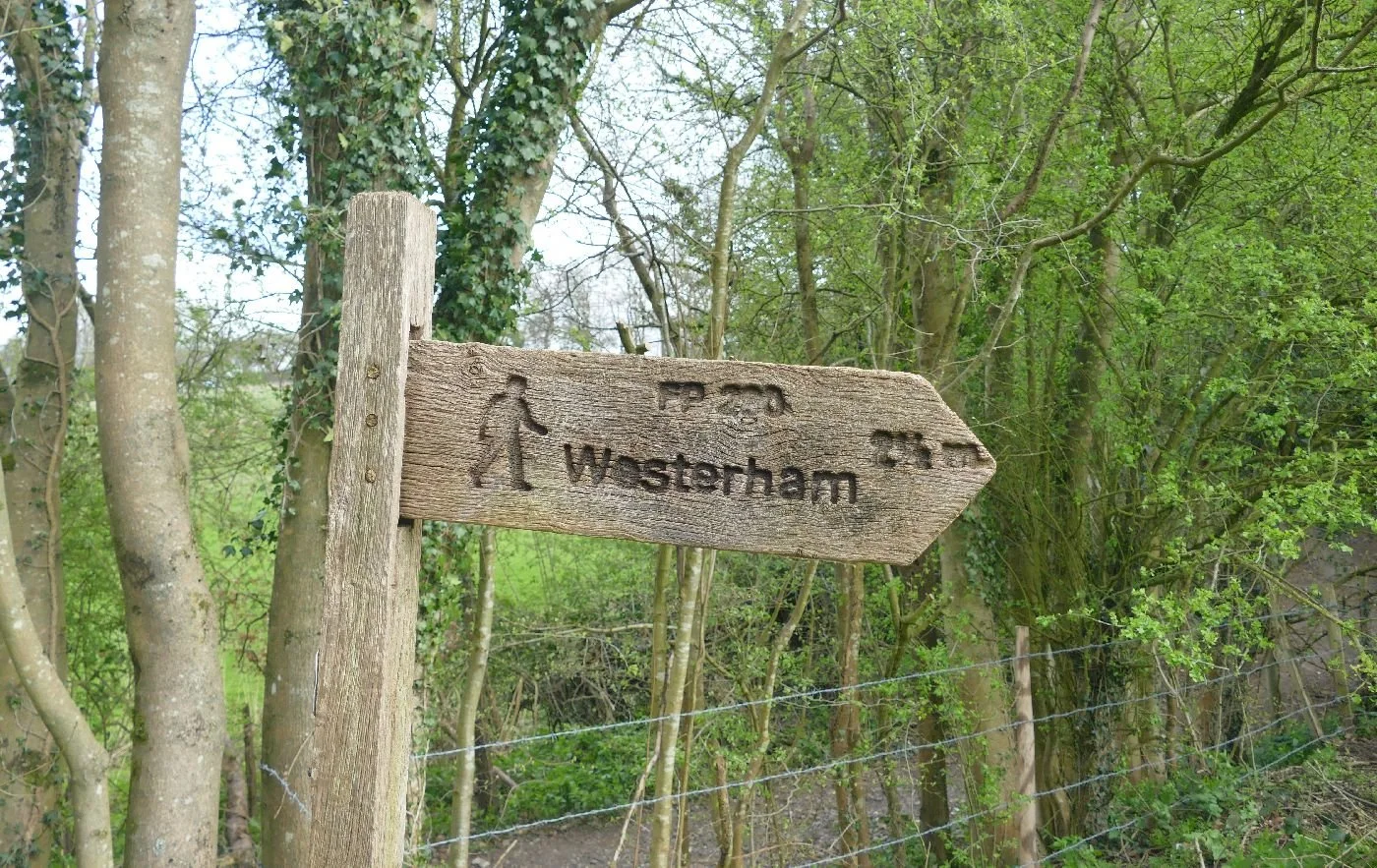
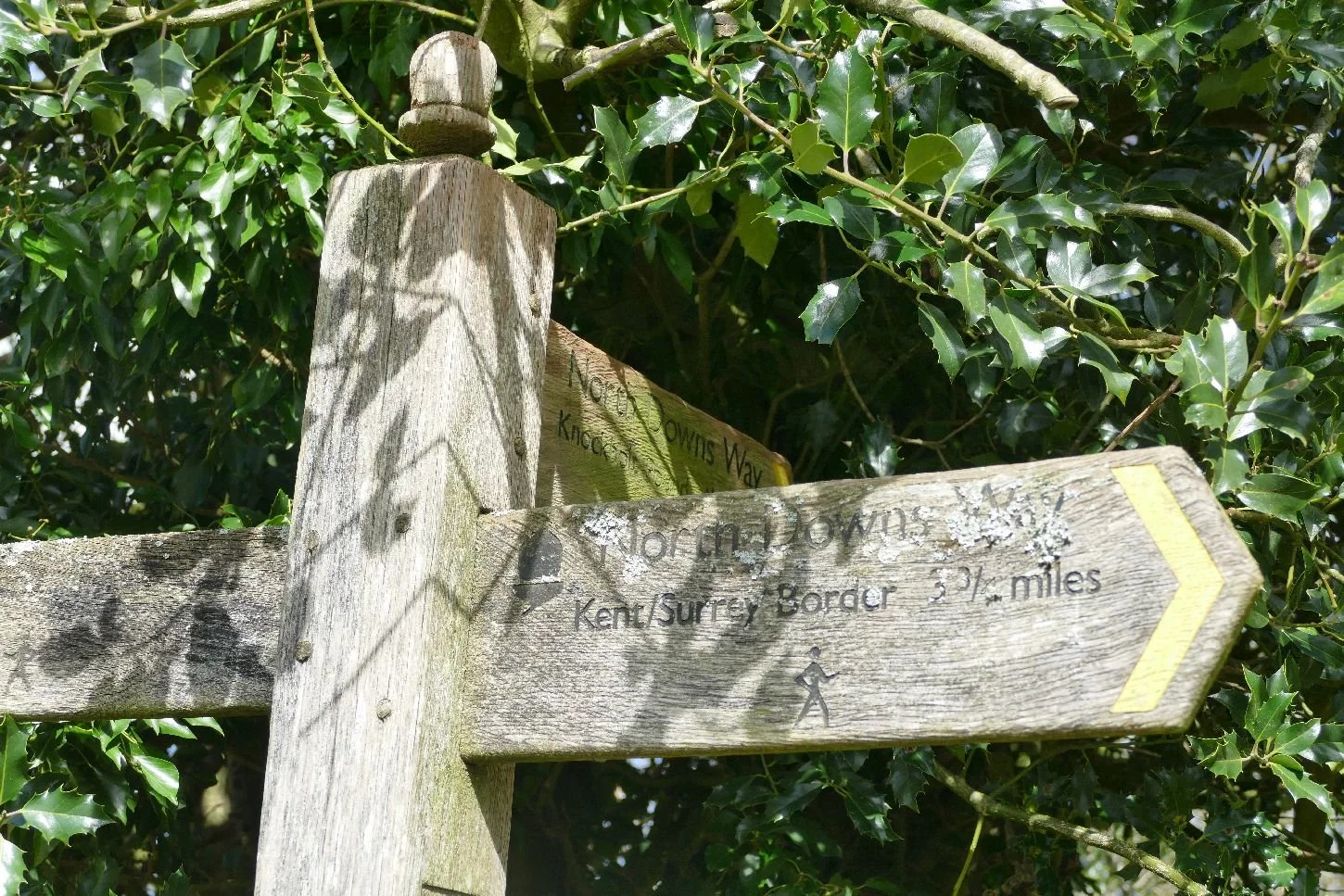
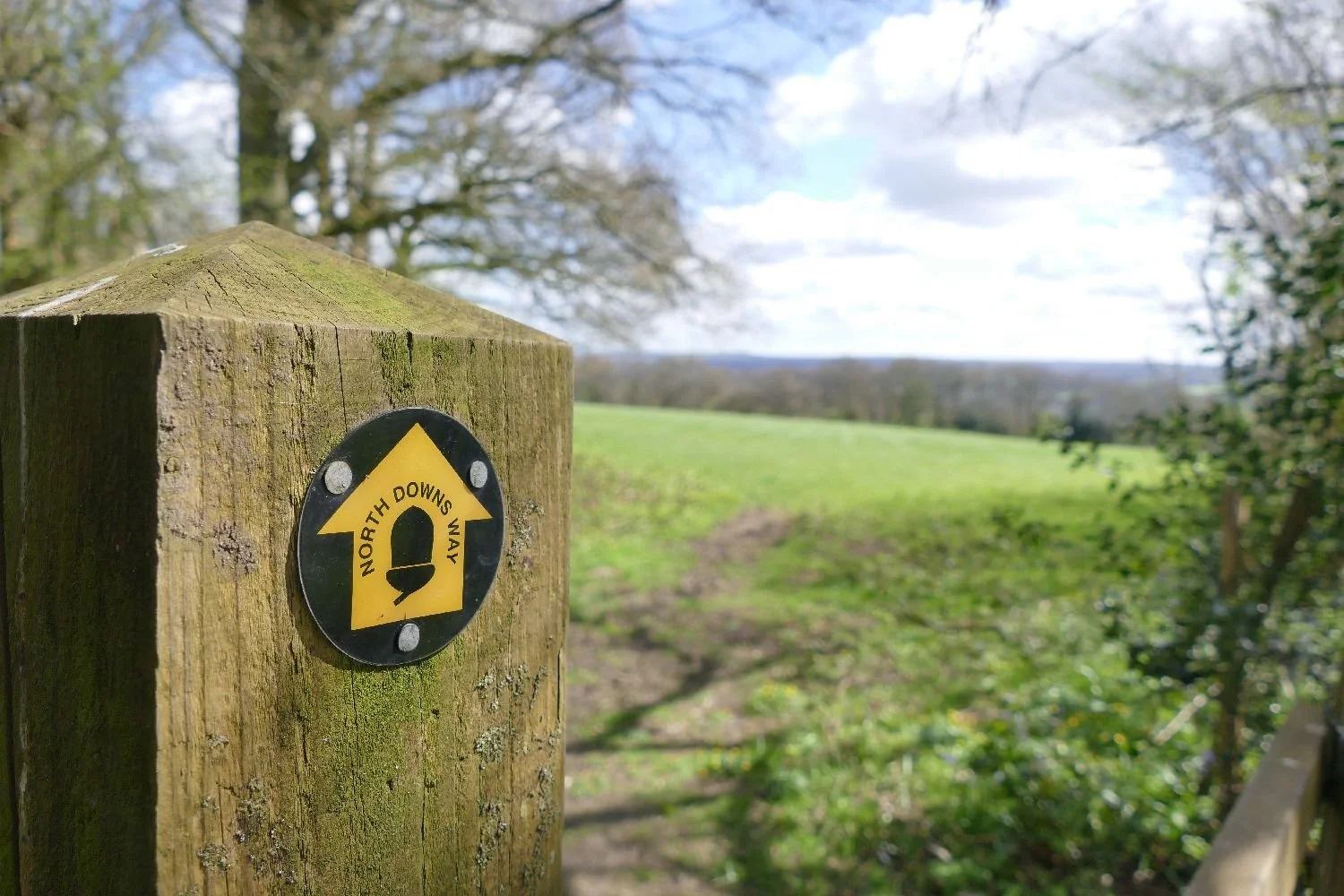
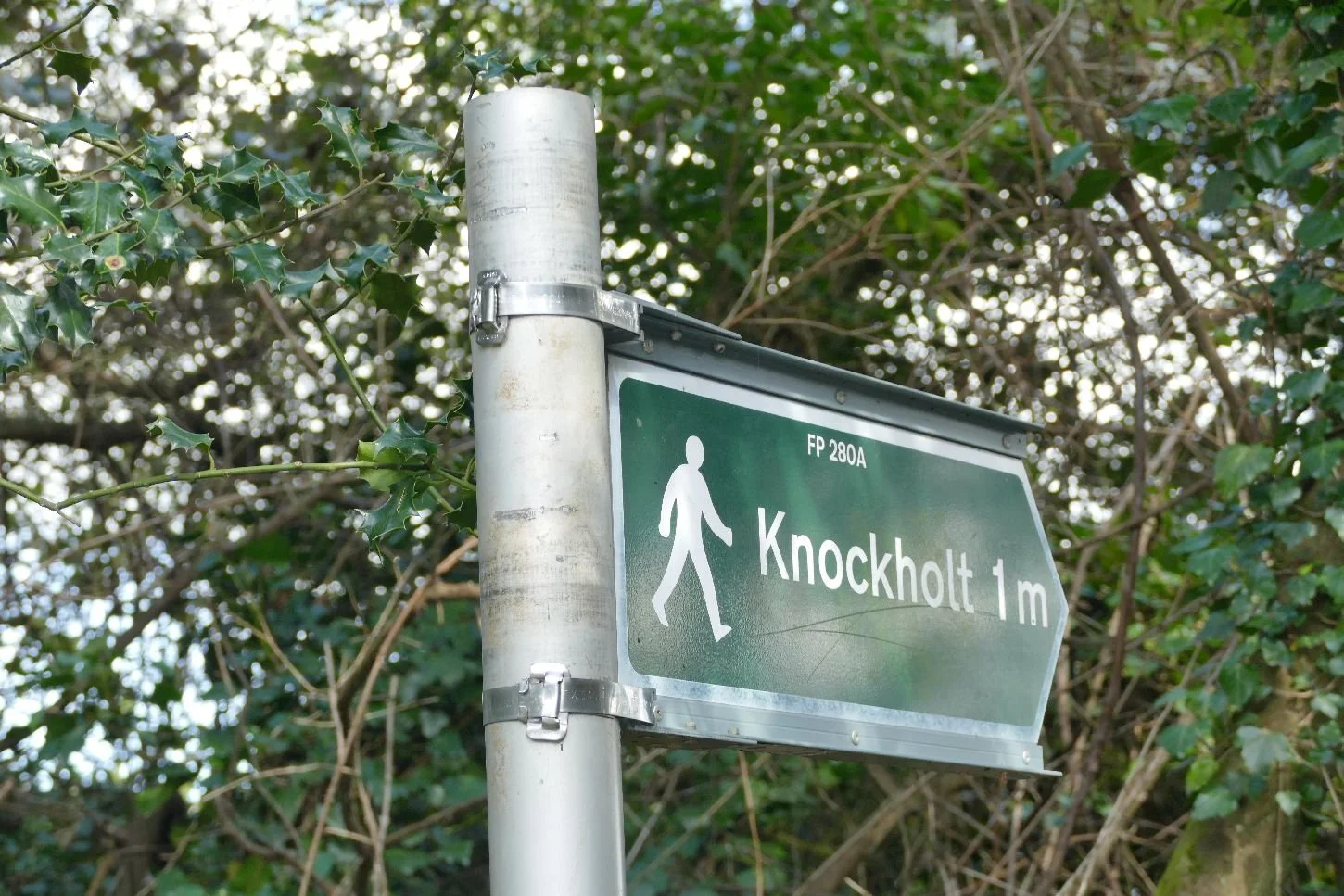
Even the character of our signage has changed. Are new materials more durable than old? Which will last the longest? Will the National Trails’ acorn become the walkers icon of the future, assumimg enough remain in place and still point in the right direction? Knockholt is certainly signed clearly, but do we really need to know that we are following footpath 280A?

And we leave you with today’s grandest North Downs view: the Millennials will be telling their grandchildren that there was a time when you could see the Shard from here!