Onwards from Nice
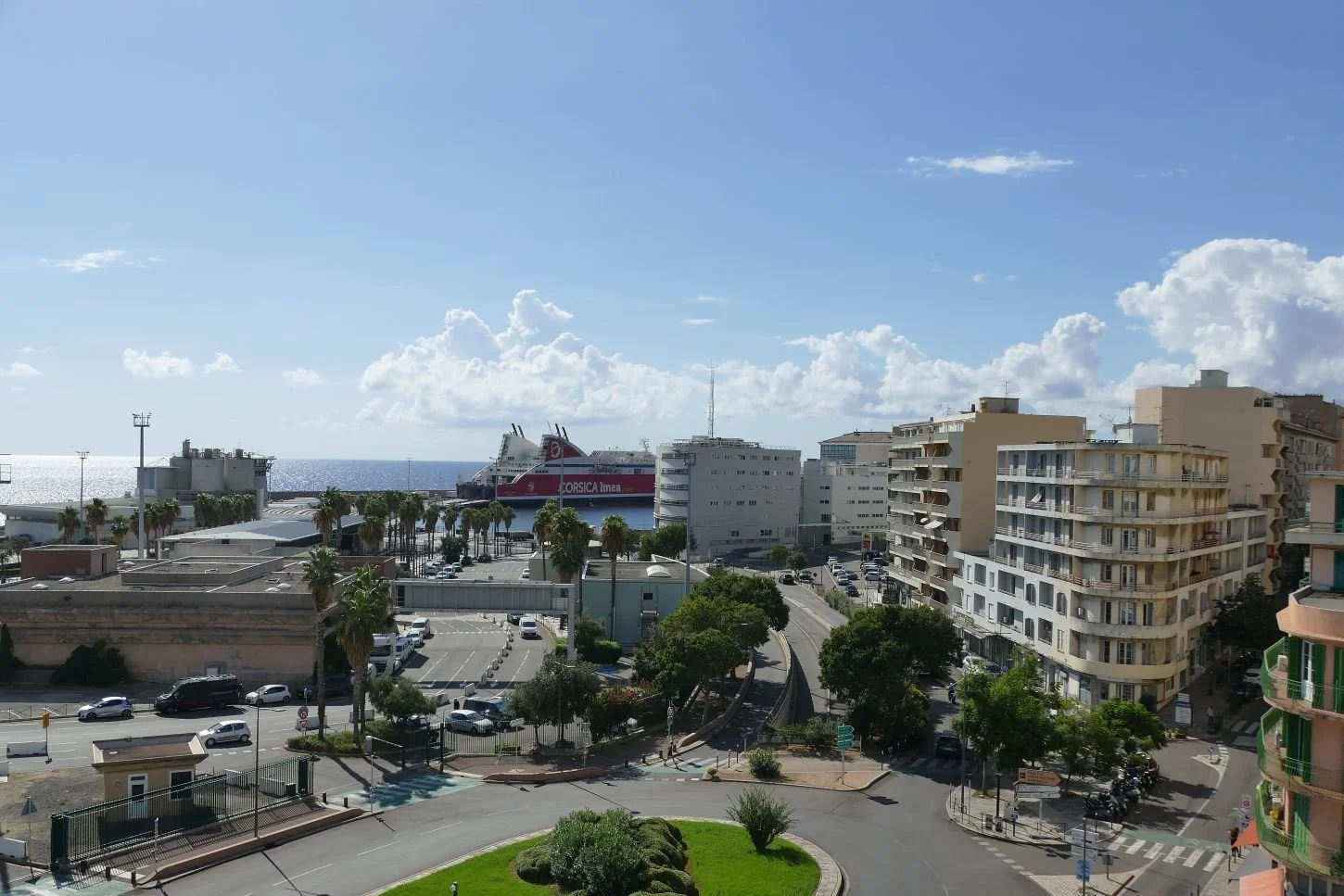
We have often wondered, on long sea crossings, why some passengers spend their hard earned cash on day cabins. If you are quick on your feet, seats ‘upstairs’ are free, the bar and restaurant are within easy reach and the views are, well, actually fairly monotonous once you are away from the coast.
Travelling on from Nice to a Mediterranean island with one of us suffering from painful conjunctivitis, has completely changed our view on this subject. The unforeseen relief of a small, private space with beds, a window and en-suite was sublime. One of us slept most of the outward voyage and, when we splashed the cash again on the way back, the luxury of reading with your feet up before a sortie to the café or the ship’s rail was wonderfully decadent.
Hot tip: on both crossings the price of a day cabin was much cheaper if bought on board rather than in advance, with no shortage of availability.
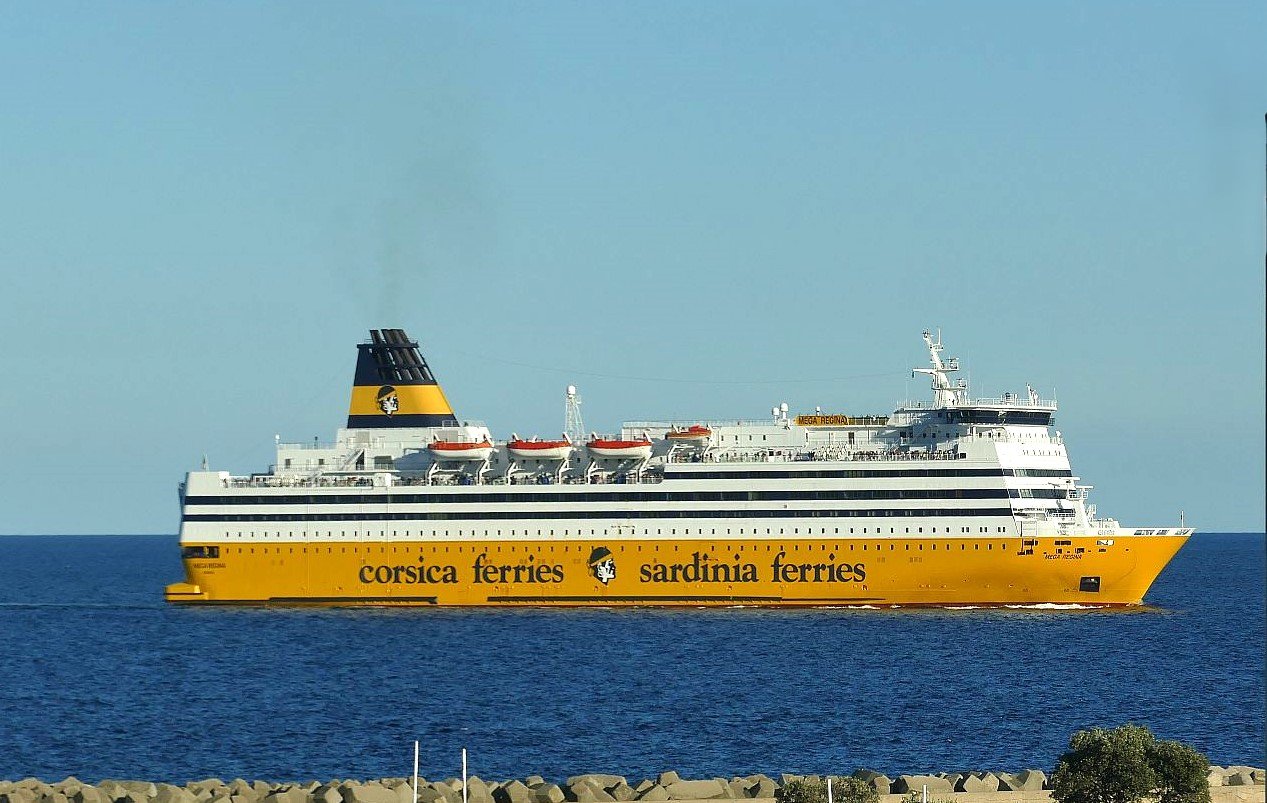
From Nice ferries go to both Sardinia and Corsica. This trip was to – did you guess? – Corsica!
We first visited Corsica in 2008 and have returned on numerous occasions, so something must have appealed to us. On our initial trip we were captivated by the usual things – amazing mountains, extraordinary coastlines, fascinating towns and villages, bold architecture (both grandiose and domestic), great walking and good food. But we also began to discover the quirky side of the granite island: a proud and vigorous population with a robust attitude to the rest of the world, a tortuous history, an extraordinary musical heritage and a spectacular railway system!
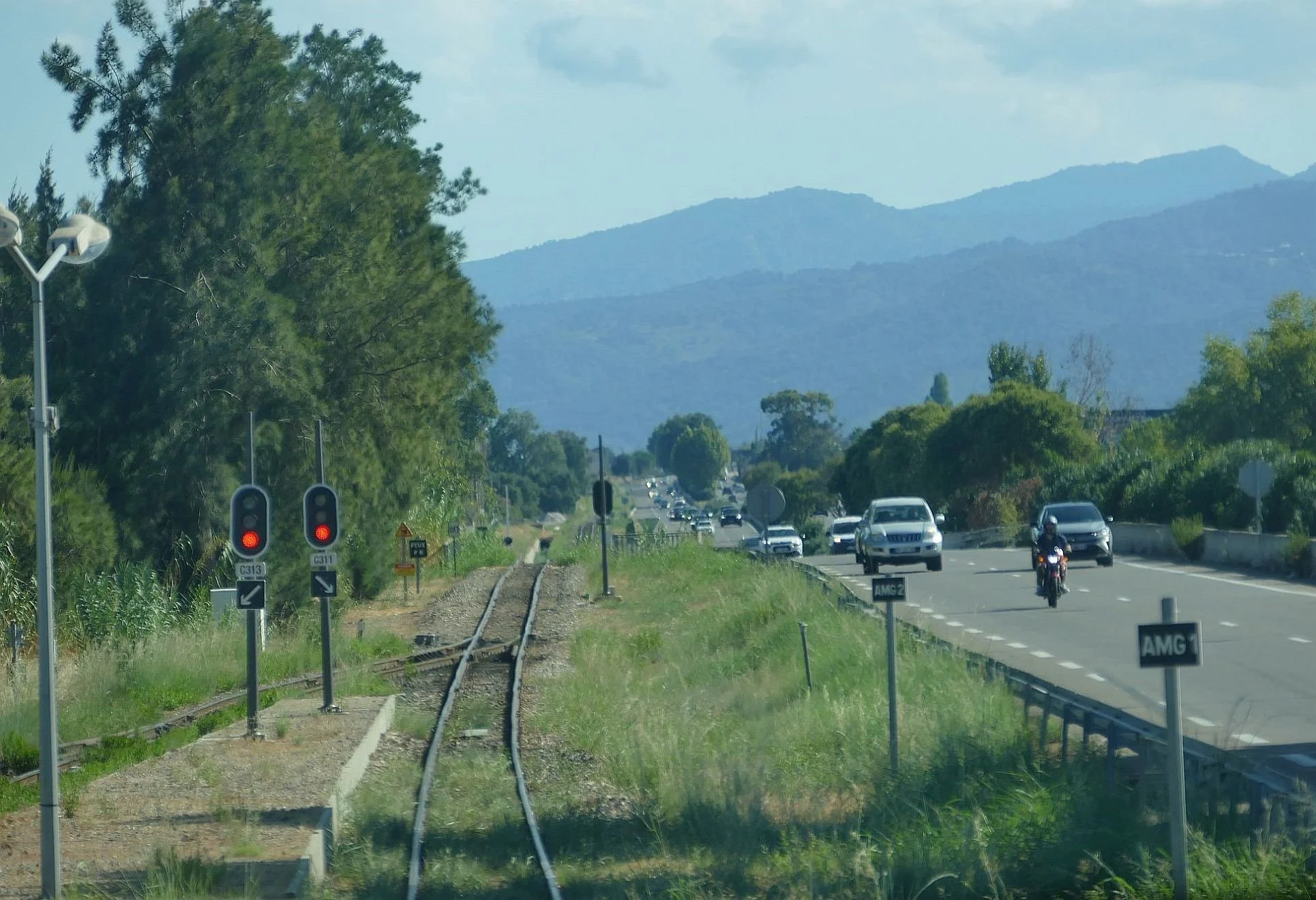
Railway construction started in the 1880s (image right - the old and the new) and it is thought that the practice of the vendetta did not die out until the early 1950s.
Perhaps surprisingly, we have only blogged about Corsica once and even then, instead of pictures of glorious beaches or mountain panoramas, we merely gave you the recipe for Pastizzu, the island’s take on bread and butter pudding. Did we mention we liked the food?
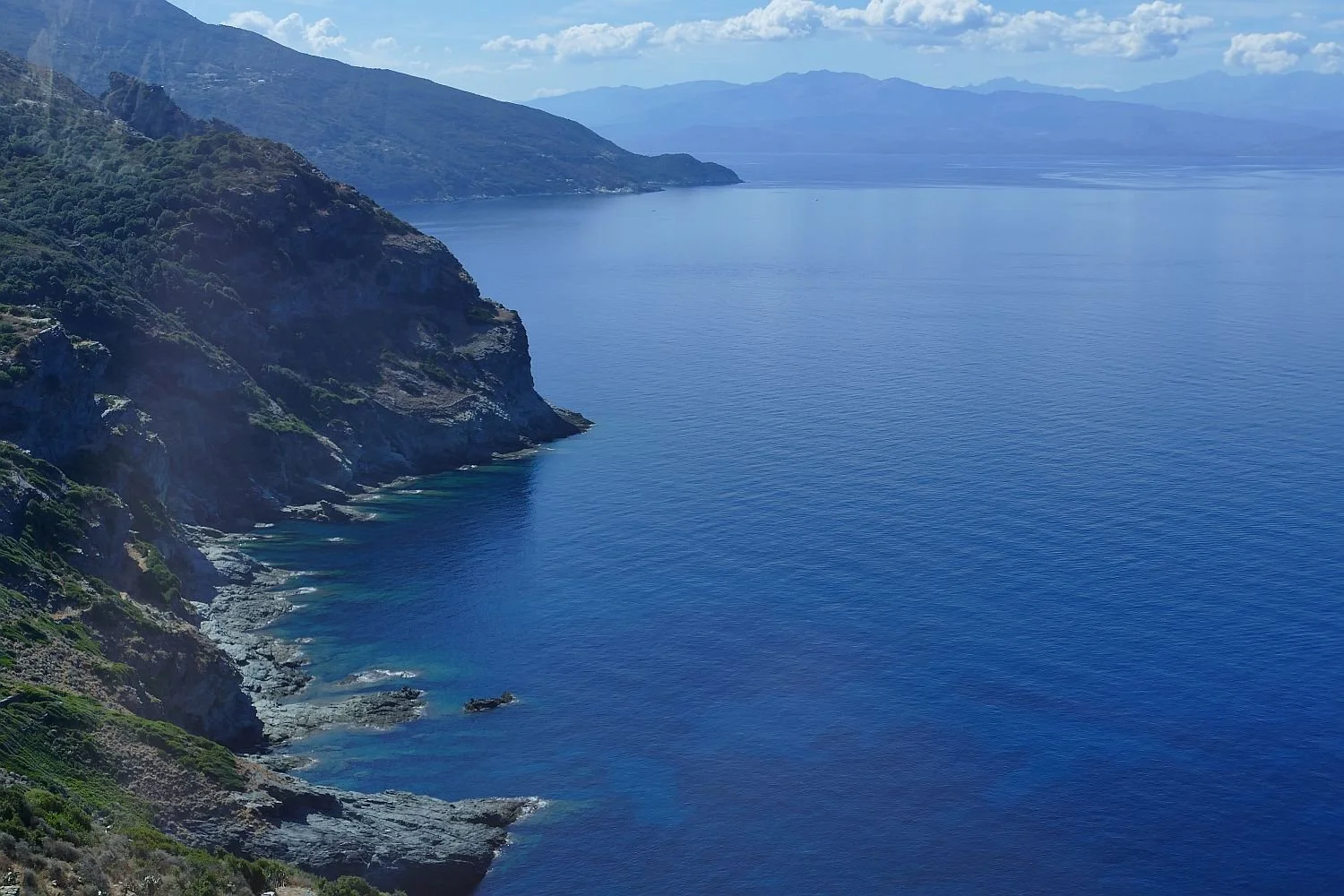
So are we going to do that again - ignore the view? It looks as though we might, as today we’re going to concentrate on some of Corsica’s quirks. But to do the island justice, we did provide a section of views two blogs ago (Blog 192 ‘Where do you think we are?’), and have thrown in some of the more traditional attractions in this blog as well - see below.
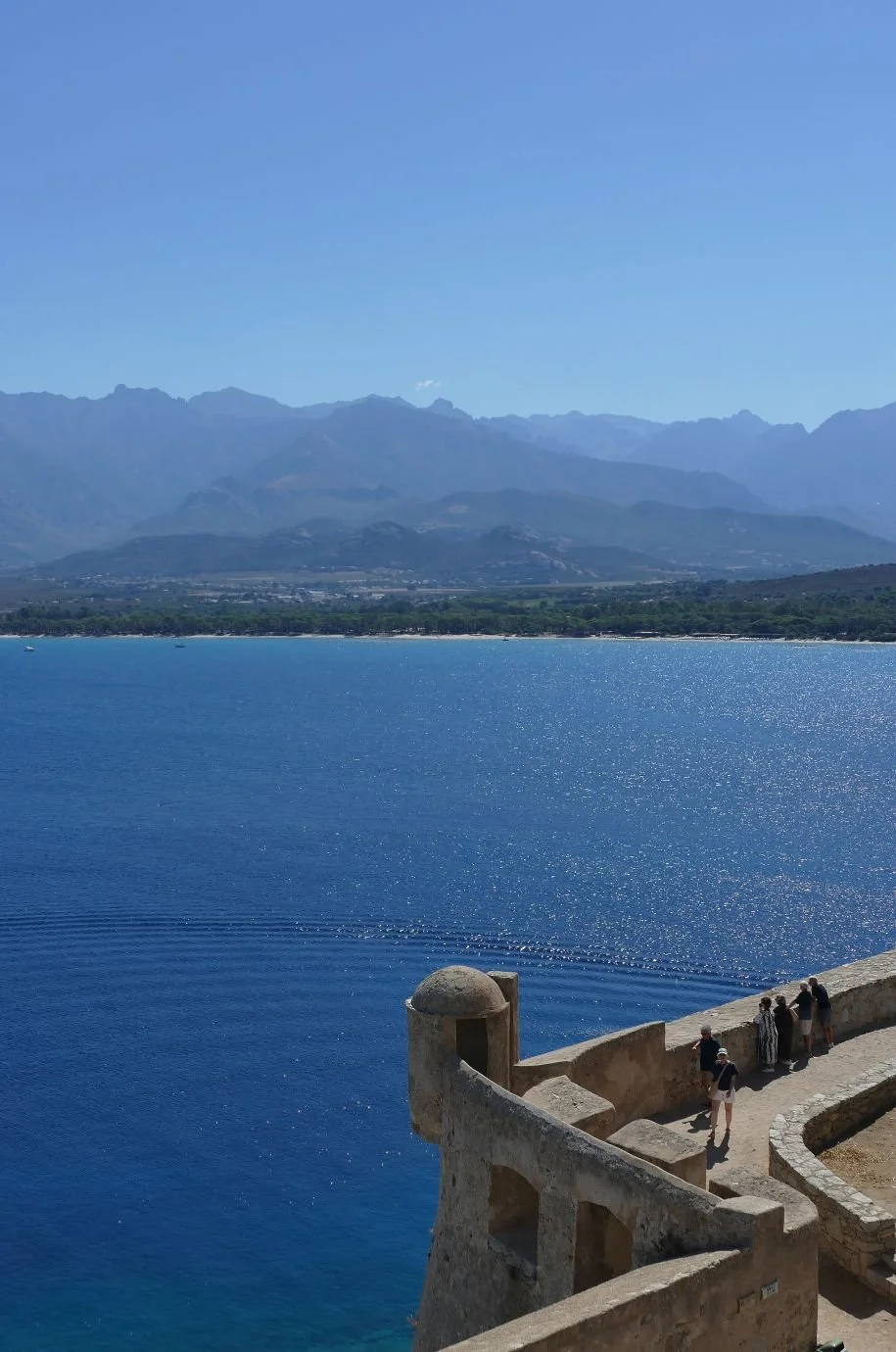
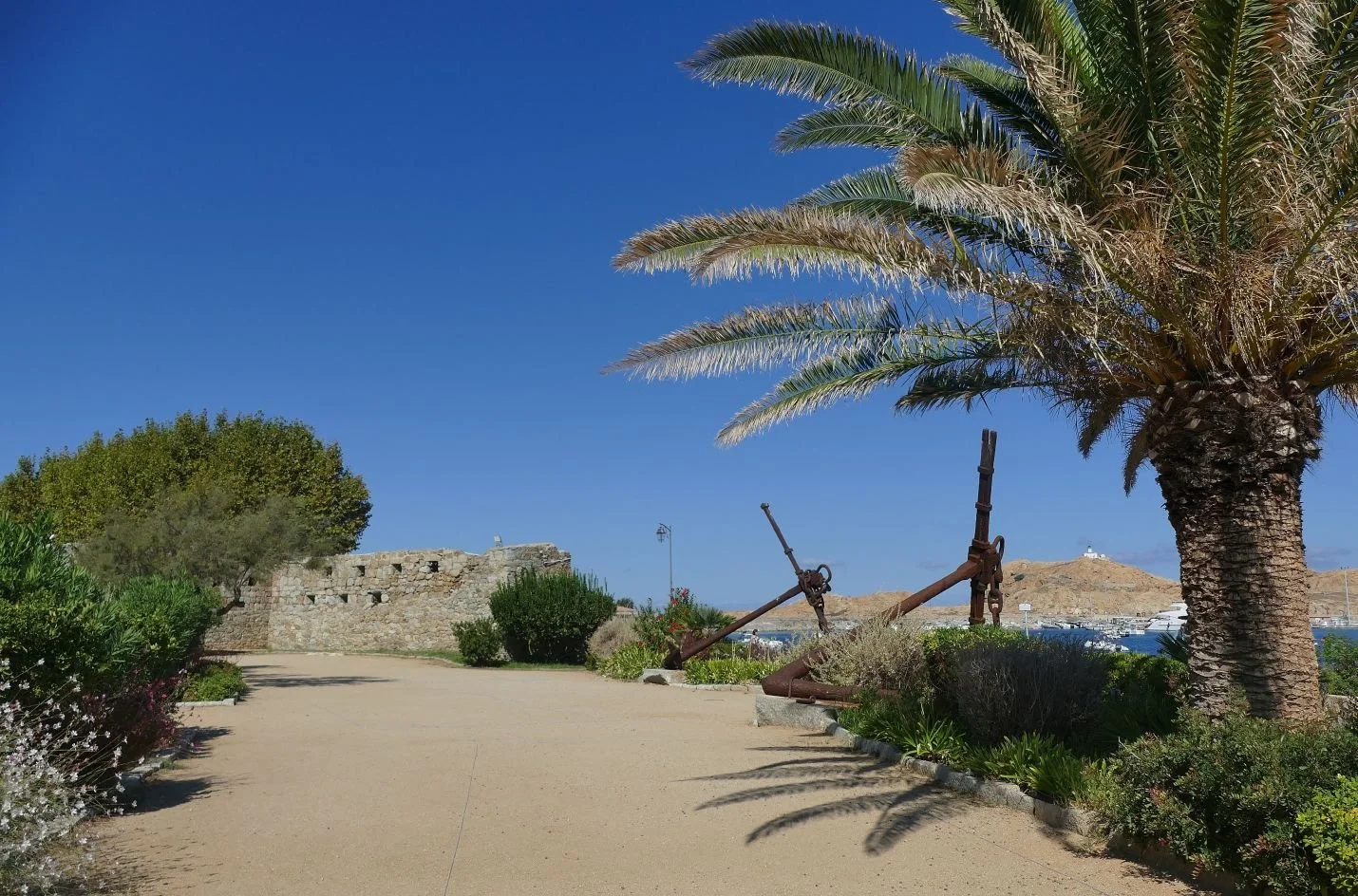
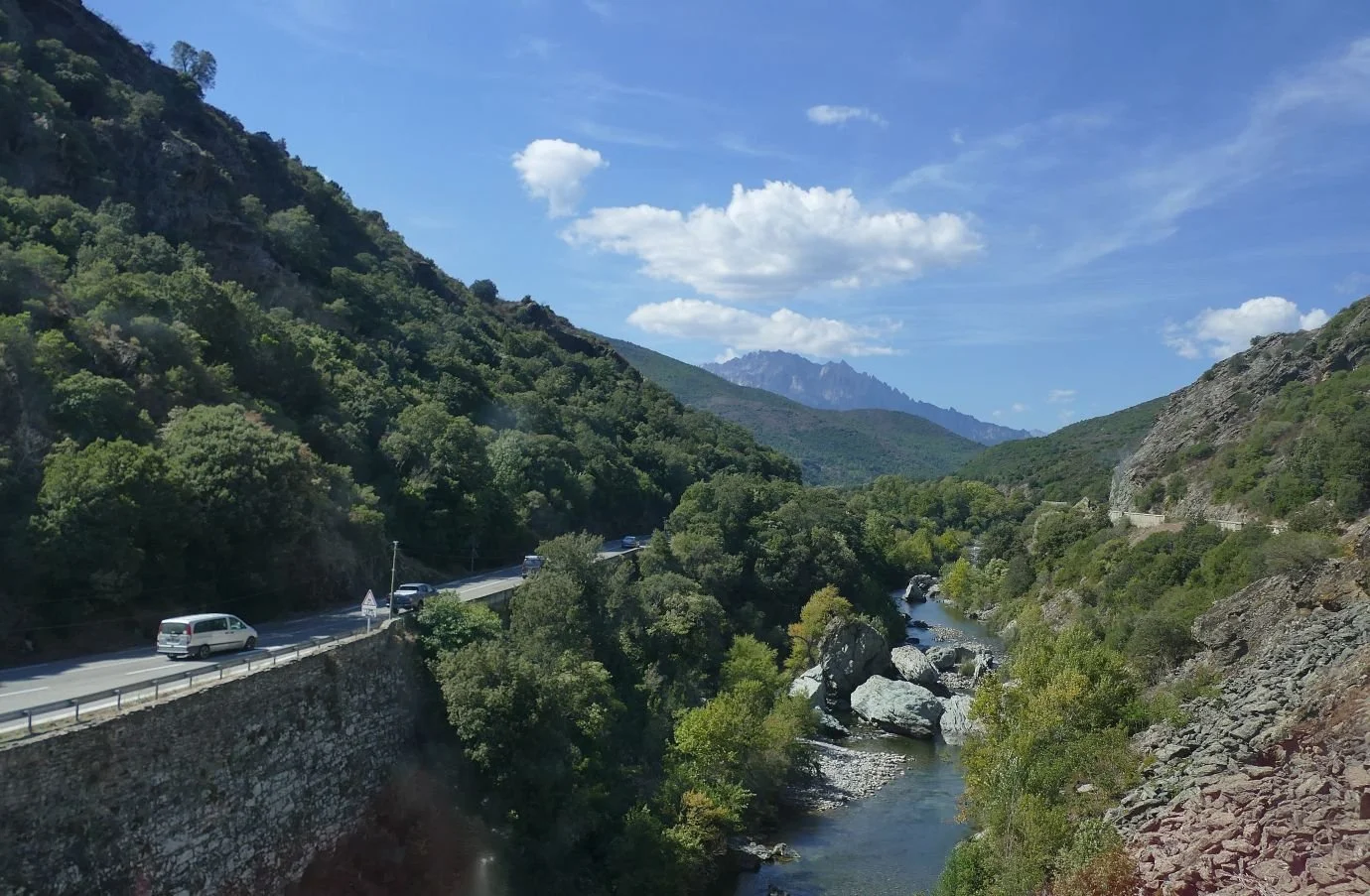
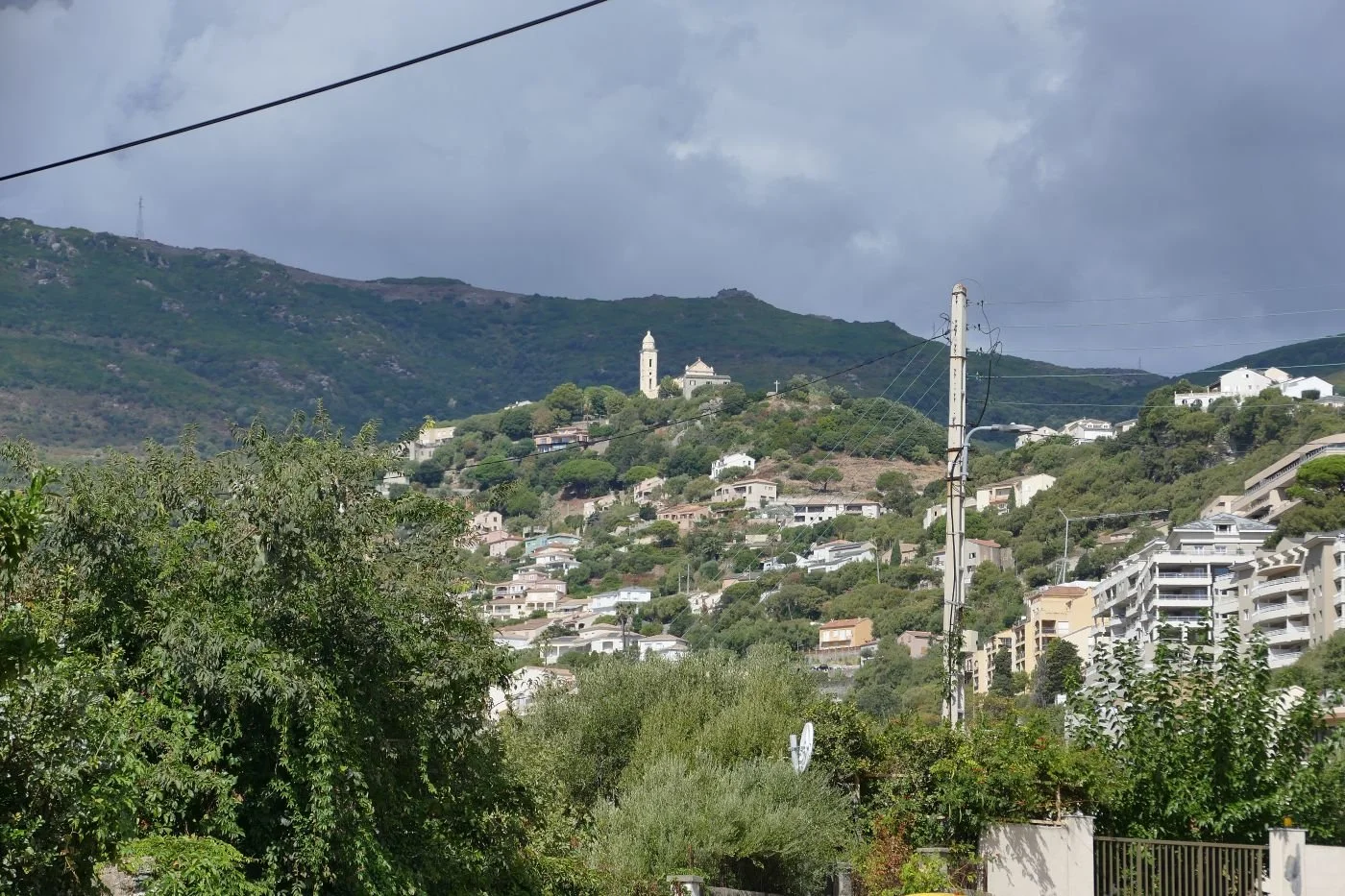
But let’s look at some of those quirks.
Perched on a hill top, high above our hotel in Bastia (located pretty much at sea level, close to the harbours), was a church. While others visited the citadel, the market and the cafes, Terroir could not resist the challenge of an urban hill climb. It was fascinating but for very quirky reasons.
Understandably, the road tackled the incline in zig zags. The lower levels of the necessary structural engineering were clad in a mix of local stone, creating a massive urban dry stone wall effect. A real treat for one of us who is deeply scarred by the work of often unimaginative highways engineers and urban planners.
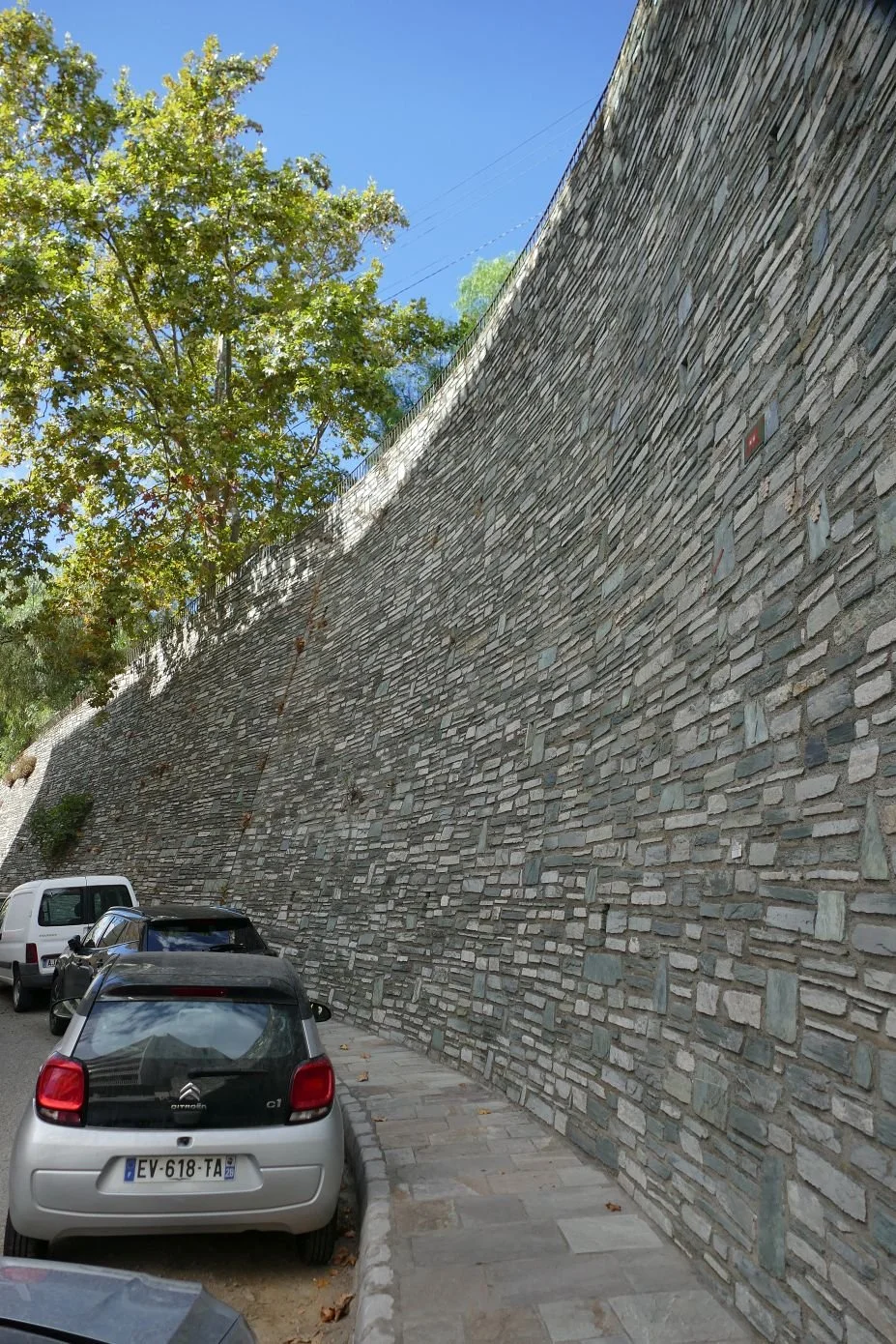
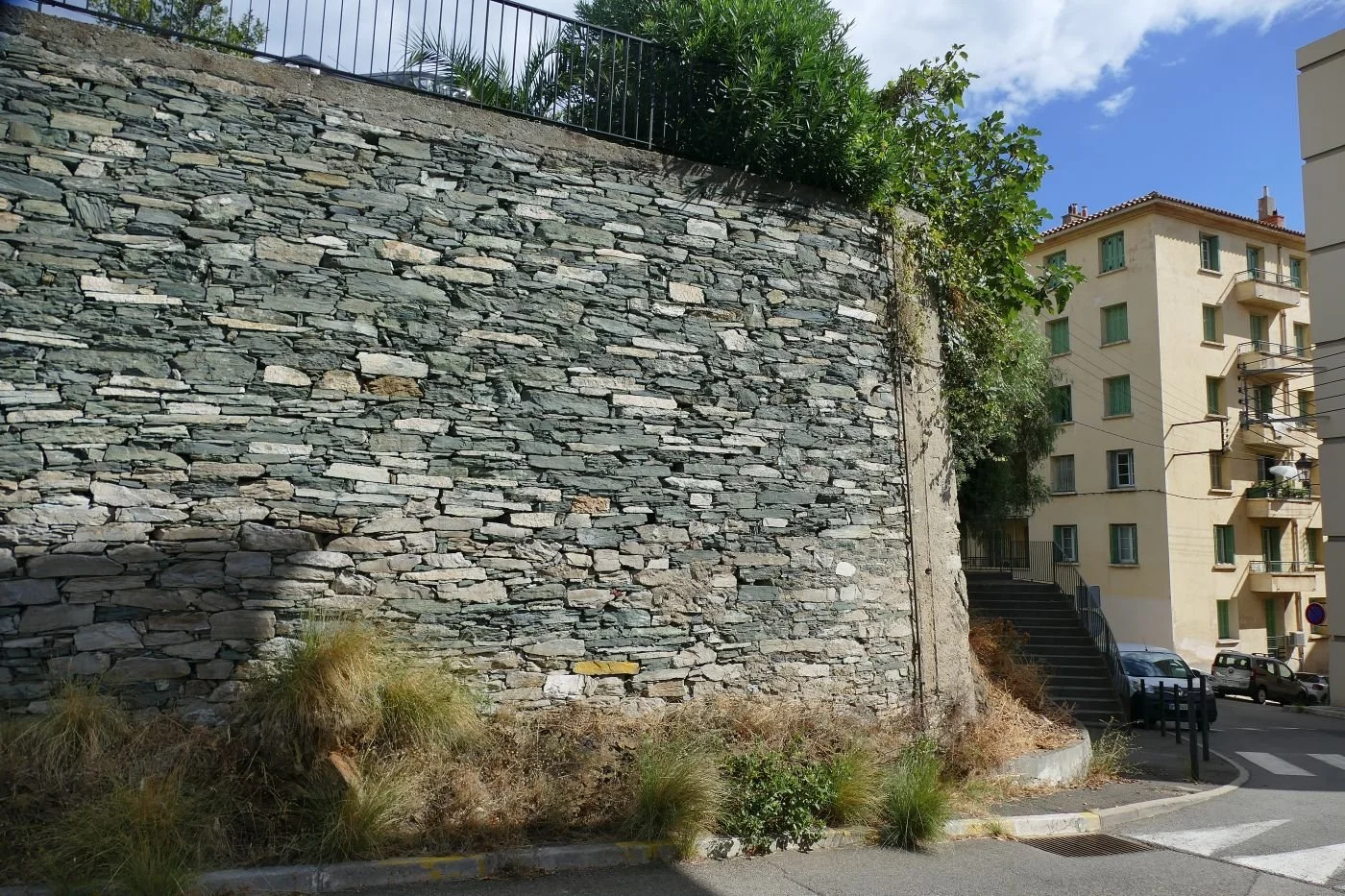
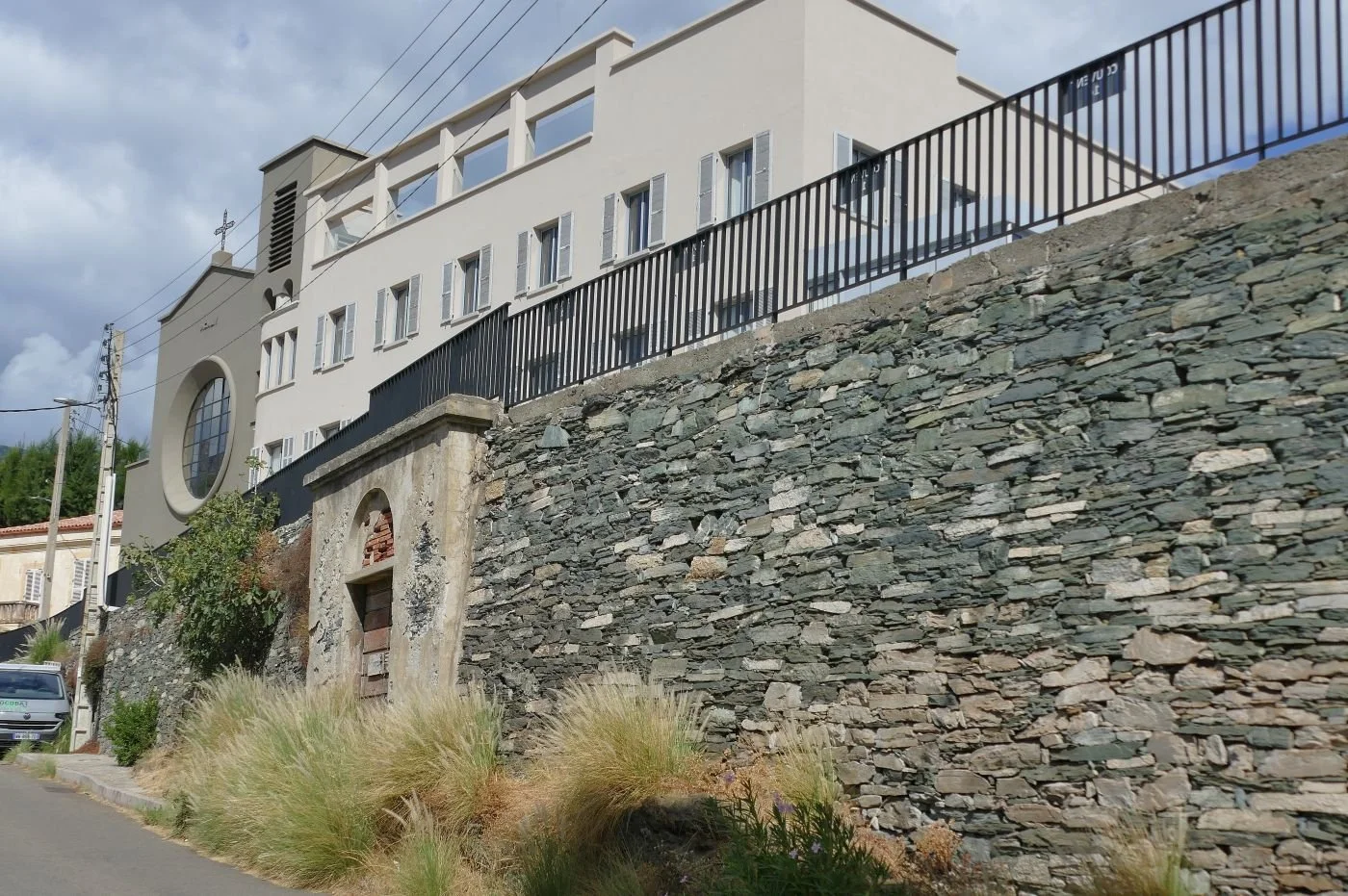
And just look at all those lovely plants growing at the base of the wall (above) and elsewhere on our tarmacadam climb (see below). No doubt they will soon be removed on the grounds of engineering or tidiness but they are mini rain gardens in the making and great additions to the soft and green appeal of the front gardens.
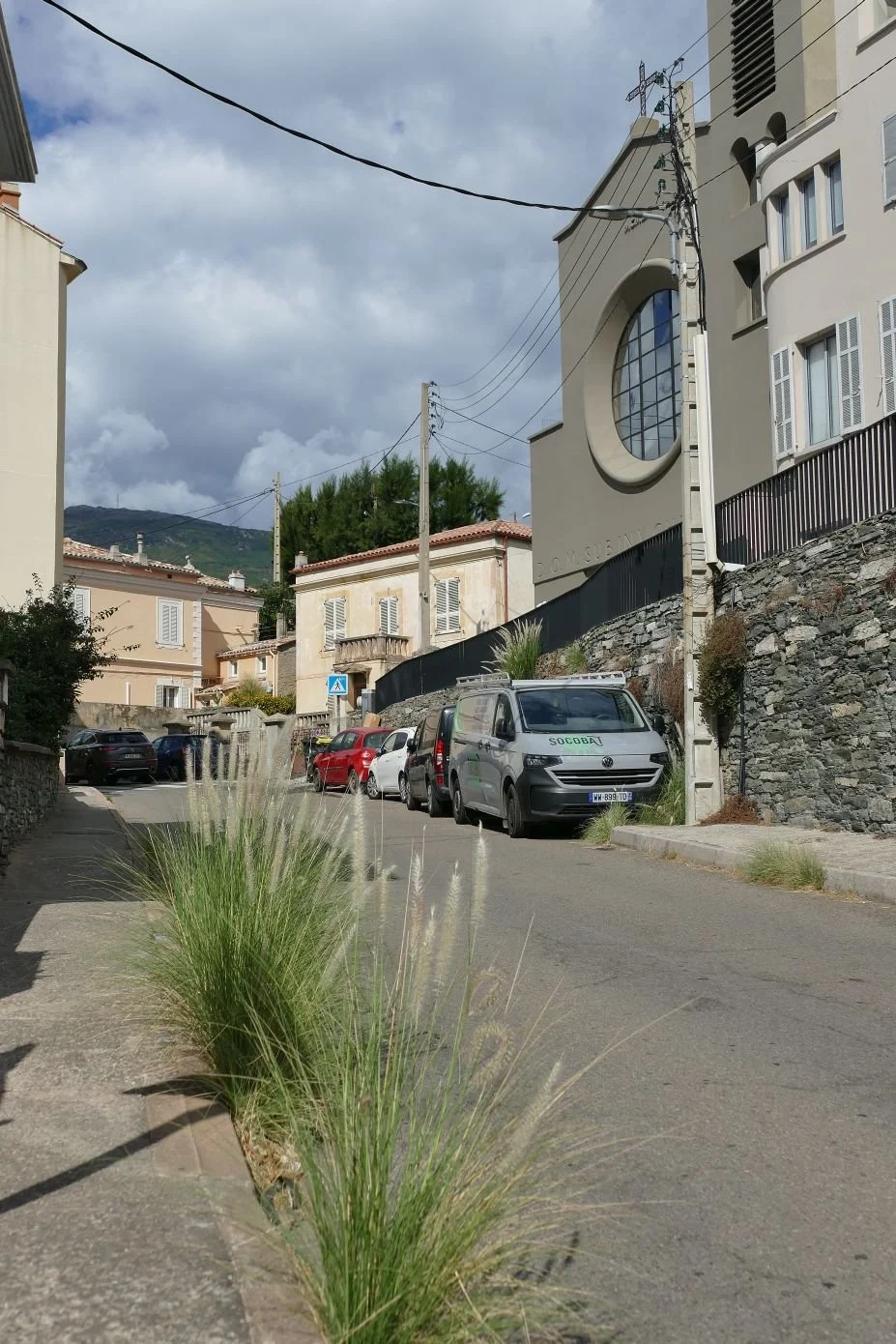
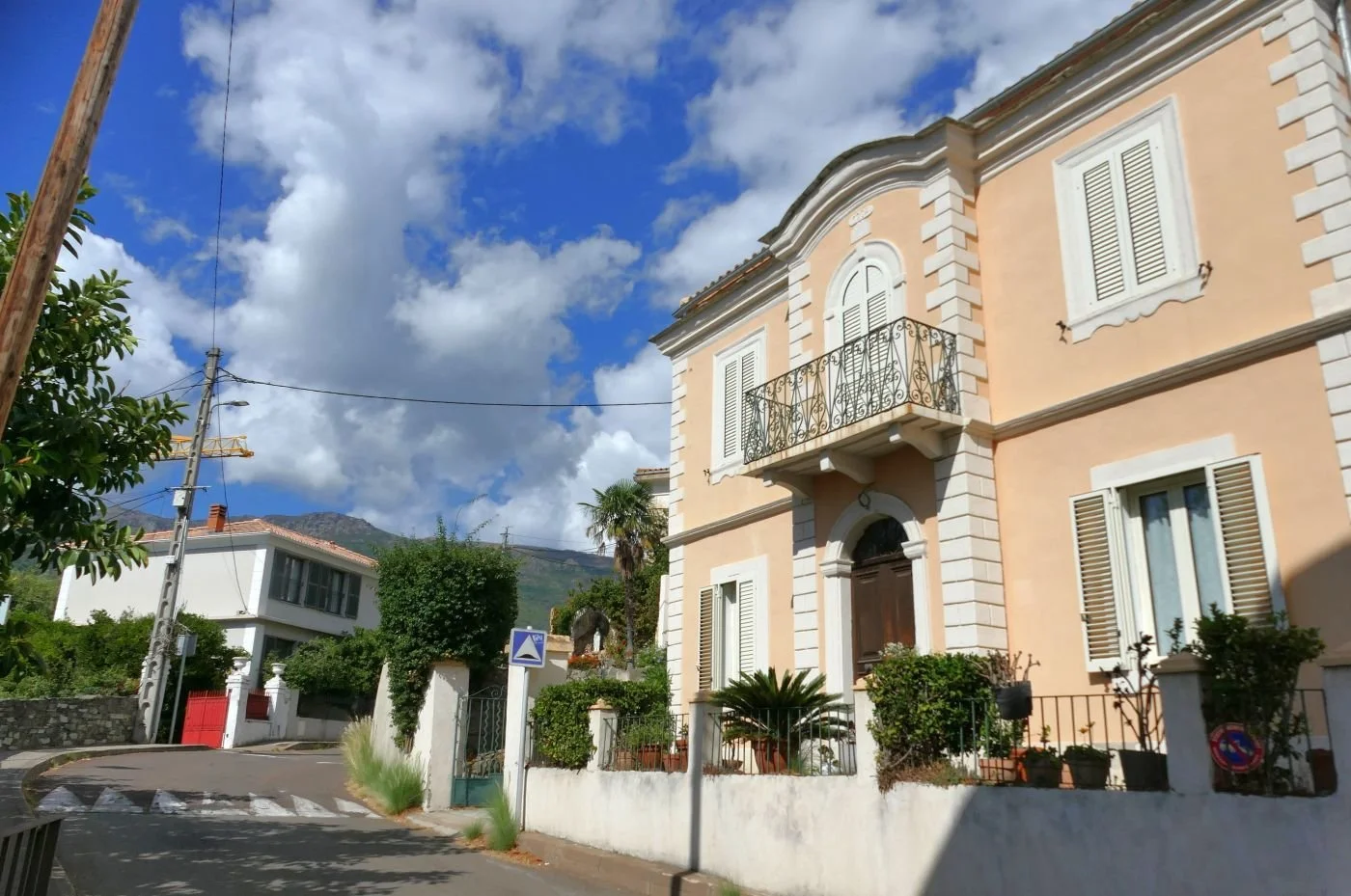
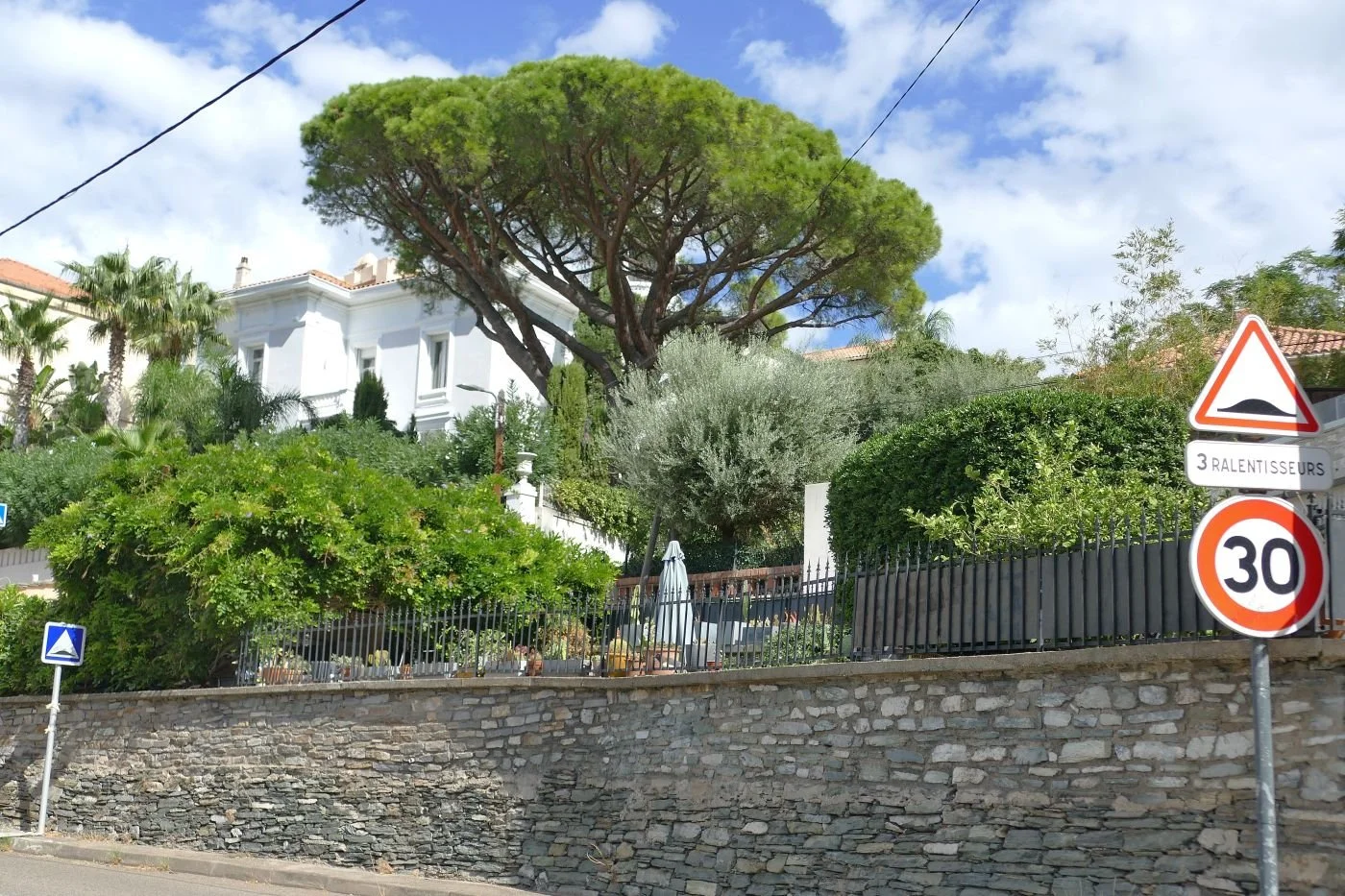
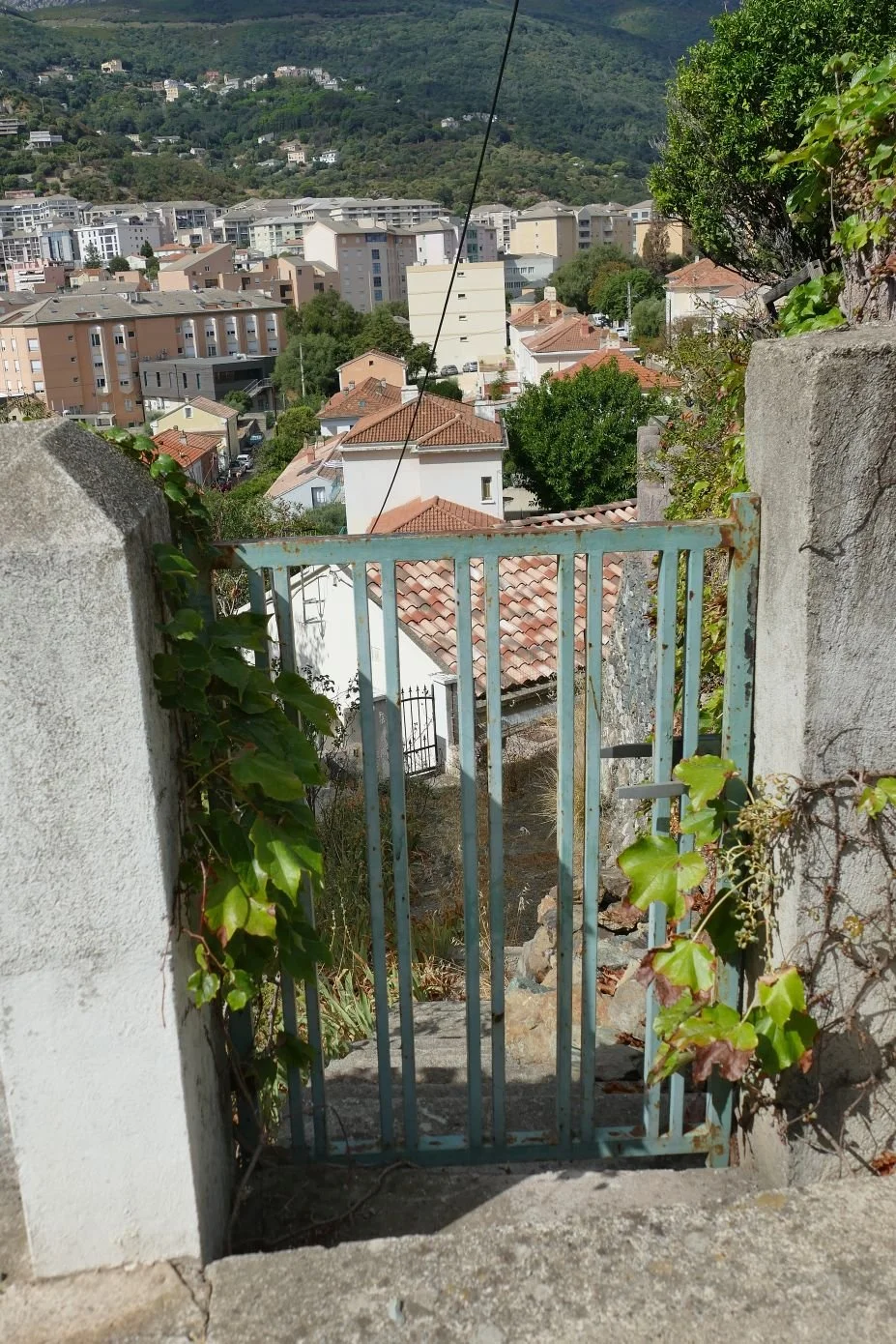
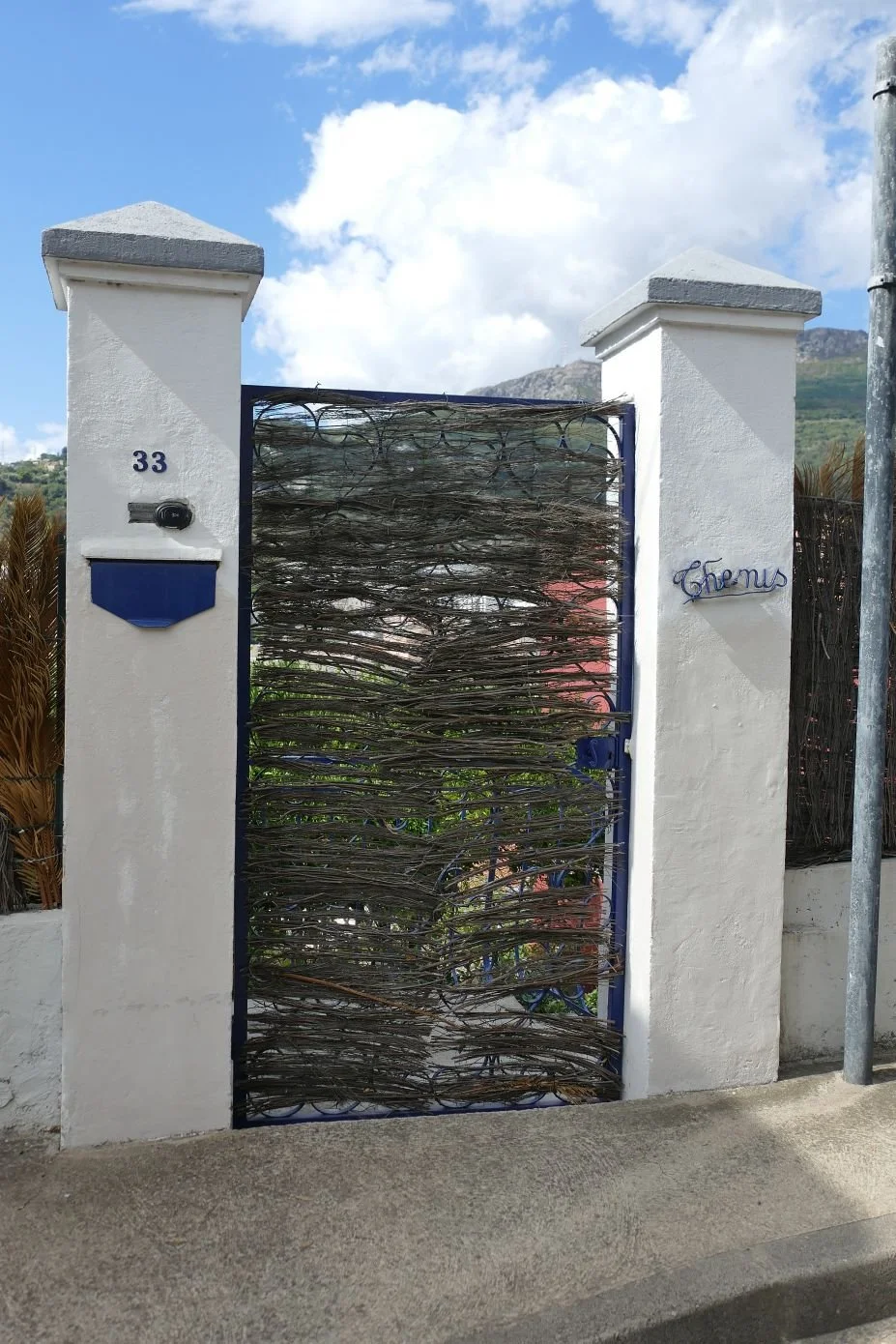
To our left, the contours dropped away steeply, but the hill side is clad with near vertical urban back gardens or houses perched perilously on the road edge, presenting a wonderful array of garden gates.
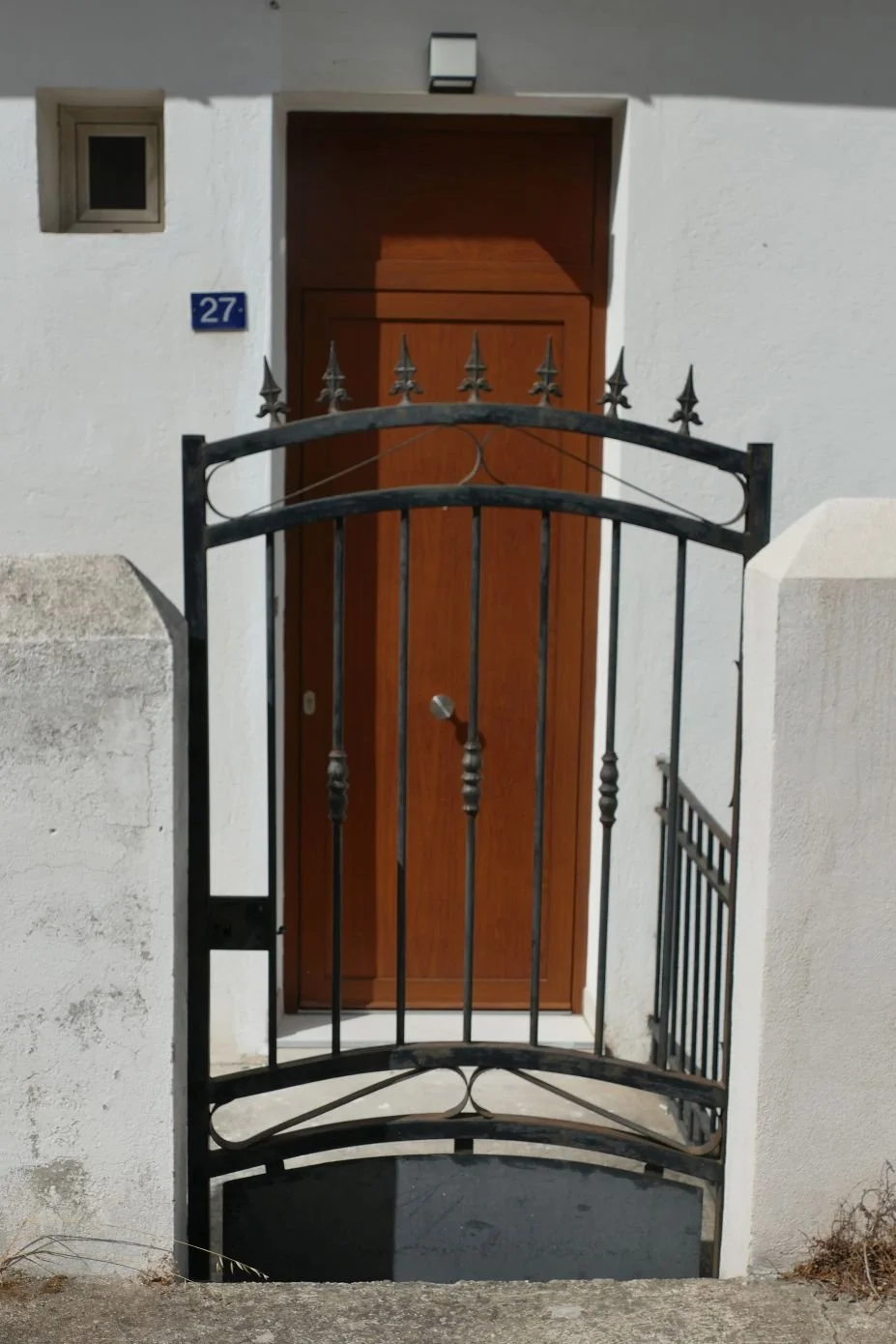
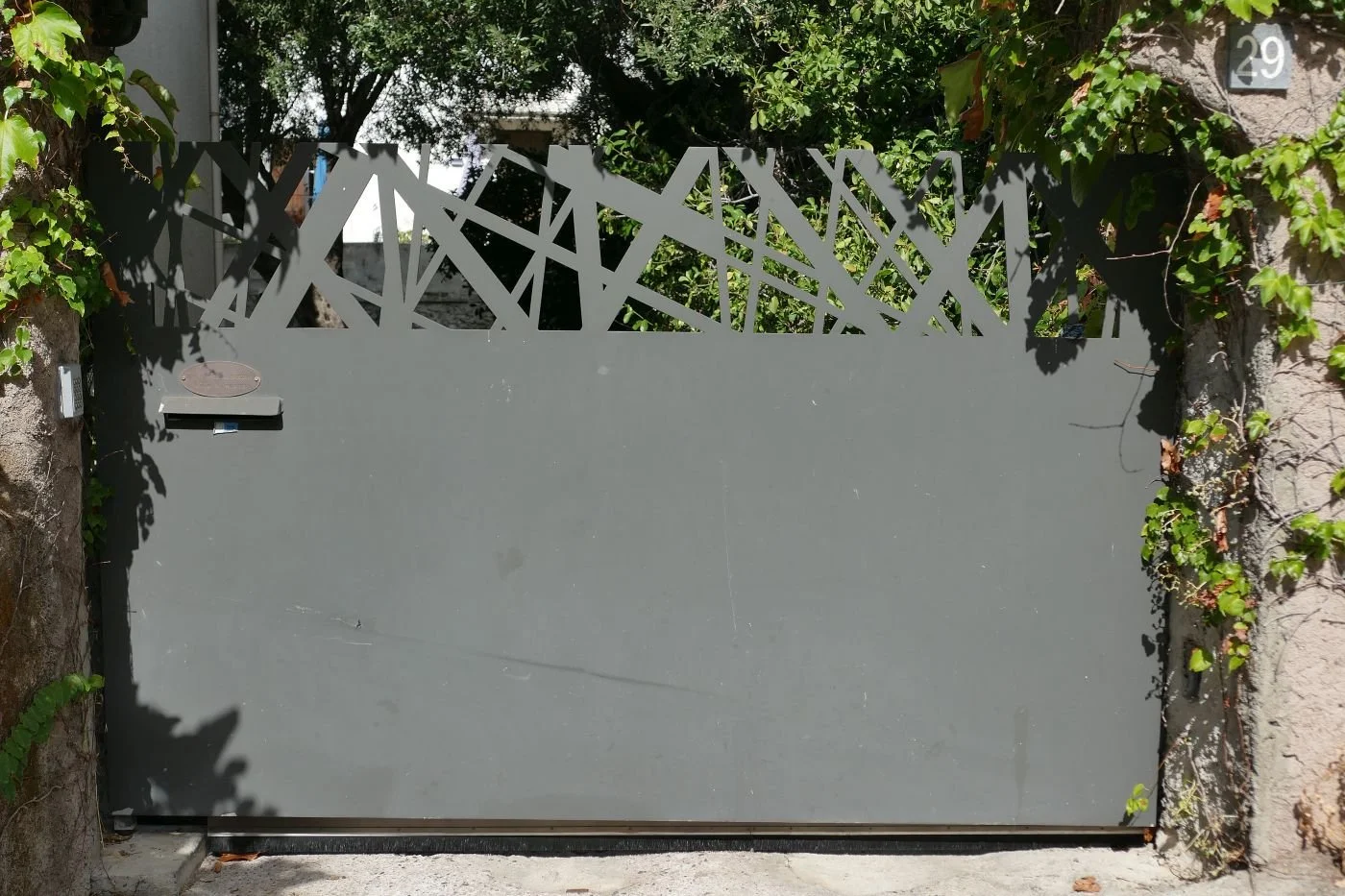
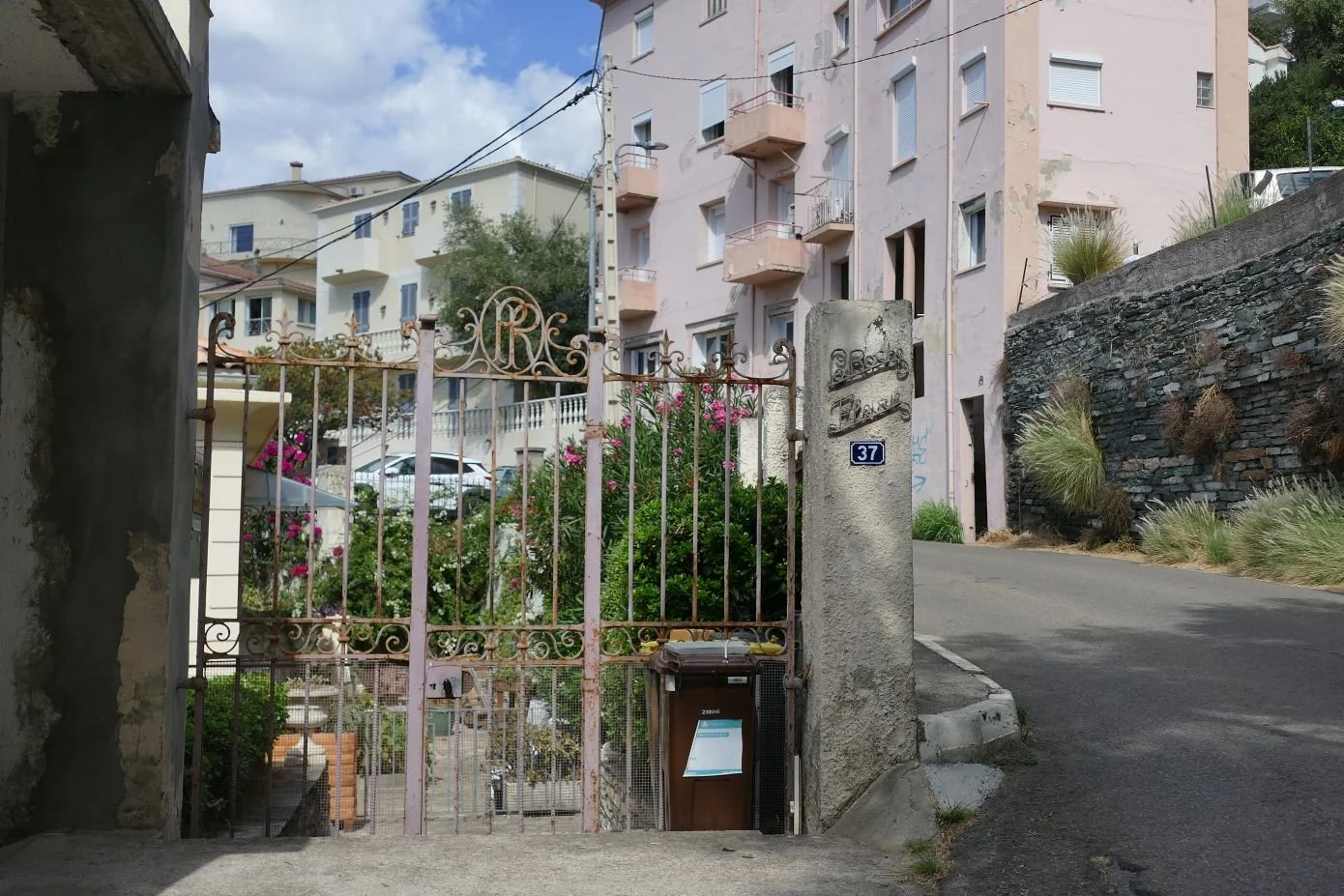
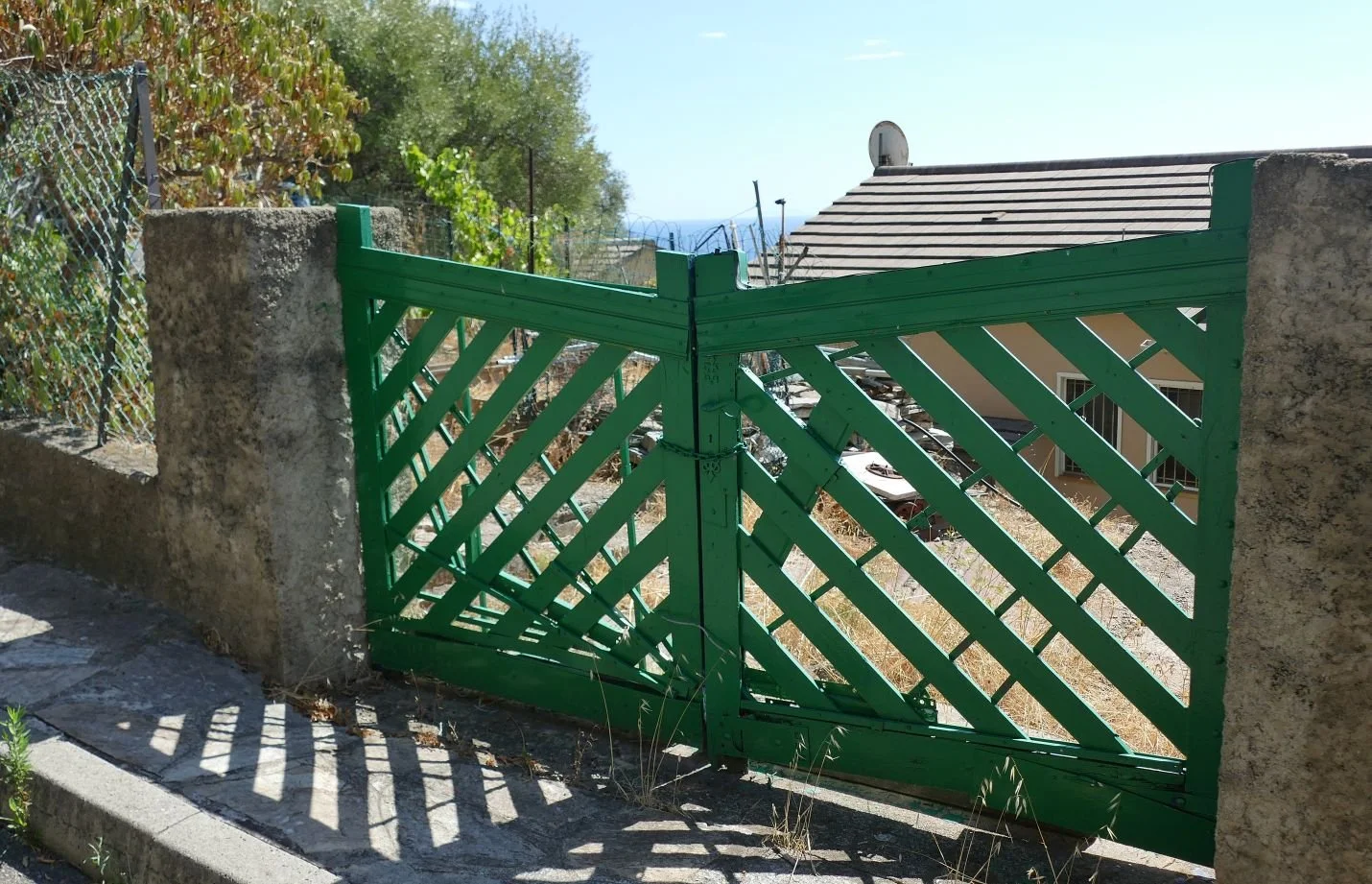
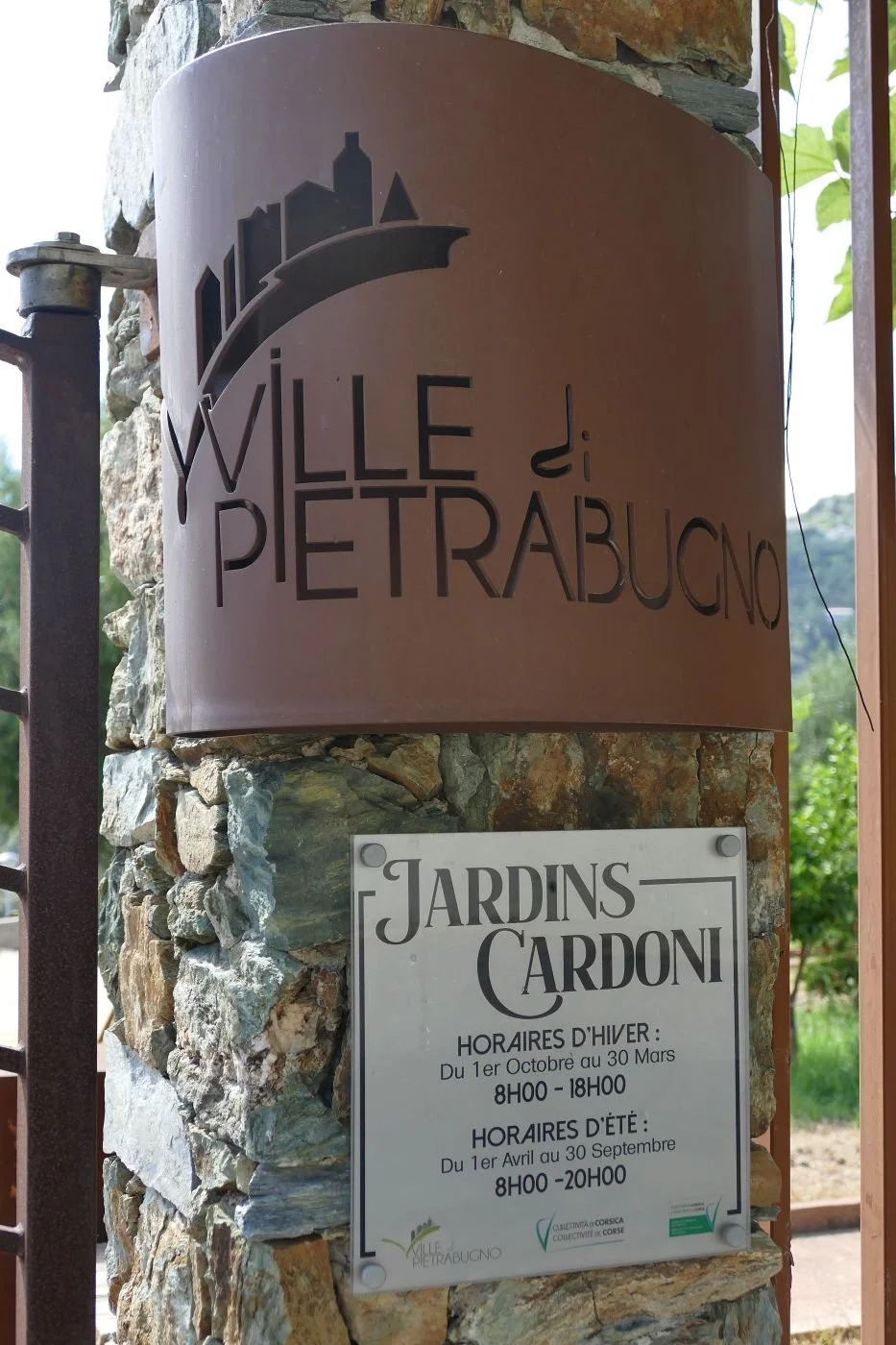
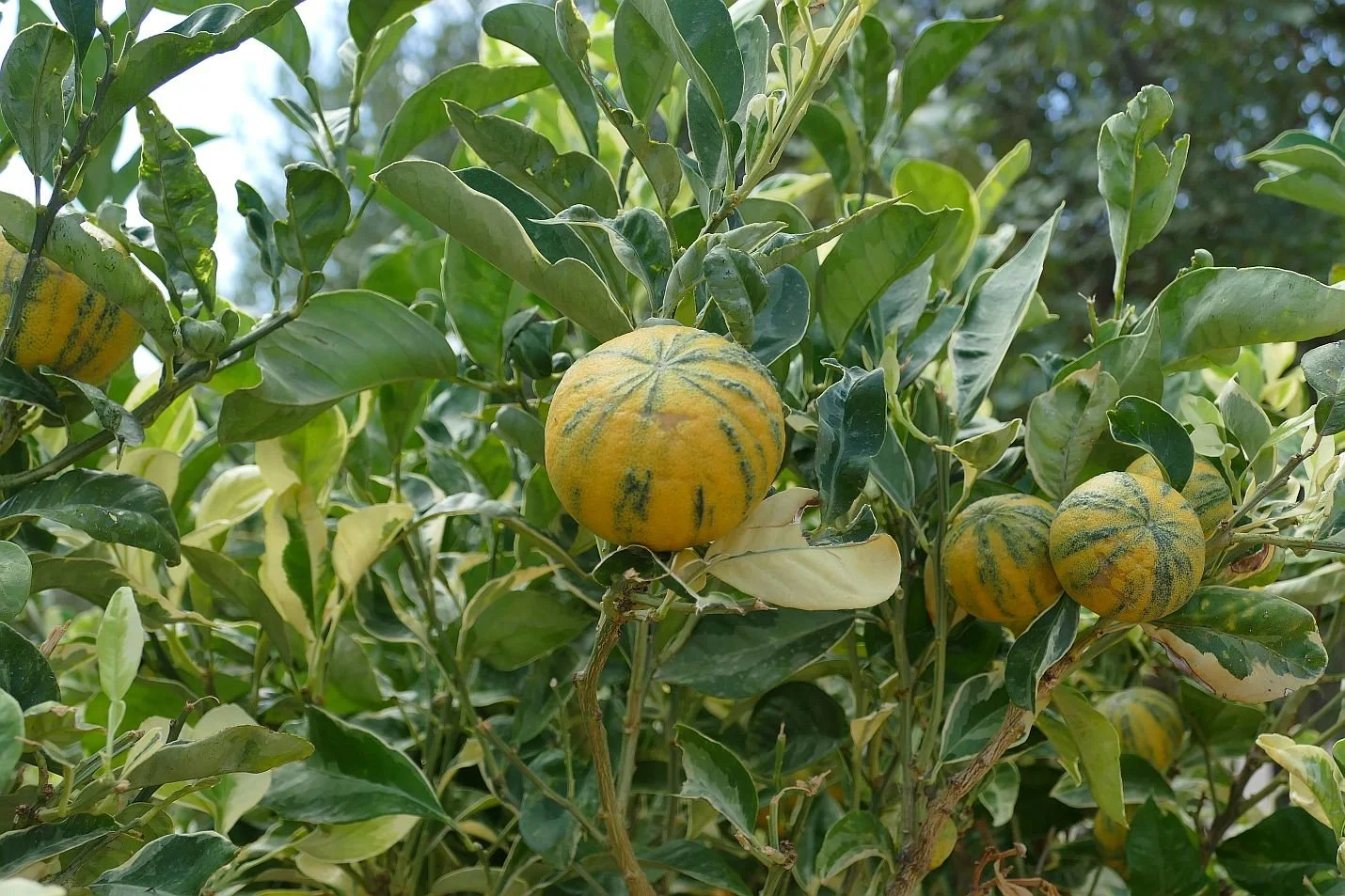
Our next surprise is the Arboretum L’Ortu Cardoni aka the Jardin Cardoni which seems to be dedicated to local citrus fruit. Most of the English websites major on how to get to it and how to leave it but have very little about the garden/arboretum itself.
Located on hill side terraces with views of Bastia below, it is an ideal resting place on our uphill pilgrimage. At this time of year many of the plants are in fruit and we spend far too long exploring and exclaiming over the trees we know and those we’ve never heard of, seen or tasted.
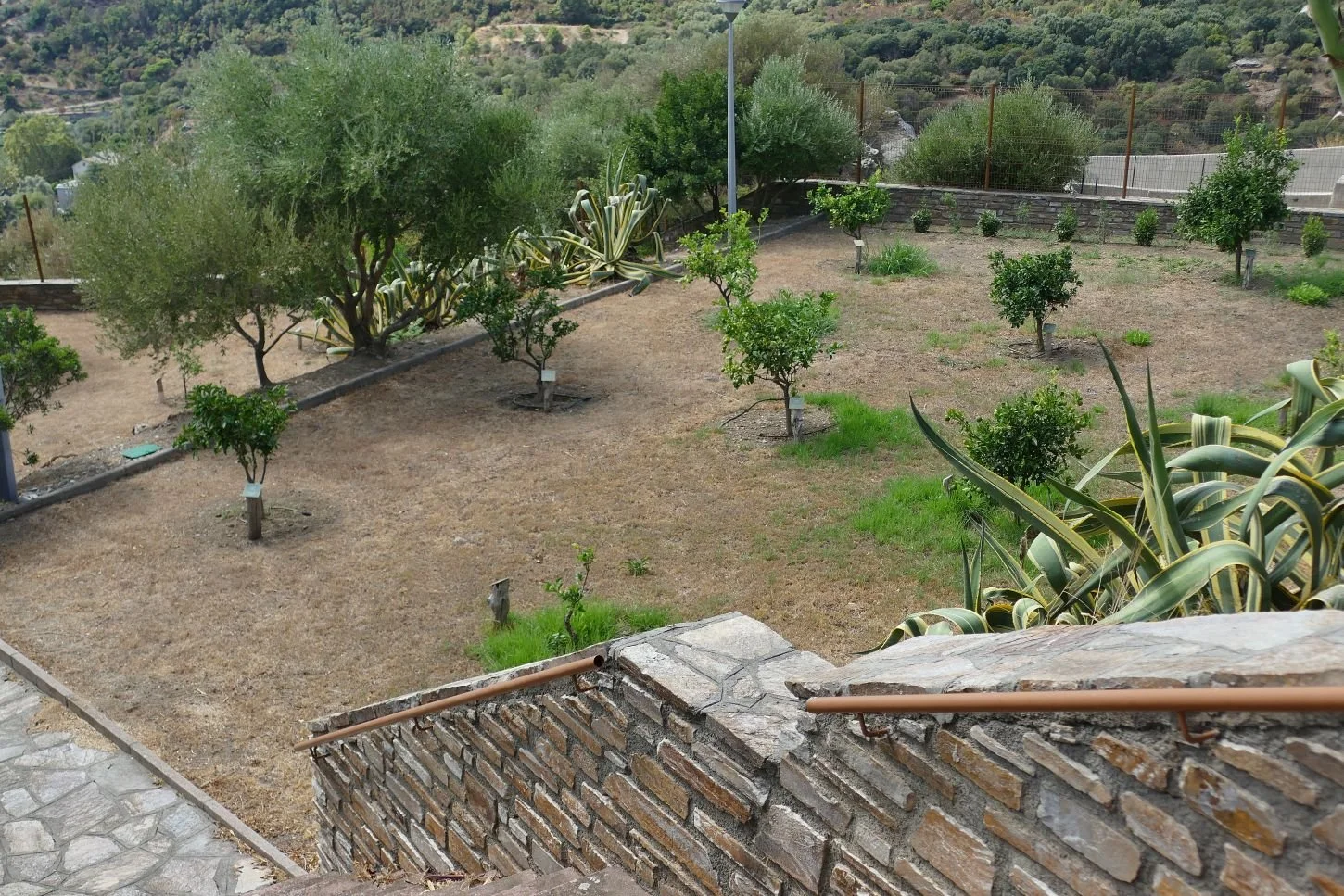
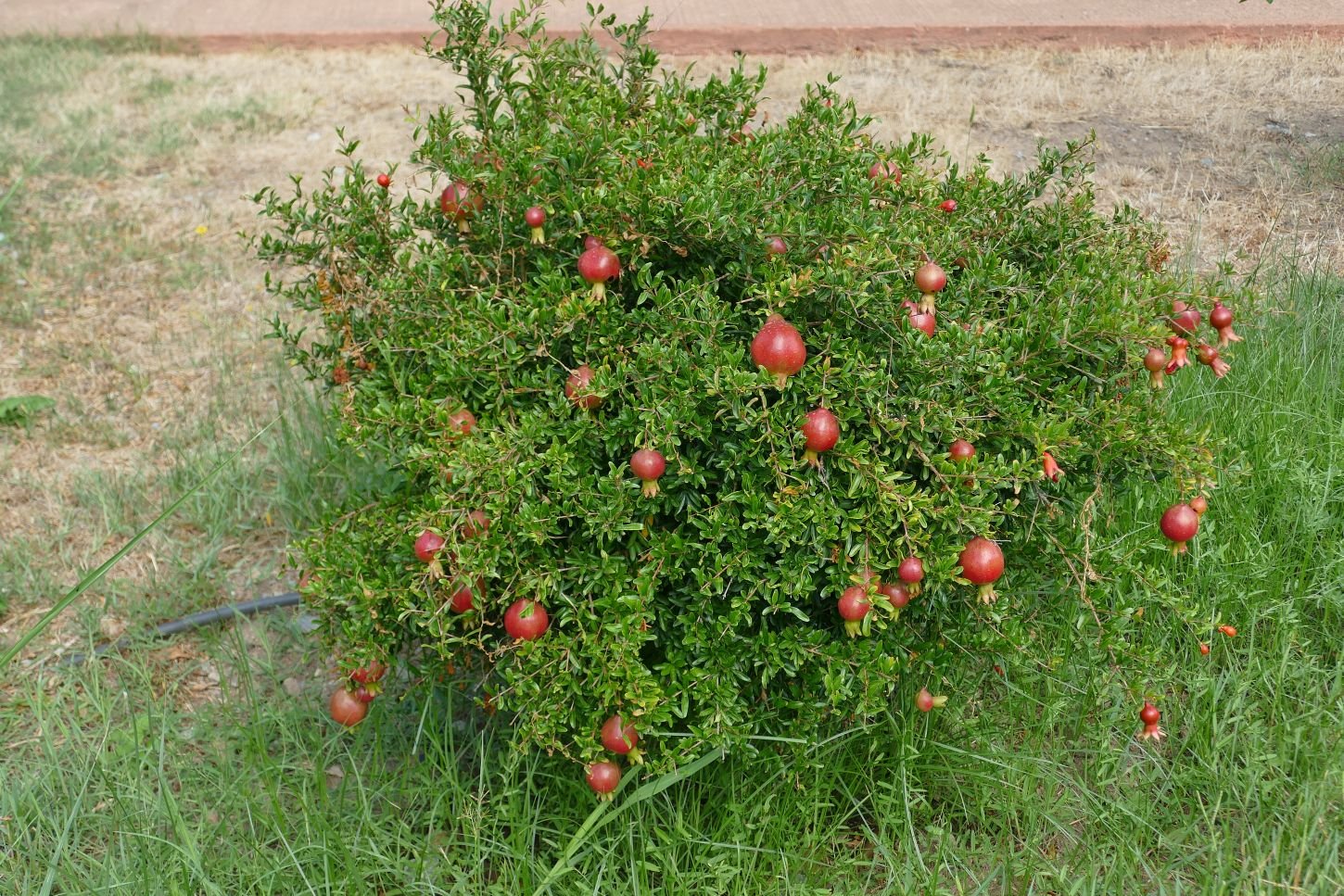
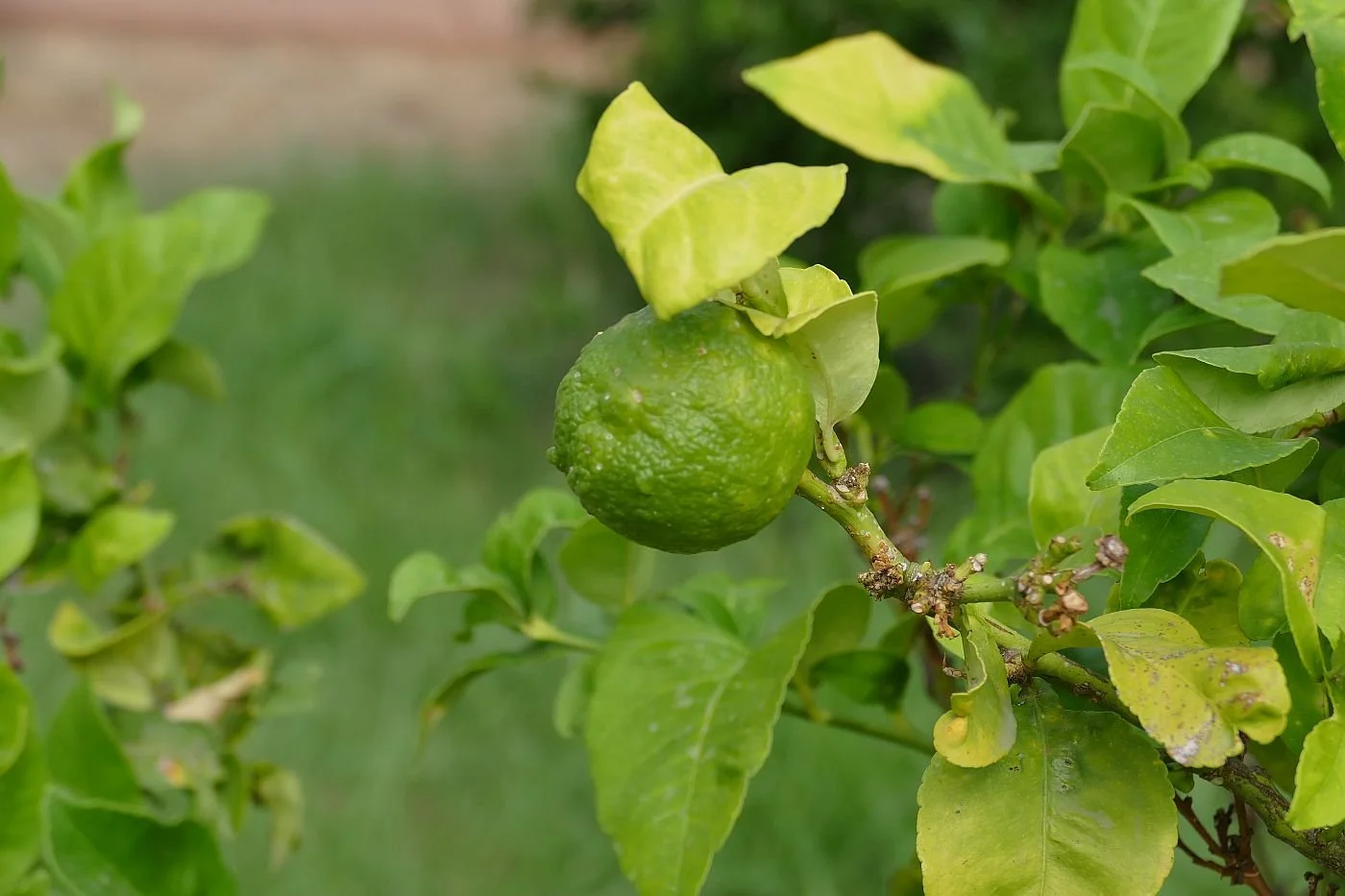
We are nearing the top now and the views improve all the time. We are also full of anticipation to view the church which we hope will be the high point of our visit both actually and metaphorically. But the surprises are not over yet.
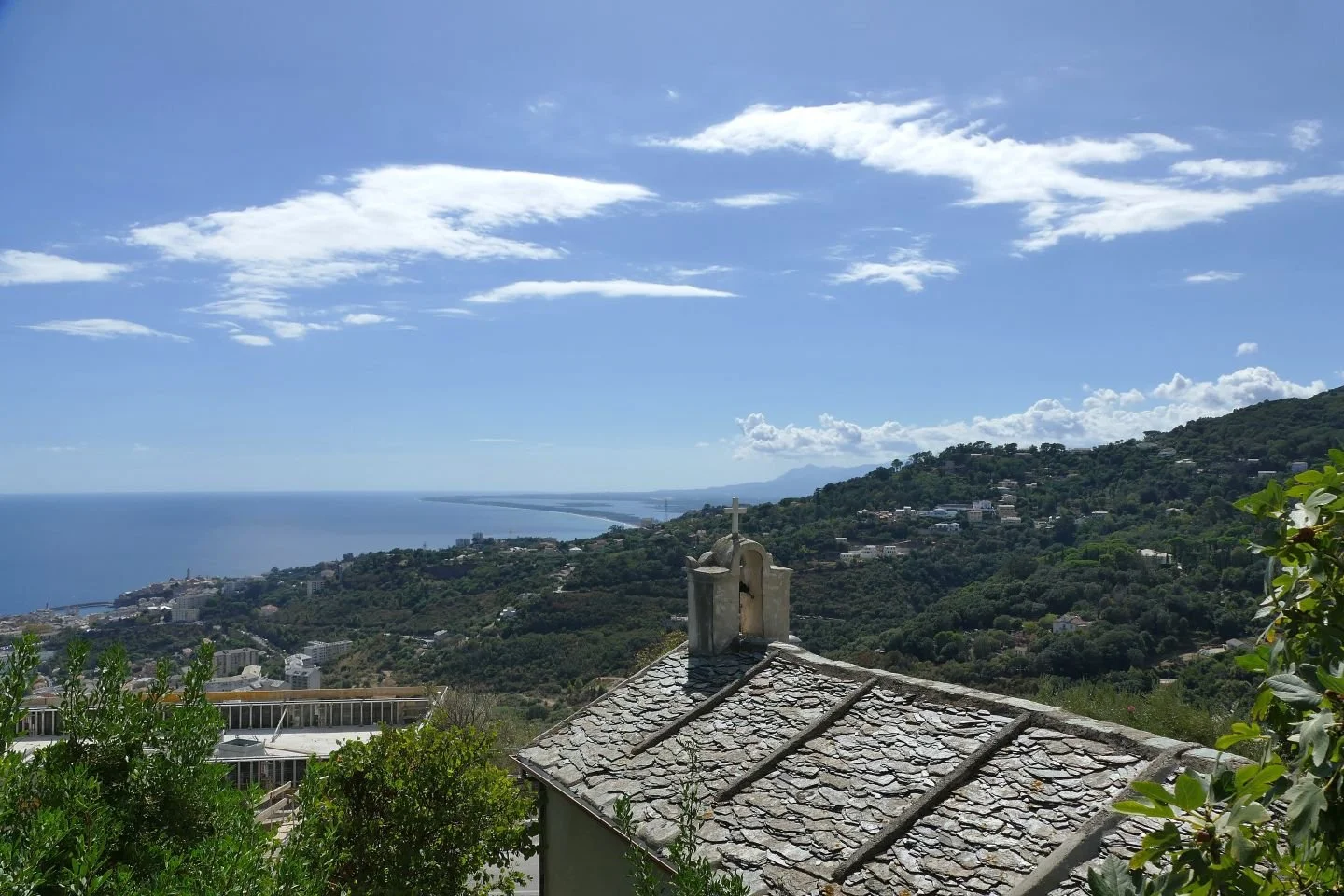
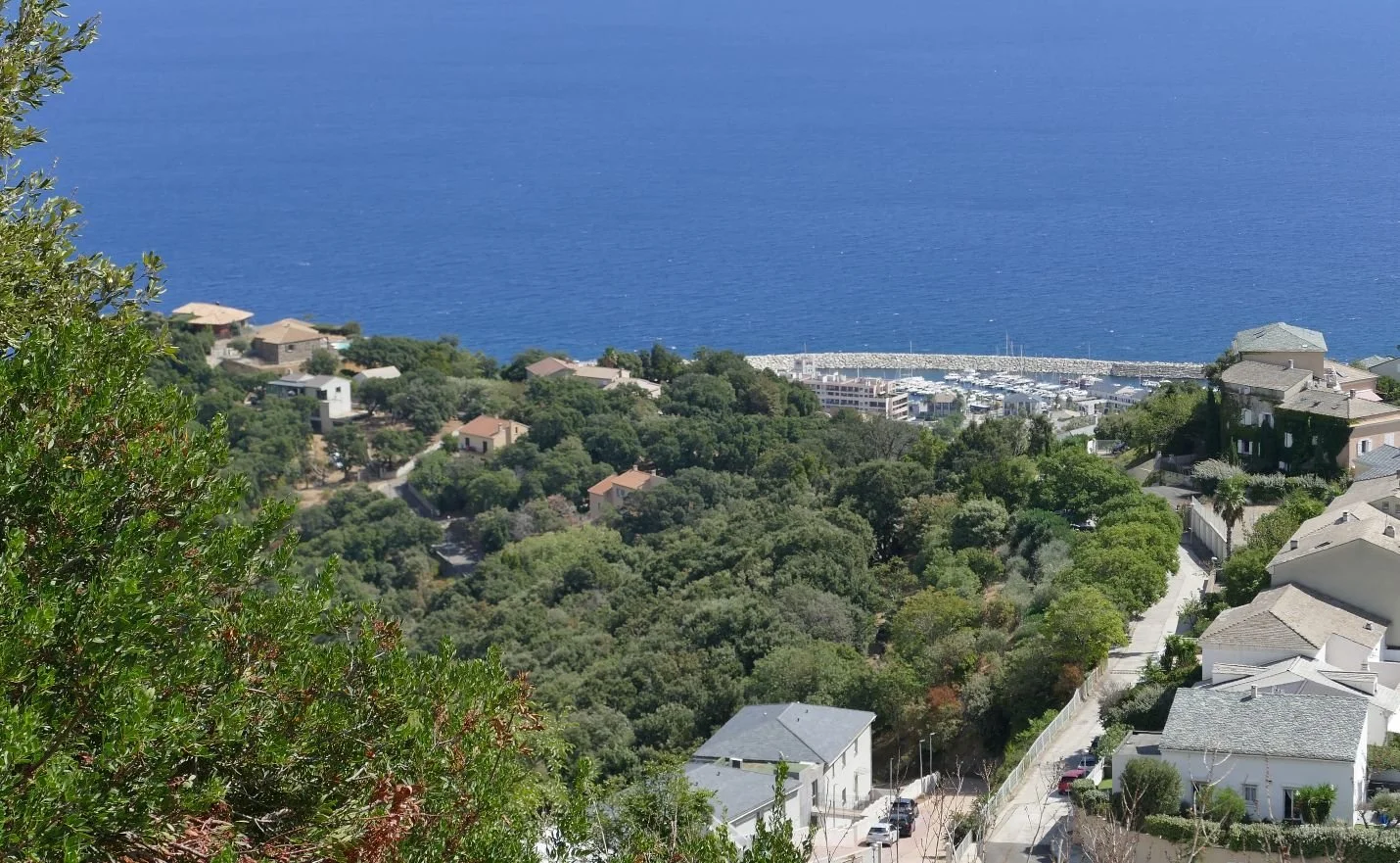
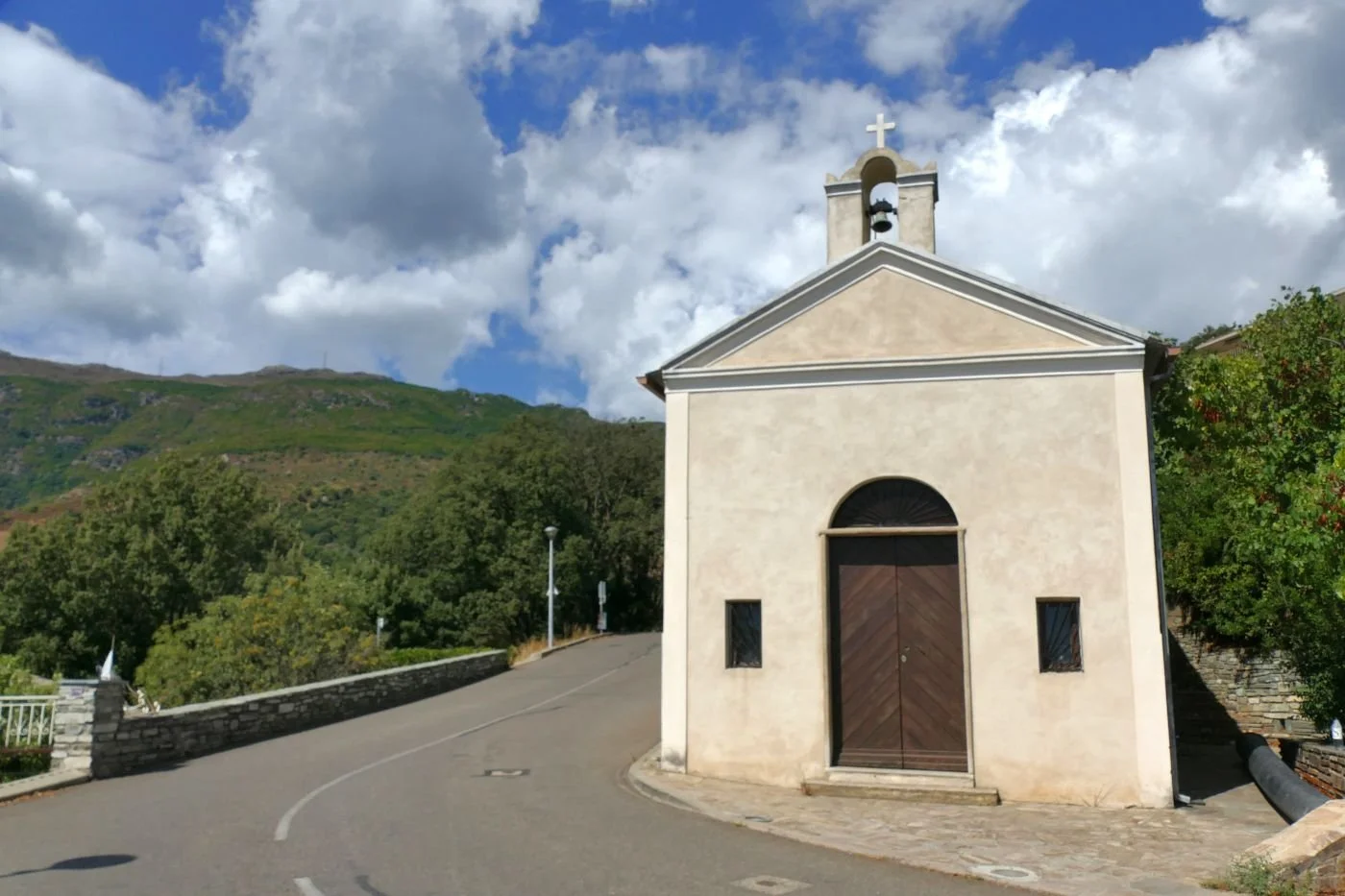
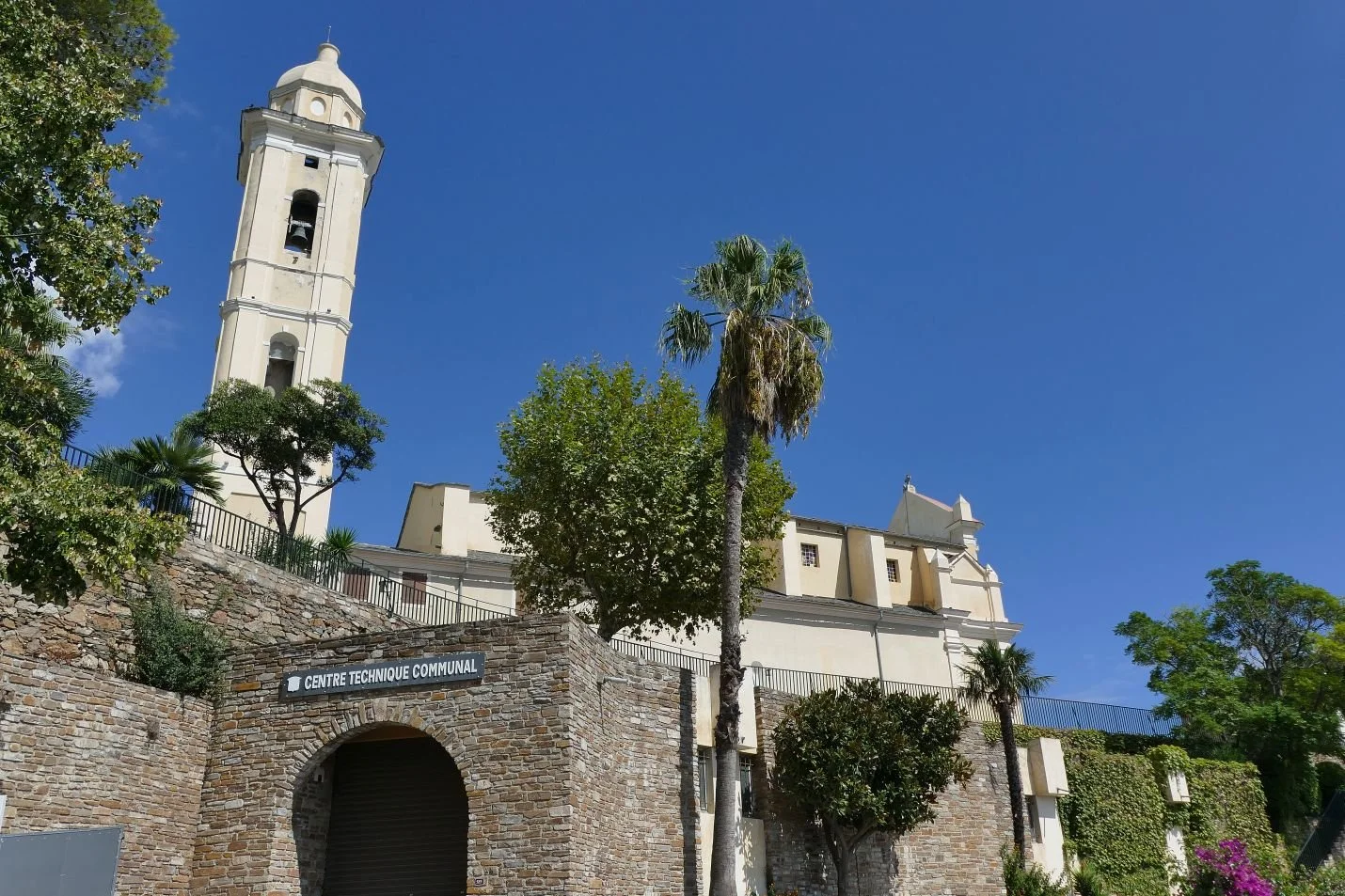
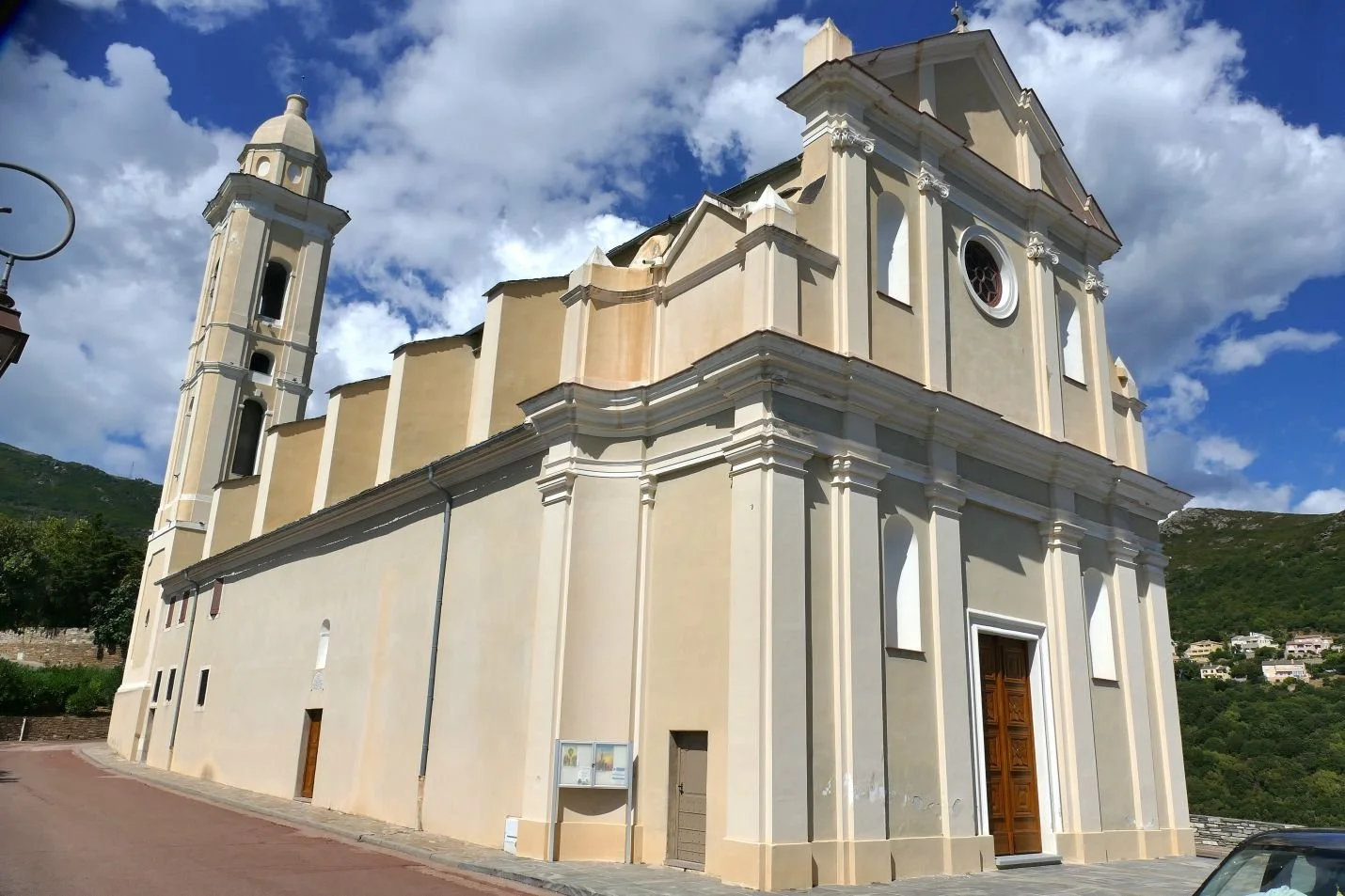
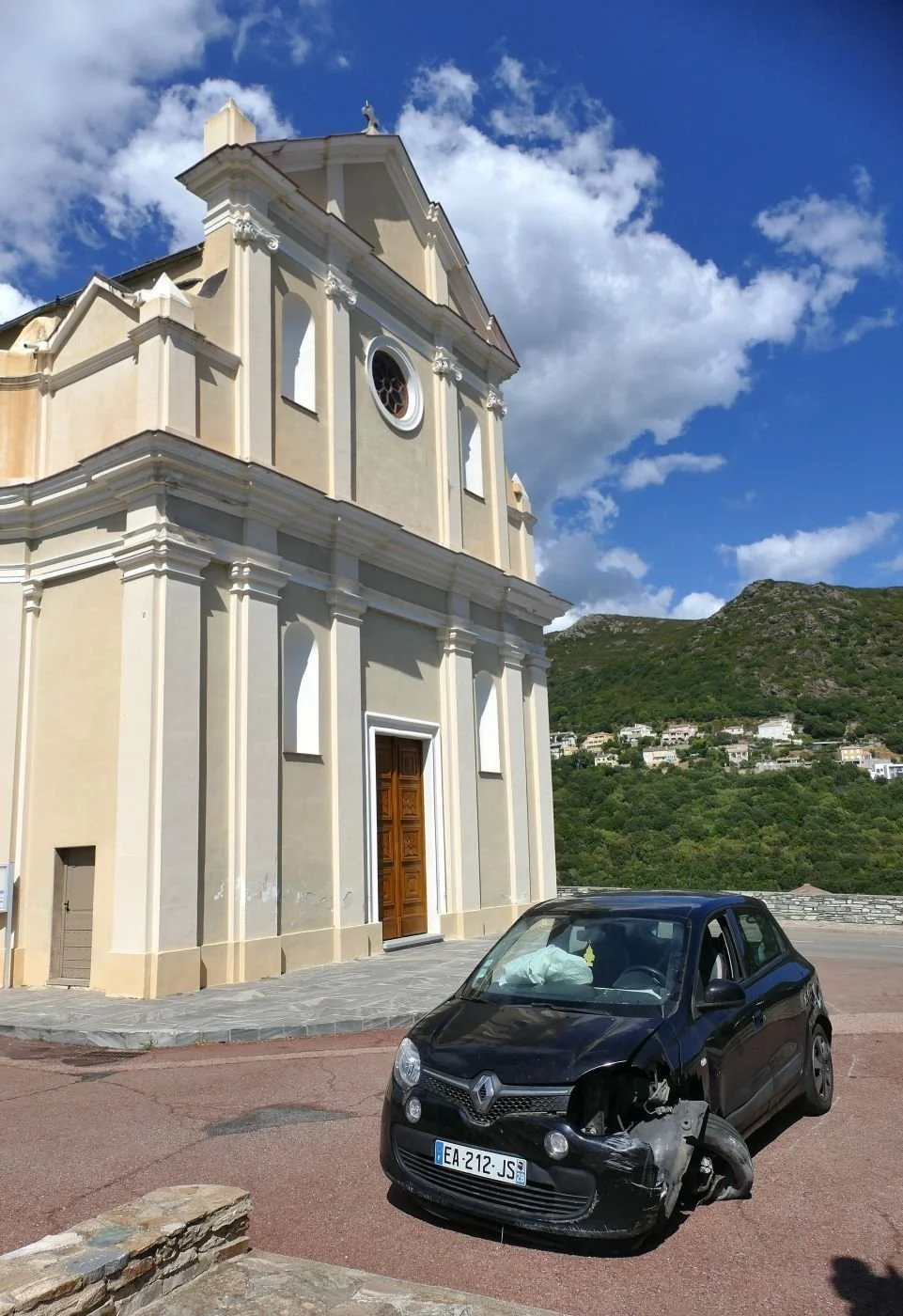
But despite the bizarre, and the slightly disappointing, end to our walk (the church was firmly locked up) it was a grand Corsican expedition.
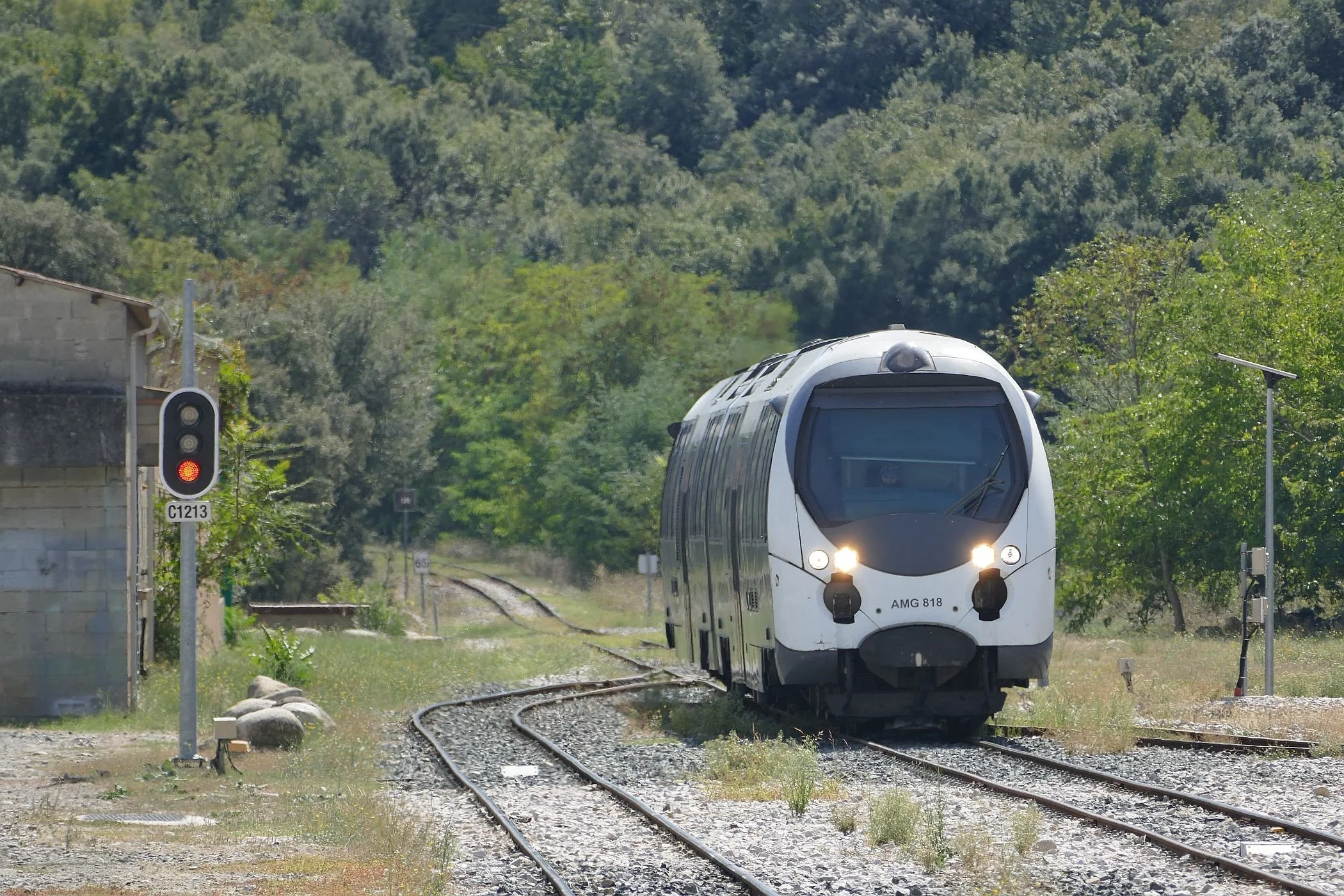
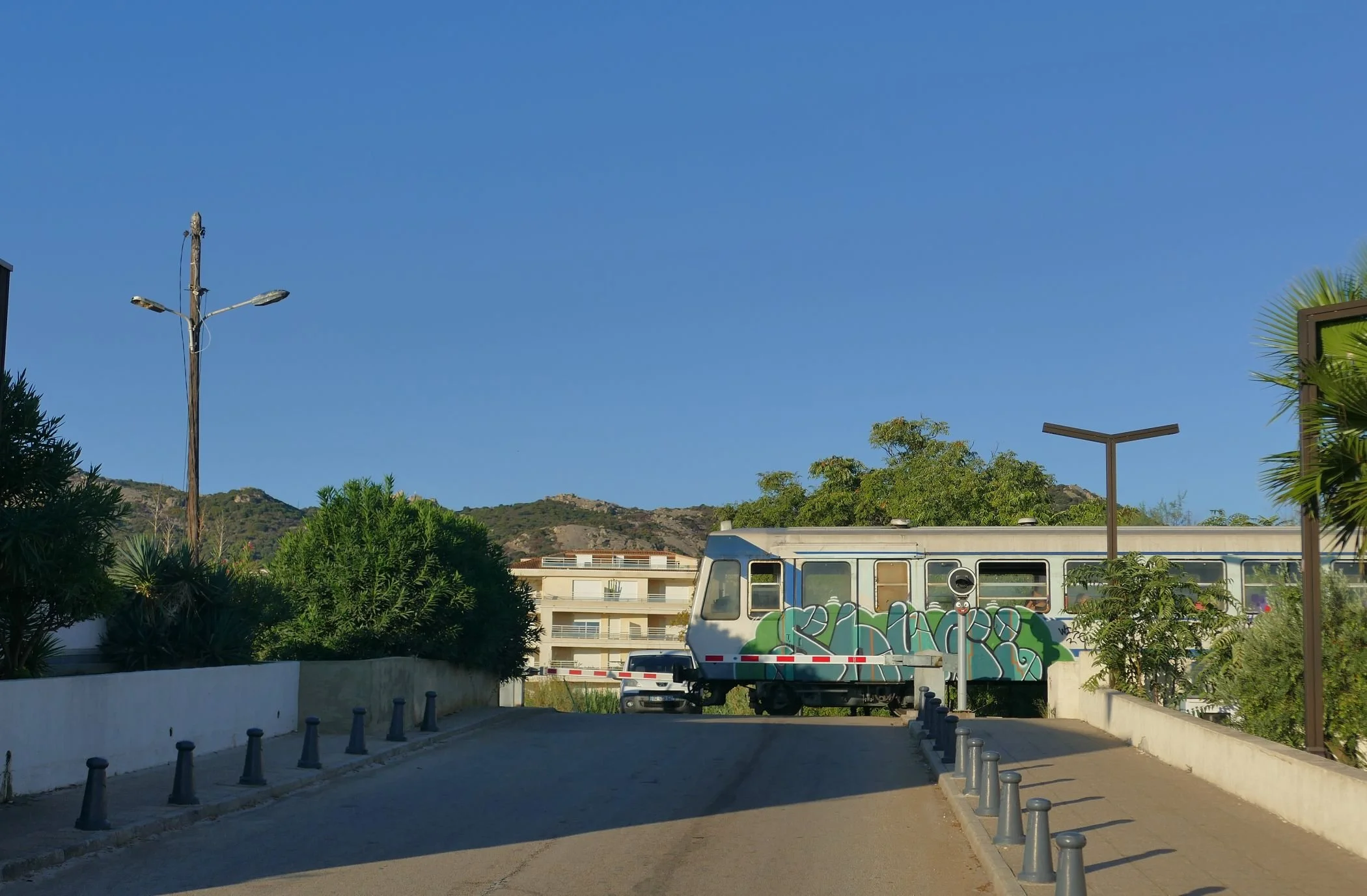
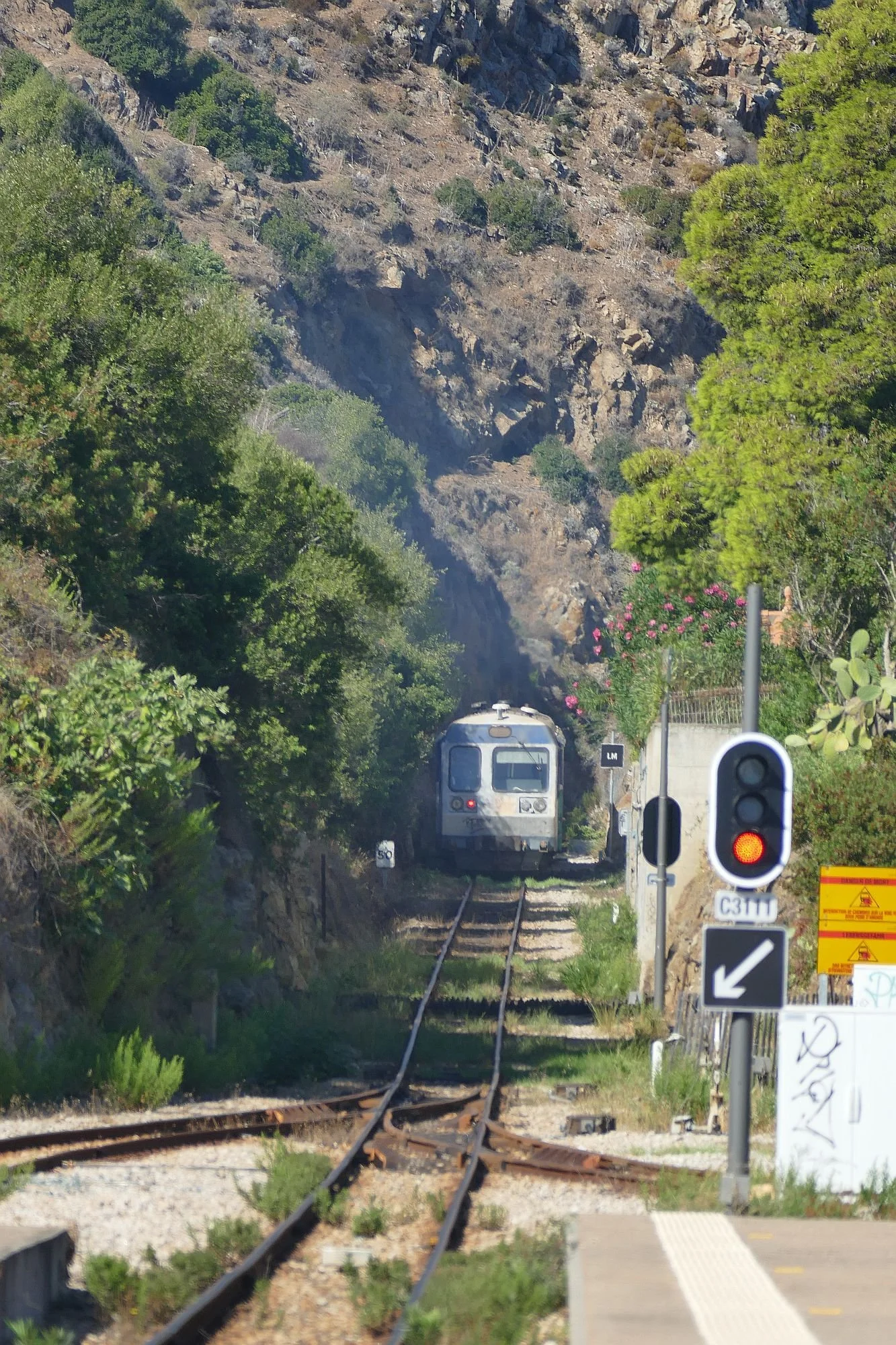
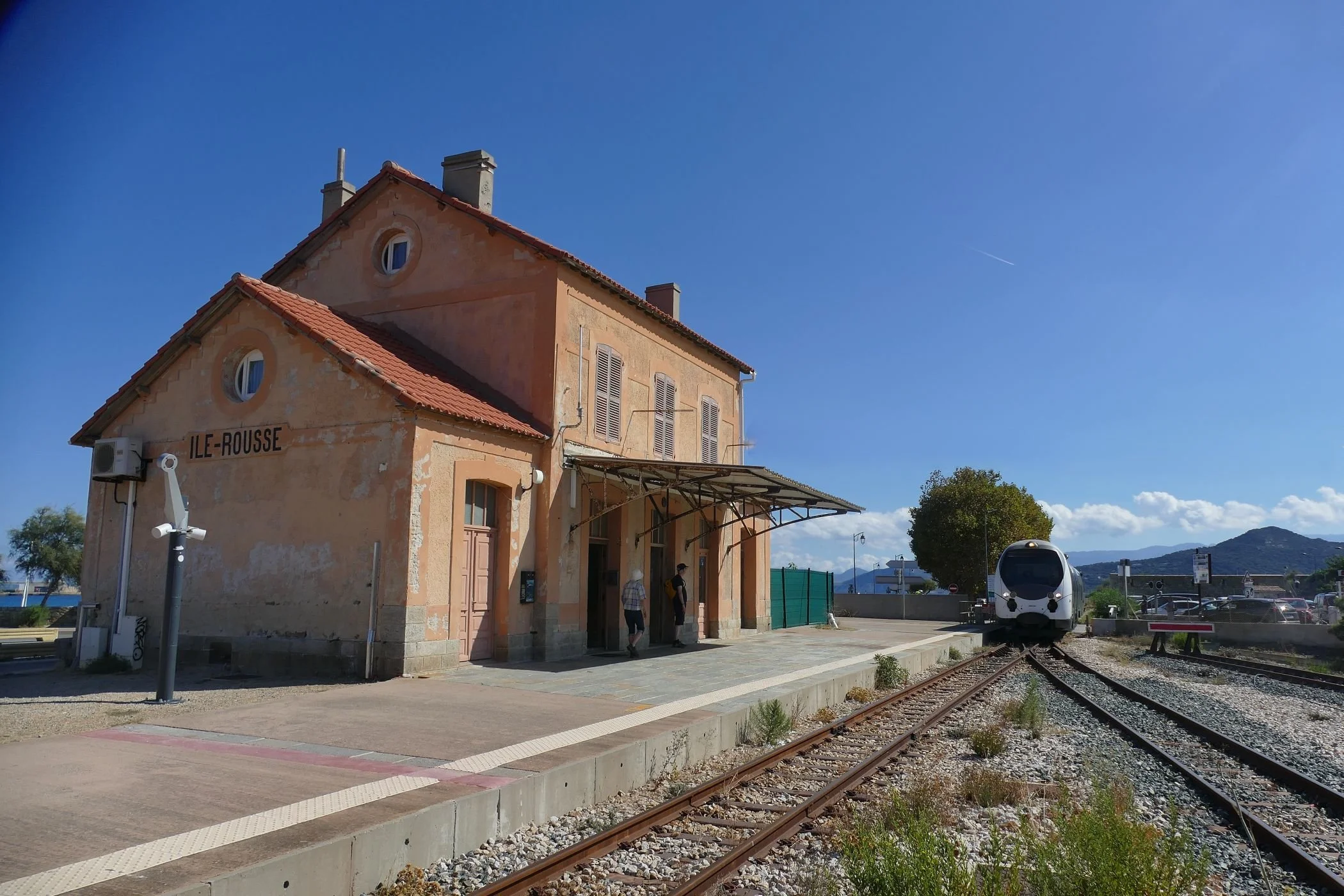
The railway has its quirks too. The route is spectacular and one of the best ways to experience the islands mountainous interior – if you can get a seat. The rolling stock which we experienced in 2008 has largely been retired but the new stock – which bears a remarkable resemblance to caterpillars – is overused, often overcrowded and already beginning to fall apart.
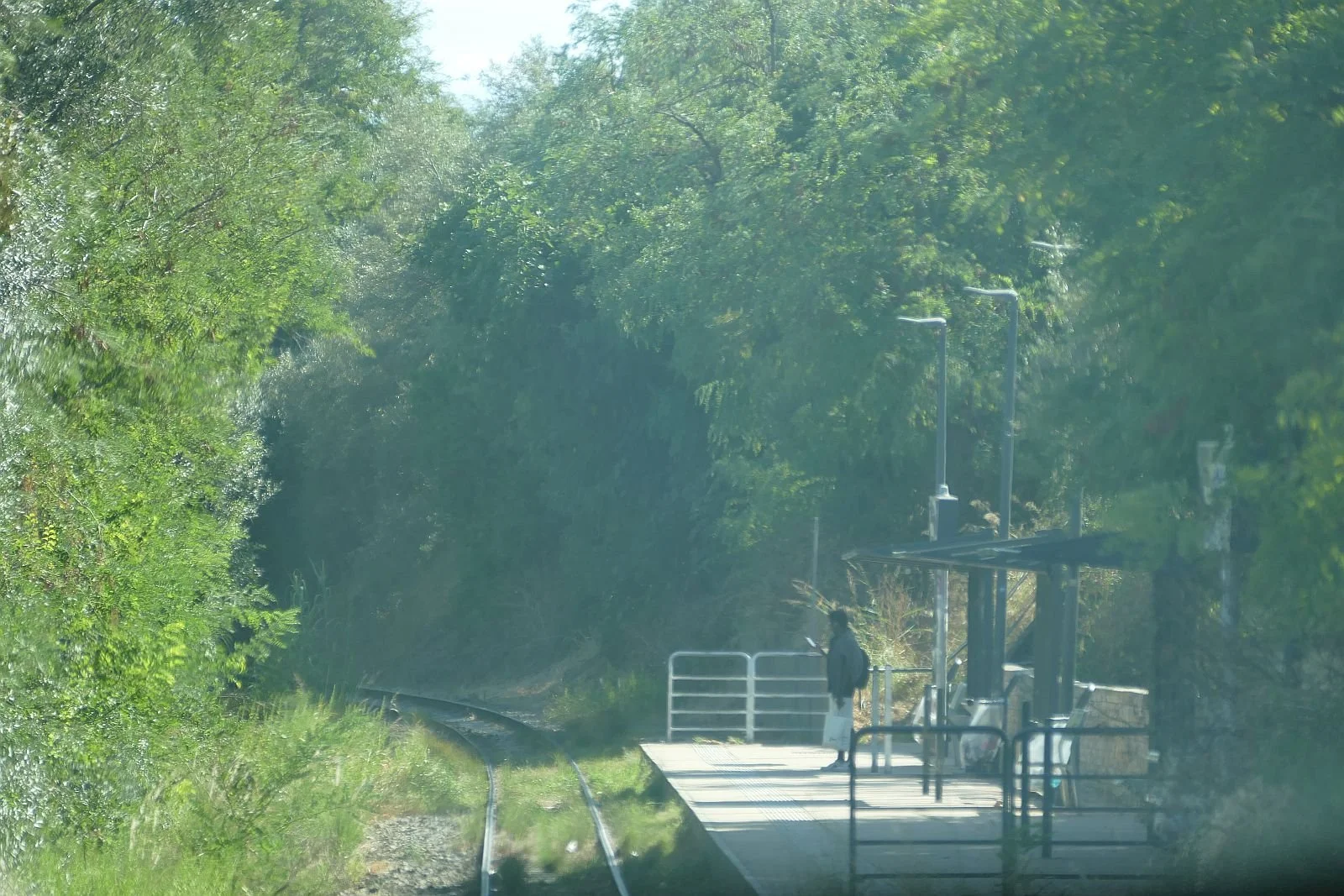
The timetable and route maps are also hard to comprehend but where else in the world can you have a evening, pre-concert picnic on a bench near the beach and not realise you are on a station platform - until a train comes in.
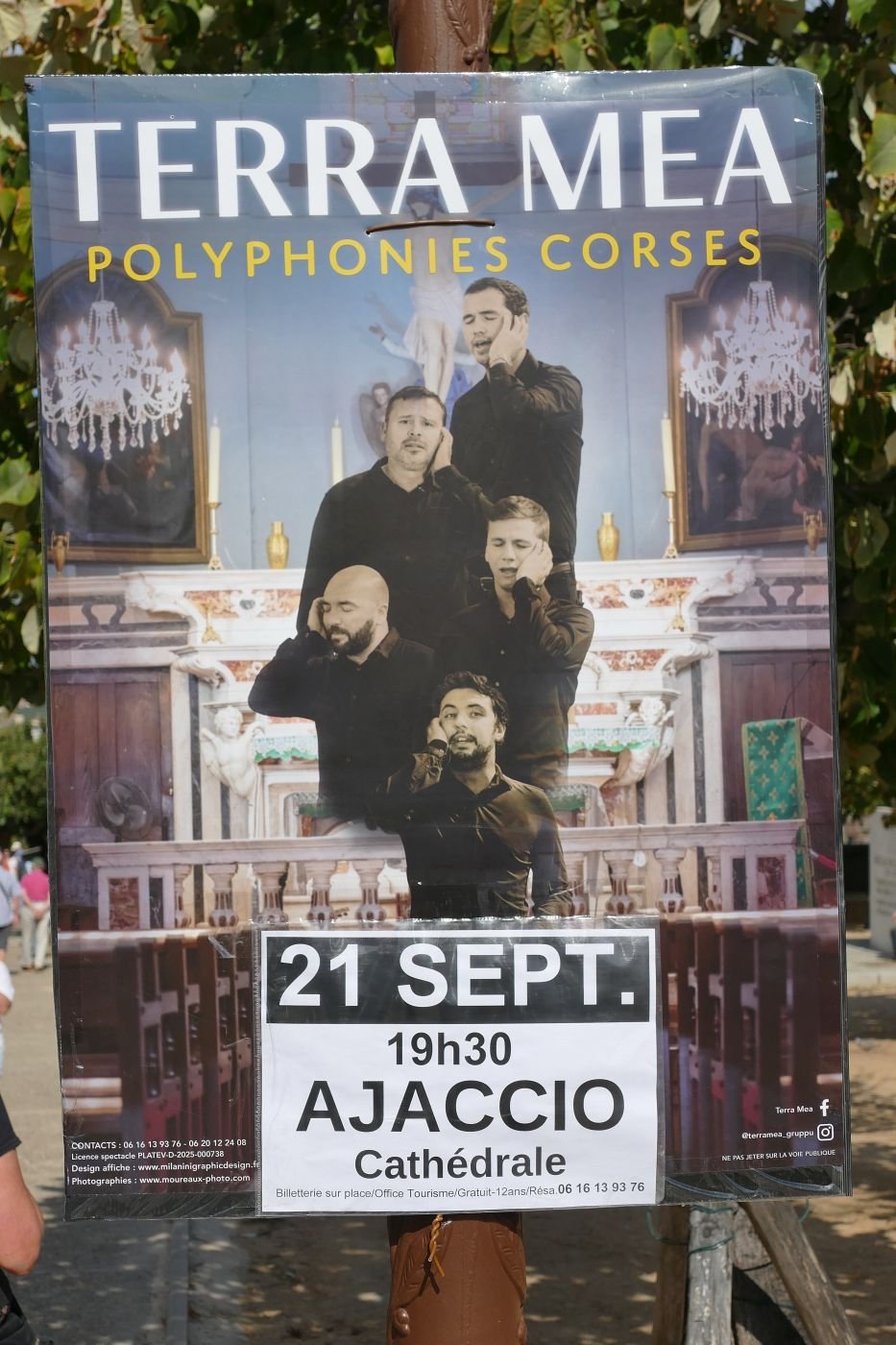
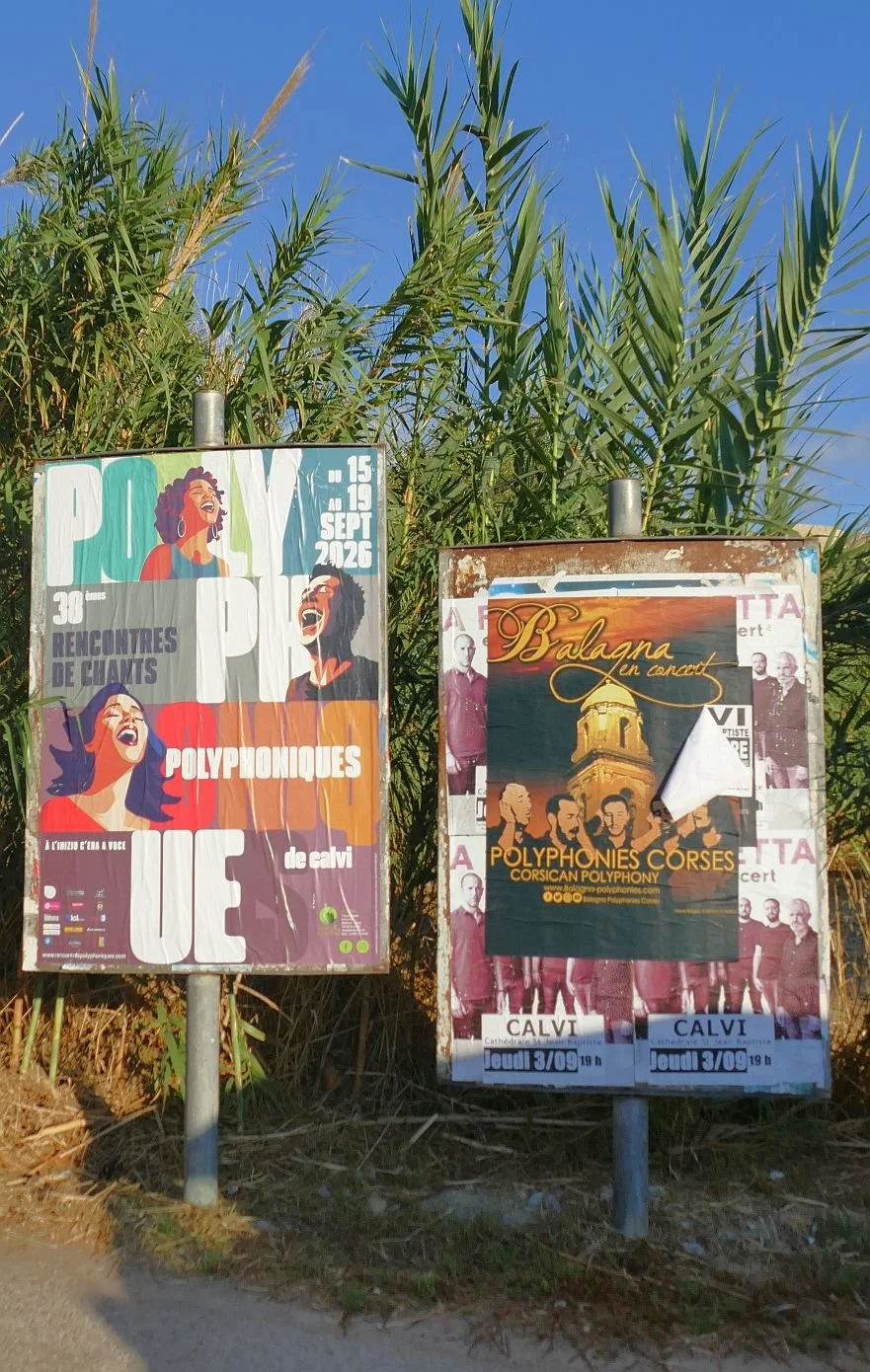
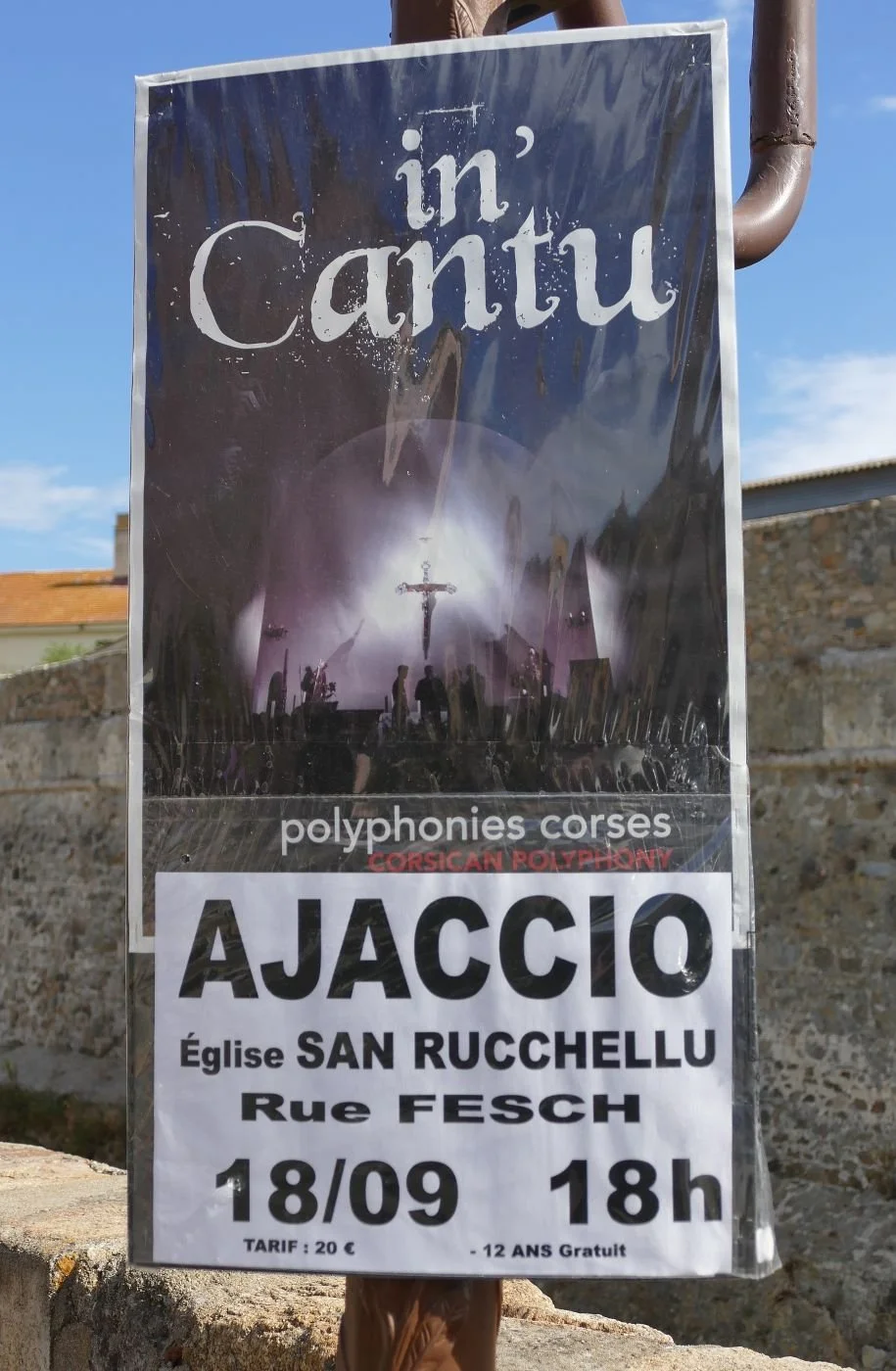
,Music is a hard topic to discuss in a blog but Corsican polyphony is essential listening if you want begin to get a feel for the complexity of the island’s history and heritage - or possibly get a feel for how difficult it can be to understand that history and heritage! If you speak Italian you will understand Corsica’s own language (a result of centuries of rule by Italian city states) but the bonding and emotion invested in the music is distinct to Corsica. Our visit coincided with Calvi’s annual polyphonic world music festival, held every September. The usual venue is Calvi’s crumbling citadel-based cathedral but for safety reasons this year’s festival was decanted into the local community theatre. The auditorium is well designed, comfortable and air conditioned but is some way out of town and totally lacks the atmosphere and ‘discomfort’ of sitting in a cathedral pew, craning one’s neck to see as well as hear. Let’s hope it’s back in its true historic home in 2027!
If you want to get an inkling of the Corsican character, read ‘Asterix in Corsica’. Biographies of Napoleon and national hero Pascal Paoli may also help you get into the detail!
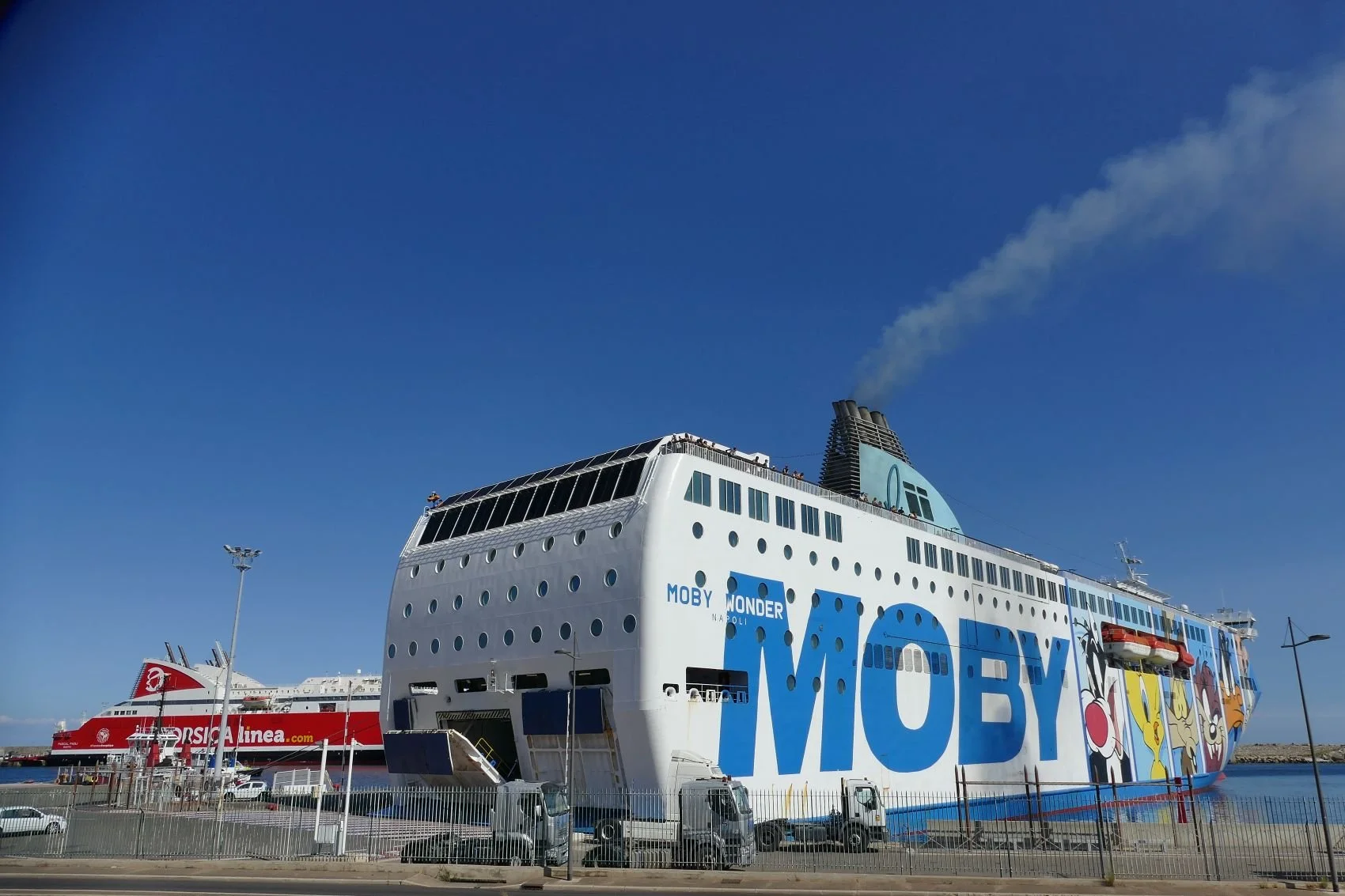
For a symbol of what I hope Corsica isn’t, we nominate the ferry on the right of this picture, particularly if you are a Londoner fluent in rhyming slang.