Meadow Man
Professor Nigel Dunnett
1962 – 2026
There’s a programme on Radio 4 called ‘Last Word’. It’s the radio version of a newspaper’s obituary column and each week it offers listeners the chance to nominate individuals who they feel should be included in the programme.
One of us was participating in a landscape related Zoom meeting when we heard the news that Professor Nigel Dunnett had died, at the age of 63. I thought about contacting Last Word to suggest his inclusion in their next programme but to my shame, I didn’t do it. I needn’t have worried, however. Matthew Bannister - the show’s presenter – opened Nigel’s item with the words, ‘Lots of Last Word Listeners have been in touch with us to cover the life of horticulturalist Professor Nigel Dunnett of Sheffield University’. There are plenty of Dunnett admirers out there with more get up and go than we have.

Terroir was surprised by the strength of our reaction to the news of Nigel’s death. Yes, one of us had (albeit very limited) personal links with him, lived in a minor outpost of his world, knew people he knew, worked on at least one project with which he was intimately involved, and blogged on two more.
Image (right) © University of Sheffield
But our reaction was, in fact, symptomatic of the enormous impact he and his work had had on the environment around us.
The words used to describe Nigel’s contribution to the world of landscape sum up the difficulty of conveying the meaning and significance of working in the visible and invisible aspects of both urban and rural environments. In the last few days we have seen him described as:
horticulturist, garden designer, landscape designer, ecologist, planting designer, urban horticulturist, vegetation technologist, creator of innovative, immersive and sustainable planting schemes, and as a man who created biodiversity and colour and strove to connect people with nature in cities and towns.
If you want to know more please read the University of Sheffield’s obituary (https://sheffield.ac.uk/architecture-landscape/news/loving-memory-professor-nigel-dunnett) appropriately and gut wrenchingly entitled ‘In loving memory of Professor Nigel Dunnett’.
There are many other obituaries, ranging from horticultural magazines to at least one national newspaper. The Landscape Institute’s obituary lists the projects for which he was most famous and we have reproduced that list here. (https://landscapeinstitute.org/news/the-landscape-community-mourns-the-passing-of-professor-nigel-dunnett/)
“The Barbican Estate, London (2015)
Led the redesign of the podium landscapes, including Beech Gardens and the High Walk, transforming a Brutalist icon into a climate-resilient oasis using drought-tolerant, steppe-style planting within a Grade II listed setting.
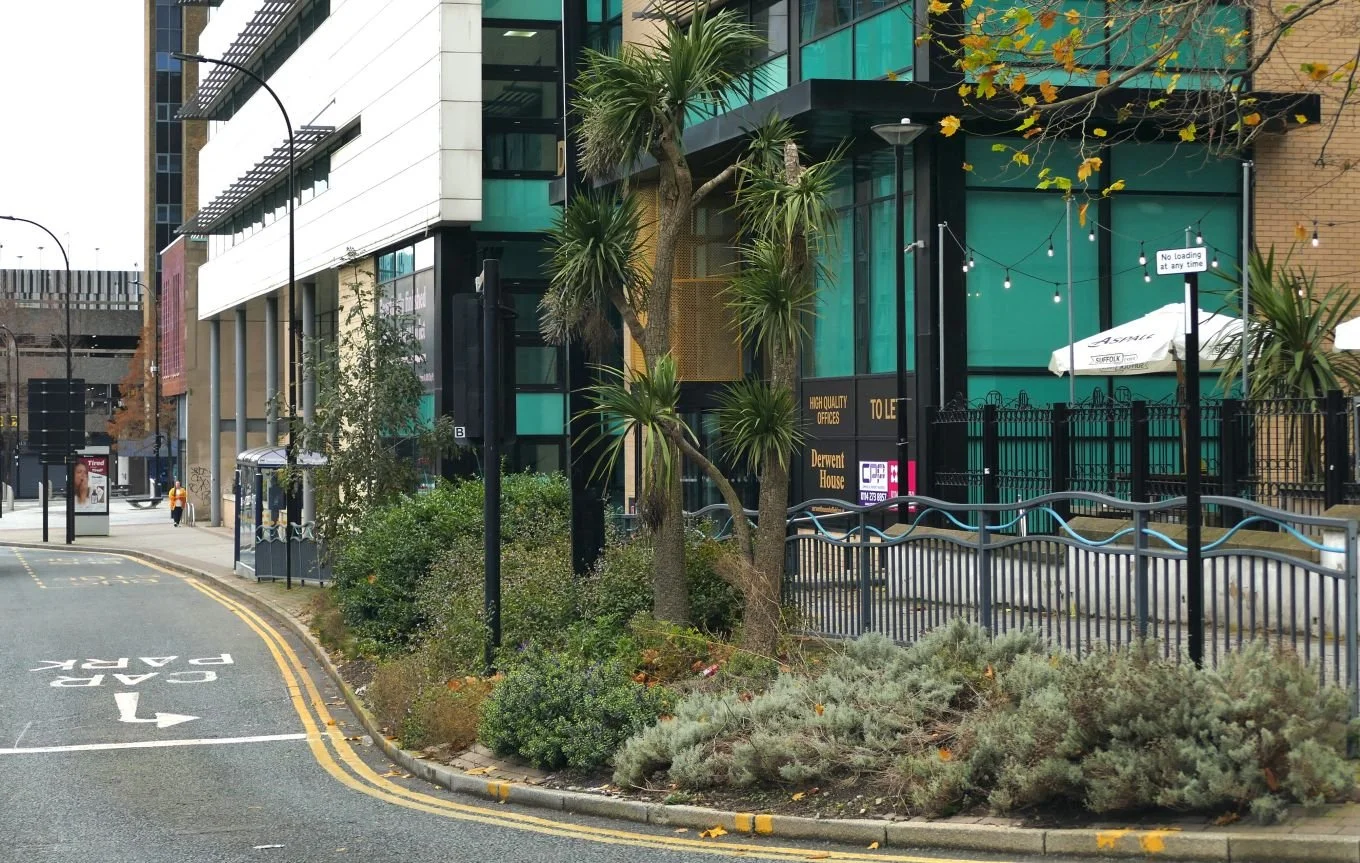
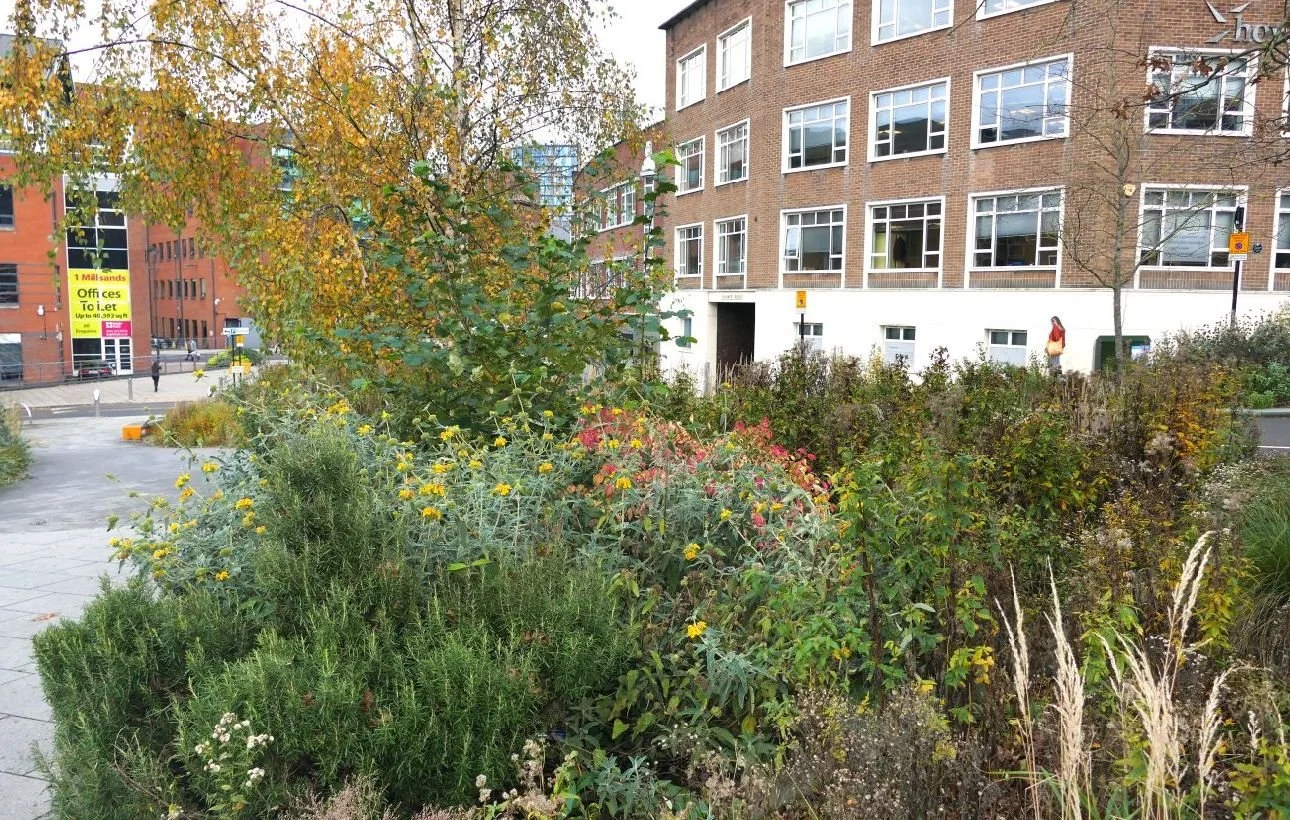
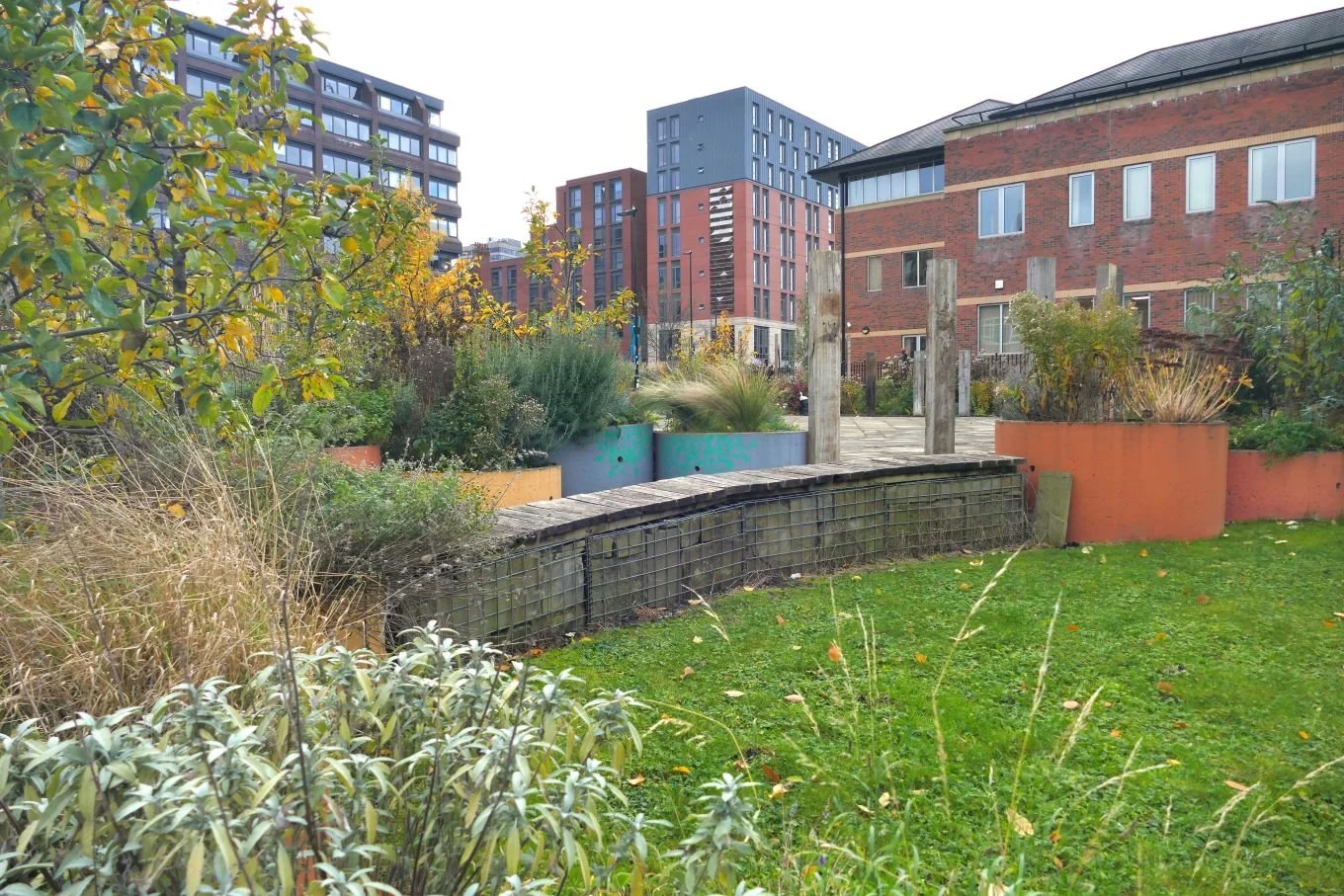
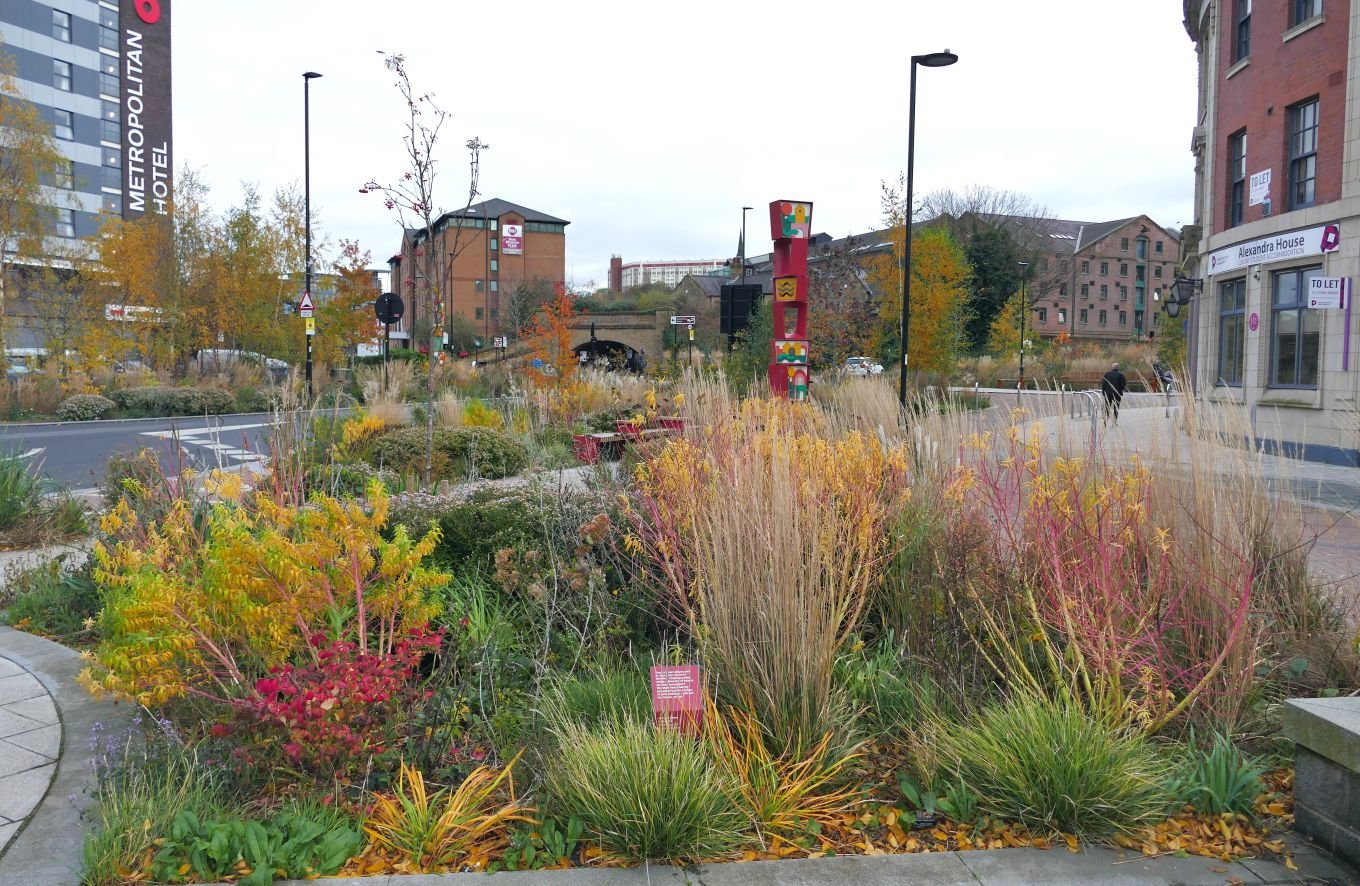
Grey to Green, Sheffield (2016–2020)
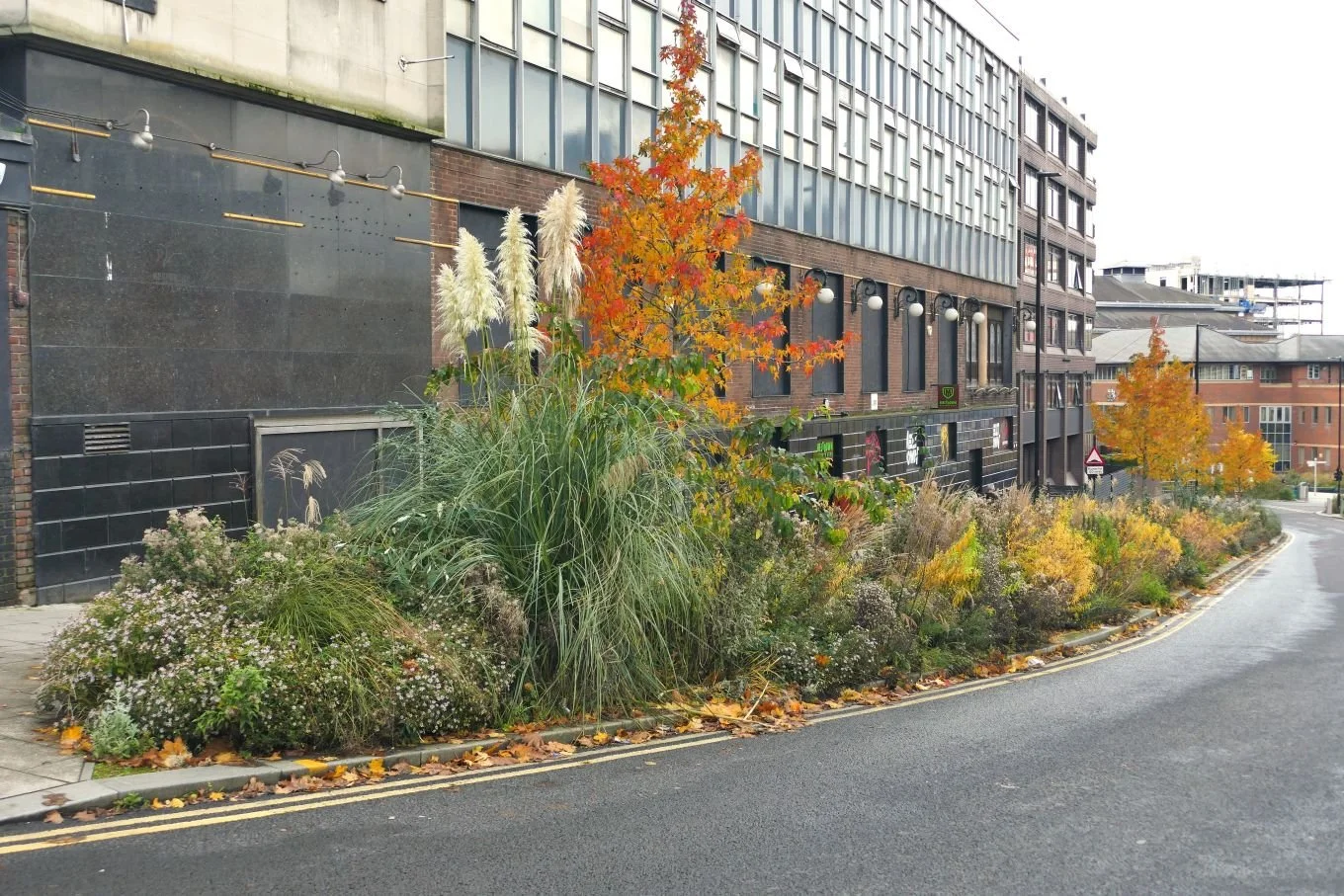
The UK’s longest green street, replacing former dual carriageways with bioswales and rain gardens. A flagship project for climate resilience, significantly improving biodiversity and reducing urban flood risk.
Queen Elizabeth Olympic Park, London (2012)
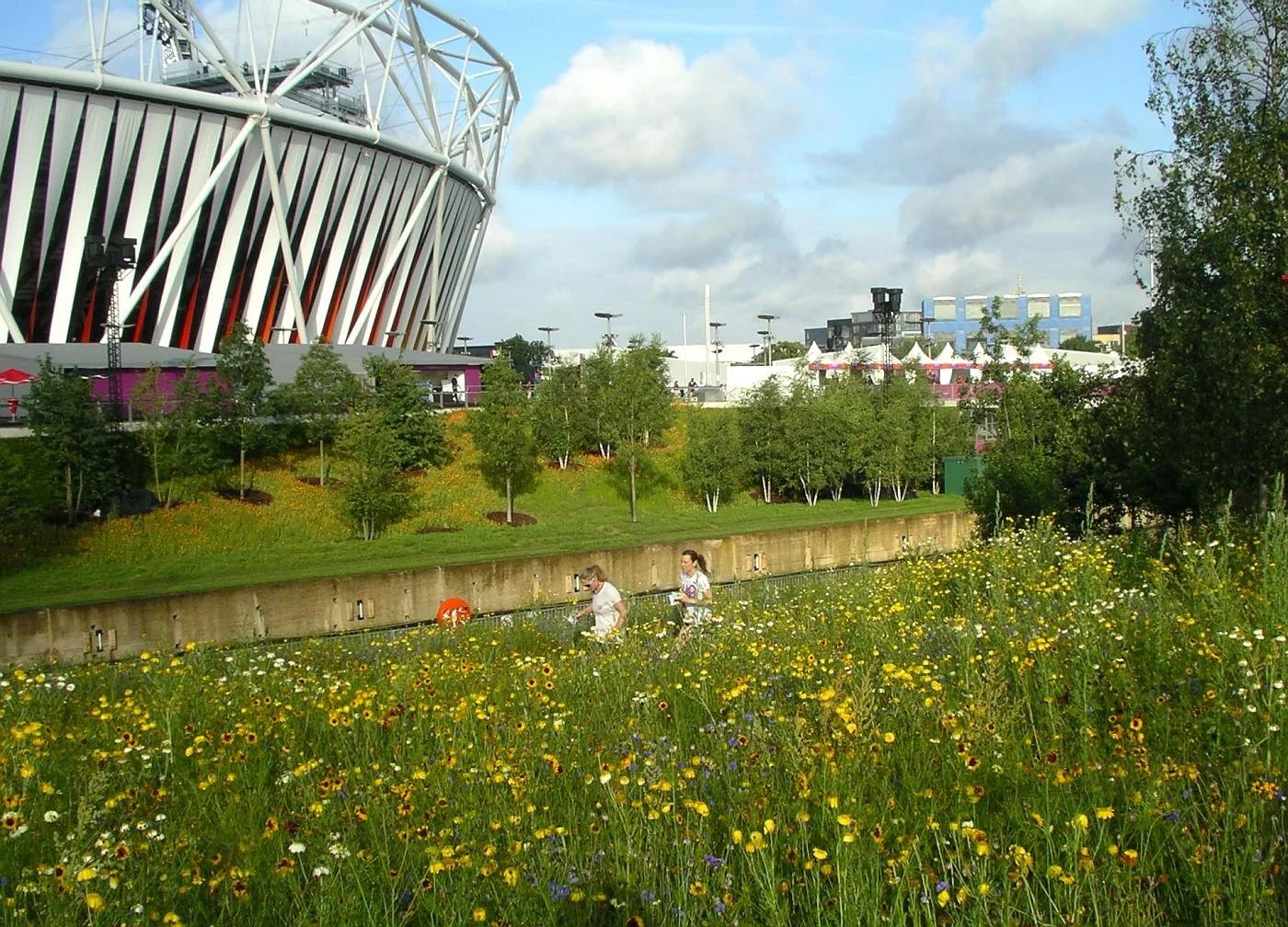
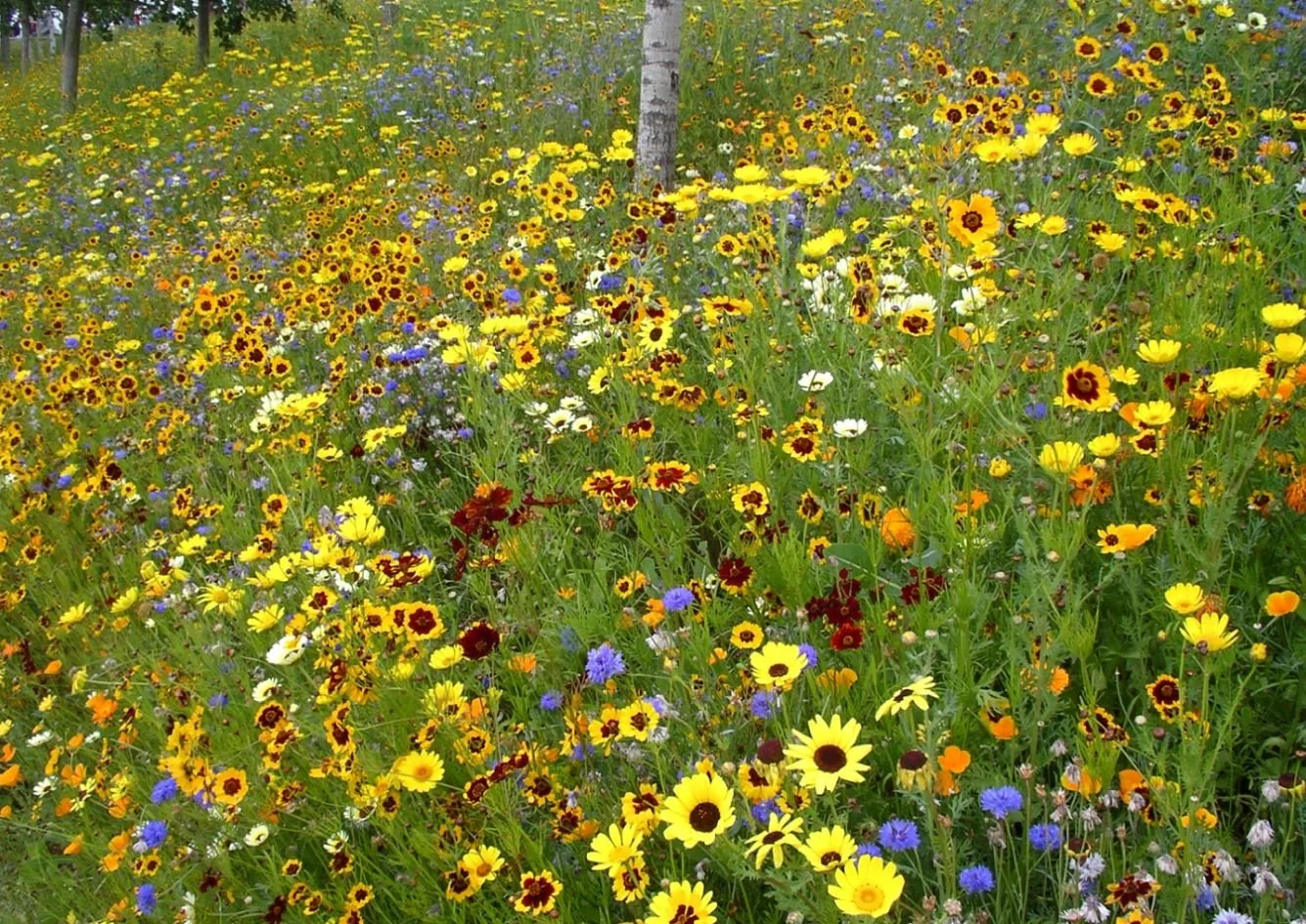
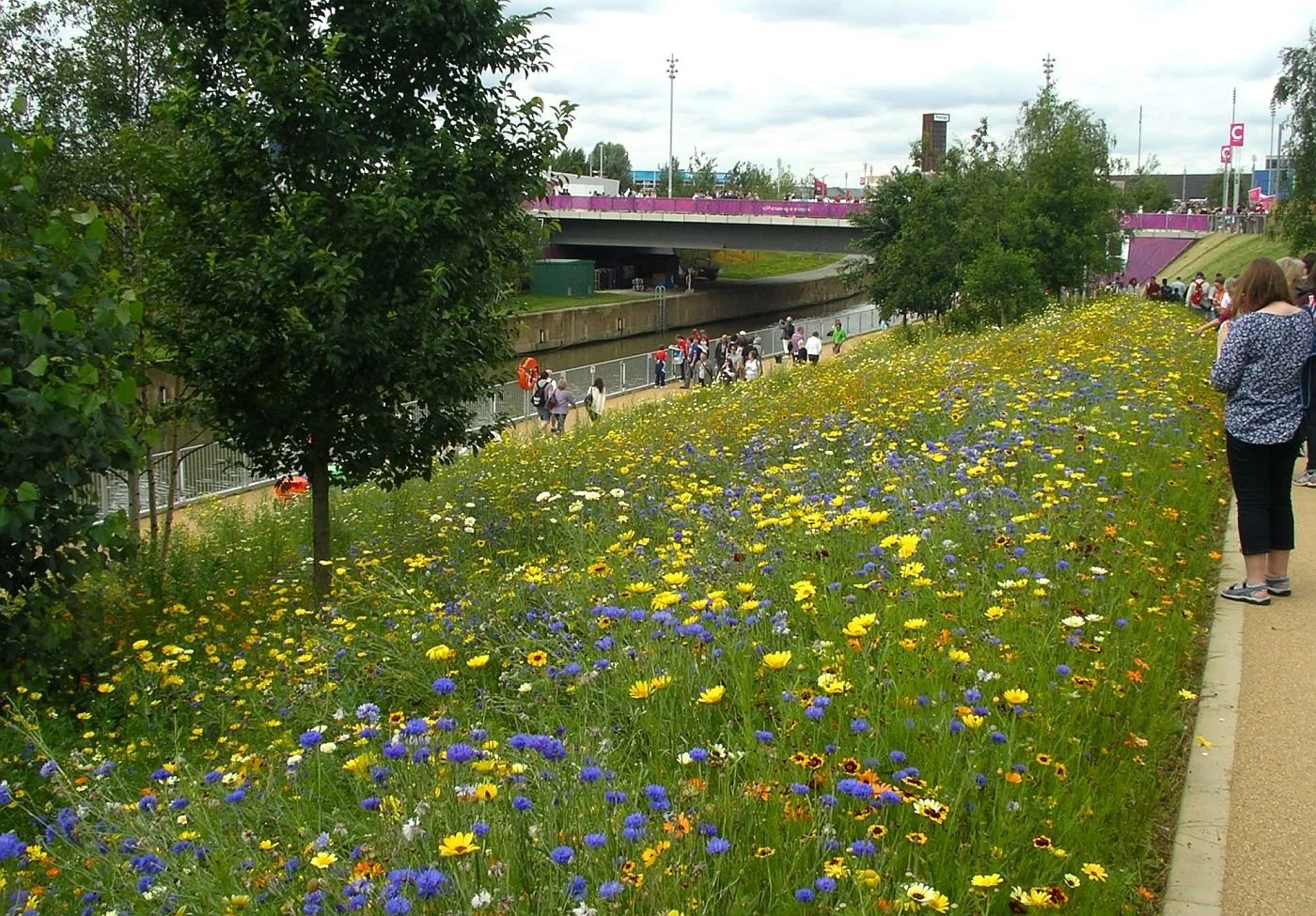
Principal planting consultant for the Olympic “Gold Meadows”, delivering large-scale pictorial meadows designed to peak in colour for the opening ceremony.
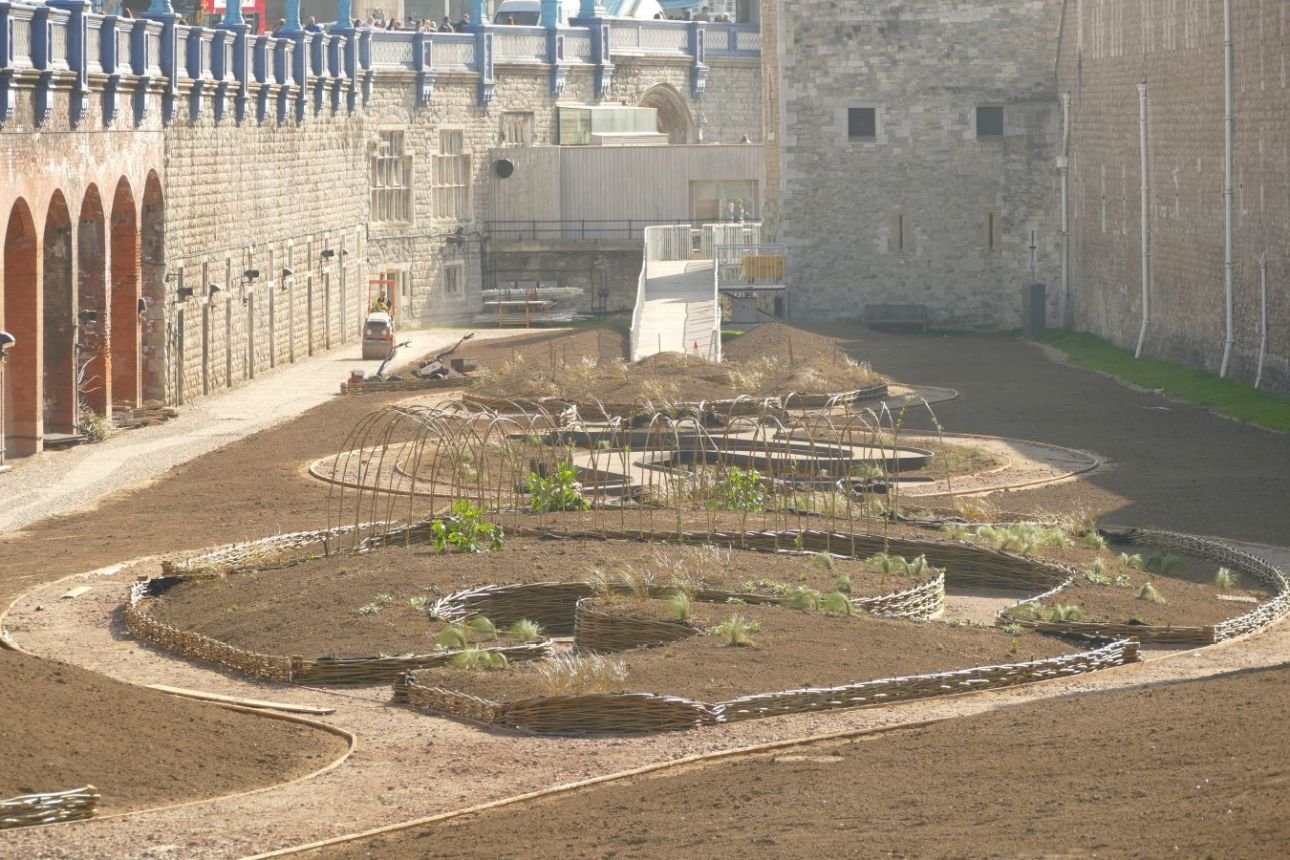
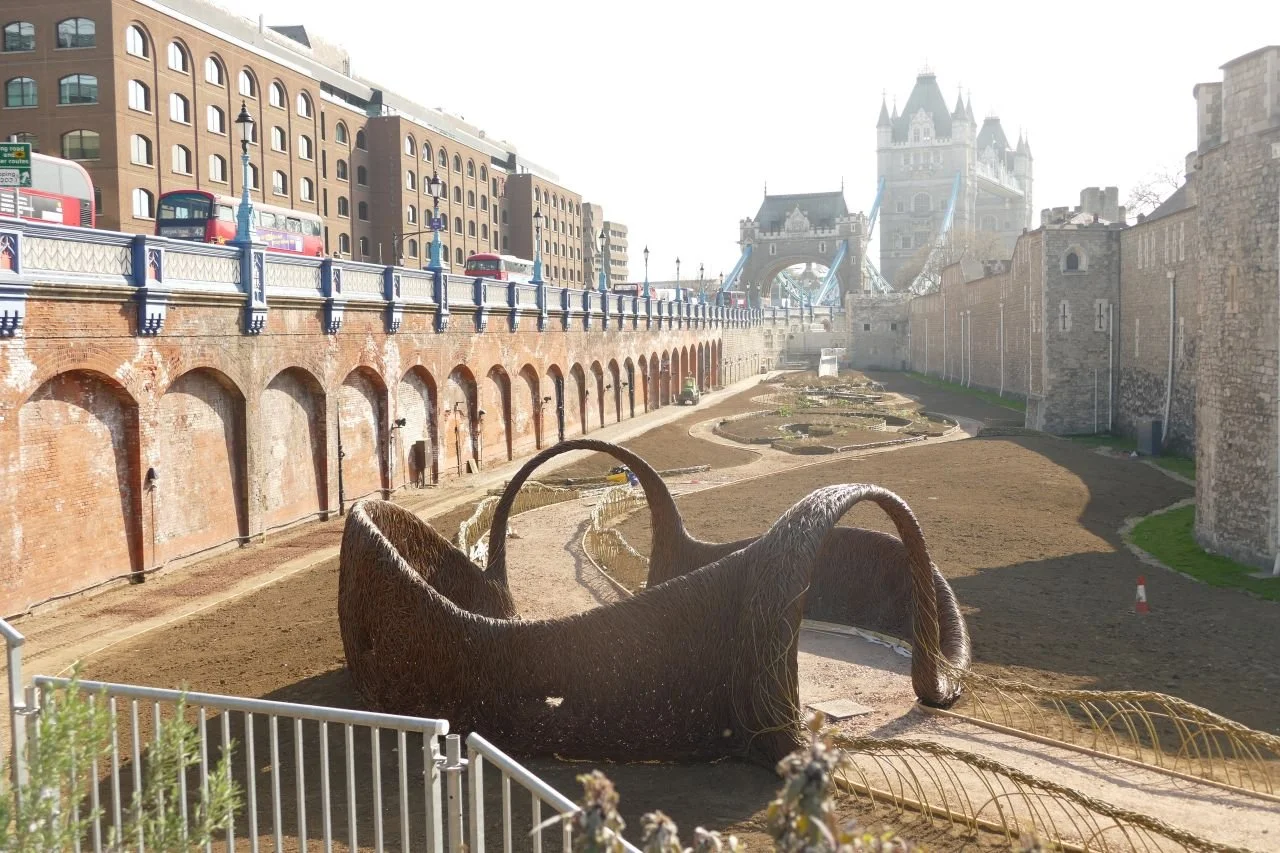
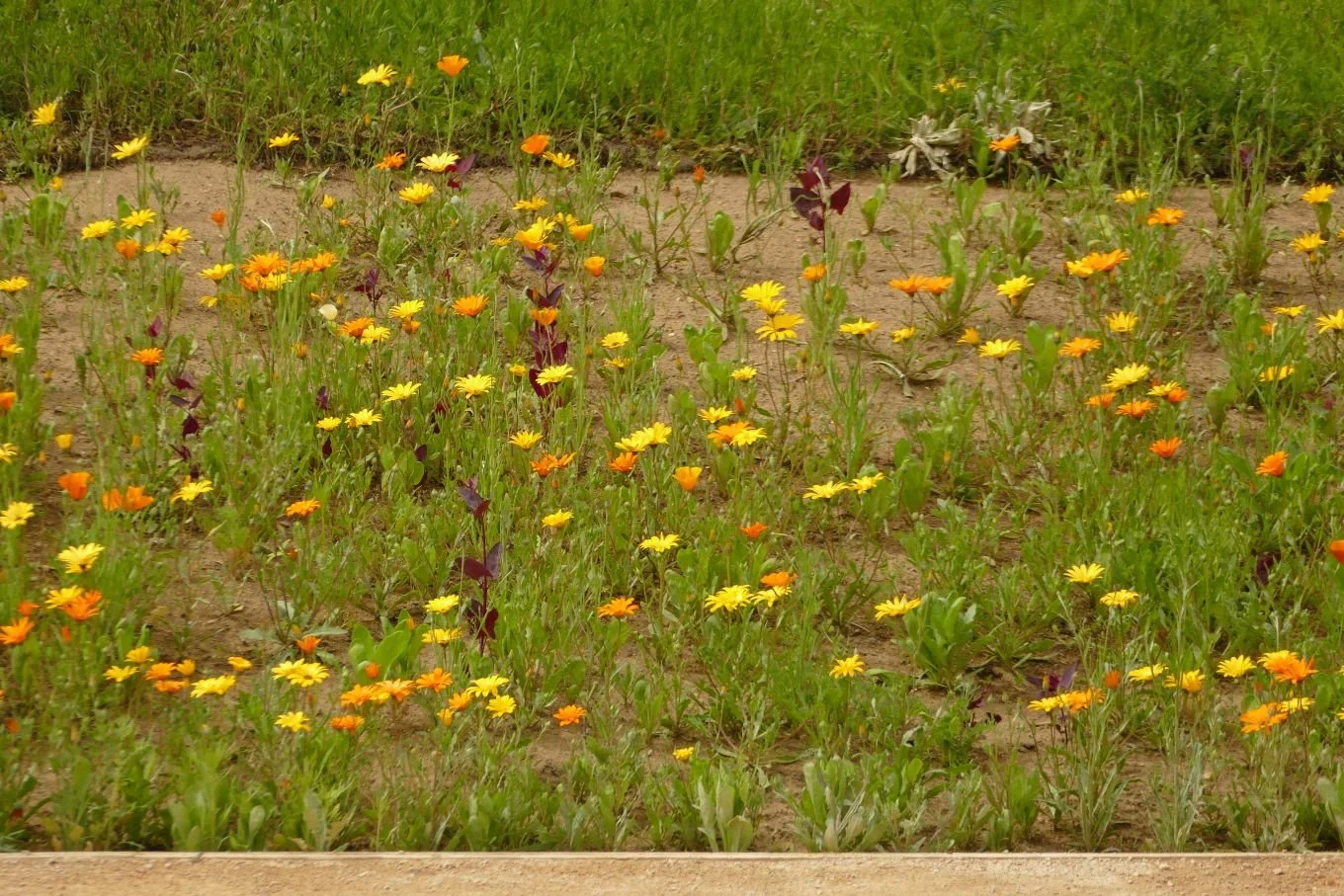
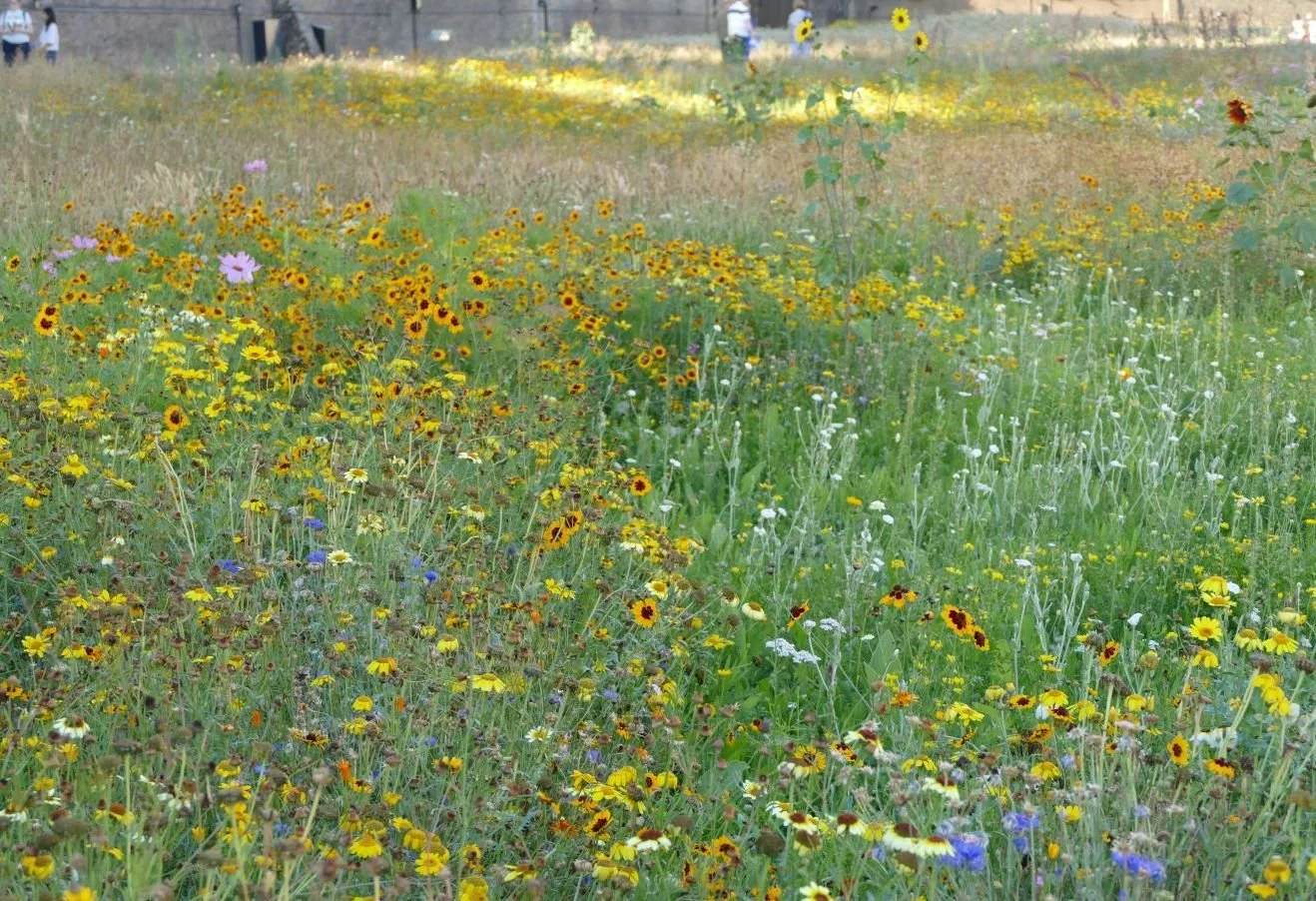
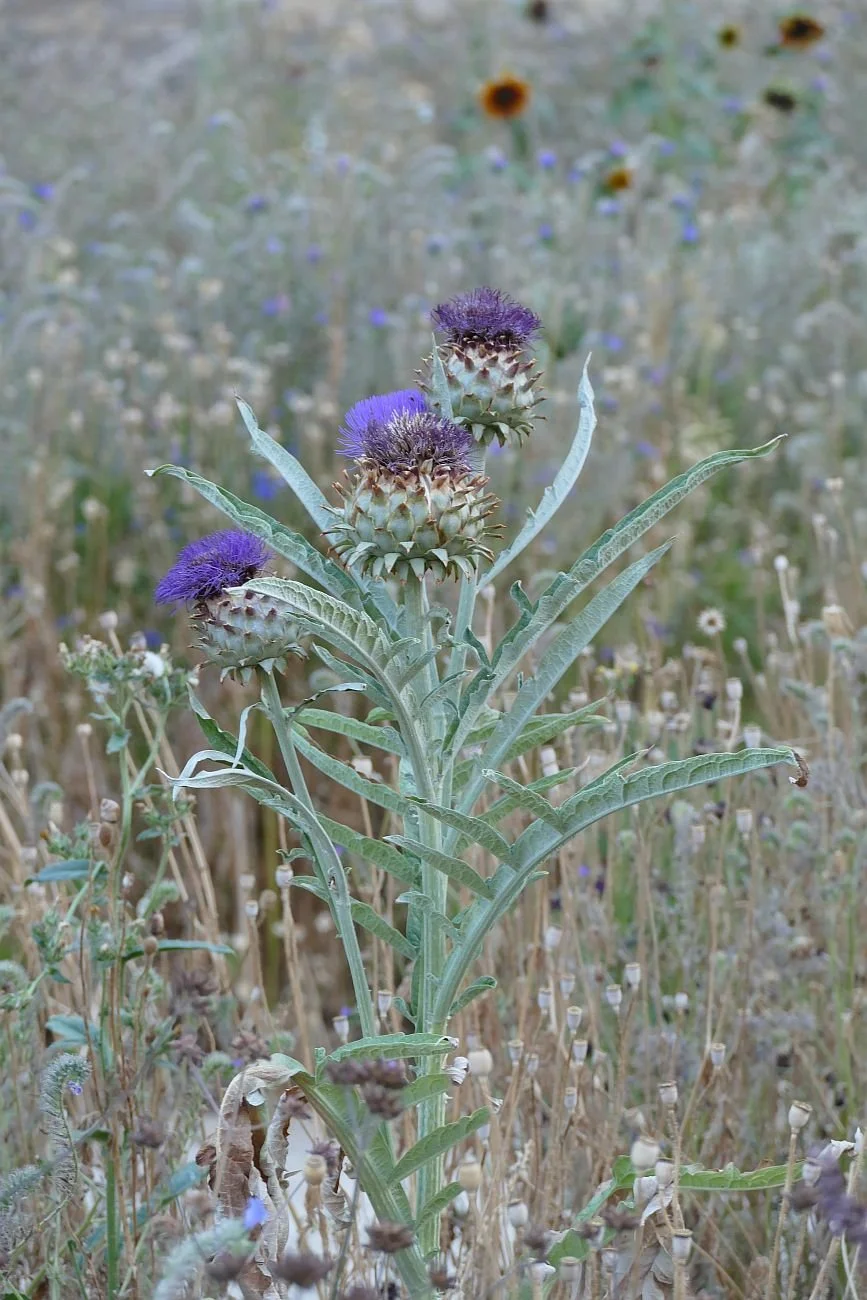
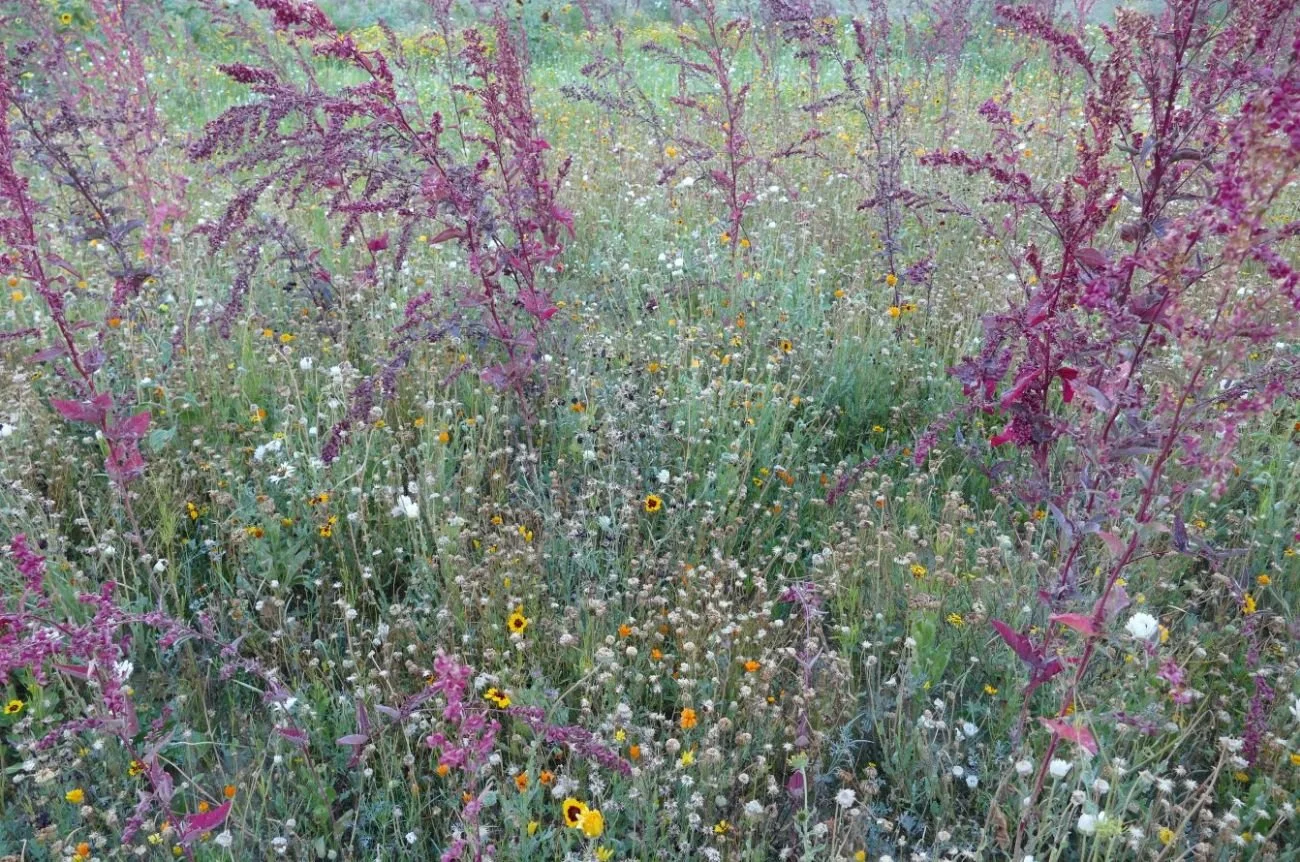
Tower of London Superbloom (2022)
Transformed the historic moat into a vibrant field of wildflowers using millions of seeds, reimagining a defensive space as an immersive and biodiverse landscape.
Grosvenor Square, London (completion 2026)
Leading the transformation of this historic square into a major urban forest, dramatically increasing planting and biodiversity and setting a new benchmark for green infrastructure in city centres.”
Terroir’s final offering is a brief photographic tour of three of these major projects. We never thought that they would be used so early in this context.
The Queen Elizabeth Olympic Park:
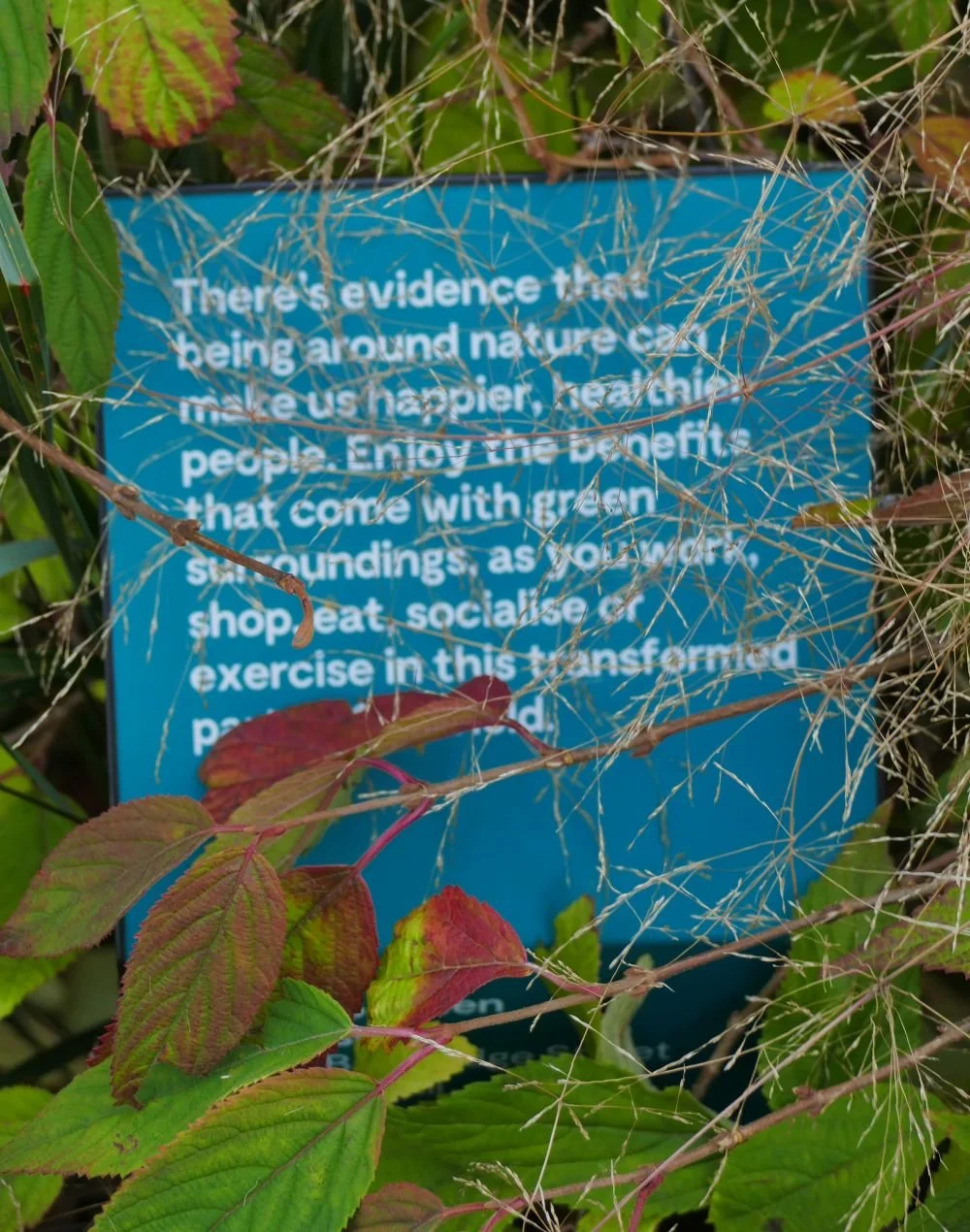
Grey to Green, Sheffield (from Blog 124 ‘River Hacks’)
Tower of London Superbloom - through the seasons
Nigel Dunnett: thank you.