‘How do I love Thee?’
‘Let me count the ways’
Terroir has been counting the ways to love and honour a landscape.
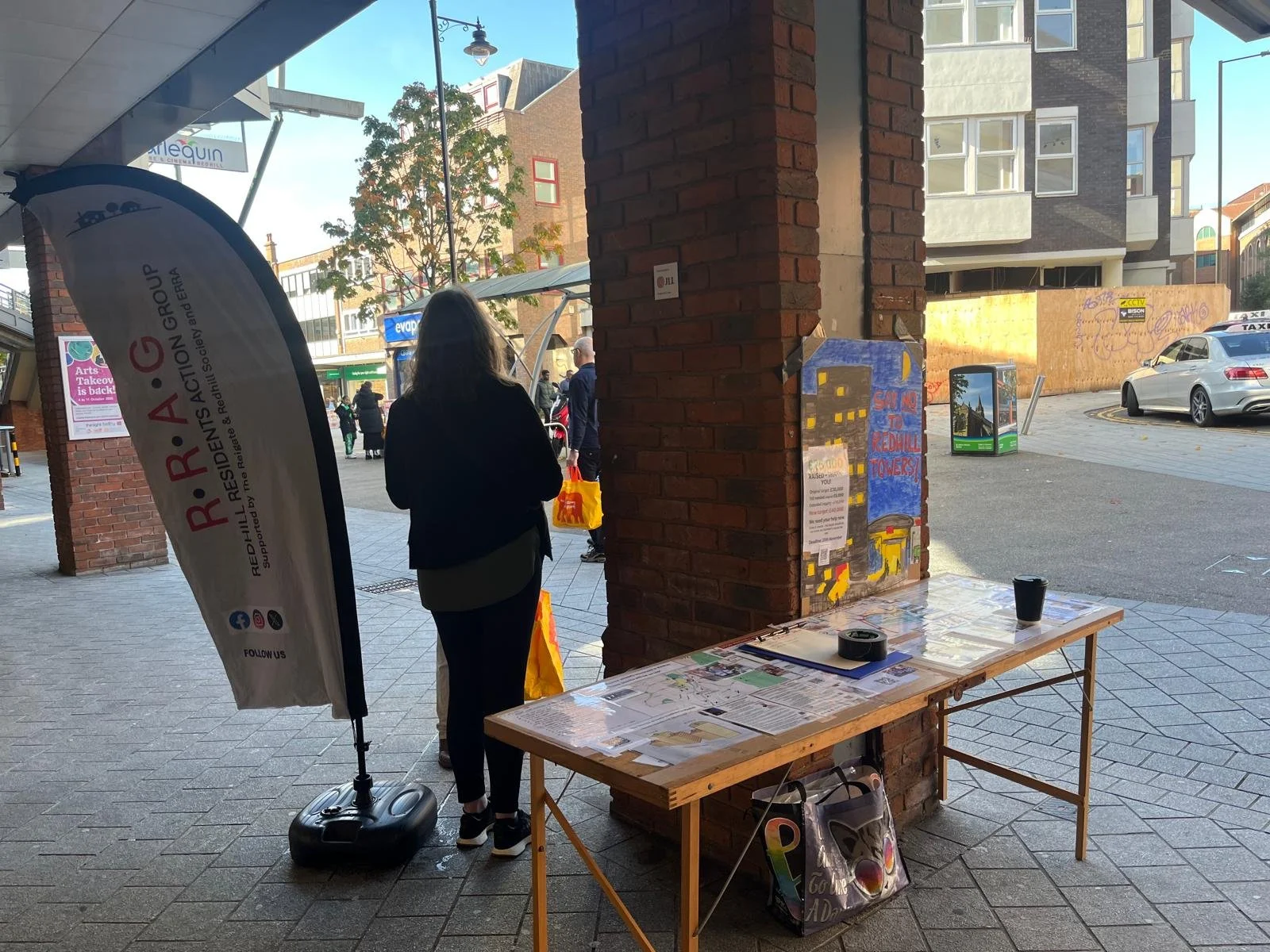
In September of this year we wrote about the process of influencing the quality of development proposed for one’s own ‘back yard’ (‘Qimby’ Blog 167). We had been participating in a local planning inquiry over a development proposal which many individuals and local organisations considered to be at best inappropriate and at worst disastrous.
Image right and below © Jan Sharman
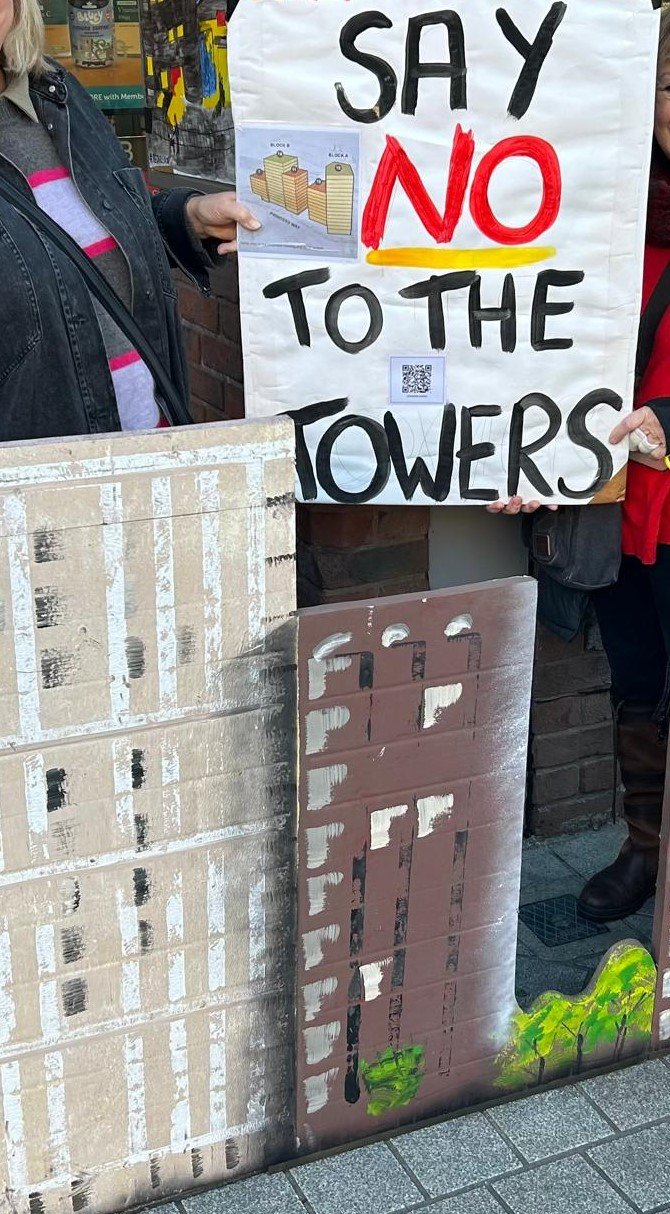
The original planning application had been refused by the local planning authority (largely on heritage grounds) and the developer had appealed the decision. Regular readers will know that the original 4 days allocated to the resulting planning inquiry were woefully inadequate and a further five days were timetabled for the end of November.
We’ve now come though the ordeal. It was hard work and time consuming – and that was just for those of us watching from the side lines! Our barrister, town planner and ever faithful local councillors were in the thick of it. One thing was clear, however: it is extraordinary how many ways there are to represent the social and cultural value of a chunk of real estate, but it is extrordinarily difficult to assess the comparative value of all these perceived merits in terms of financial gain and loss.
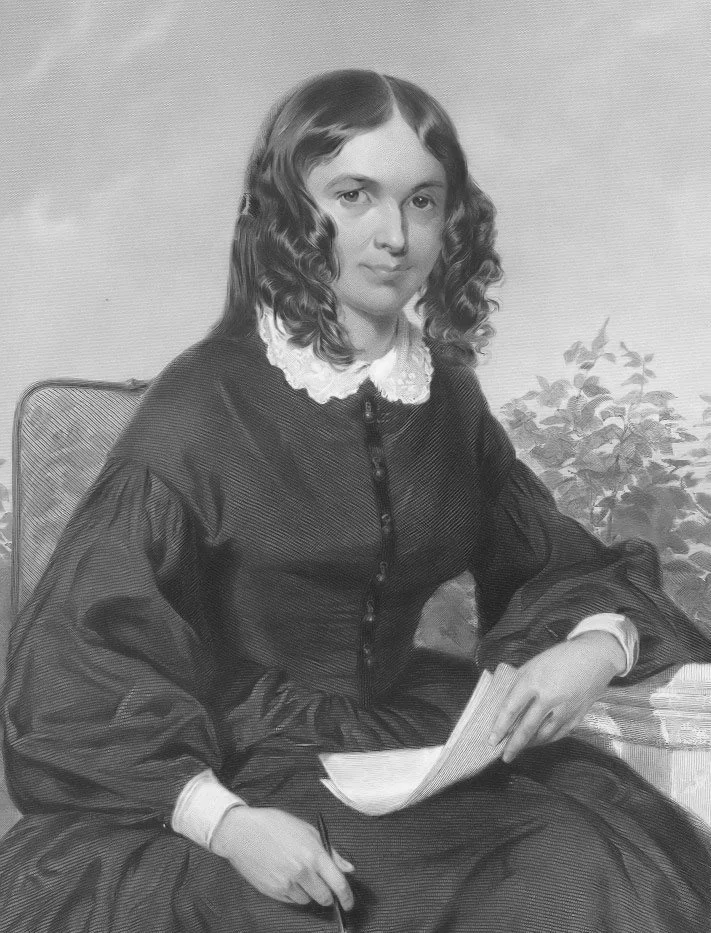
Our title quote is, of course, from Elizabeth Barrett Browning, one of the ‘Romantic Poets’ of the later 18th/early 19th centuries, whose numbers included Wordsworth, Shelley, Keats and Coleridge. According to Wikipedia (https://en.wikipedia.org/wiki/Romantic_poetry whose author can probably sum up the key ingredients of romantic poetry better than Terroir), the movement was “a strong reaction and protest against the bondage of rule and custom…”. Although obviously of its time, we can sympathise with this statement; it seems the difficulty of evaluating an ‘intangible asset’ is nothing new!
Image right: Public Domain, https://commons.wikimedia.org/w/index.php?curid=230346
Before you shout that Barrett Browning’s sonnet No. 43 was a love poem to a human being not a landscape, let me remind you how Wordsworth turned the Lake District from wilderness to a romantic and desirable destination. We suggest (only slightly tongue in cheek) that there is a direct link between the 1804 poem, ‘I wandered lonely as a cloud’ (based on an earlier encounter with wild daffodils on the shores of Ullswater), and the designation of the Lake District as one of England’s first two National Parks (1951) and its later upgrading to a UNESCO World Heritage Site (2017).
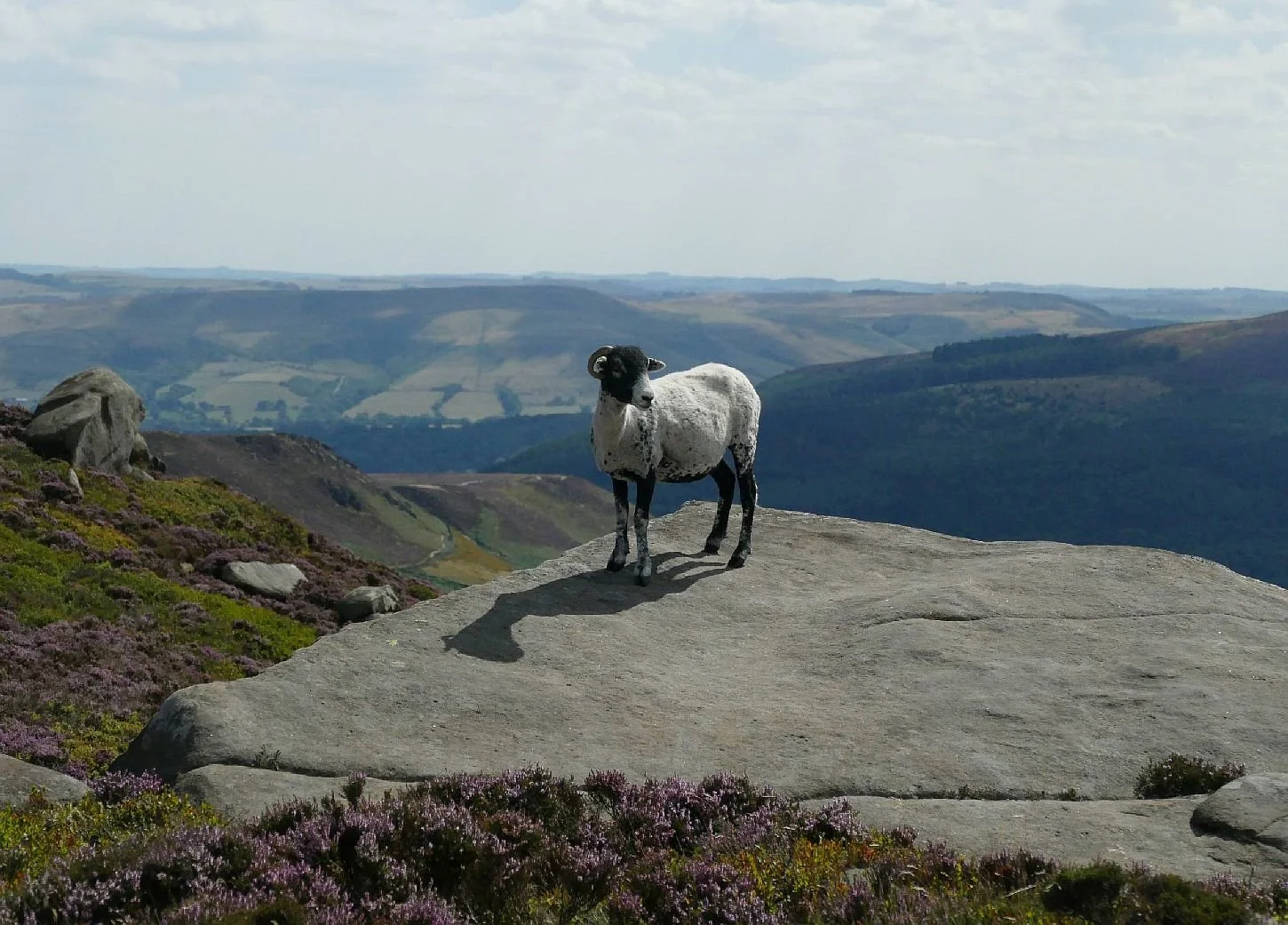
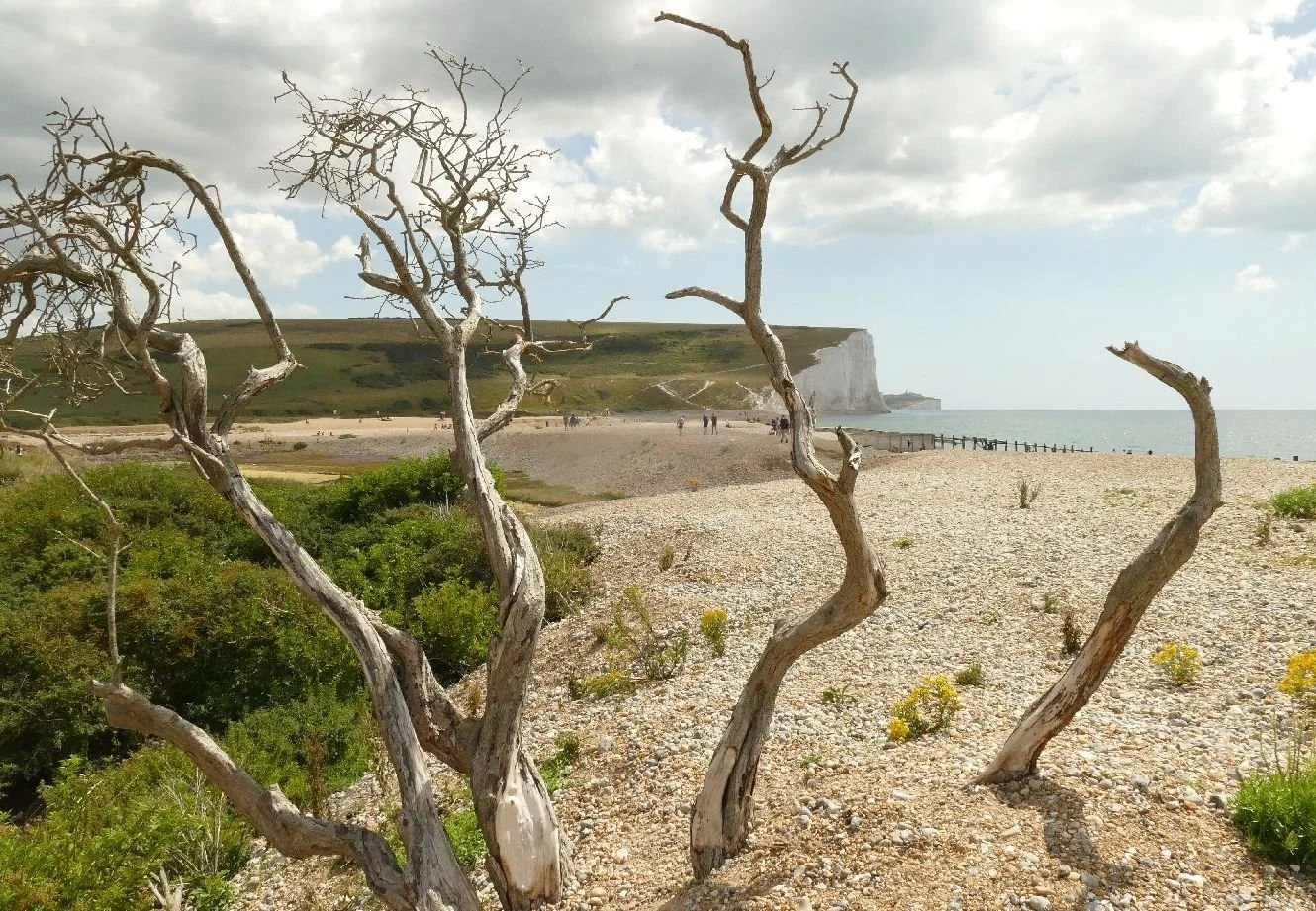
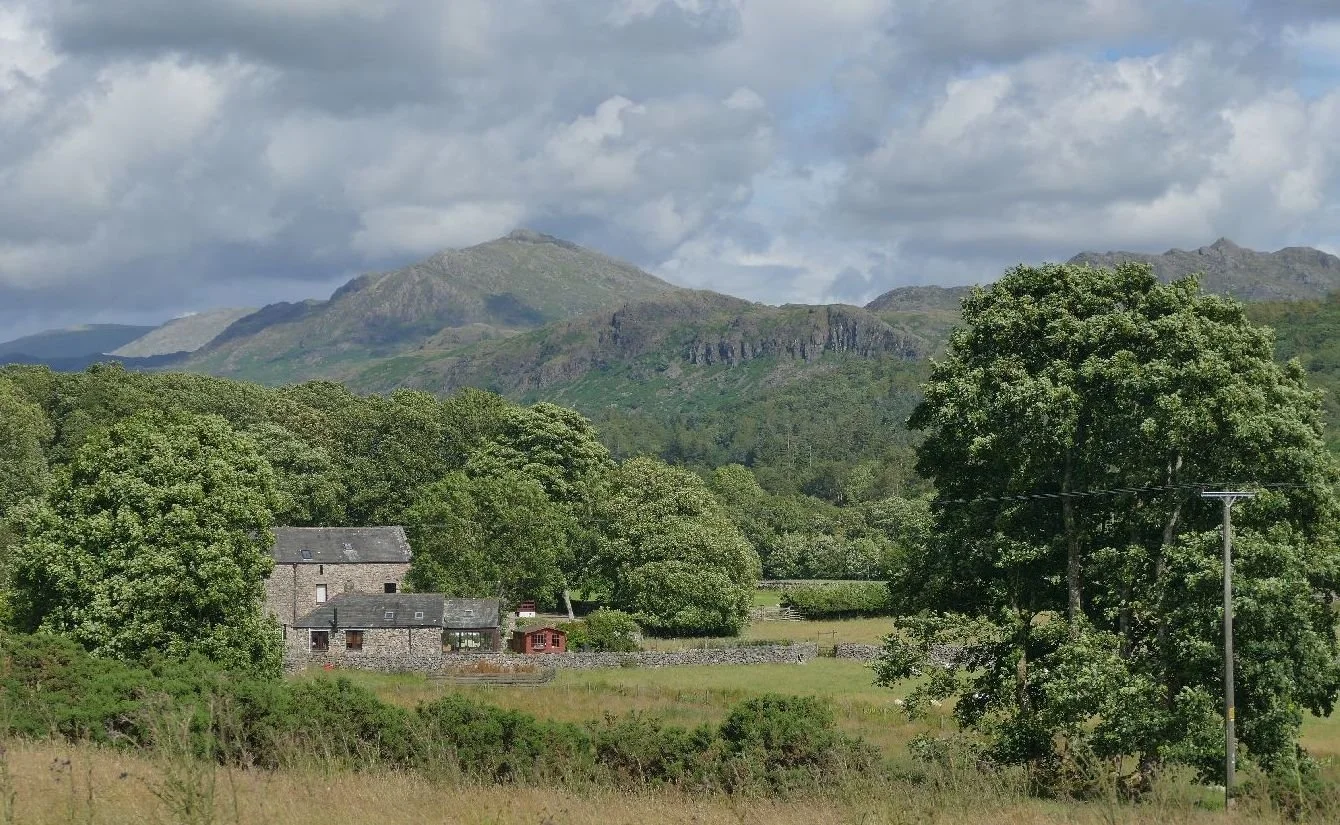
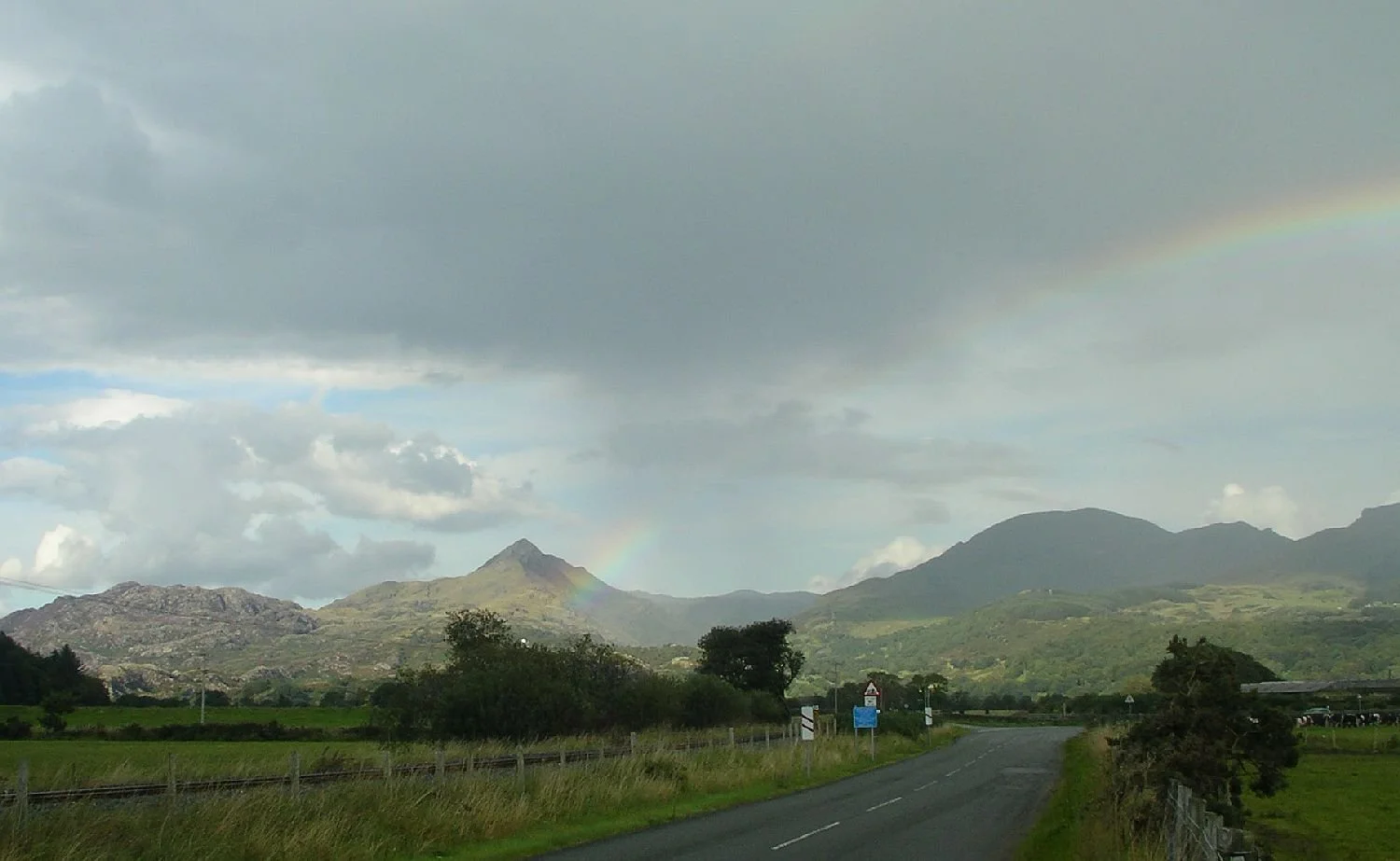
Above: a selection of National Parks, from left to right, Peak District, South Downs, Lake District and Snowdonia
Today, the selection, protection and honouring of our special landscapes, buildings and other forms of cultural heritage is a complicated, complex and bureaucratic process. It ranges from international to very local levels. Each heritage ‘type’ has its own criteria for designation and its own specifics for assessing its significance in a planning appeal, such as the one we experienced.
Tell a barrister, appearing for the appellant, that a proposed development is inappropriate because of a few mountains, a lake and a bunch of daffodils (or whatever applies to your own particular back yard) and they will laugh in your face. Tell them that it lies in or near a landscape or cultural feature that is ‘designated’, and they will have to take some sort of notice.
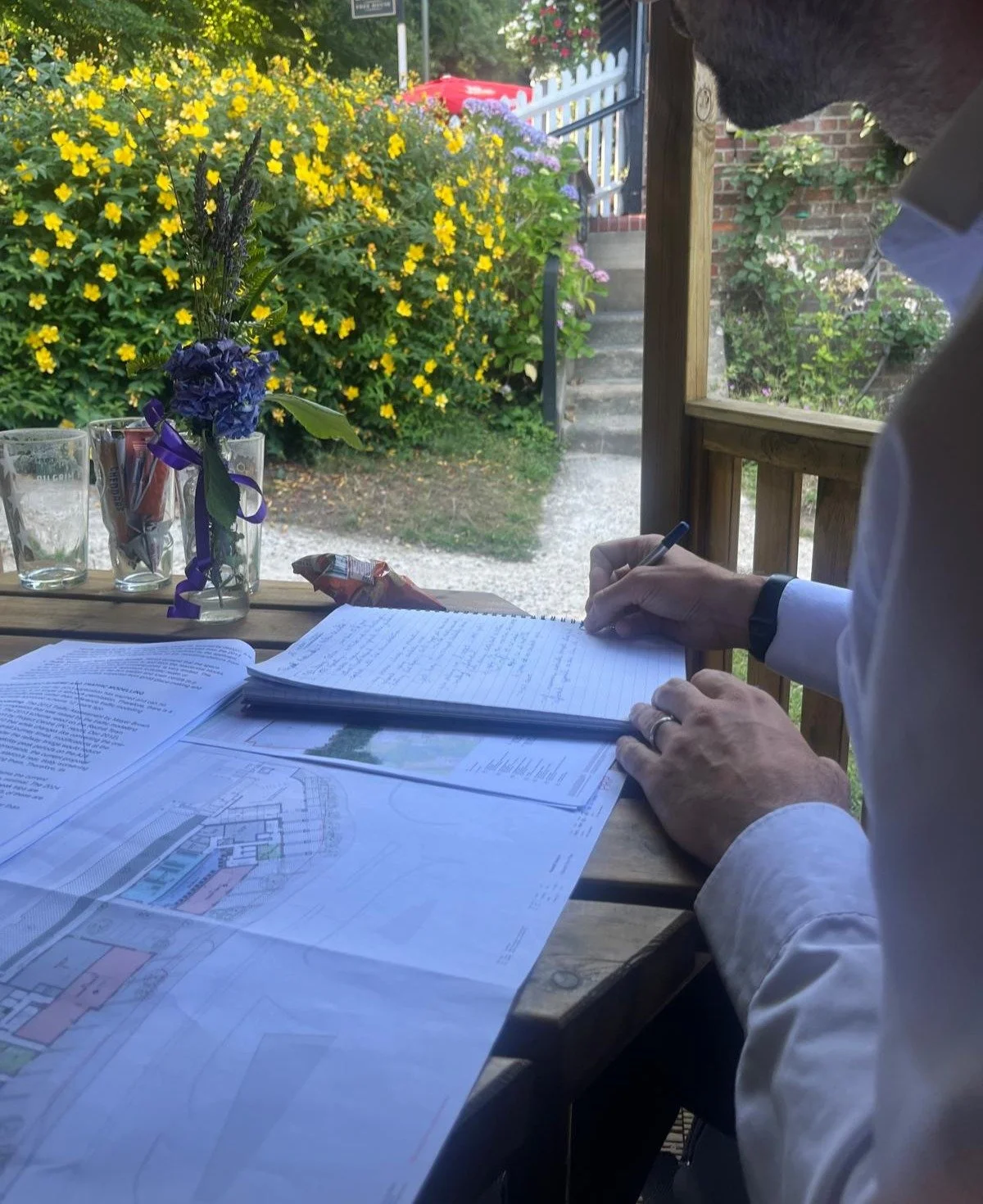
But, without a campaigner of the calibre of Wordsworth, nor the timescale it took to turn the Lake District into a National Park, modern planning inquiries involve many legal wrangles about the niceties of planning policies and/or the significance attributed to a view from say a specific Conservation Area. Romance just doesn’t come into it, but hard graft does.
As an illustration of the complexity of the answer to ‘How do I love thee?’, we have listed below a very few of the policies, designations and guidance which were relevant to the assessment of, in our case, the development of tall buildings on a piece of local townscape. This list is by no means exhaustive.
National Planning Policy Framework
County Council Highways policies
Borough Council policies and plans including topic and site specific strategies such as planning, housing, heritage, flooding, biodiversity and a great deal more
Designations relevant to this particular site: a National Landscape, Historic England Listed Buildings, a Registered Park & Garden, locally Listed Buildings and Conservation Areas (5 relevant CAs in our case).
Of the illustrations below, only one applies to our case (Gatton Park, far right) but all are examples specific designations.
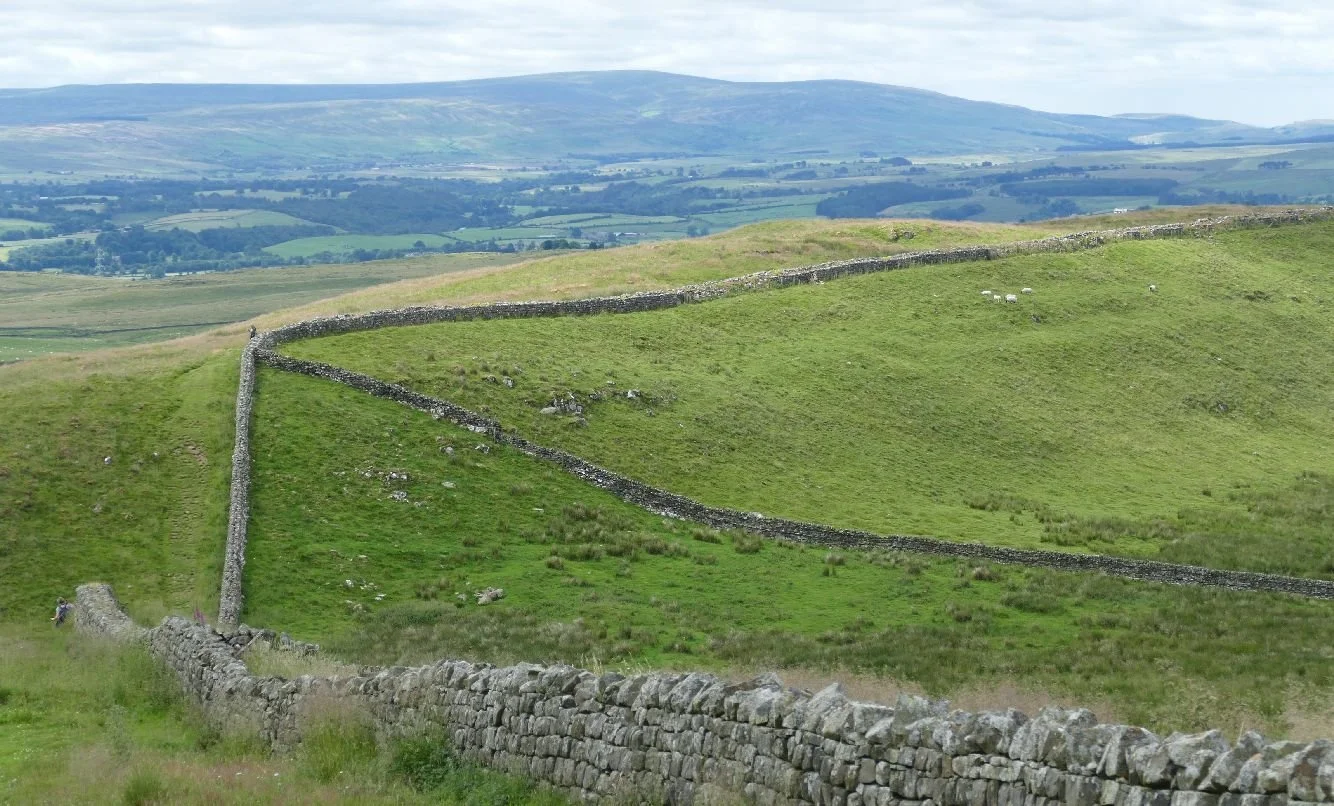
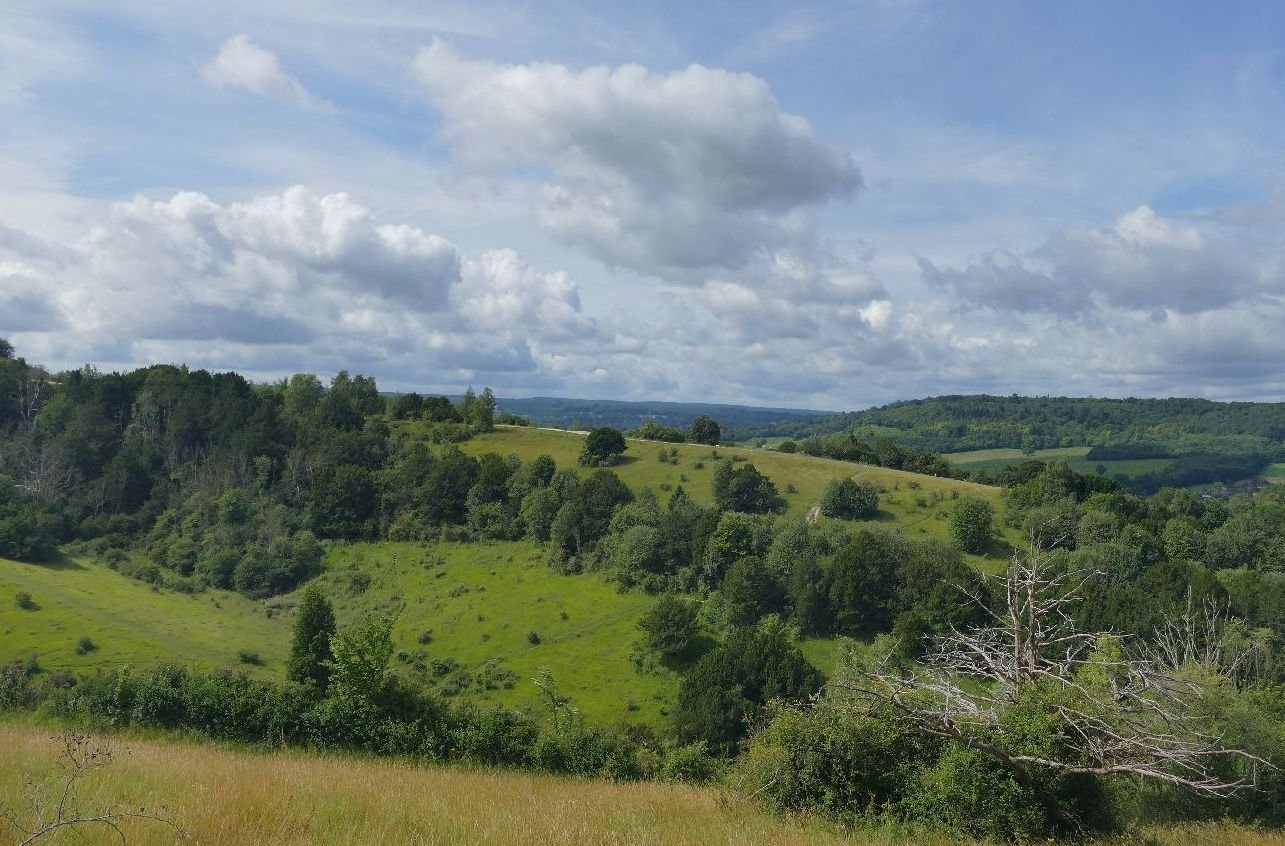
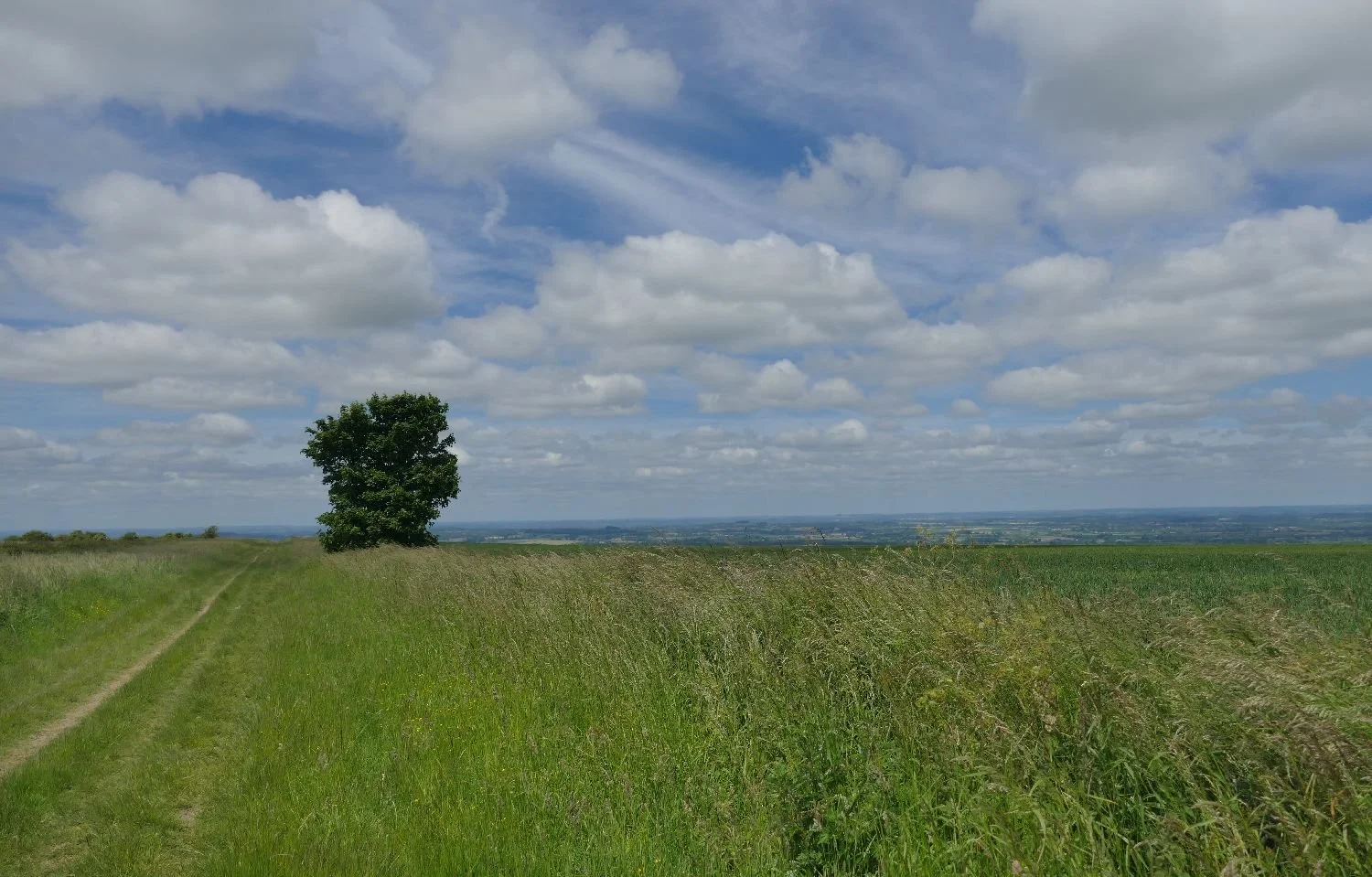
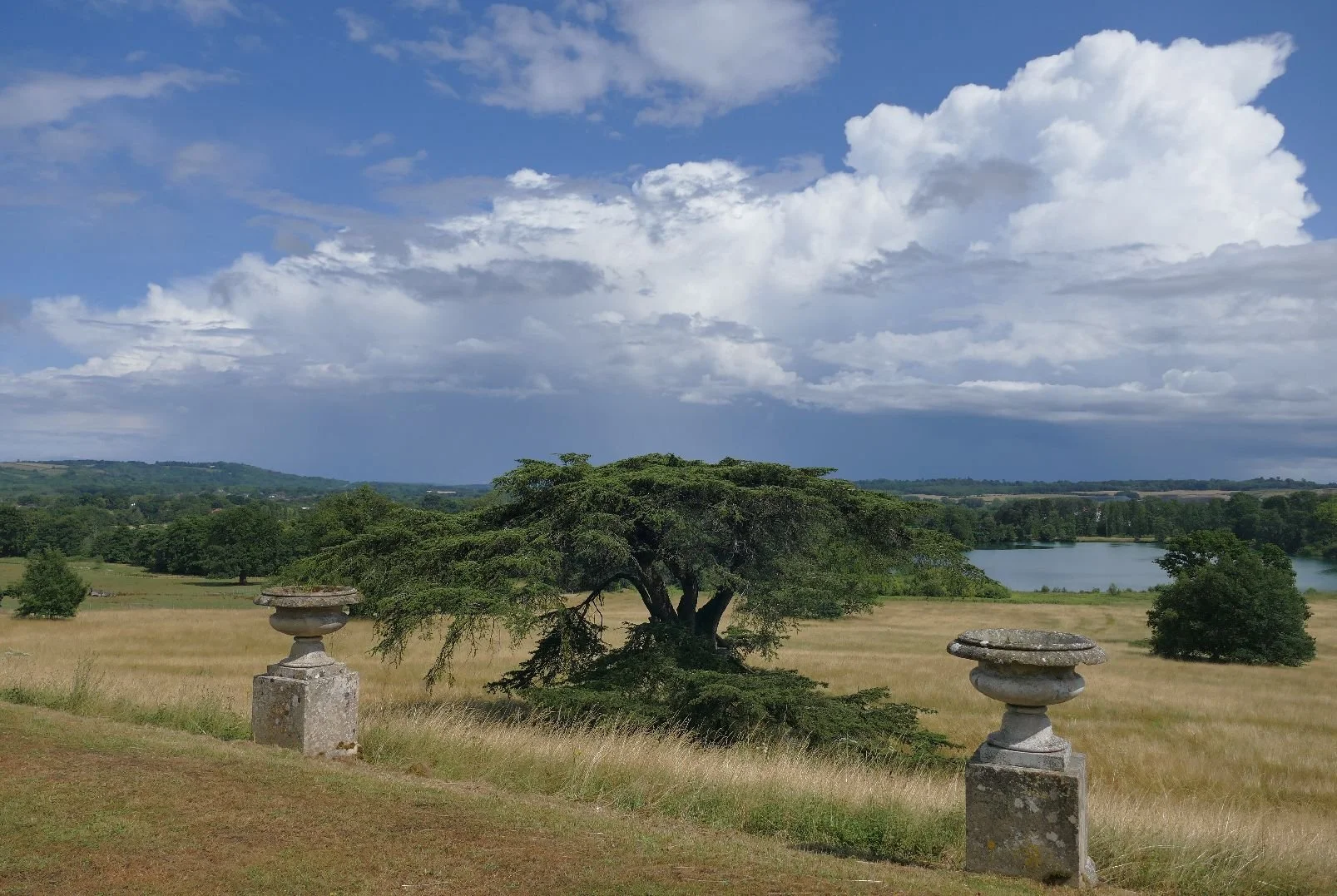
A basketful of other requirements and guidance were also relevant to our specific inquiry. Here is just a small selection to ilustrate the diversity:
Public Sector Equality Duty
Active Travel England Guidance
BRE Guidance - Daylight Sunlight & Overshadowing Assessment
Guidelines for Landscape and Visual Impact Assessment
Daffodils - sadly no, although Gatton Park is locally famous for its snowdrops
Elizabeth Barrett Browning’s list is much less prescriptive and much more romantic. It’s just a pity she didn’t dedicate the poem to brown field site adjacent to our local railway station.
I love thee to the depth and breadth and height
My soul can reach, when feeling out of sight
For the ends of being and ideal grace.
I love thee to the level of every day's
Most quiet need, by sun and candle-light.
I love thee freely, as men strive for right.
I love thee purely, as they turn from praise.
I love thee with the passion put to use
In my old griefs, and with my childhood's faith.
I love thee with a love I seemed to lose
With my lost saints. I love thee with the breath,
Smiles, tears, of all my life; and, if God choose,
I shall but love thee better after death.