Ferdinand Georg Who?
Last month we went to Canada.
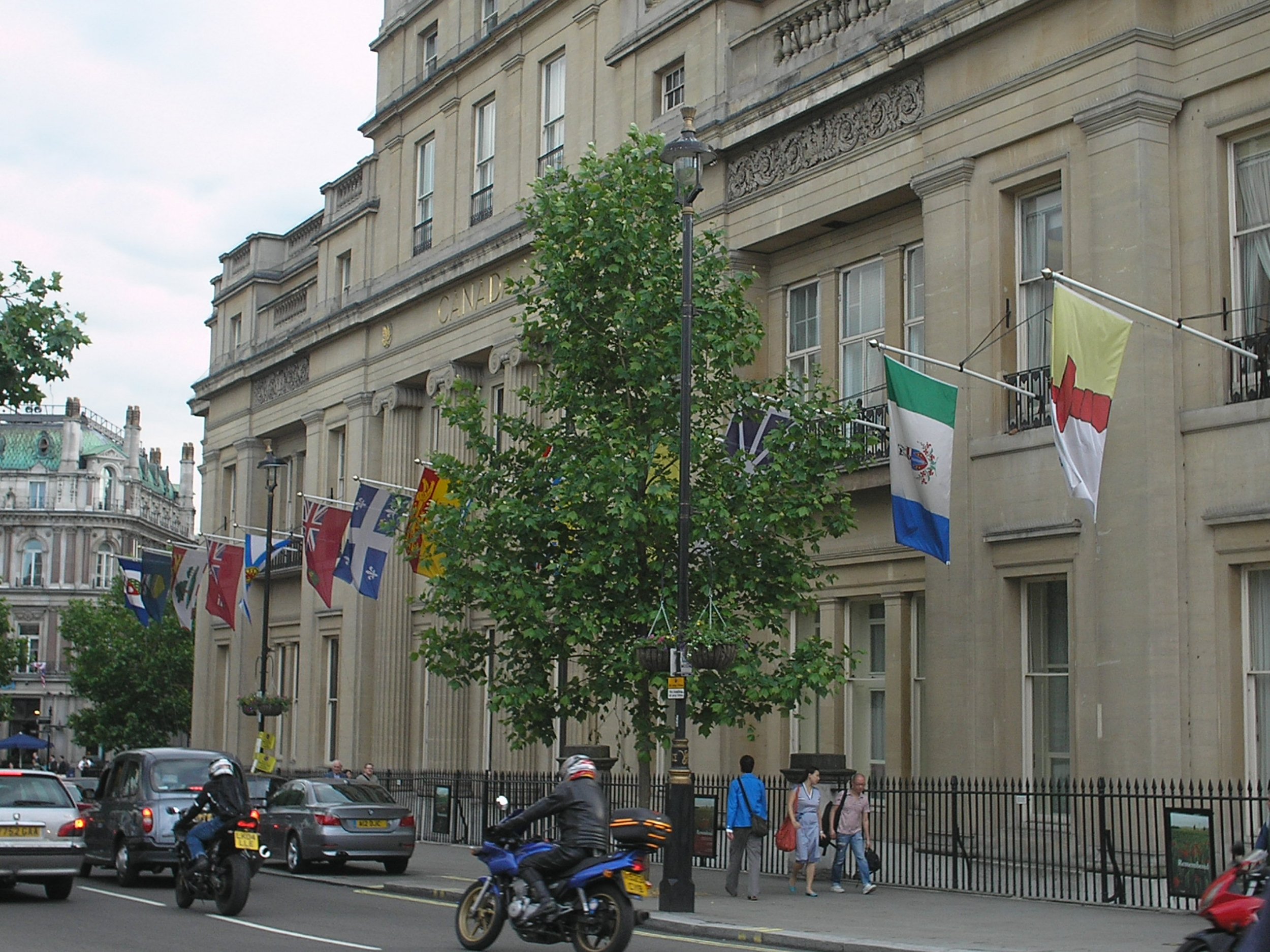
Well, this isn’t strictly true but we did go to Canada House in London’s Trafalgar Square. That may not be strictly true either as the consulate building lies in a triangle defined by the said Square, Pall Mall E, and Cockspur Street.
Image right: By Tamatisk at English Wikipedia, CC BY 2.5, https://commons.wikimedia.org/w/index.php?curid=9790119
It seems that the choice of address depends on who you are. We were the sort of people who wanted to visit an art exhibition in the bit of Canada House which has a Trafalgar Square address. If you want the consulate, go to Pall Mall. Cockspur Street, it seems, is not an address that the Canadian’s care to publicise.
Canada does, however, wish to promote its positive attitude to diversity and is hosting an exhibition entitled ‘Lucy Ash: Invisible Portraits’. Lucy is a British Canadian artist and the exhibition ‘sheds light on diversity, bravery and forgotten figures from LGBTIQ+ history’ (https://culturecanada.co.uk/canada-gallery/lucy-ash-invisible-portraits/).
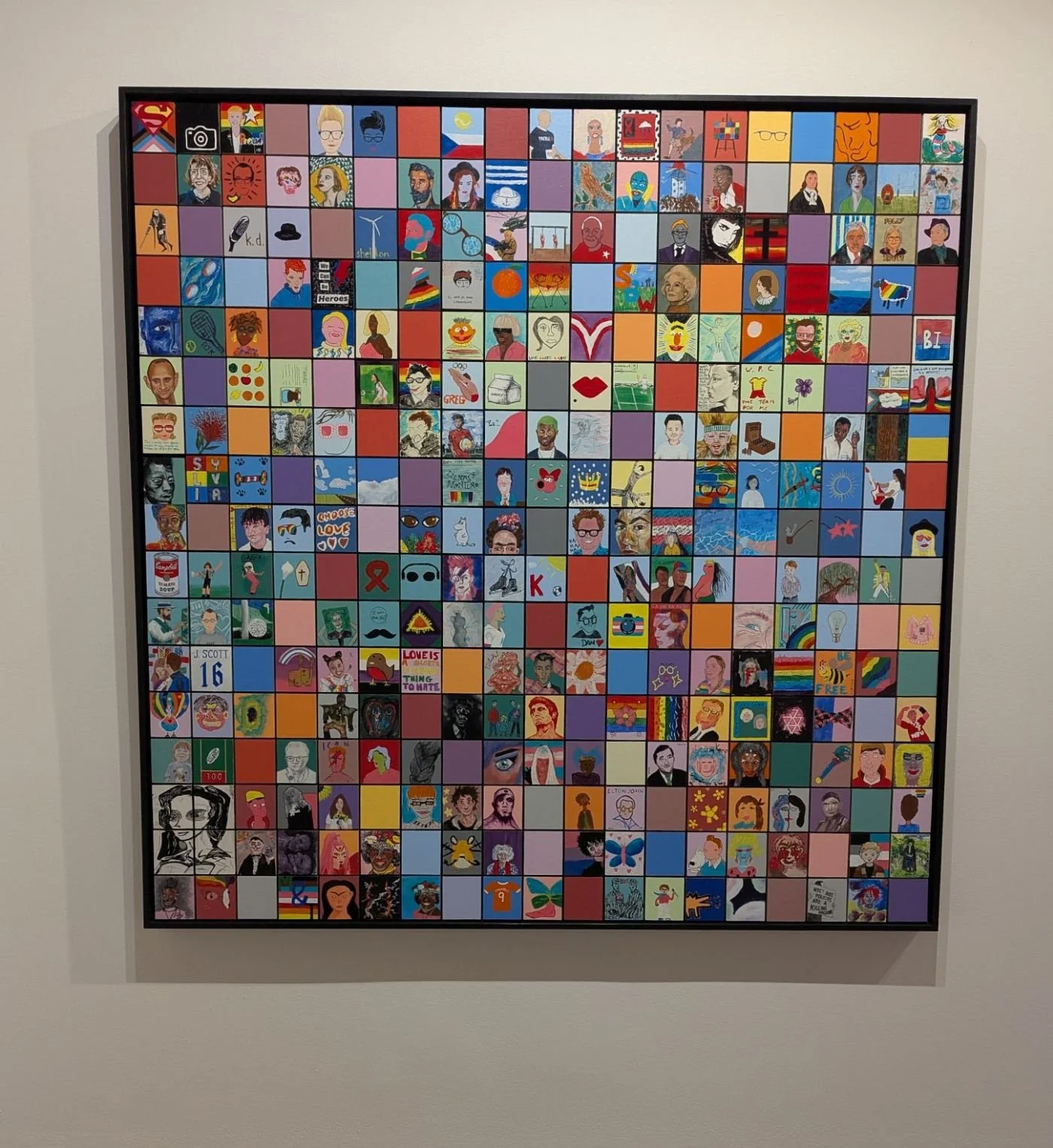
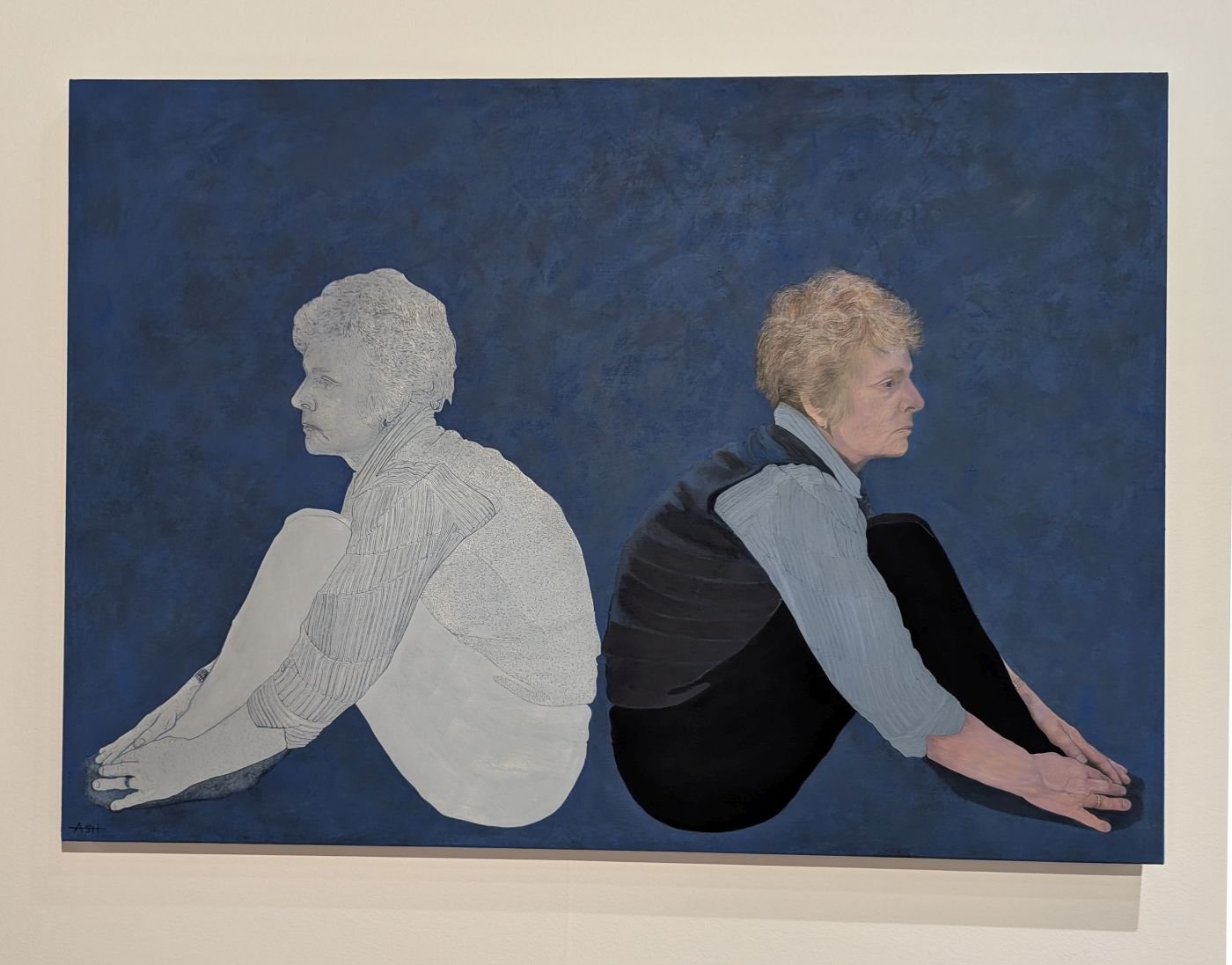
It’s quirky, varied, fun, uncomfortable and interesting, and sufficiently contained to minimise gallery-back-ache. Be prepared, however, to be scanned on entry, to forgive the very basic space which this Greek Revival building donates to the cause of art, and to take on board some of Duncan Grant’s very explicit art work.
The exhibition is on until early October.
What do you do after a visit to Canada House? Have coffee in the National Gallery (although Muriel’s Kitchen does seem a bit basic, these days).
Inwardly refreshed we ventured into another, and very different, exhibition entitled “Waldmüller Landscapes”. To be honest we were totally un-acquainted with Ferdinand Georg Waldmüller and my naughty inner self had conjured up memories of Reggie Perrin and his dentist’s holiday paintings of the Algarve. That dates us but if you don’t understand the reference, it’s all there online.
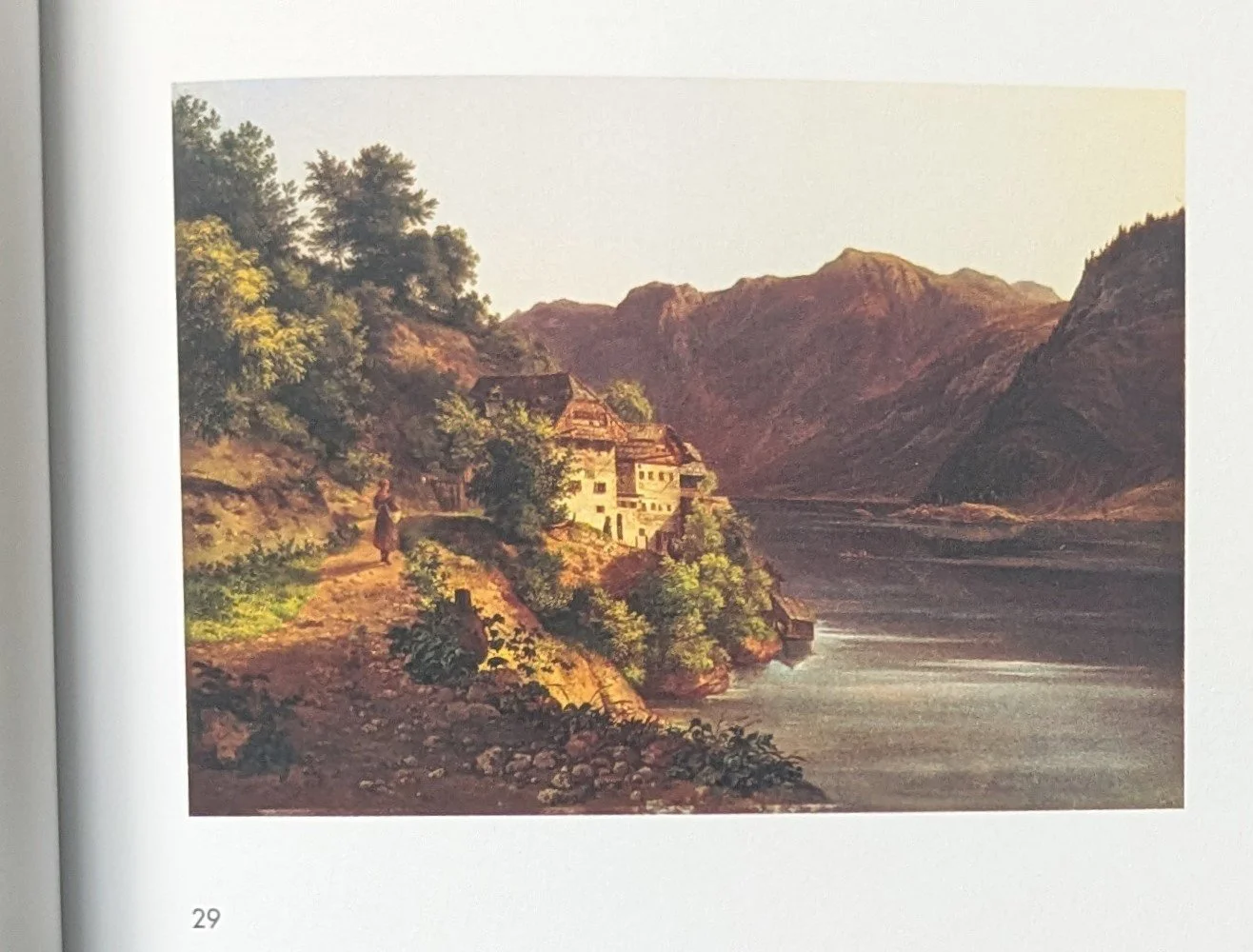
At first glance, I did wonder if Waldmüller’s paintings were going to have a touch of ‘wish you were here’ holiday pics: they are so perfect.
But, once you get your eye in, you realise that it’s going to be alright, that Ferdinand Georg is going to be worthy of his reputation as ‘one of the most significant figures in nineteenth-century Austrian art …both as an artist and as an influential teacher’ (Sarah Herring, Waldmüller Landscapes, National Gallery Global Ltd, 2026), although I think the qualifier ‘Austrian’ is probably important.
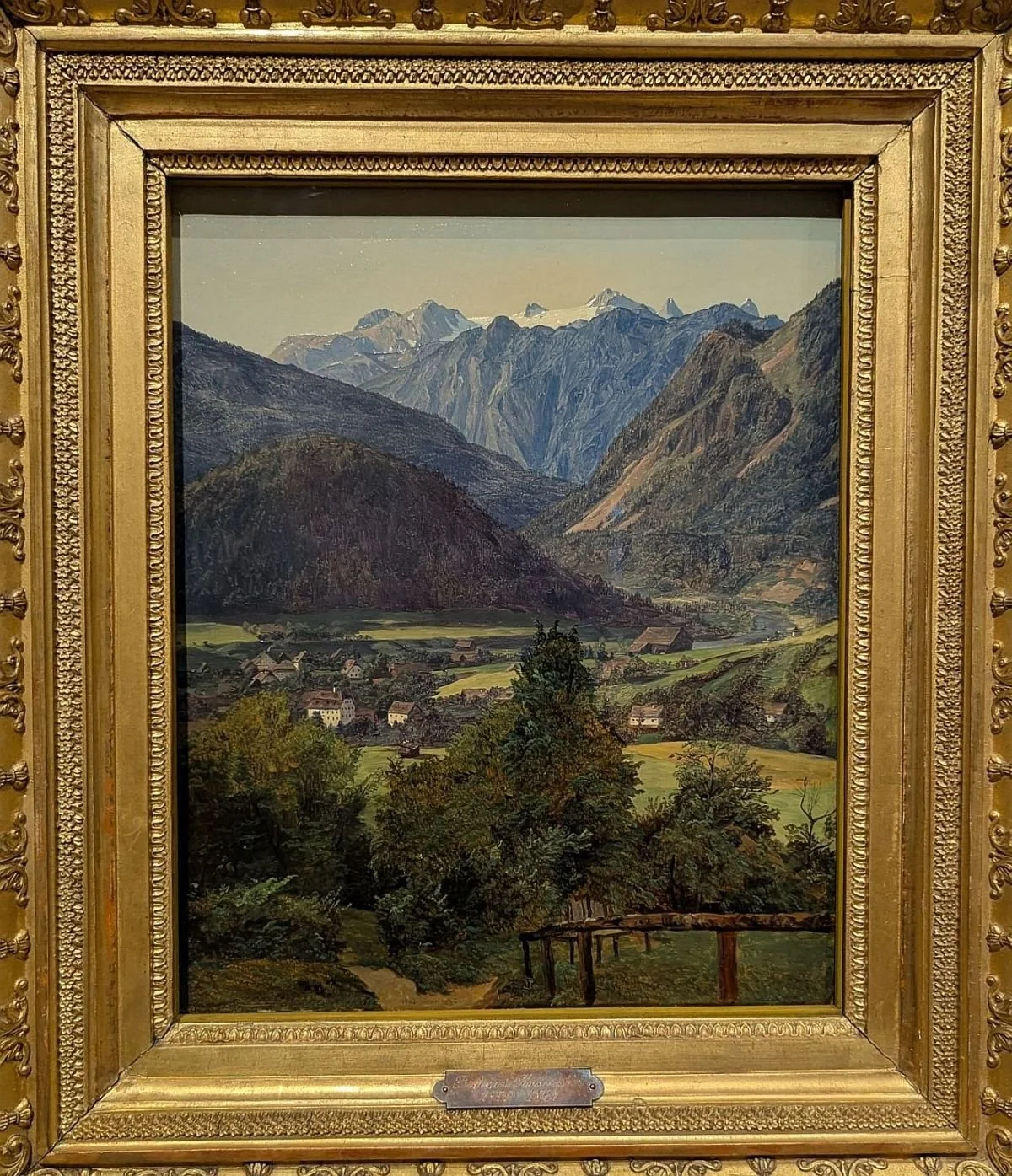
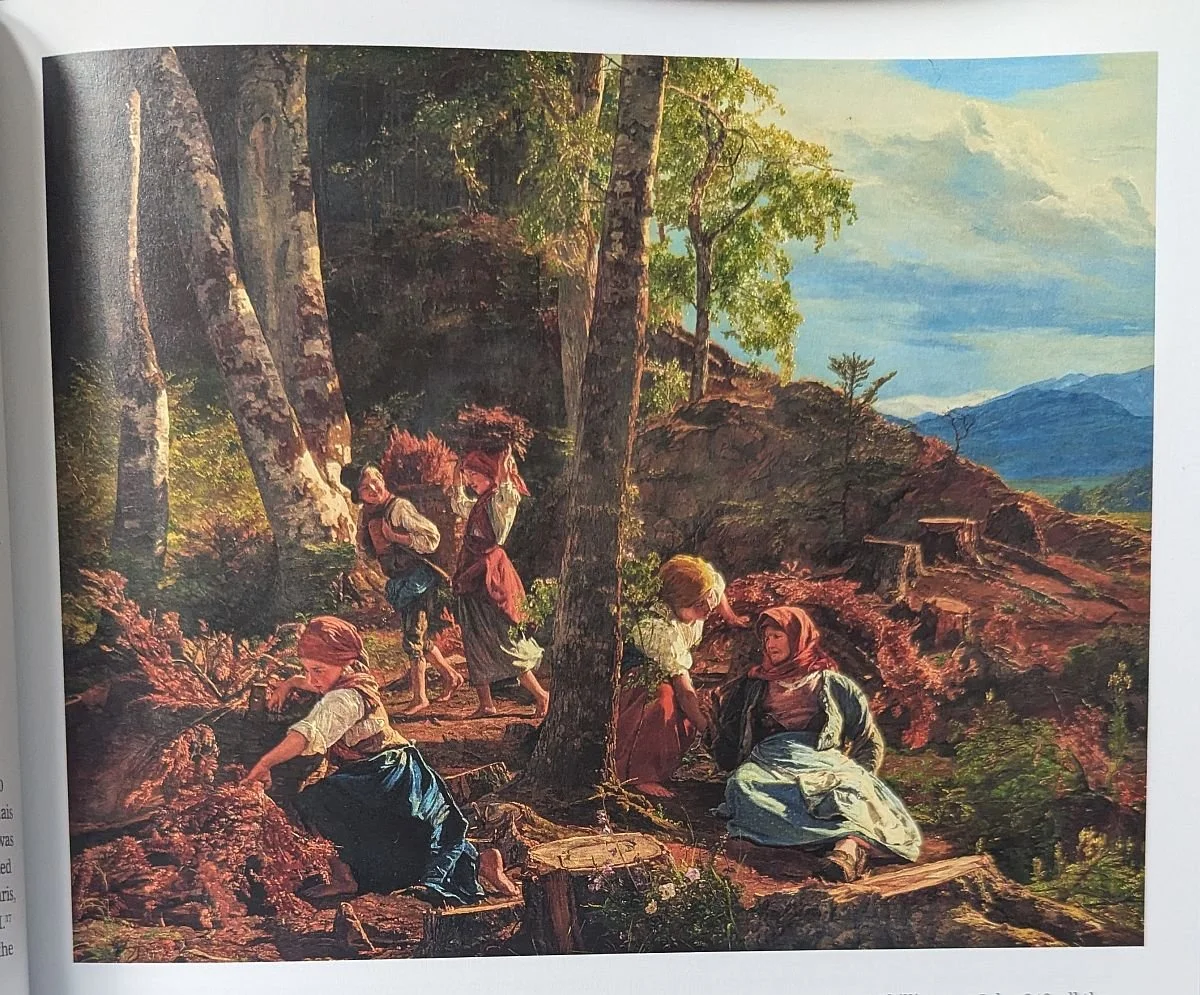
We are not art critics or fine art specialists in any way: we look with a landscape eye. Sarah Herring suggests that Waldmüller’s work exhibited ‘a strong moralising ethos…’, and we feared romanticism and sentimentality. But Herring ends her sentence with the words, ‘… [a] desire to present the unflinching truth’ and although we feel this may be a slight exaggeration, we suspect that Waldmüller did indeed understand the concept of Terroir.
So what struck us the most?
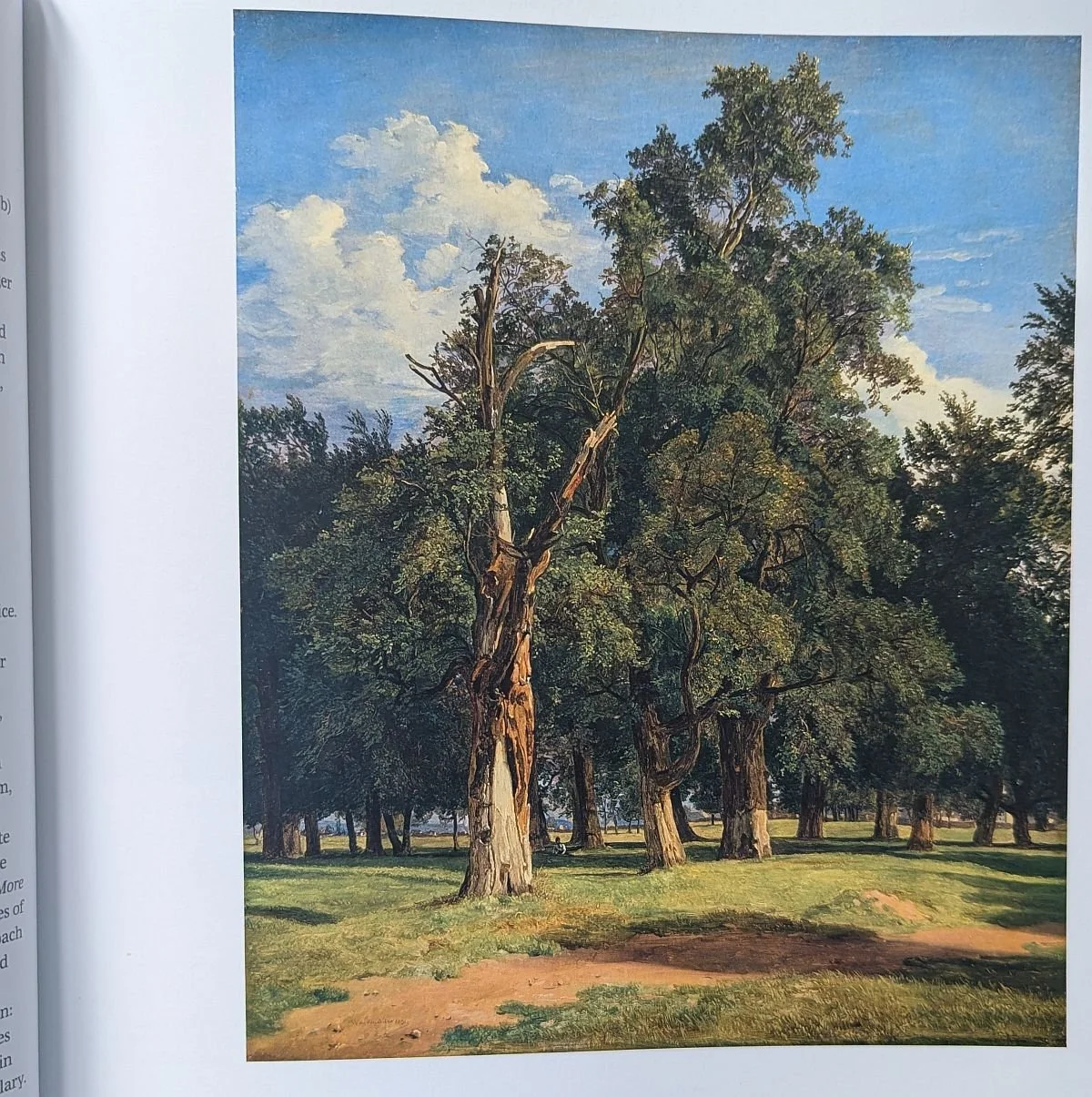
Waldmüller’s understanding of ‘nature’, of the dynamic ecosystem which presented itself to his eye, and of his ability to record that honestly.
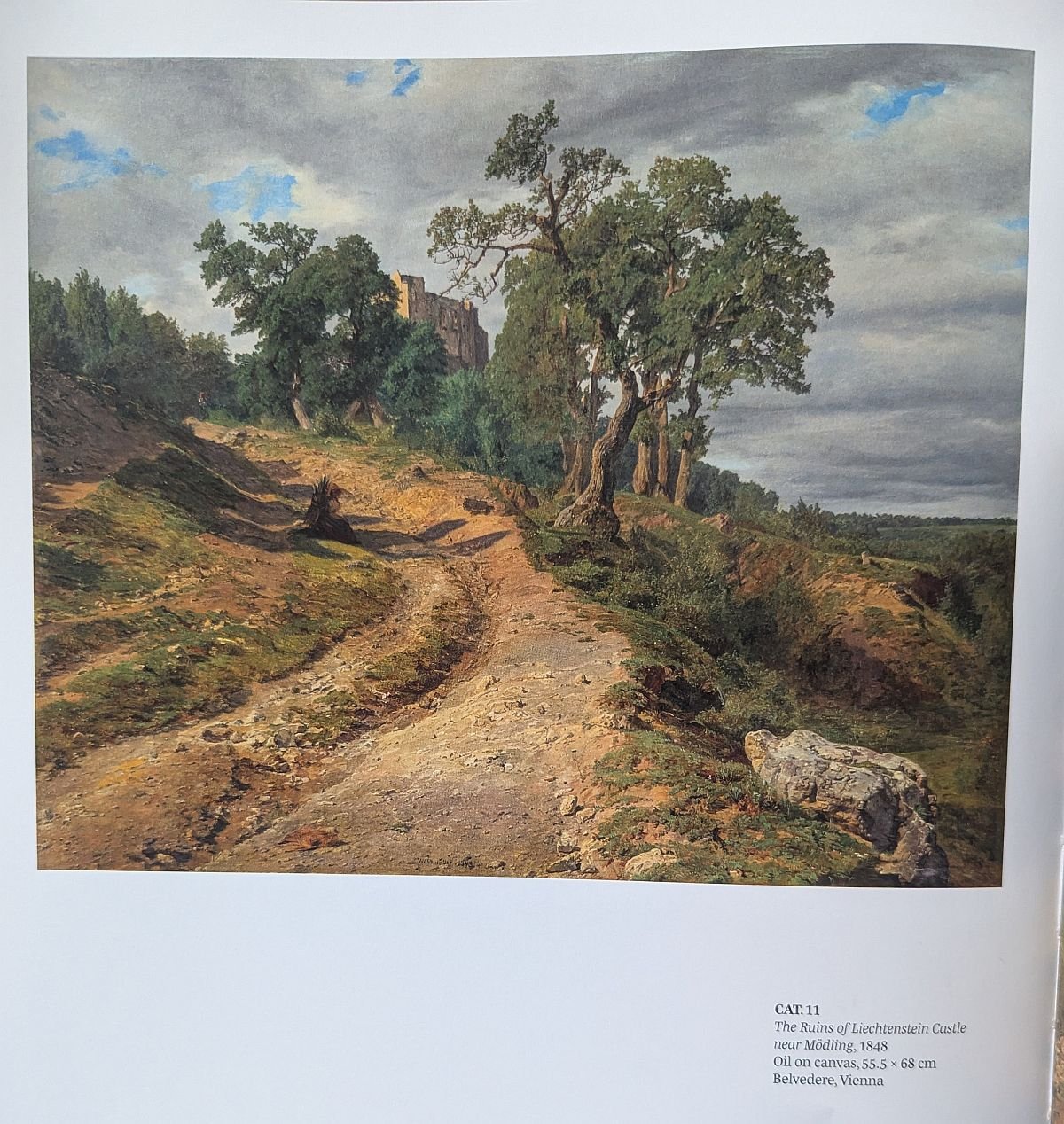
His understanding of what his audience might appreciate as romantic, and display that without melodrama.
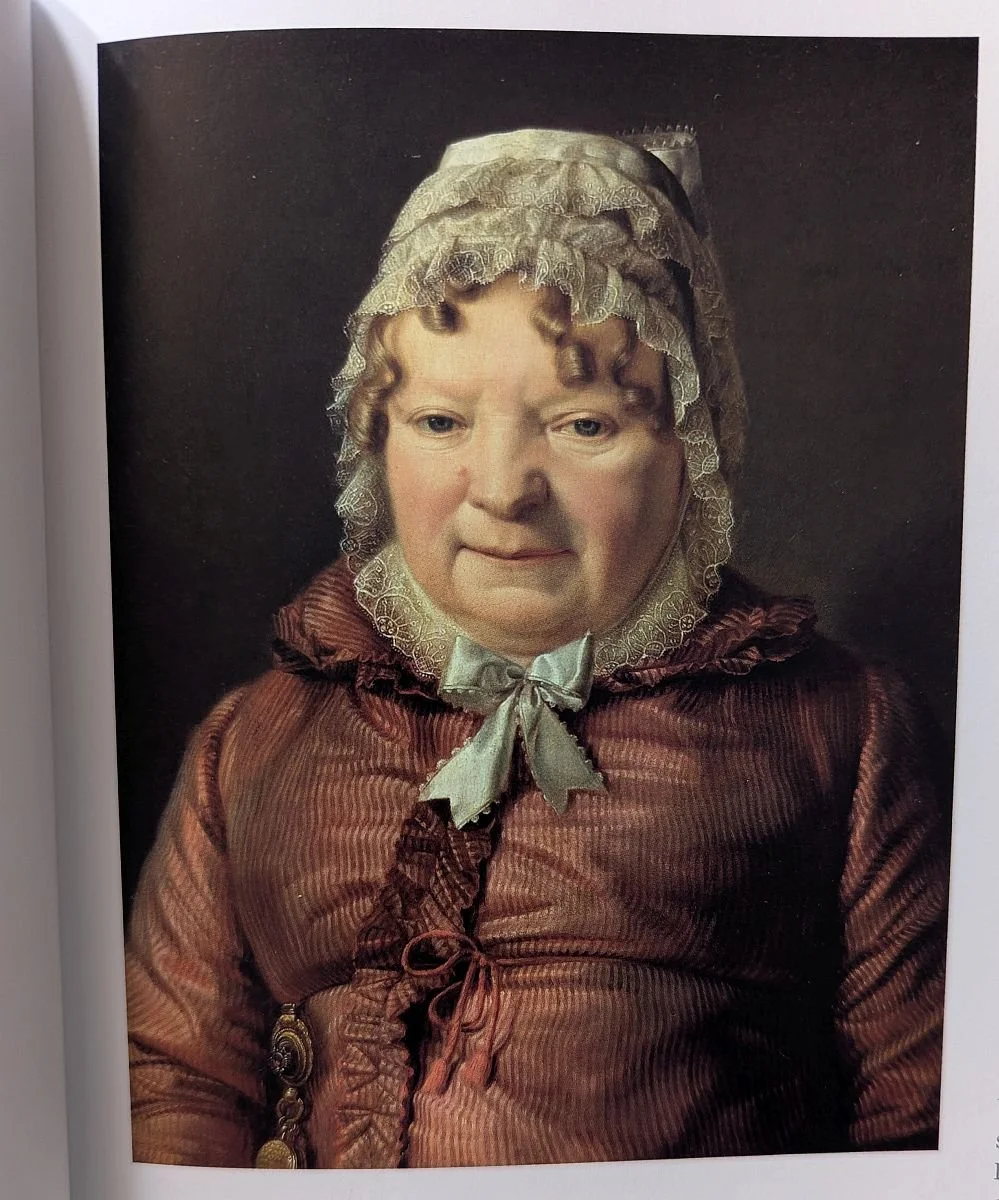
His ability to portray figures as utterly believable people. Here is Waldmüller’s mother: detailed, empathetic and convincing.
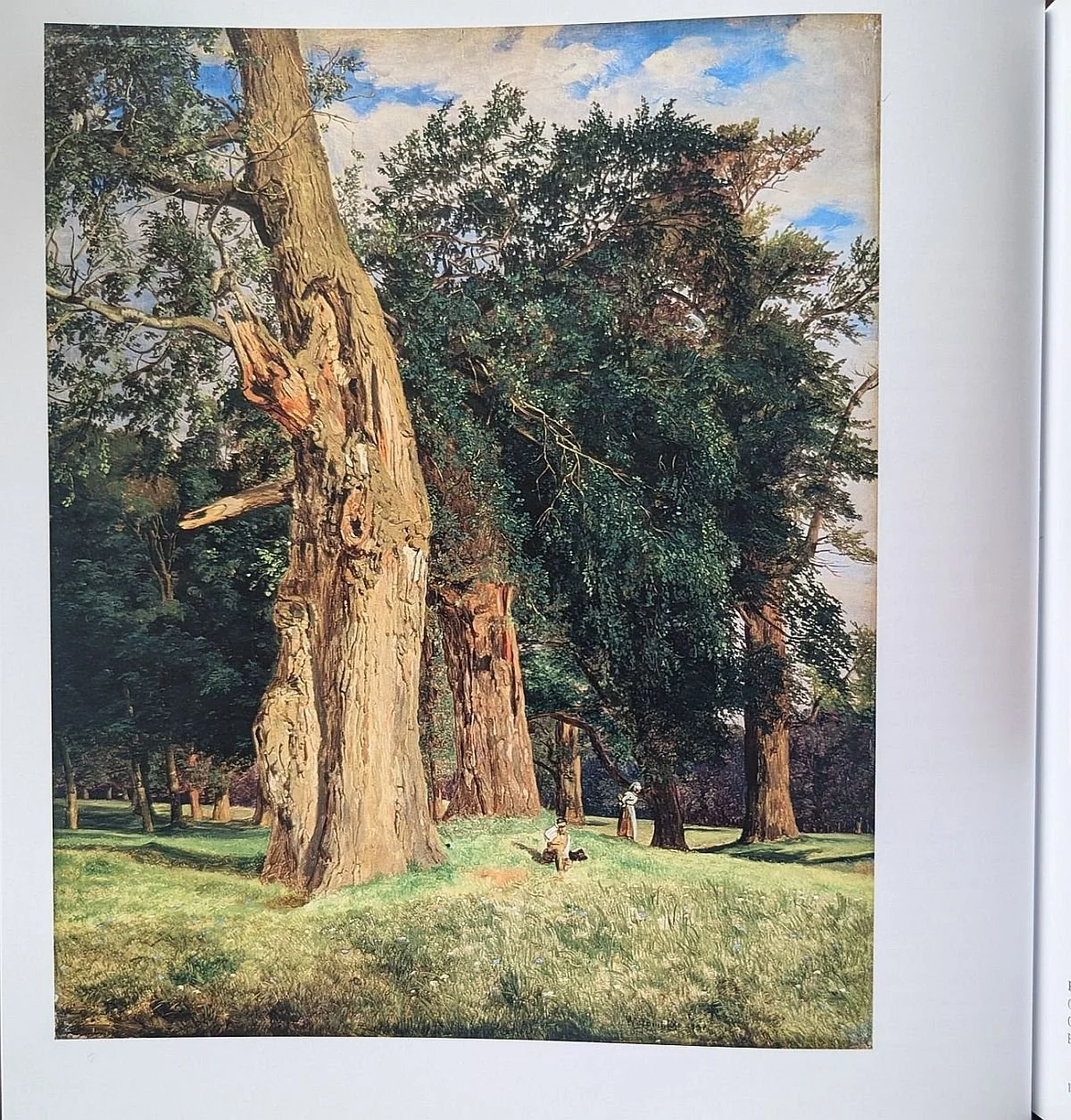
His use of light which a contemporary critic noted as similar to the Pre-Raphelites. Perhaps the Pre-Raphelites used light in a similar way to Waldmüller?
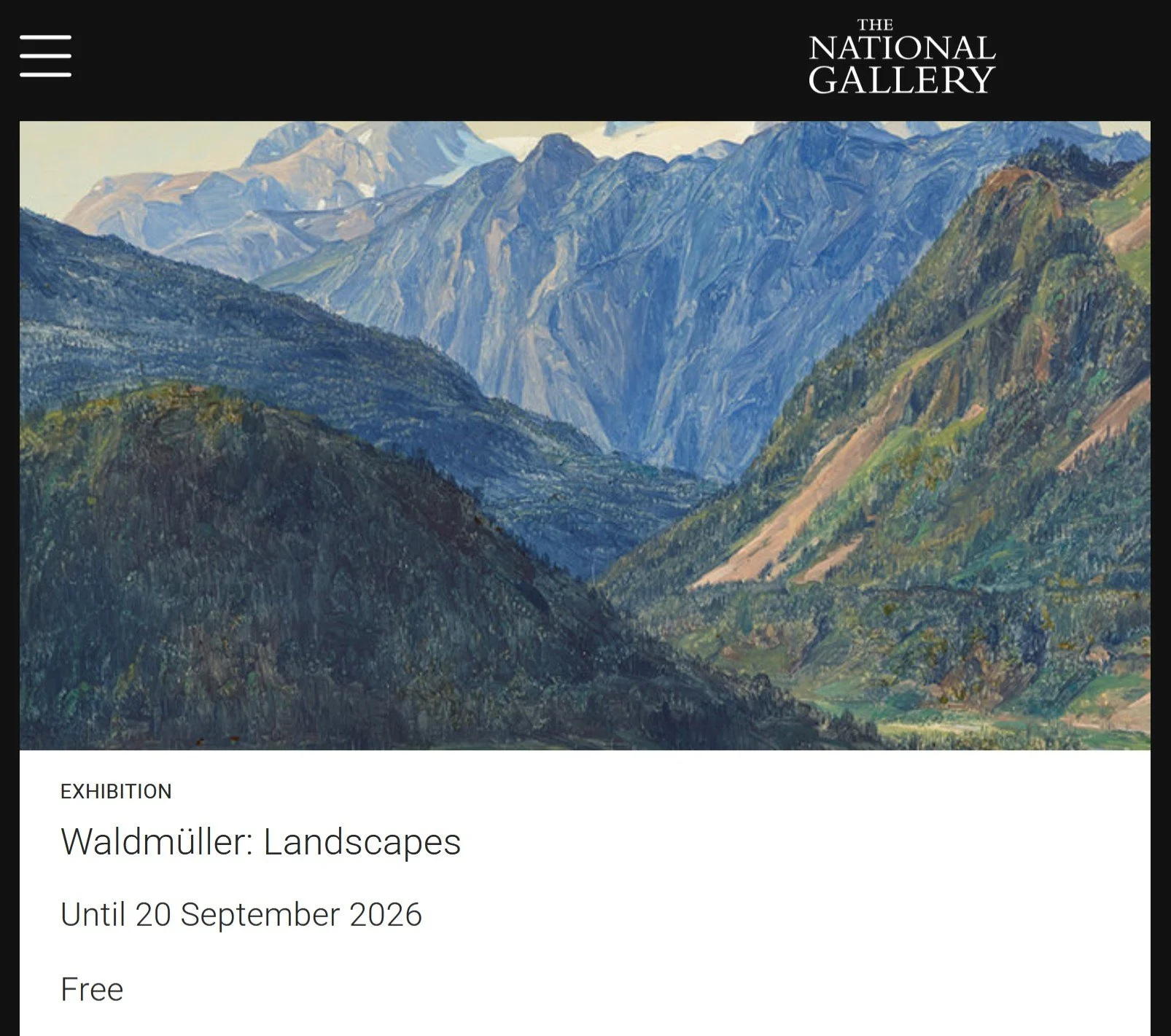
Too perfect? Too photographic? It is hard to see this as a criticism as Waldmüller was painting prior to the invention of the camera and had no idea with what he would be compared. Surely he painted to communicate what he saw and wished others to see?
Please go to meet Waldmüller if you are in reach of London. Make up your own minds about him and let us know what you think. The exhibition is on until late September - and is FREE. https://www.nationalgallery.org.uk/