17th October 2026
Dear Diary
Walked another section of the Ridgeway. Our overnight accommodation (B&B with café – overly modern interior) did not reflect the local vernacular found in the car park. Memo to self – write biography of Henry Palmer (London Dock Company) who took out the first patent on corrugated iron in 1929.
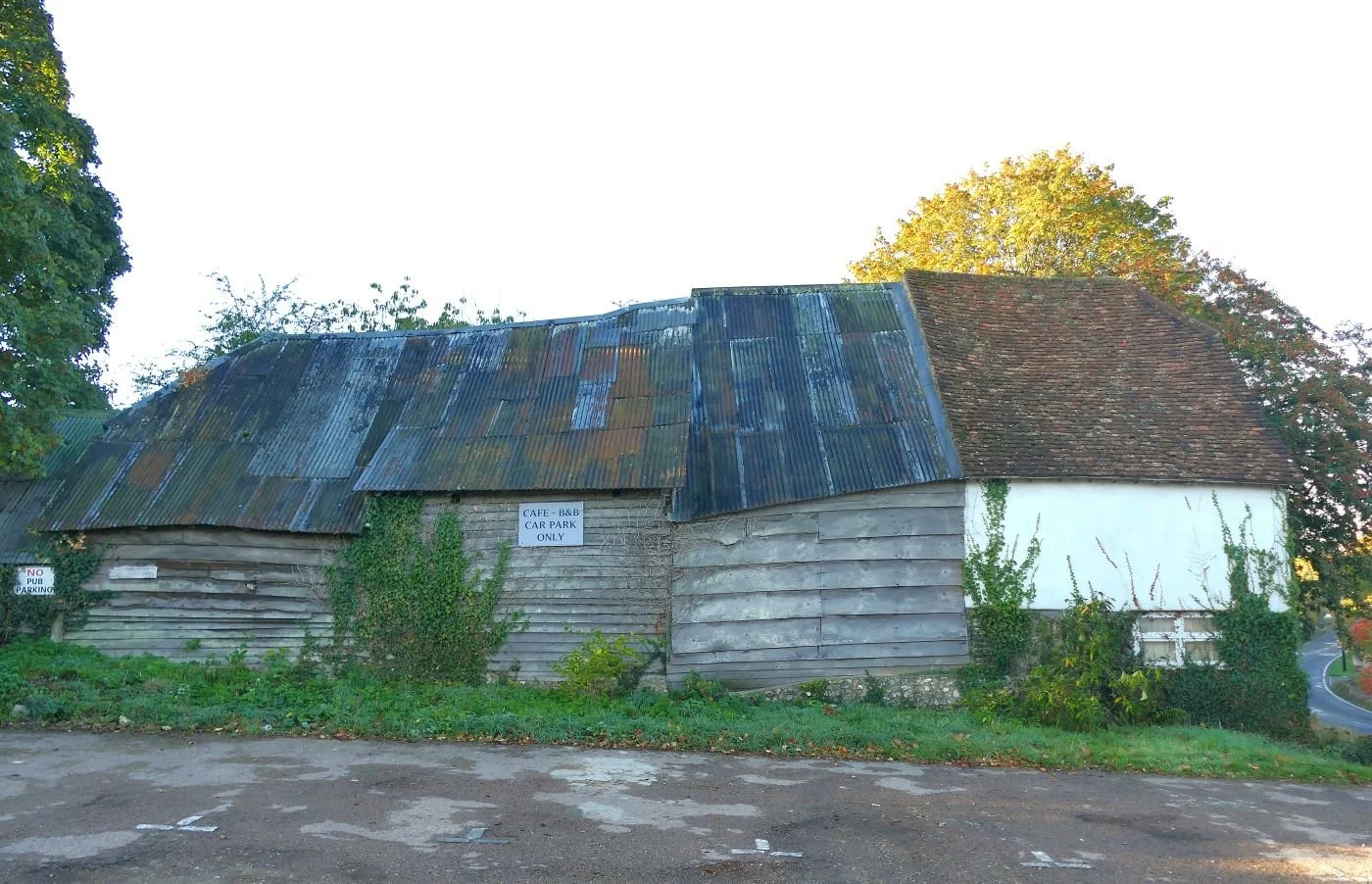
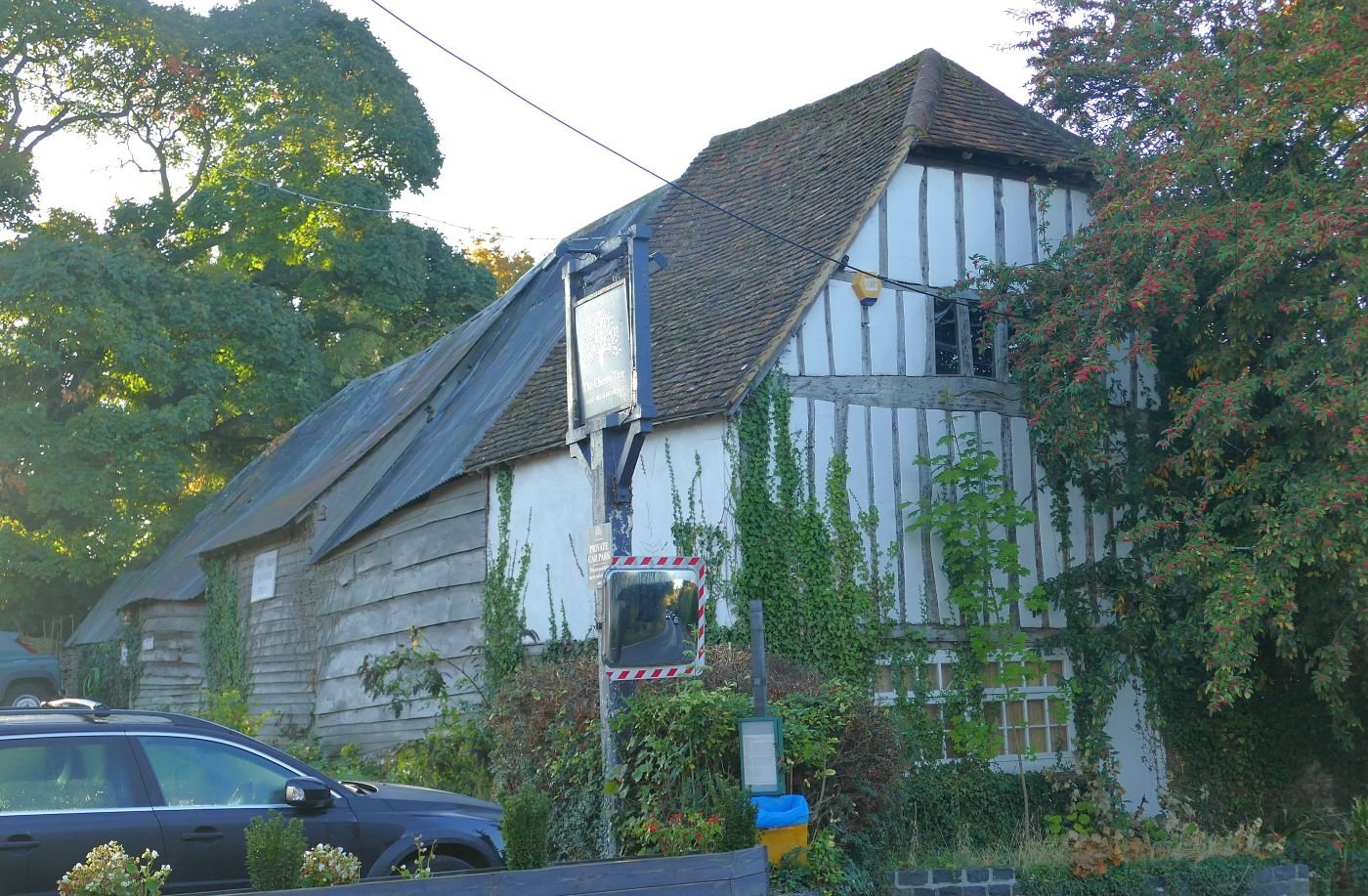
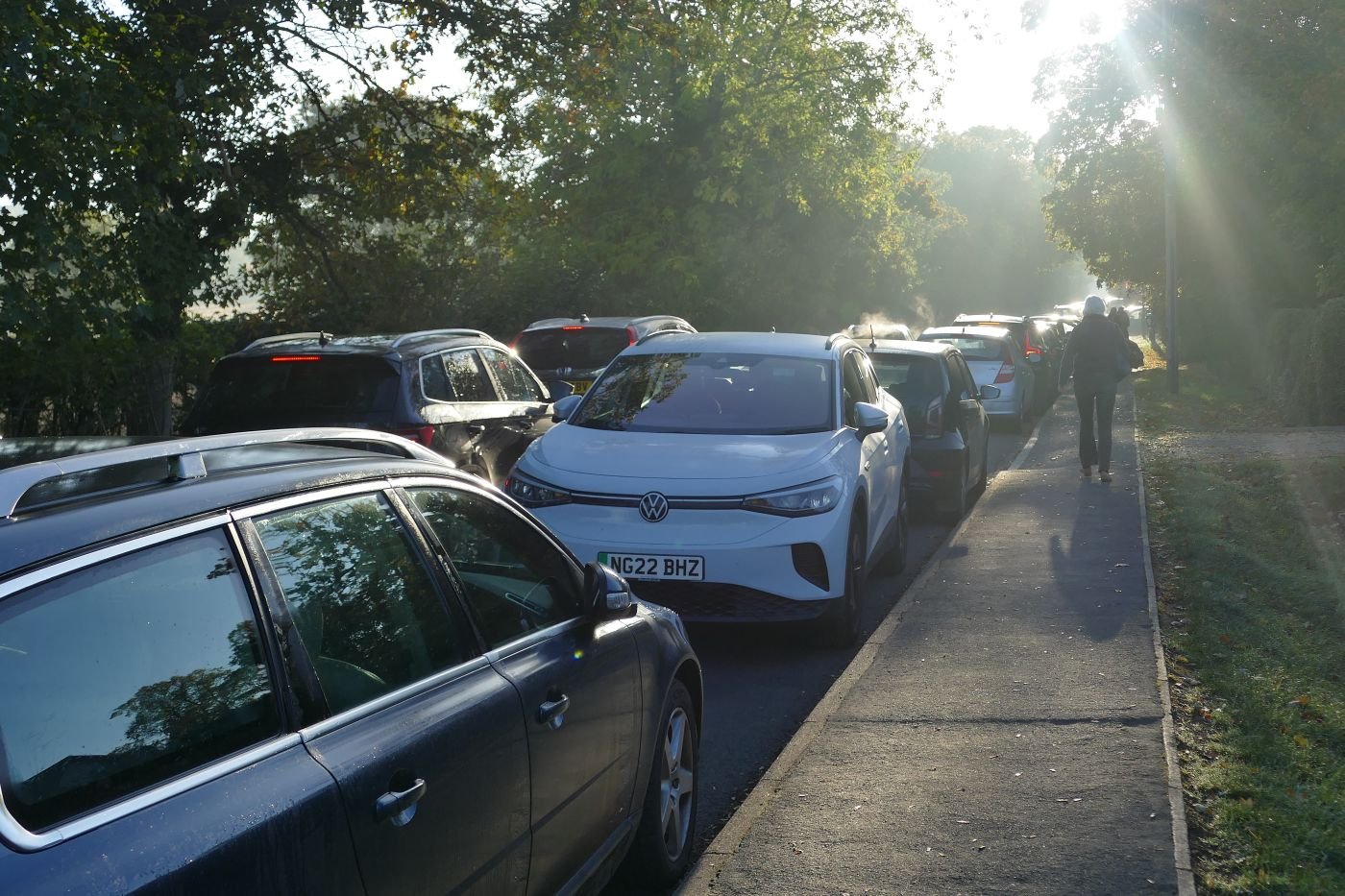
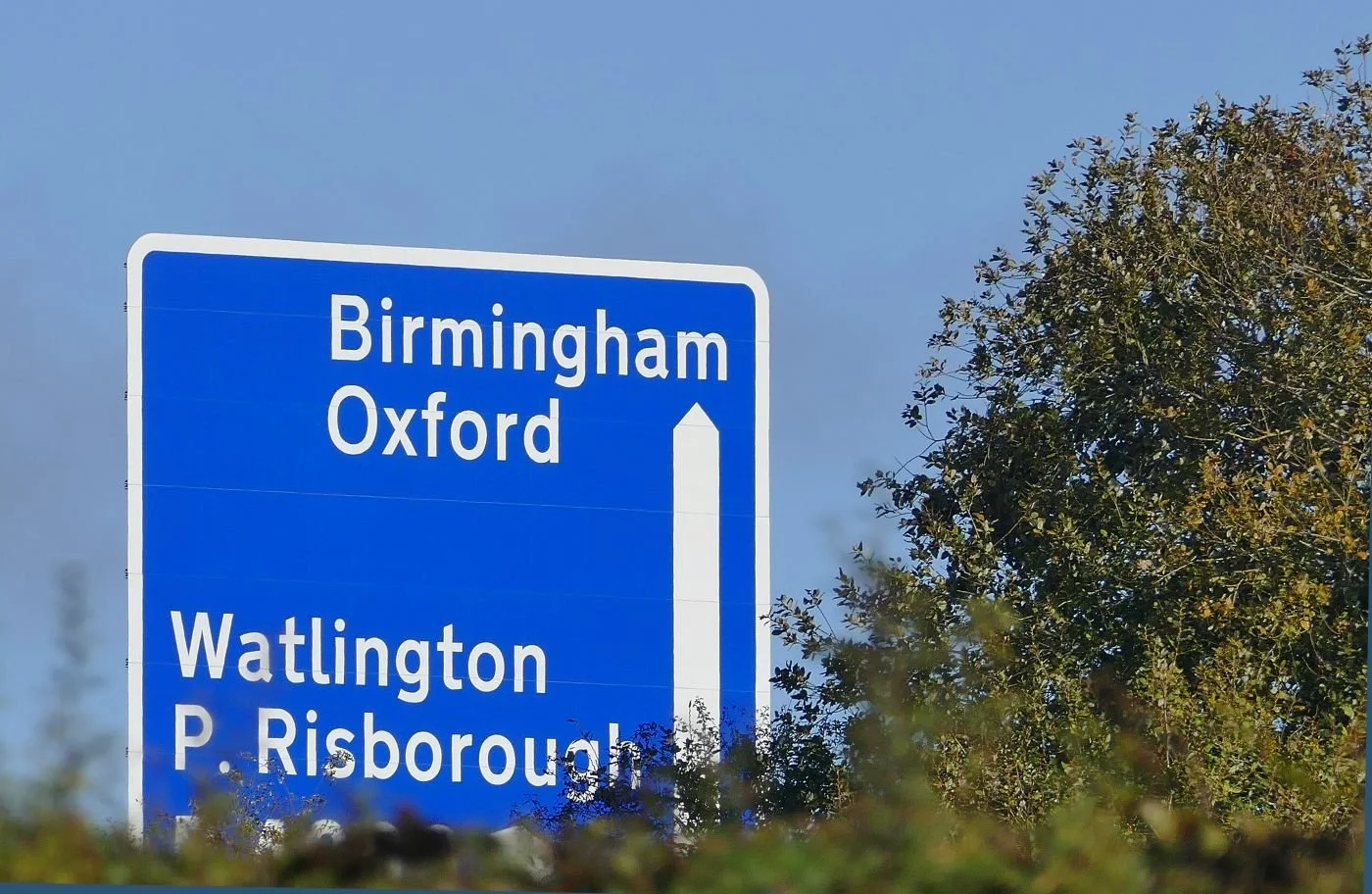
Route to today’s start point: vaccination day at the Watlington Clinic.
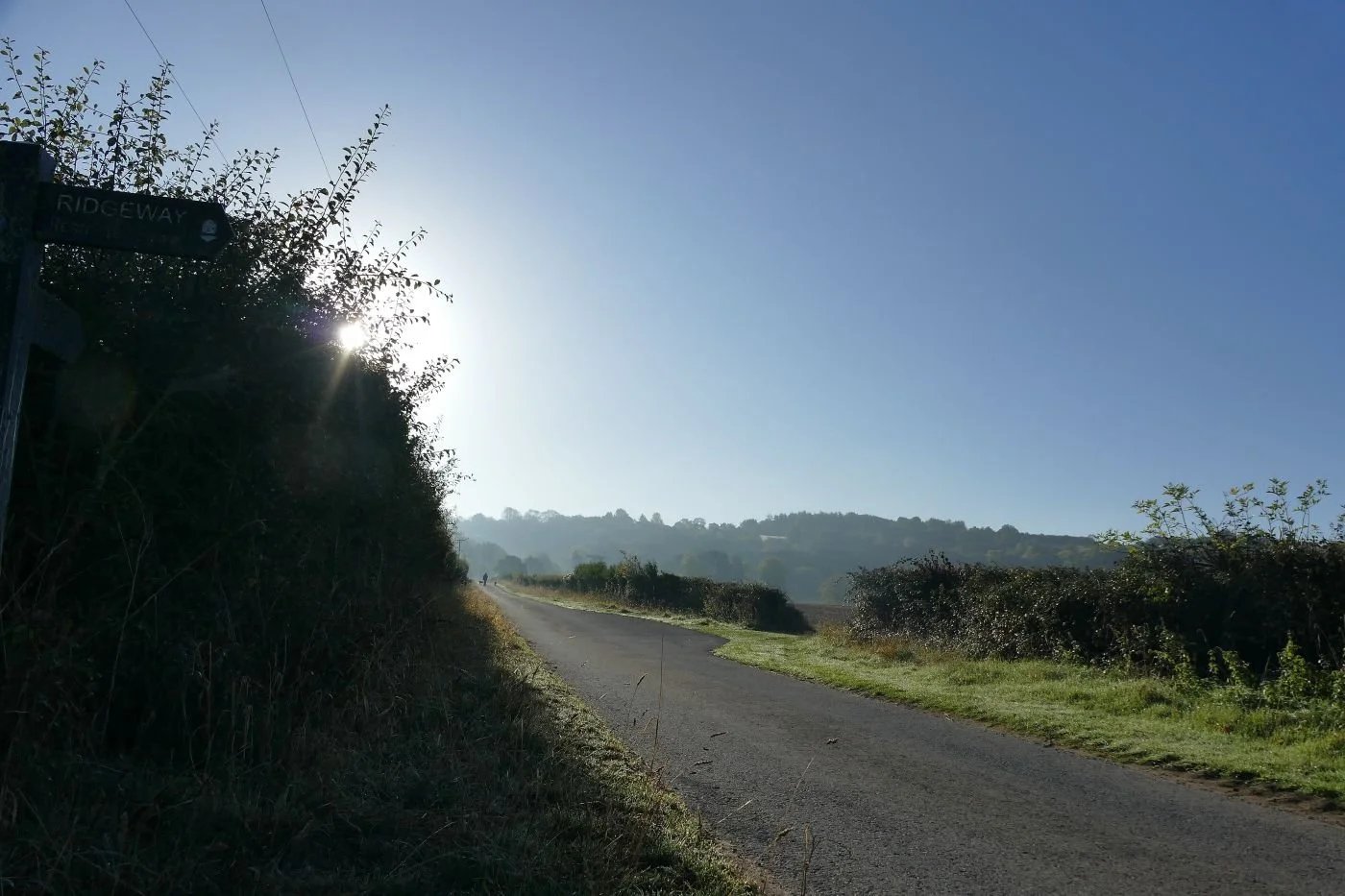
Eventually rewarded by wonderful early morning sunlight casting long but optimistic shadows over rolling Oxfordshire; the sunlit uplands of the Chiltern Hills rise to our right.
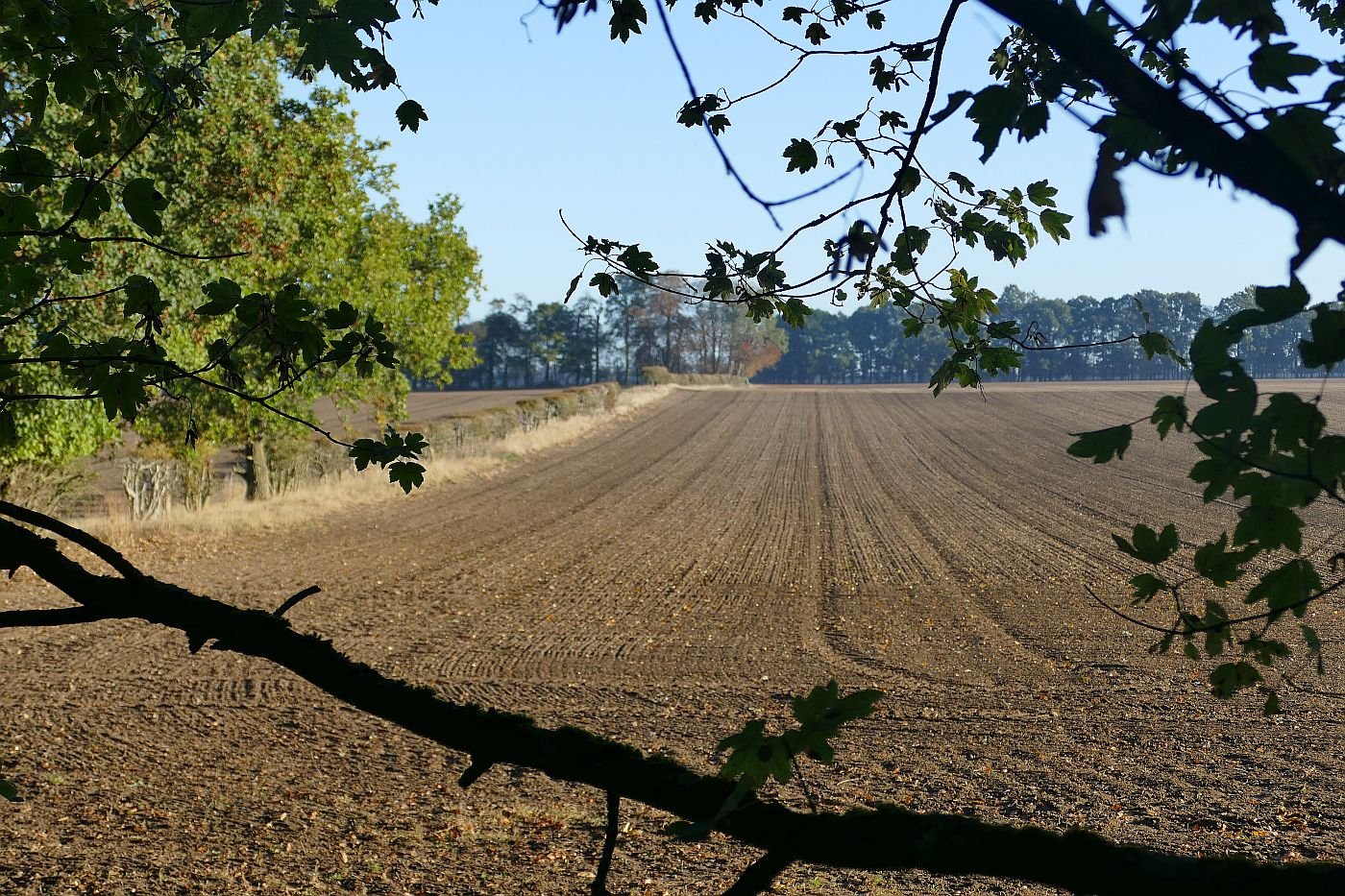
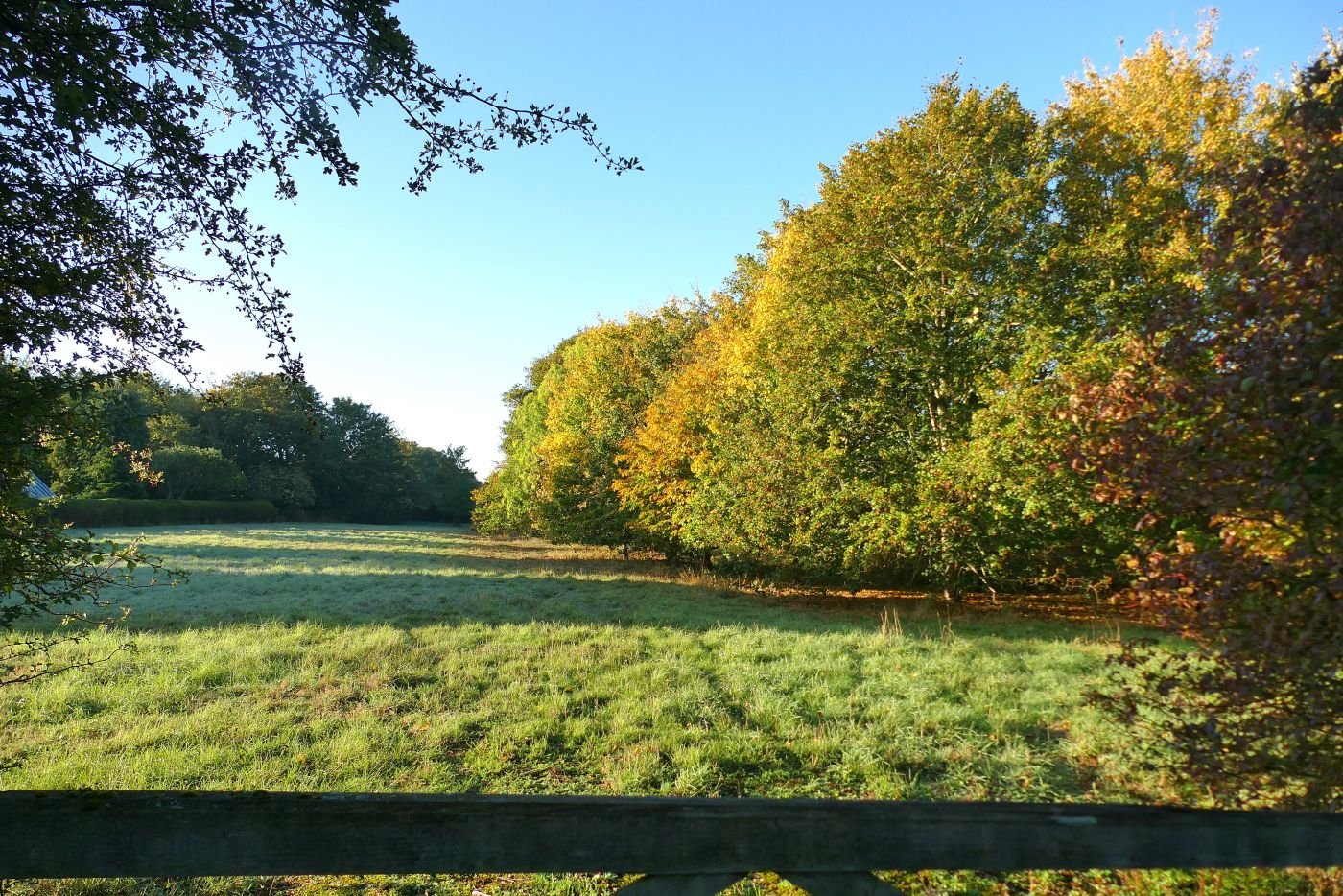
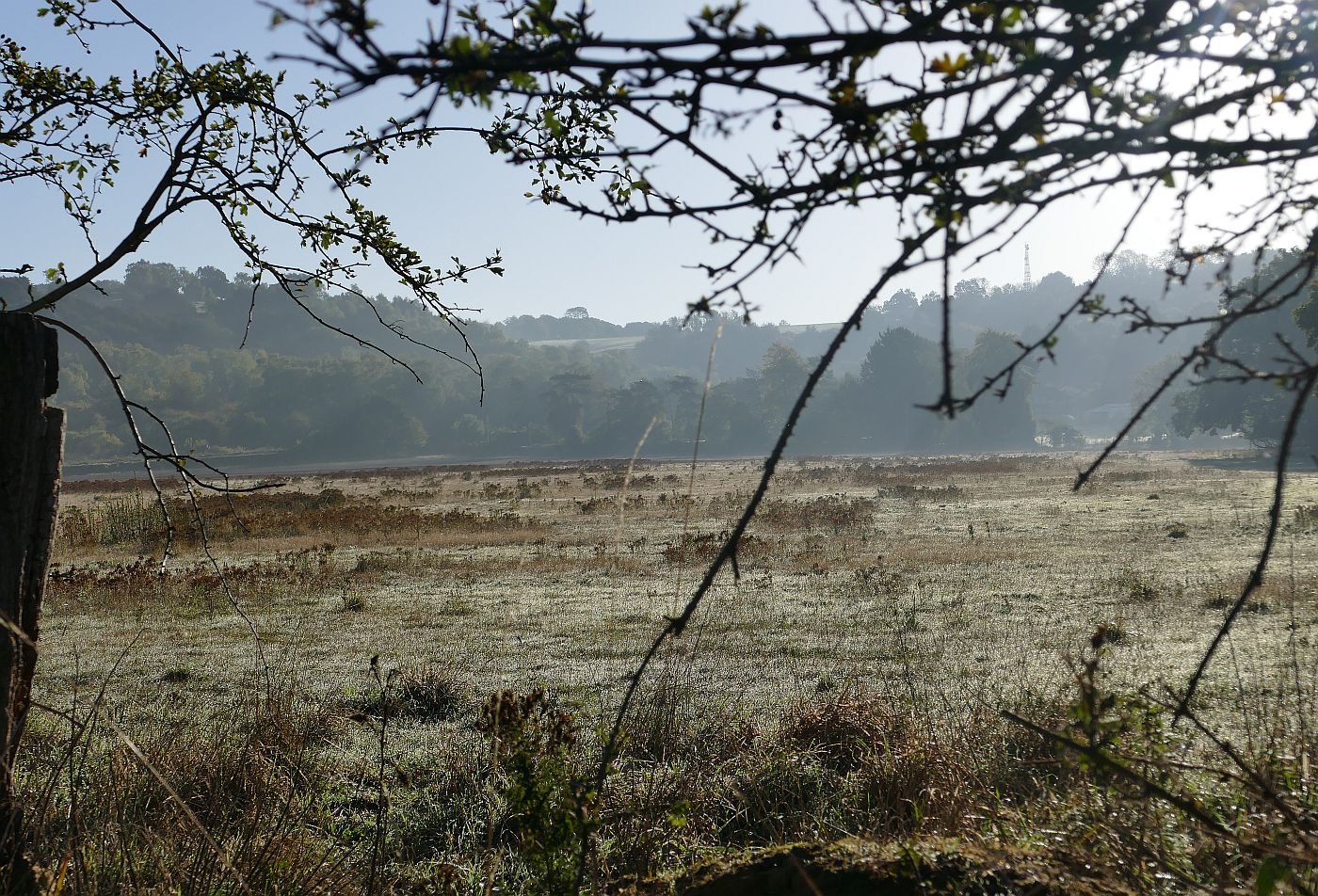
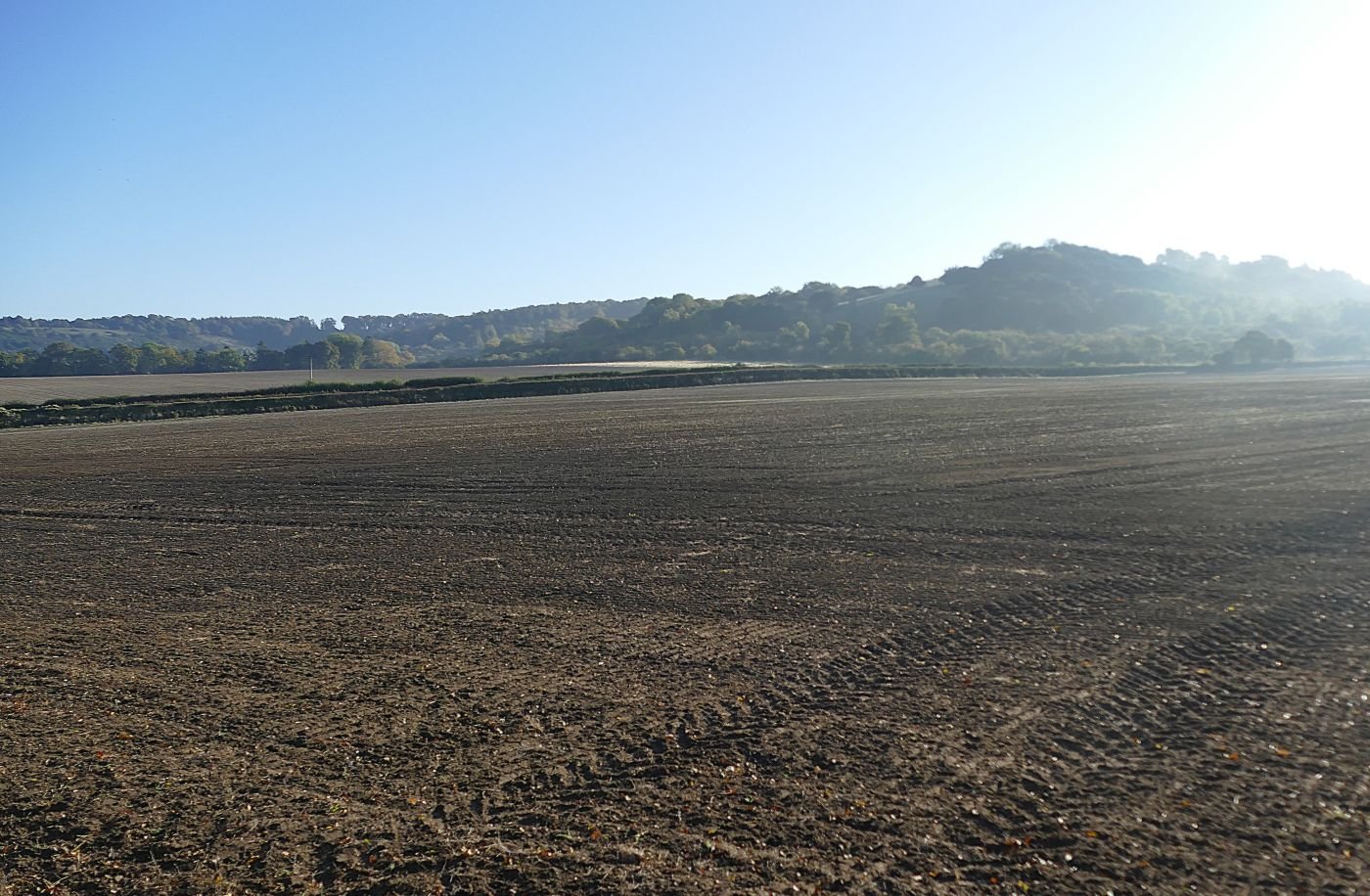
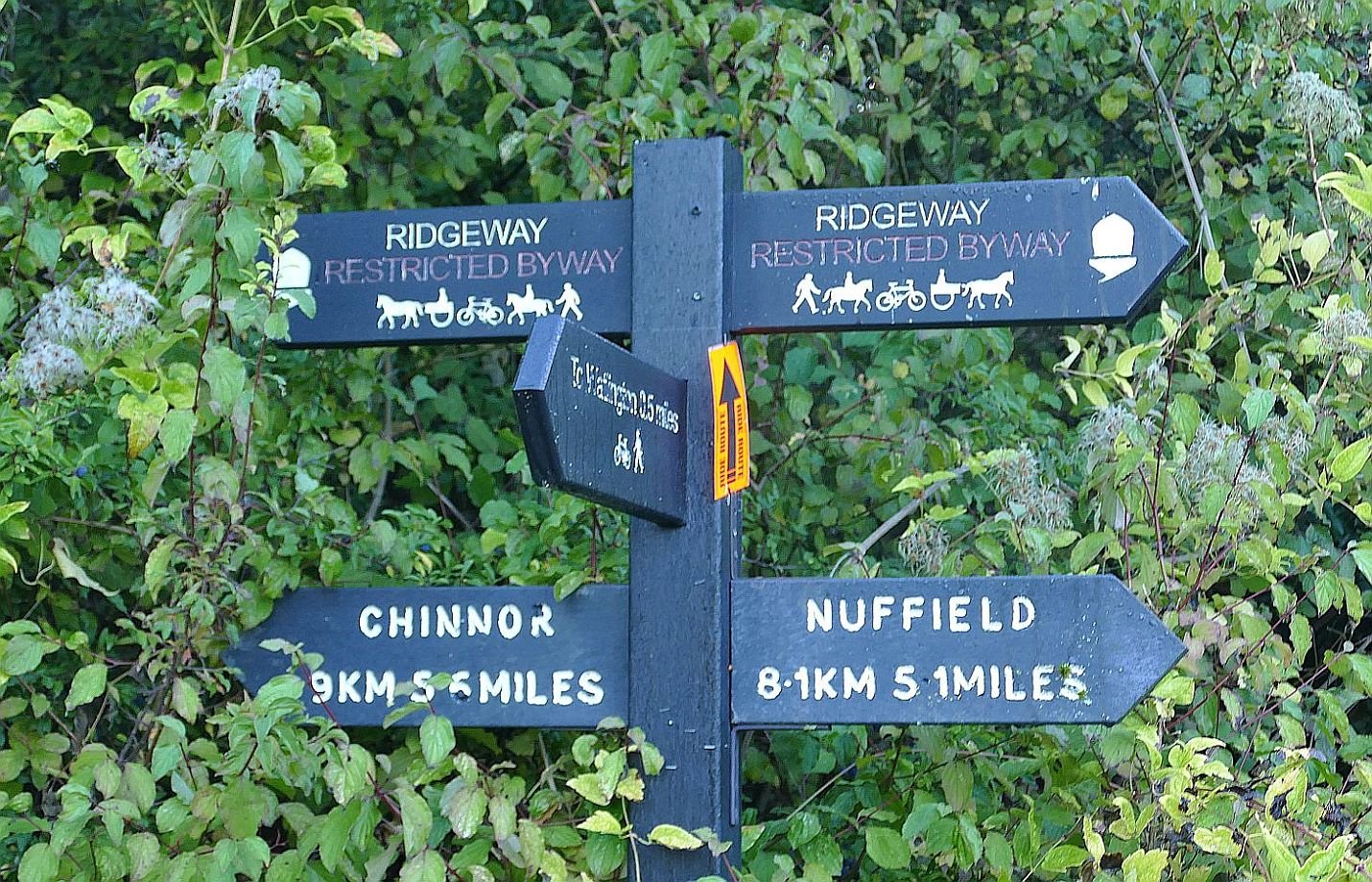
Diary - as you know, our path is called the Ridgeway but, according to our map this section is also known as Swan’s Way: not a misspelling of a novel by Proust but a long distance Bridle path'; it is, however, a great way to lose track of time, immersed in the landscape.
So, if not Proust, why was it called Swan’s Way? Apparently it was named after the Buckinghamshire County symbol of a ‘chained swan’, no doubt from the history of the swans on the Thames. Extensive post-walk research has not yet revealed why the Bucks Swan’s chain (and coronet) look heraldic, yet the bridleway’s emblem has its swan with a chained beak. Both versions sound pretty undemocratic.
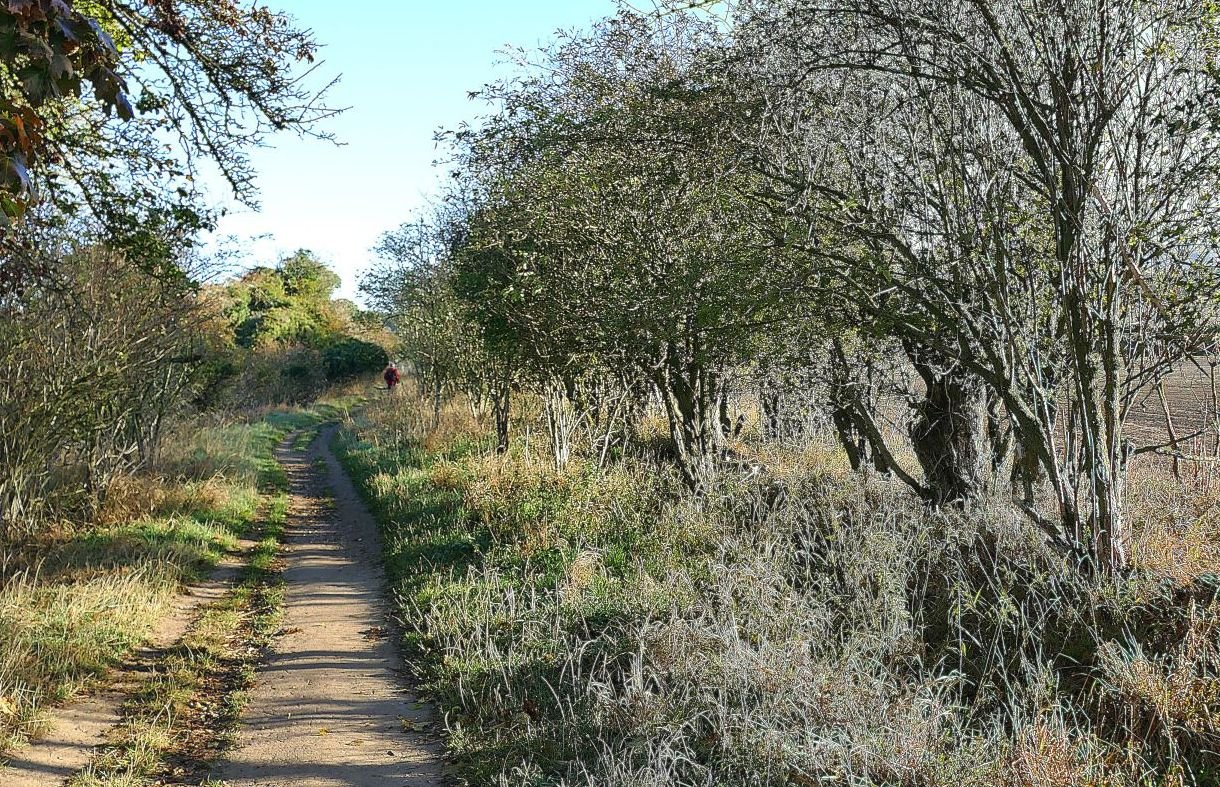
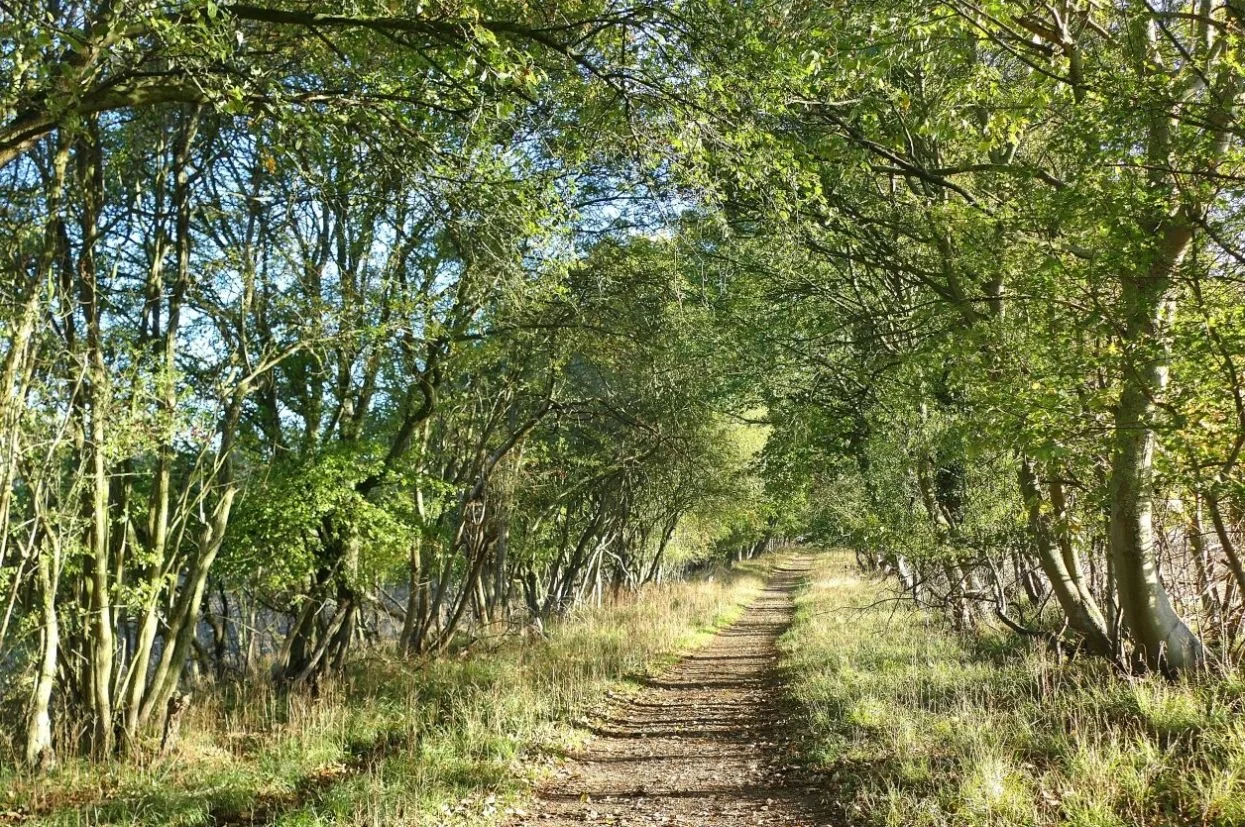
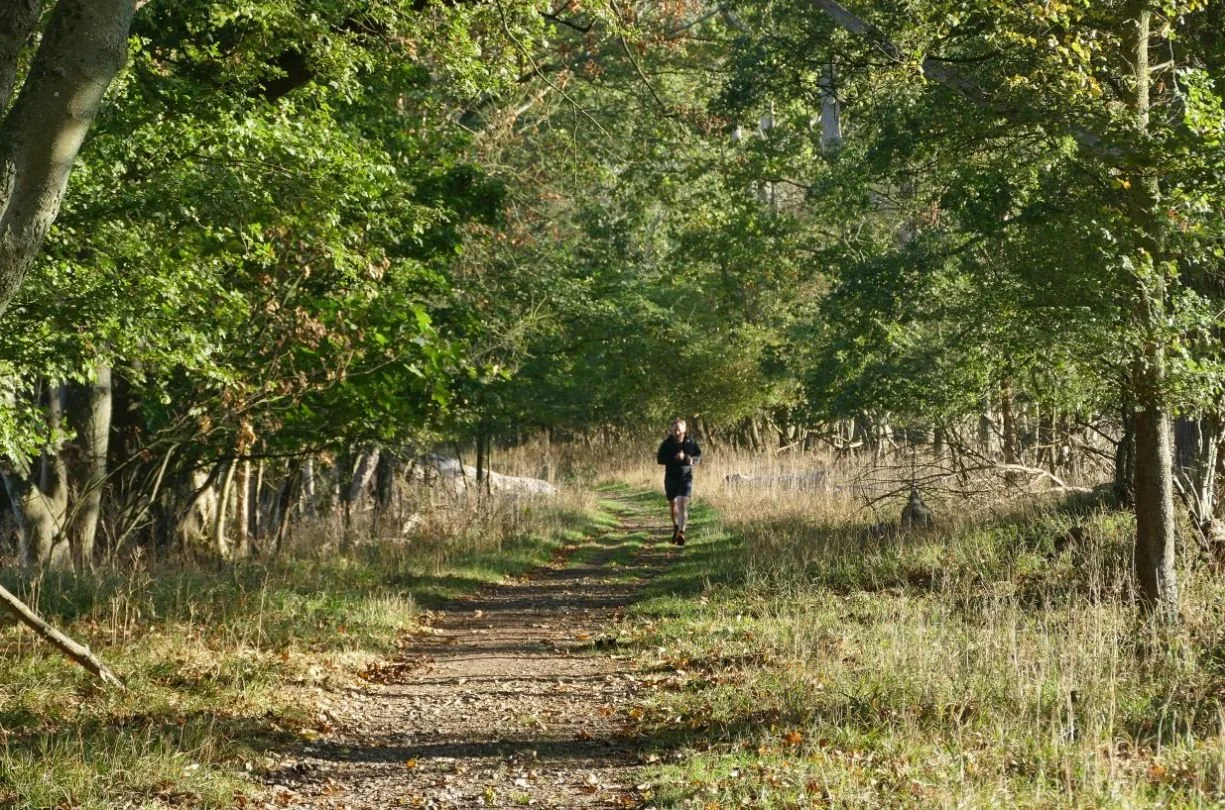
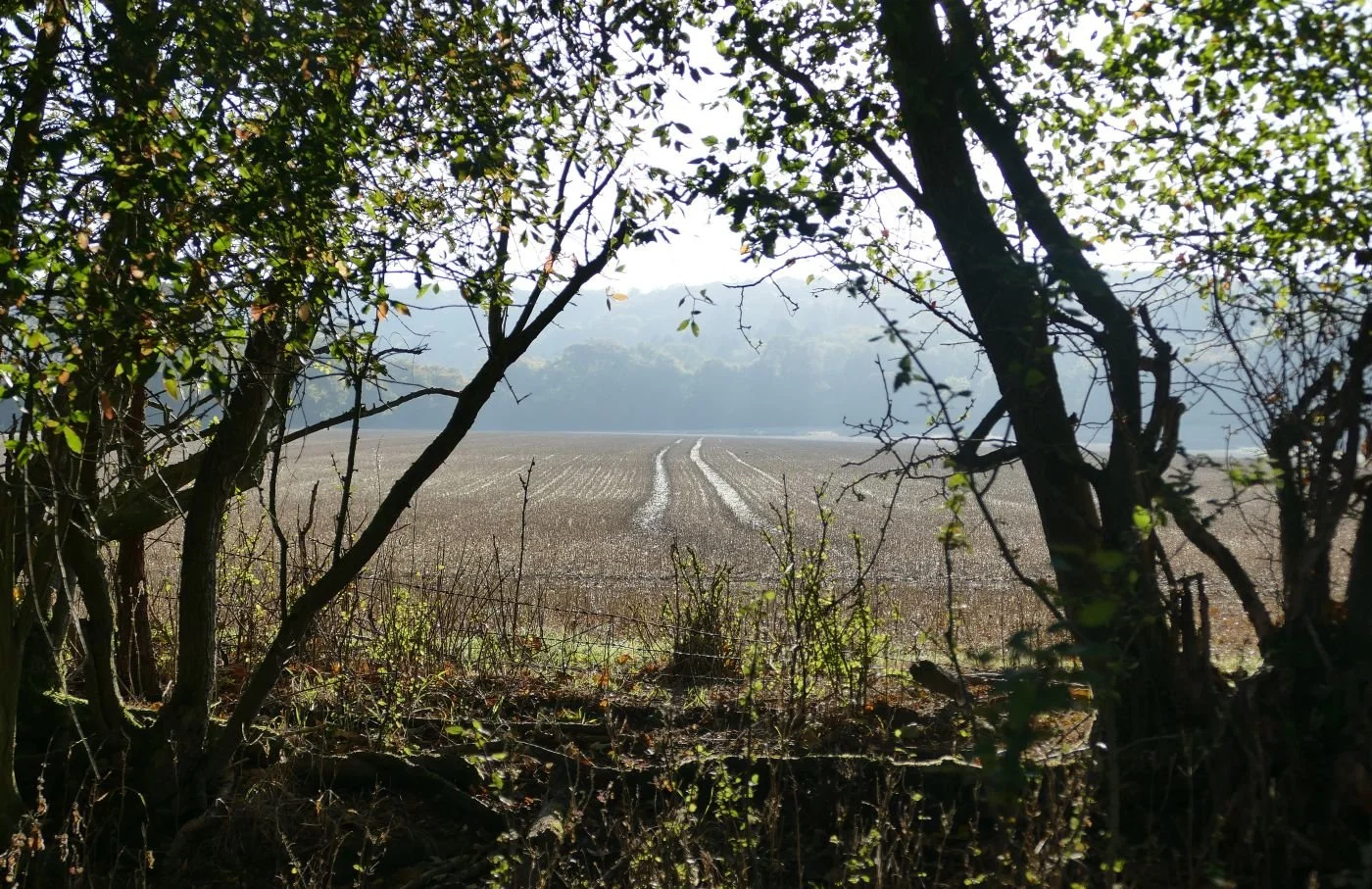
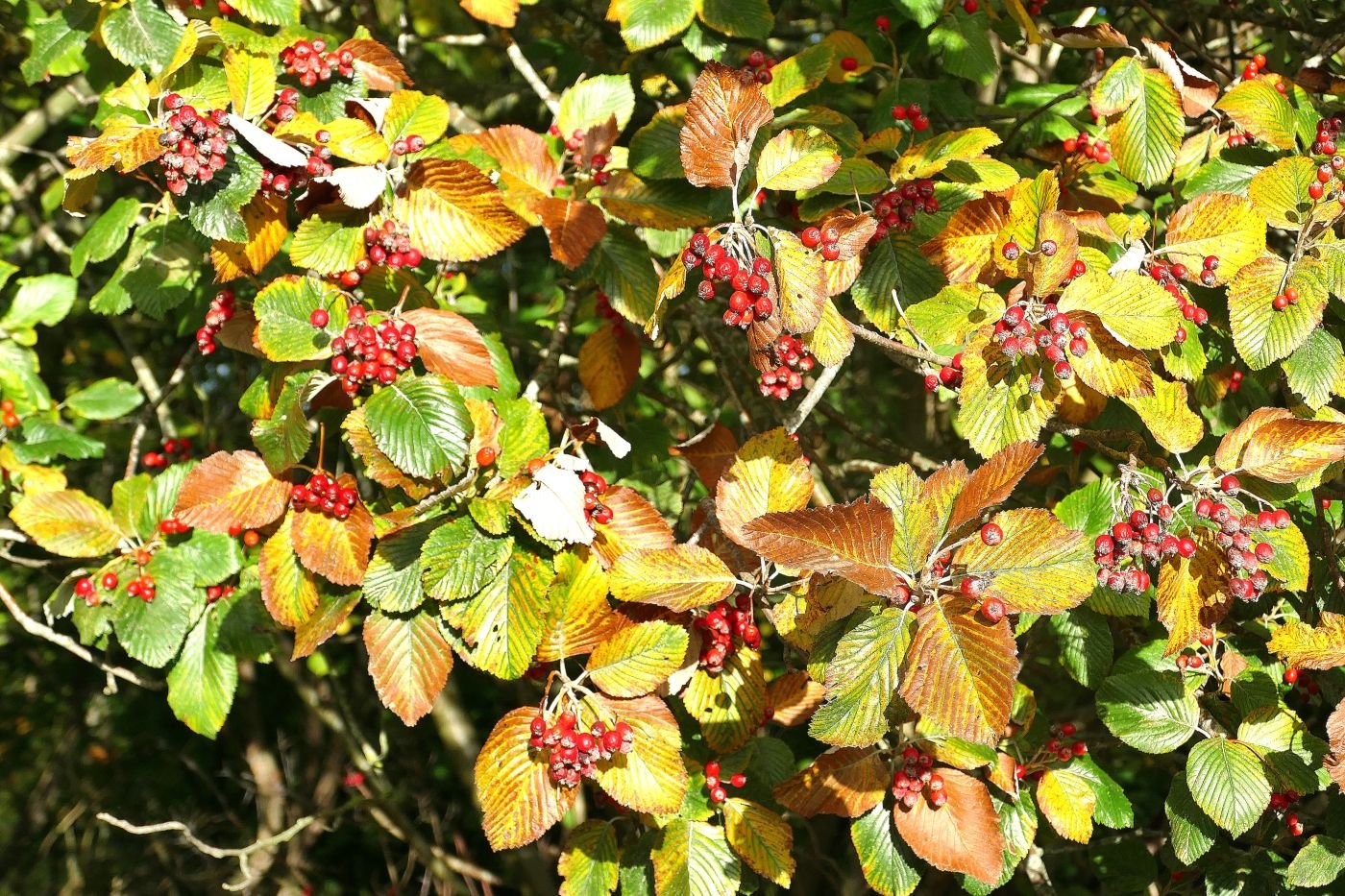
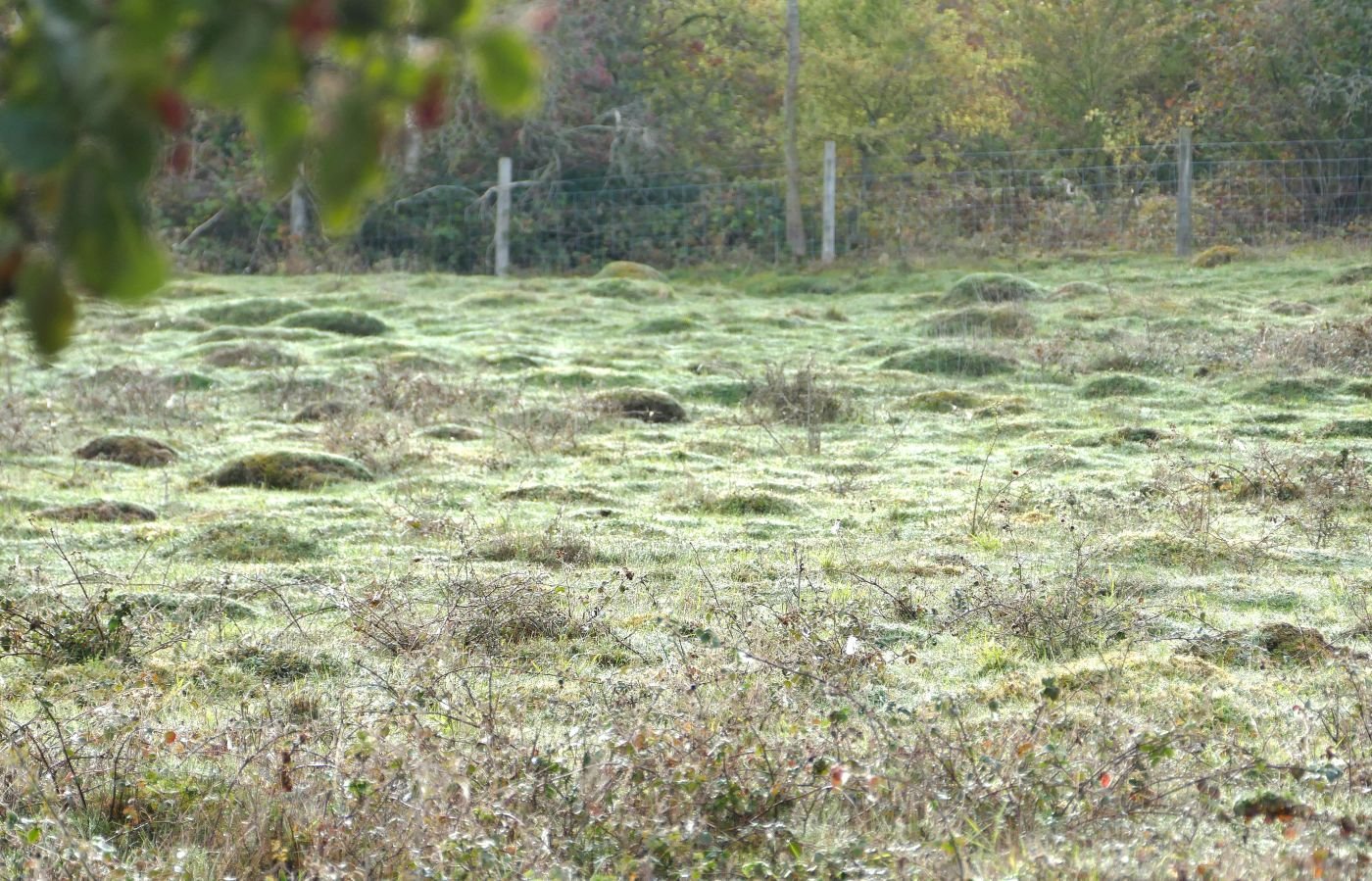
Whether named after swans or ridges, this section of our route is largely sheltered by overgrown hedgerows, refugees from the great 20th century ‘Hedgerow Removal Movement’ which has created those sweeping (but very un-biodiverse) views which were so very photogenic in the early morning sun.
But soon another ‘Way’ approaches. Here is the Oxfordshire Way. The walking-wide-web is loath to demonstrate its symbol but a closer inspection of older images hints at either a mill stone emblem, signs saying just ‘Oxfordshire Way’ or more mysterious signs, simply marked with a cryptic ‘OW’. At least we are in the appropriate county when we encounter the OW, but - shock horror - it hurtles across our path in the form of a metalled road (see below). Oh Diary - what a come down.
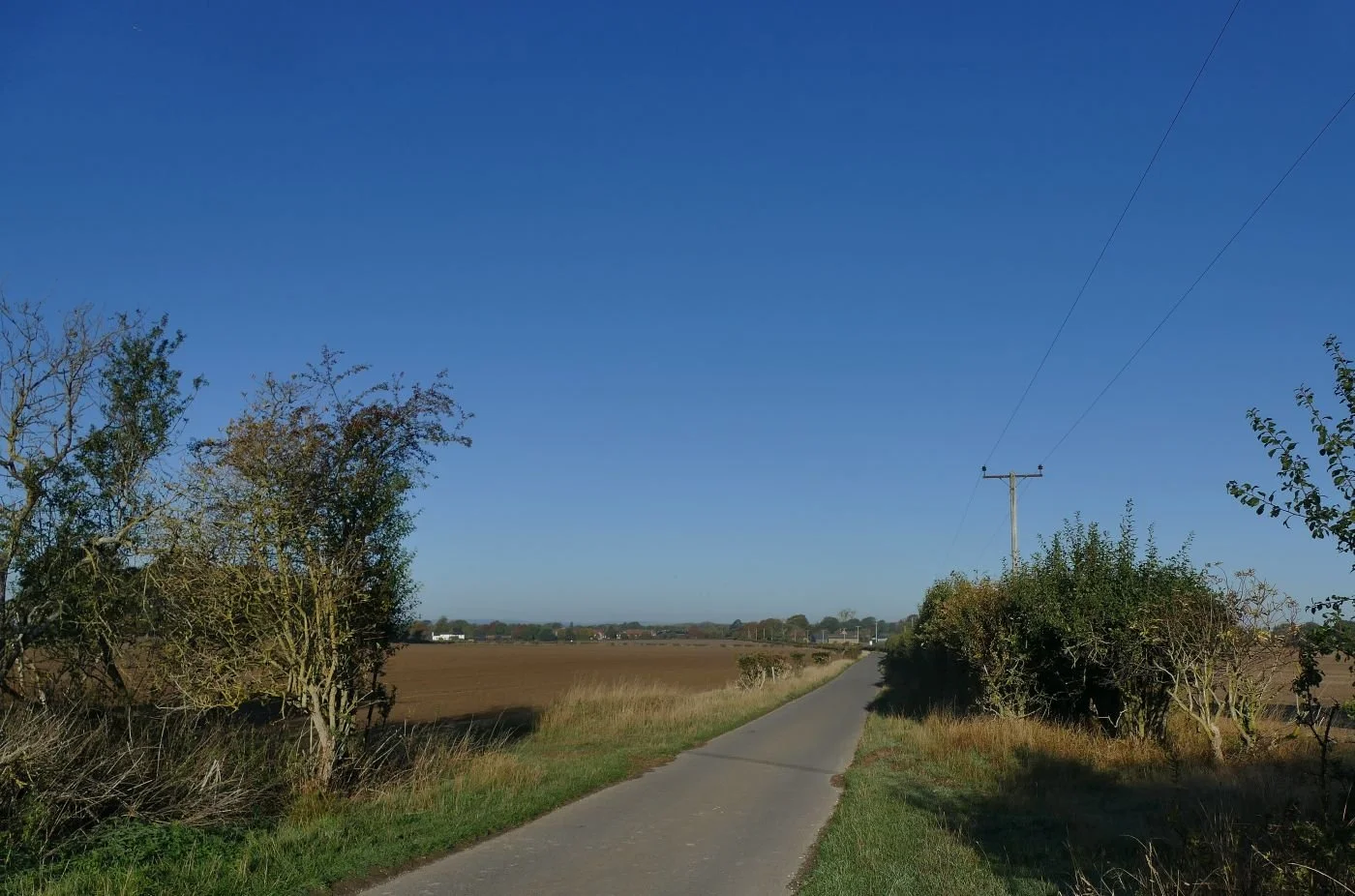
Dairy note: Terroir is pretty sure this plethora of official ‘Ways’ is a good idea, but sometimes the route names and symbols hint at desperation and, as T S Eliot so clearly reminds us,
“The naming of cats [paths, tracks, ways] is a difficult matter
It isn't just one of your holiday games”
No indeed.
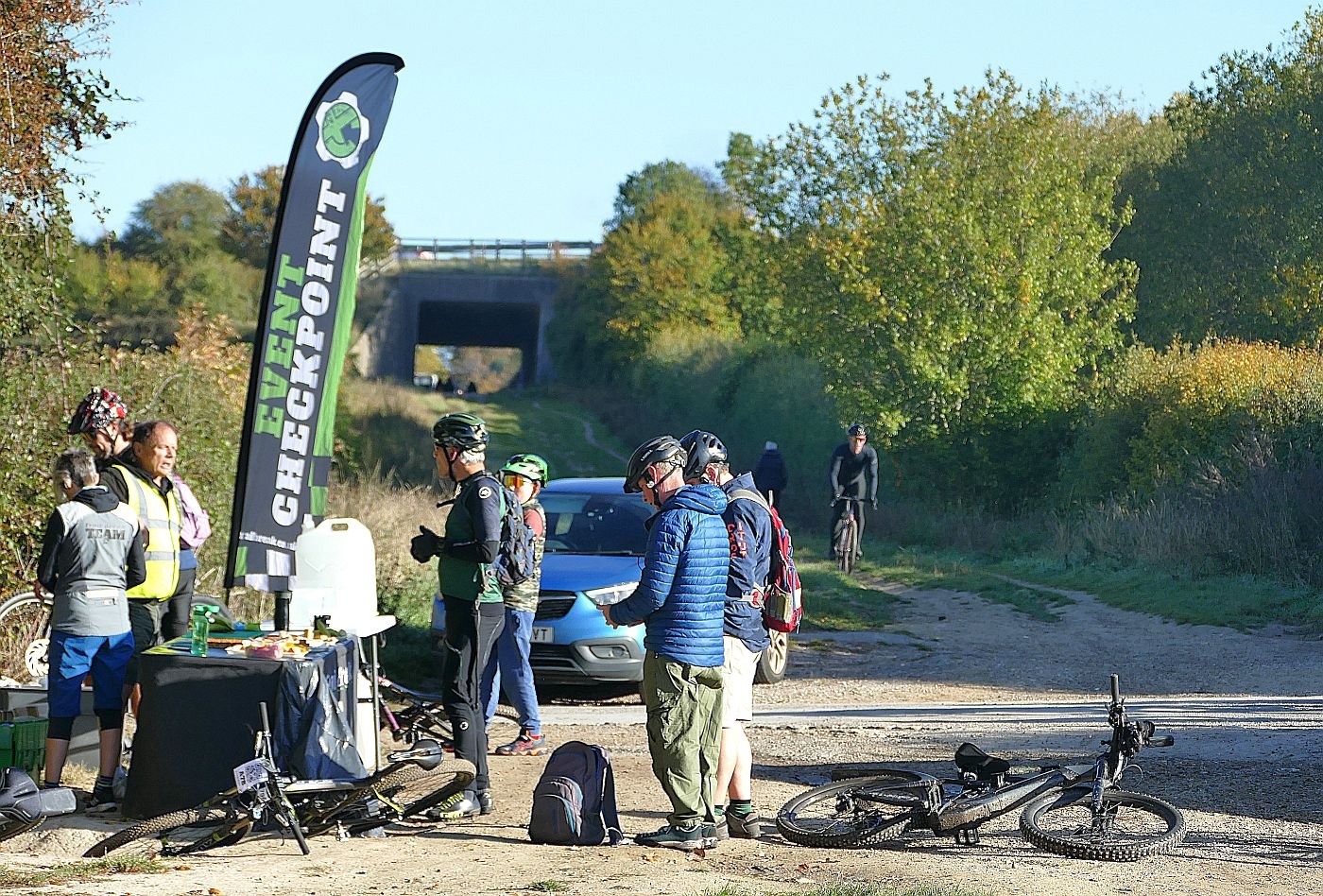
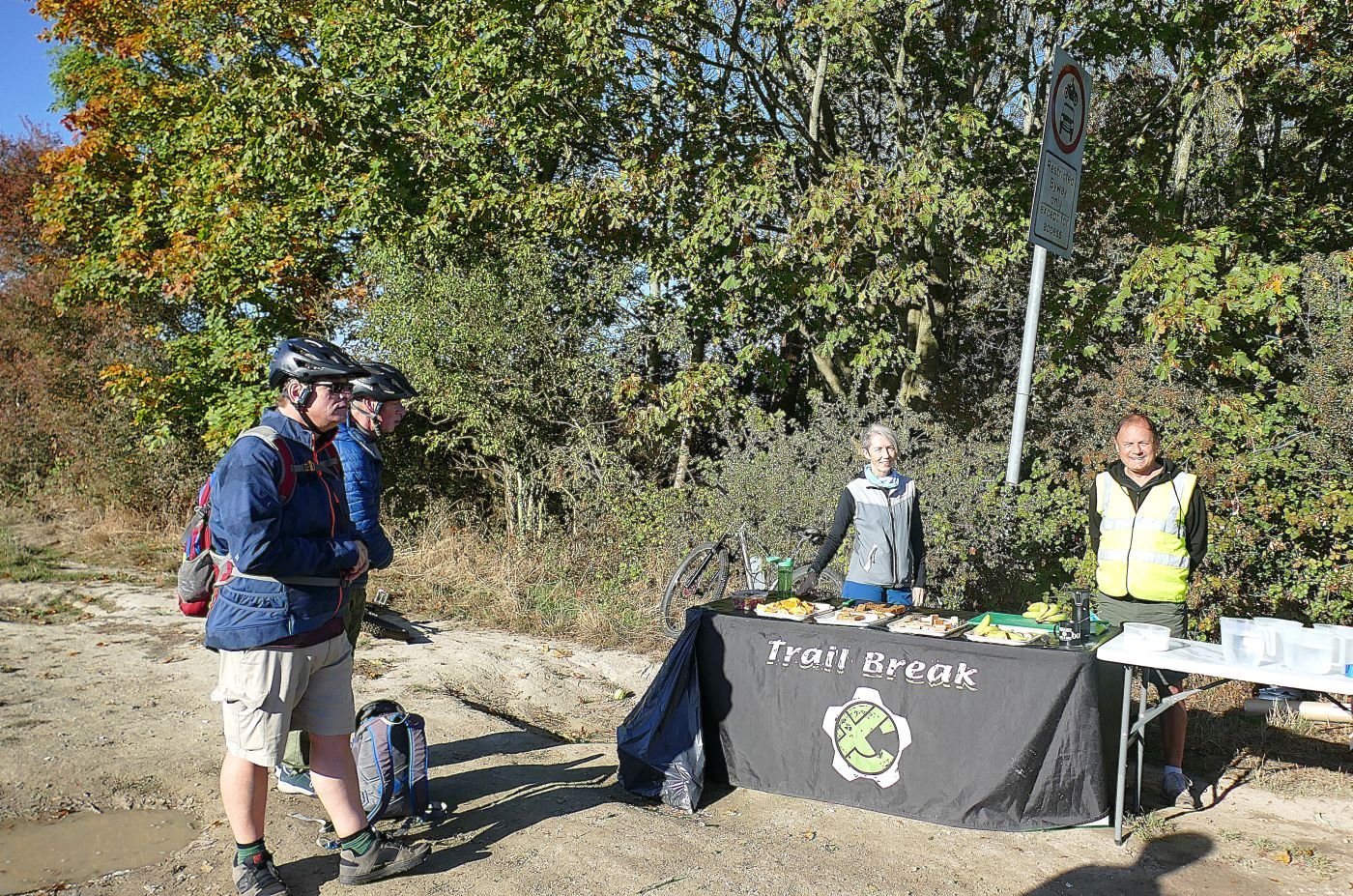
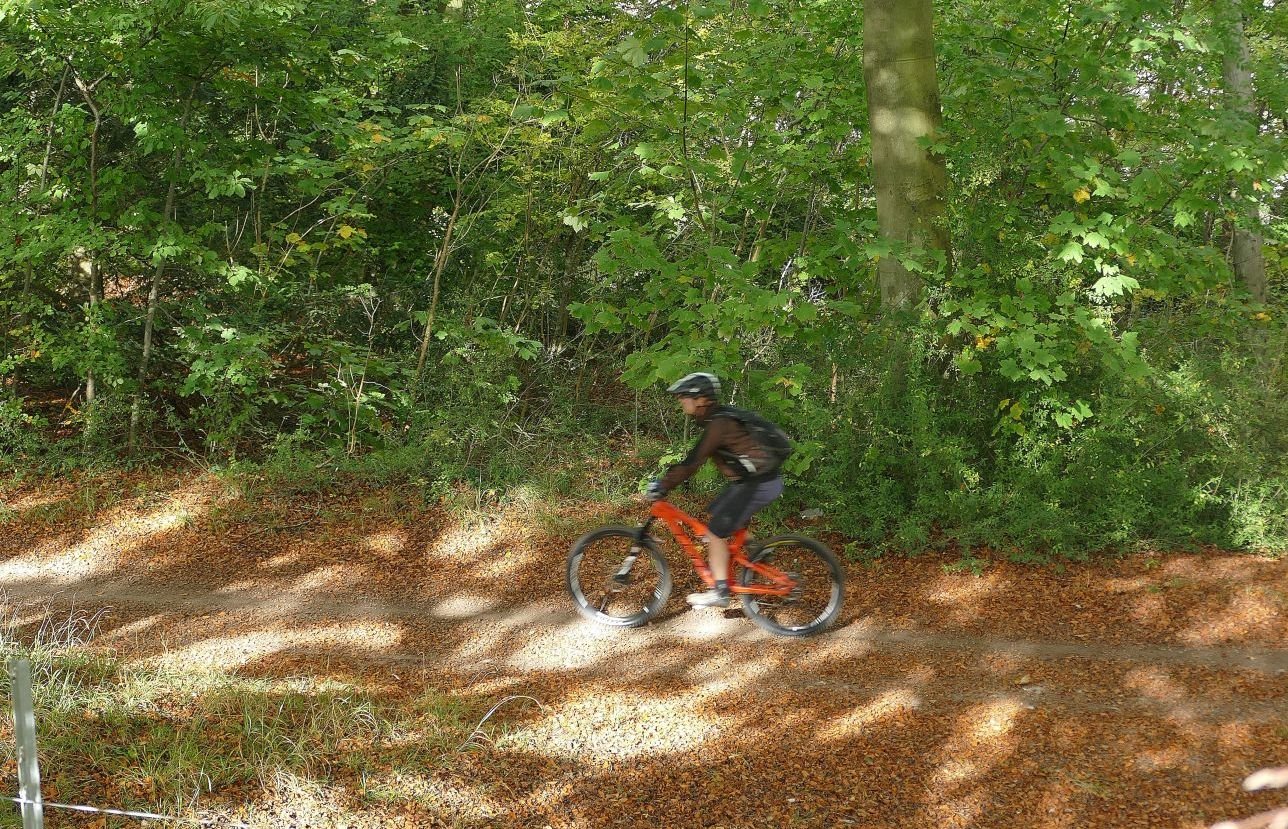
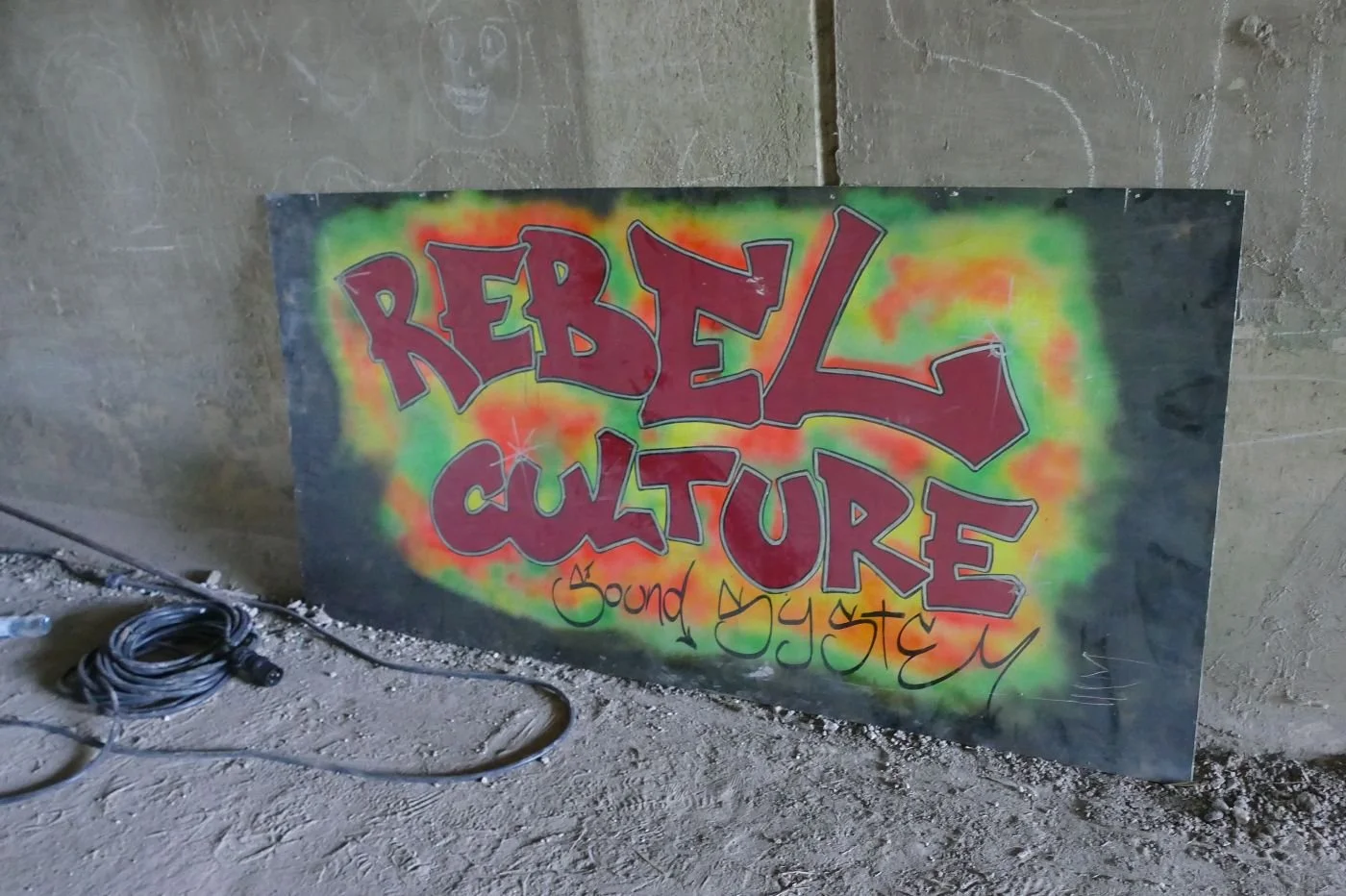
It seems that all sorts enjoy using this section of the Ridgeway. We were invited to coffee by a local runner, advised on where to go for lunch, asked if we were bird watching by a walker (it would be hard not to bird watch but at the time we were examining plant life) and realised that the local bicycle community were out in force. If we thought the cyclists were a friendly lot, then they were eclipsed by the welcome given to us by those who had woken up sufficiently to clear up after the previous night’s Ridgeway Rave!
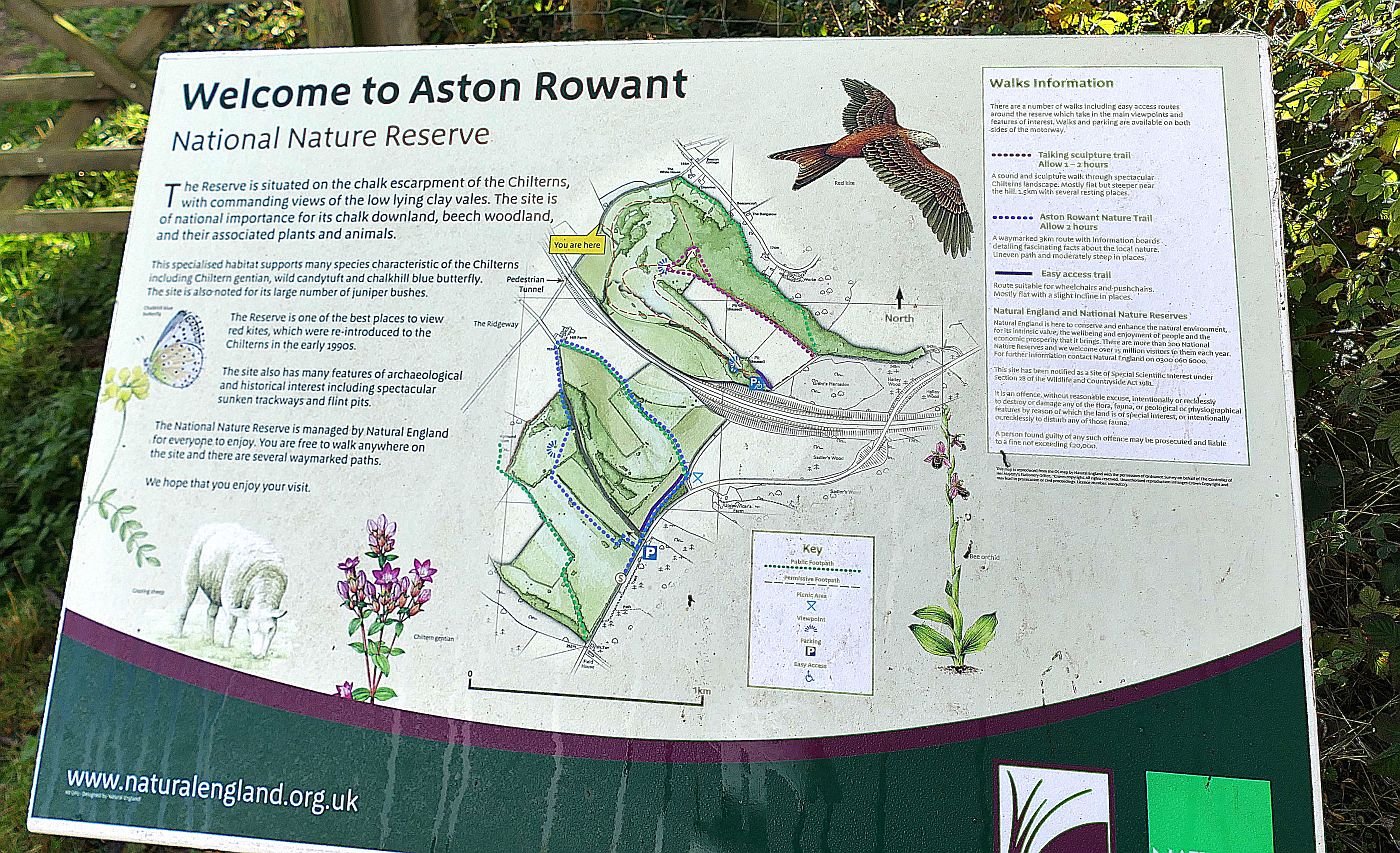
As we moved north east, the hum of the M40 motorway combined with signs for Aston Rowant National Nature Reserve. Diary – remind us to come back to spend a long day at the reserve as it deserves much more than the passing nod which we were forced to gave it on this occasion. Those who have used the M40 for as long as we have will have been watching the gradual greening of the massive cutting through the Chiltern chalk, which splits the reserve in two. In the short term, however, we are proposing to open a coffee and madeleine kiosk close to the Swan’s Way/Ridgeway boundary.
Dear Diary – have I ever managed to finish an entry with a combined note on quarrying and railways? I think not, but we will give it our best shot. The Chiltern Hills are not all National Nature Reserves and Red Kites.
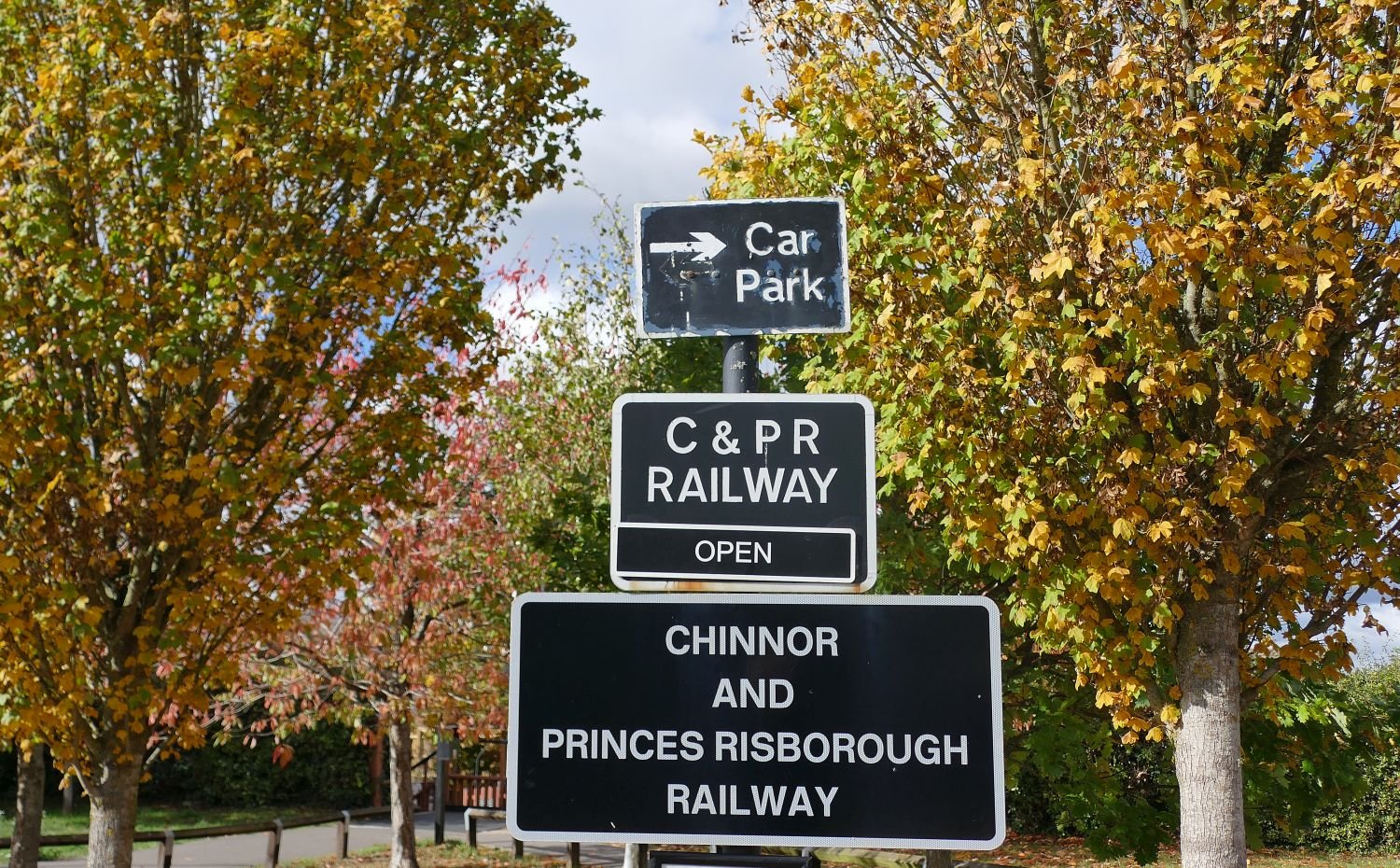
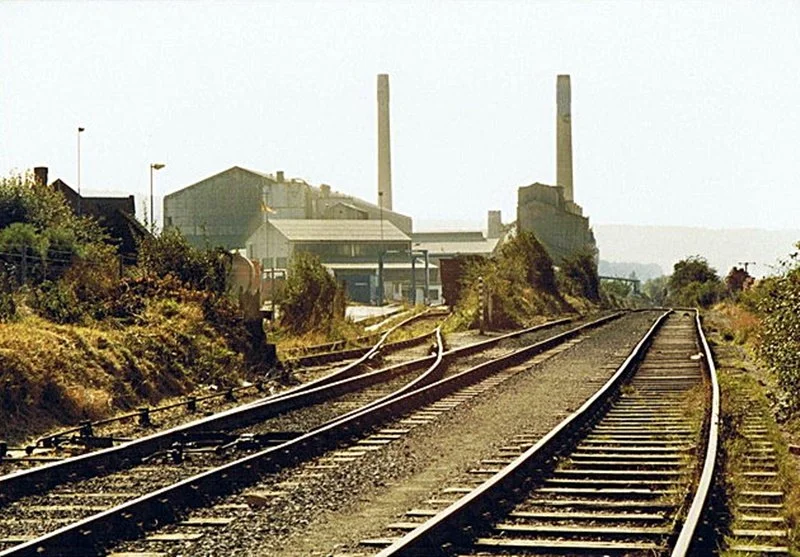
So here we go: the Watlington and Princes Risborough Railway Company opened their line in 1872, with halts at Chinnor and Watlington. As with so many small railway companies it had a very chequered history and finally closed to passenger traffic in 1957. Meanwhile the Chinnor Cement works had been opened in 1908, founded by a mining engineer from Acton in West London. It seems to have grown like Topsy with lime kilns and later cement works, with tall chimneys which could be seen from far over the Vale of Aylesbury (https://www.chinnorrailway.co.uk/article.php/105/chinnor-cement-works).
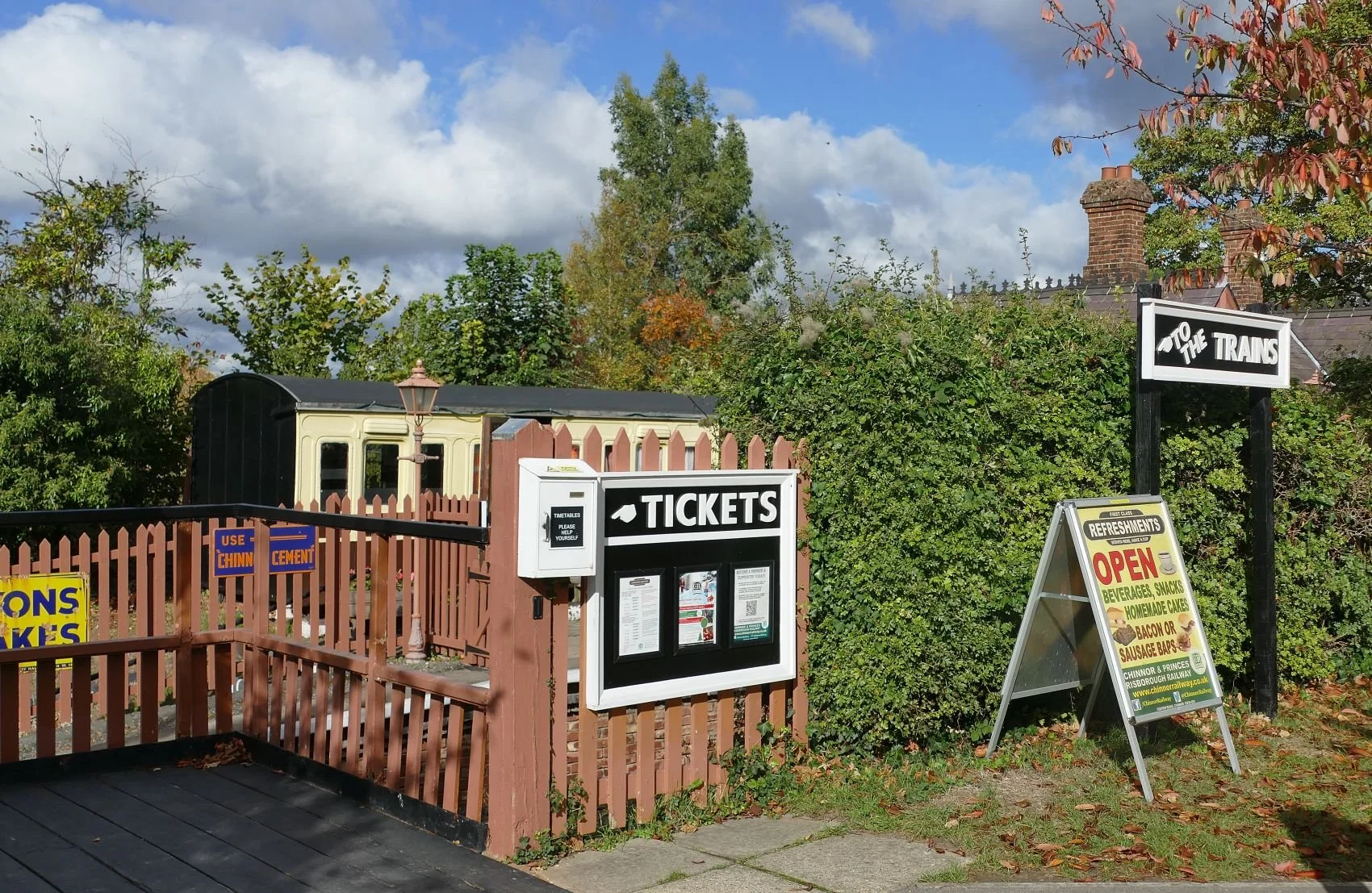
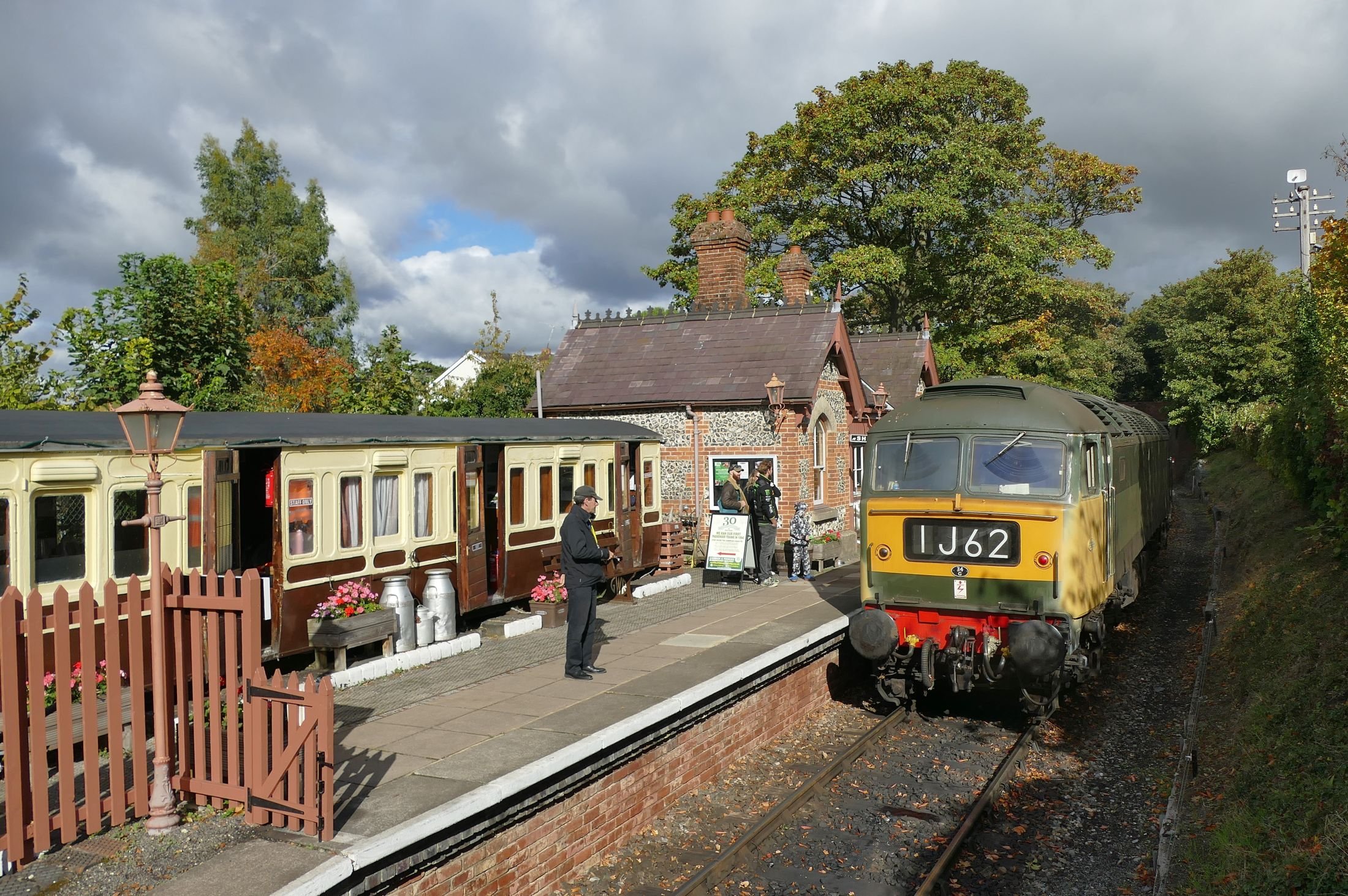
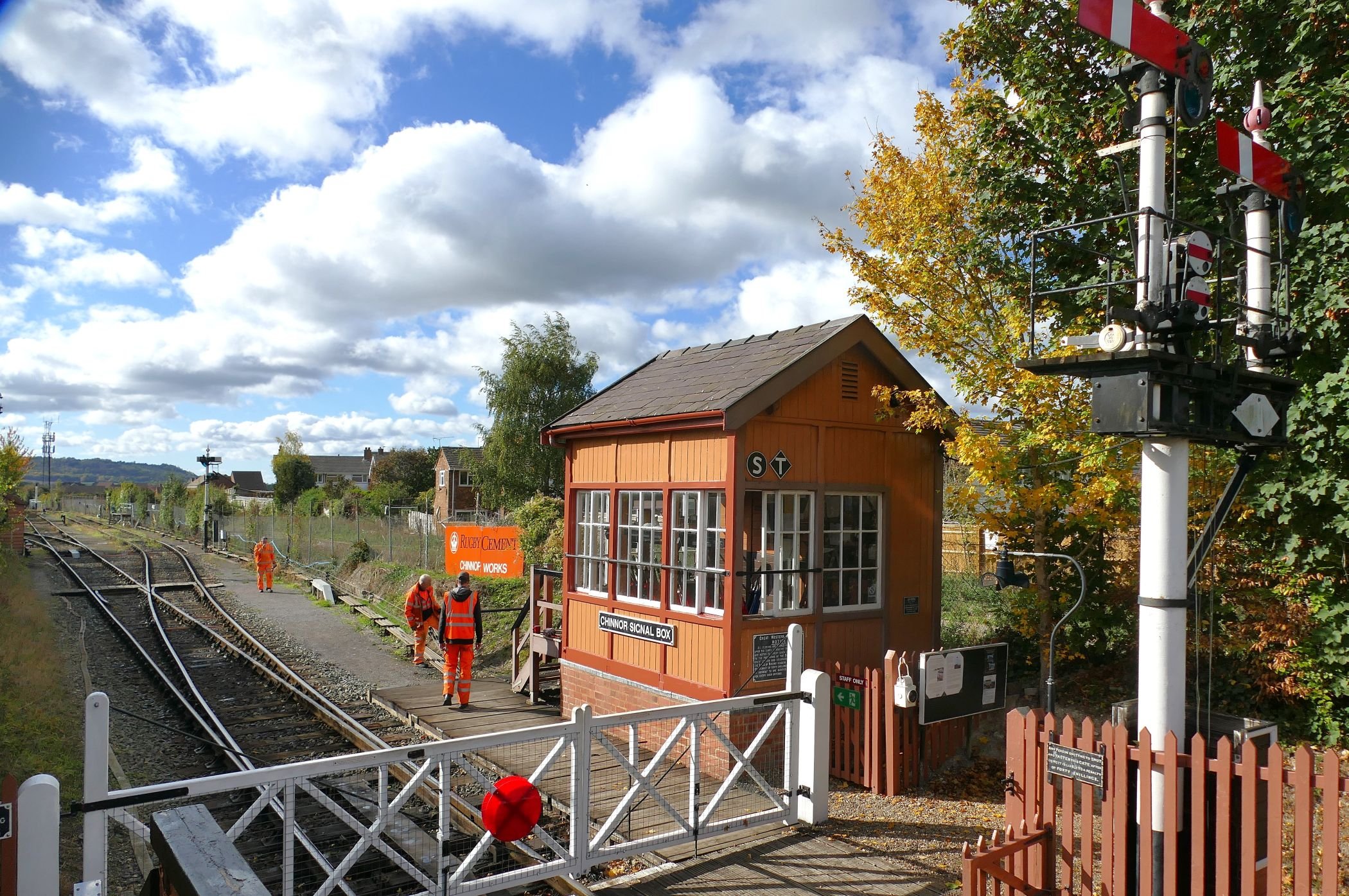
The cement products left the factory by road but coal and gypsum, required by the manufacturing process, came in by rail, thus keeping the freight and parcels side of the railway company in business until early 1961 although British Railways ran a coal train until around 1989, although the factory didn’t cease production until 2000, after which the works were demolished and developed for housing. Fortunately, (inevitably?), the railway preservationists were heavily involved and a heritage railway opened in 1994.
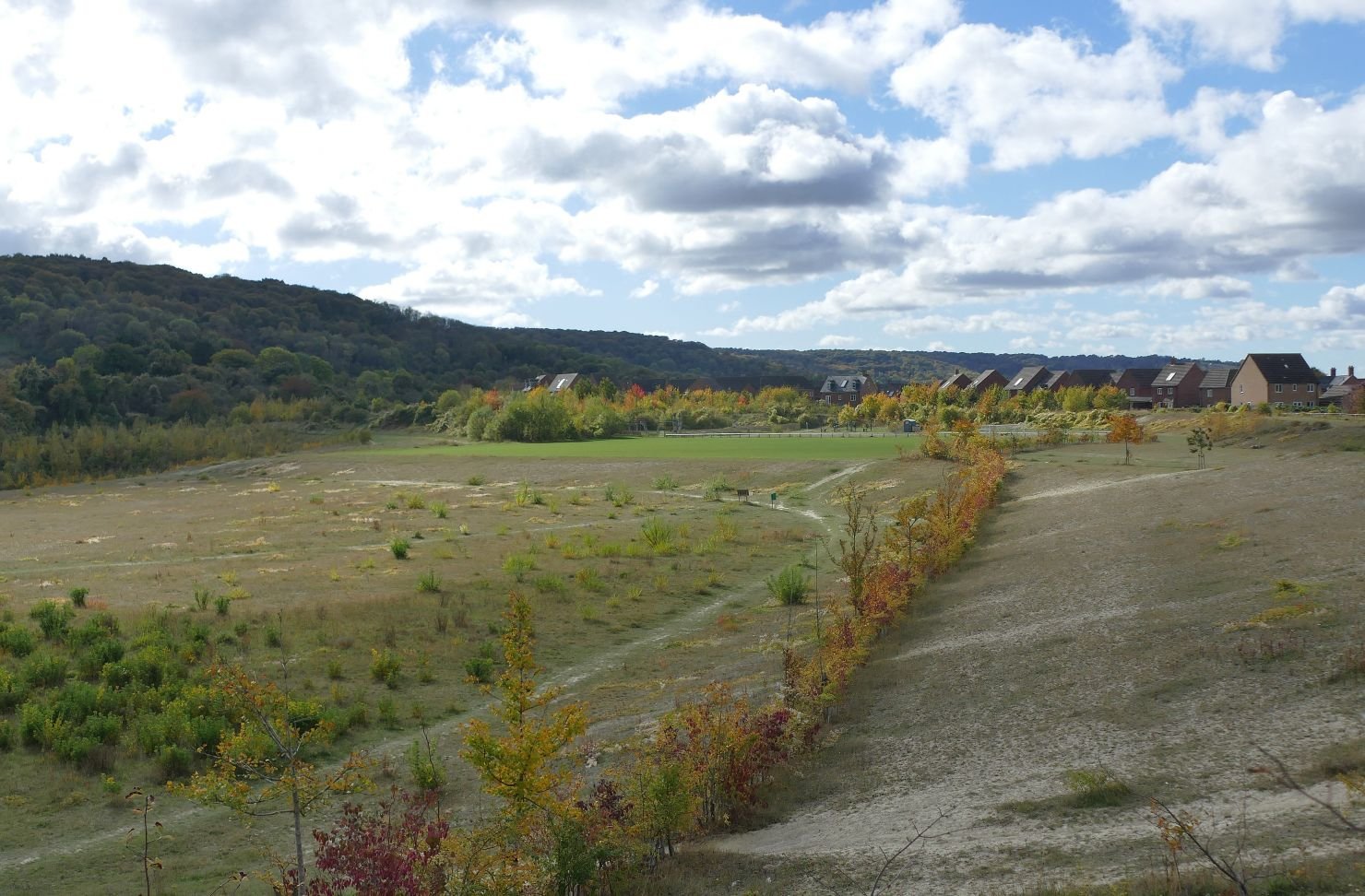
Here is what it looked like in October 2026:
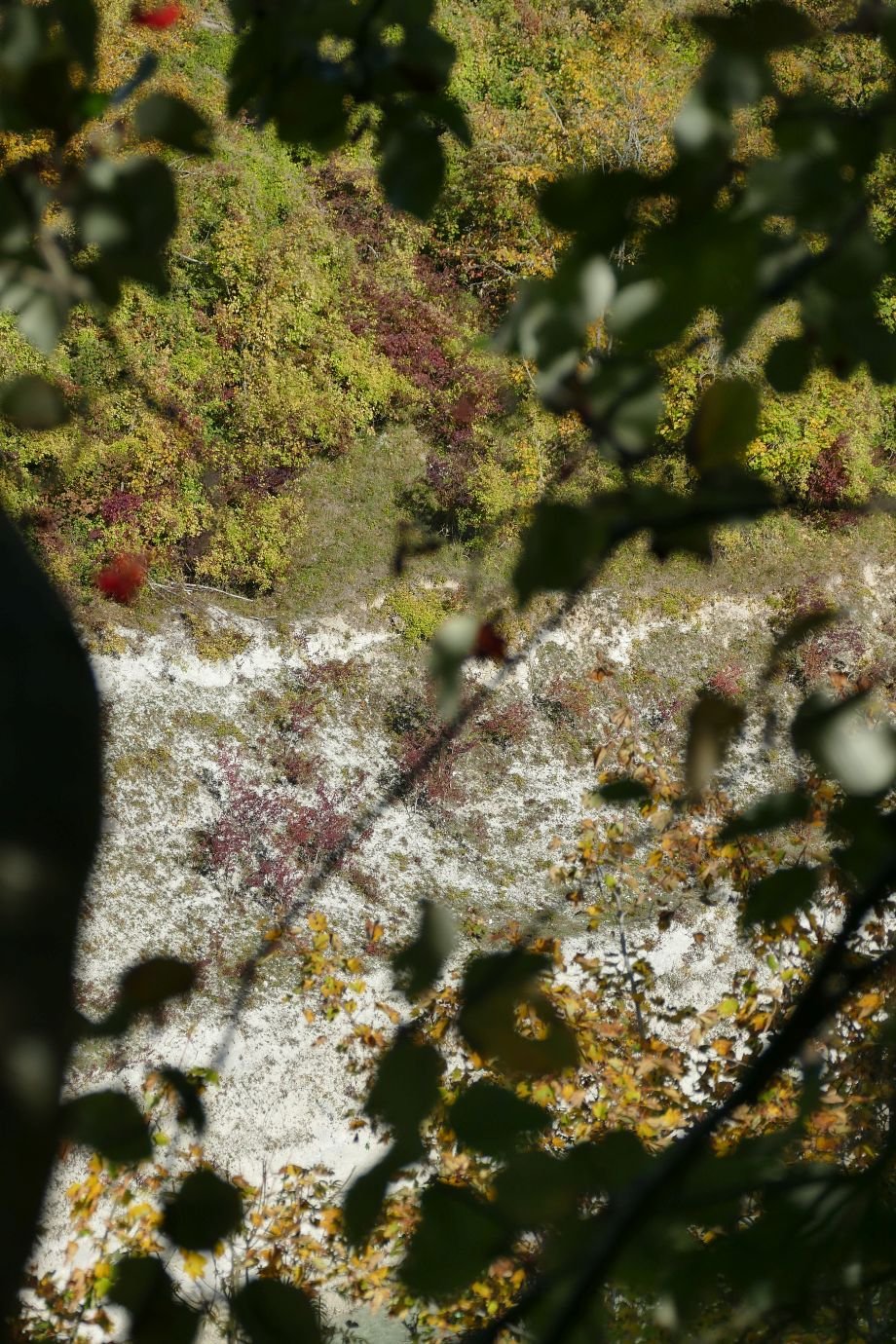
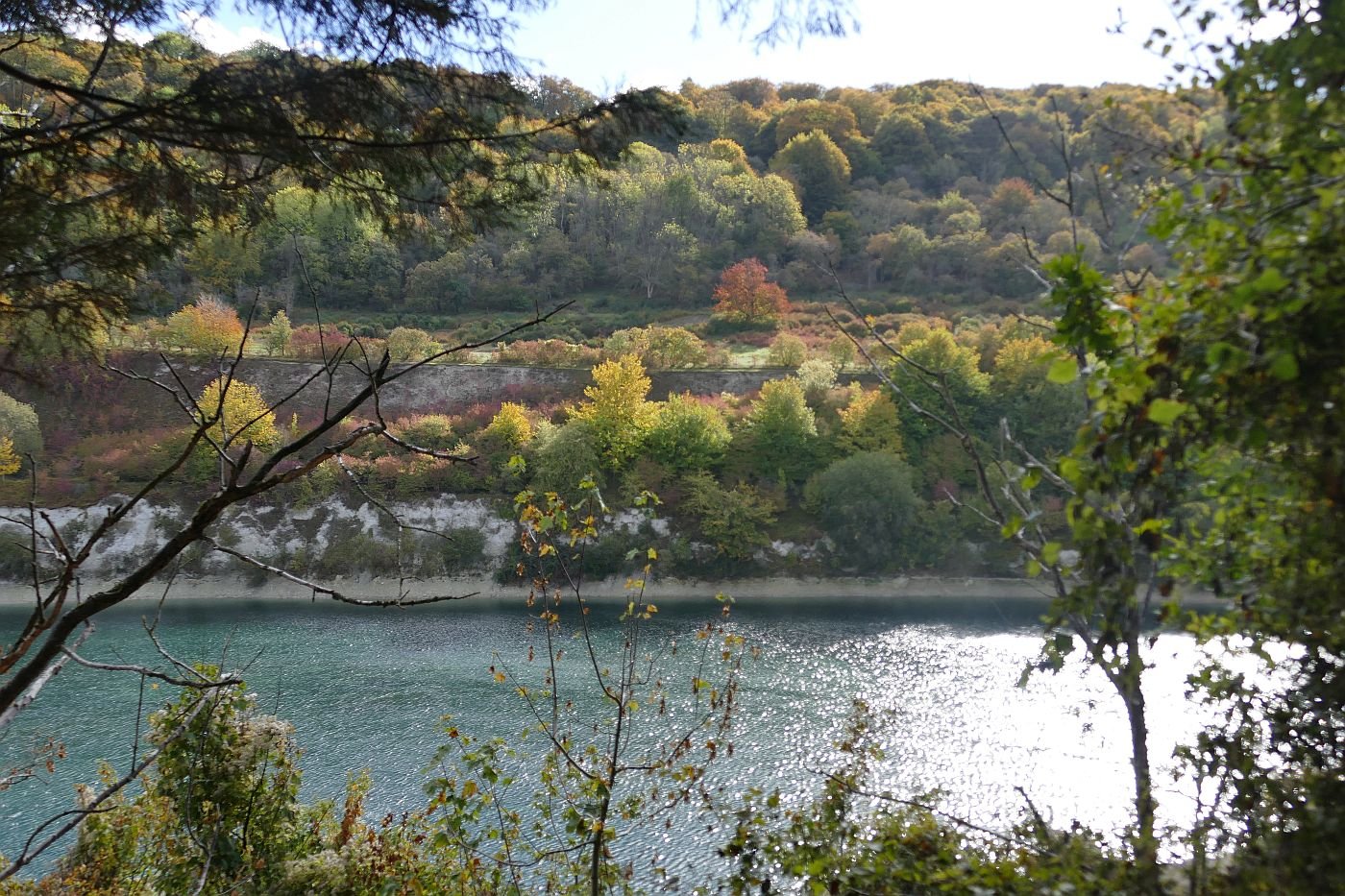
The remaining quarries:
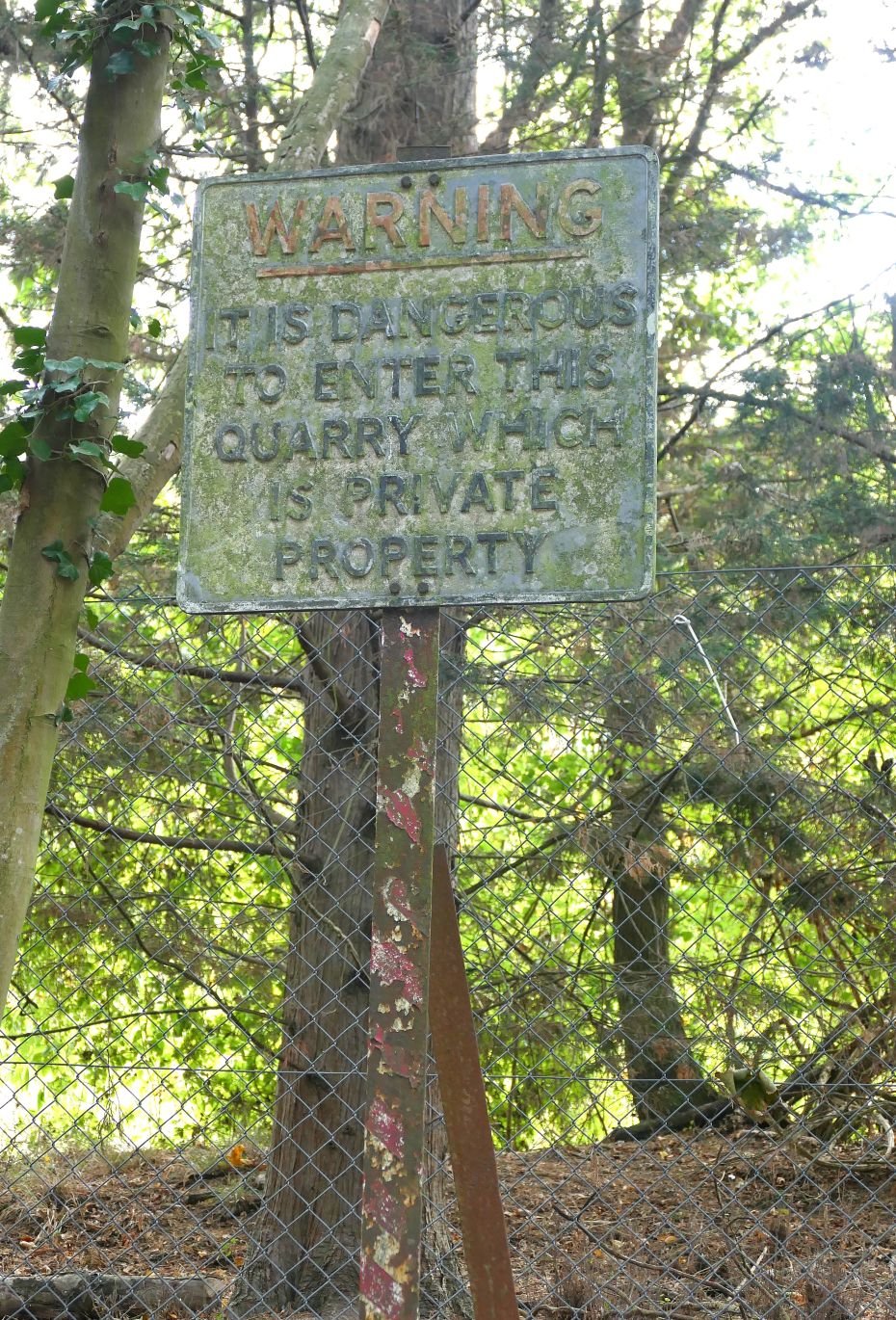
Restoration and residential development:
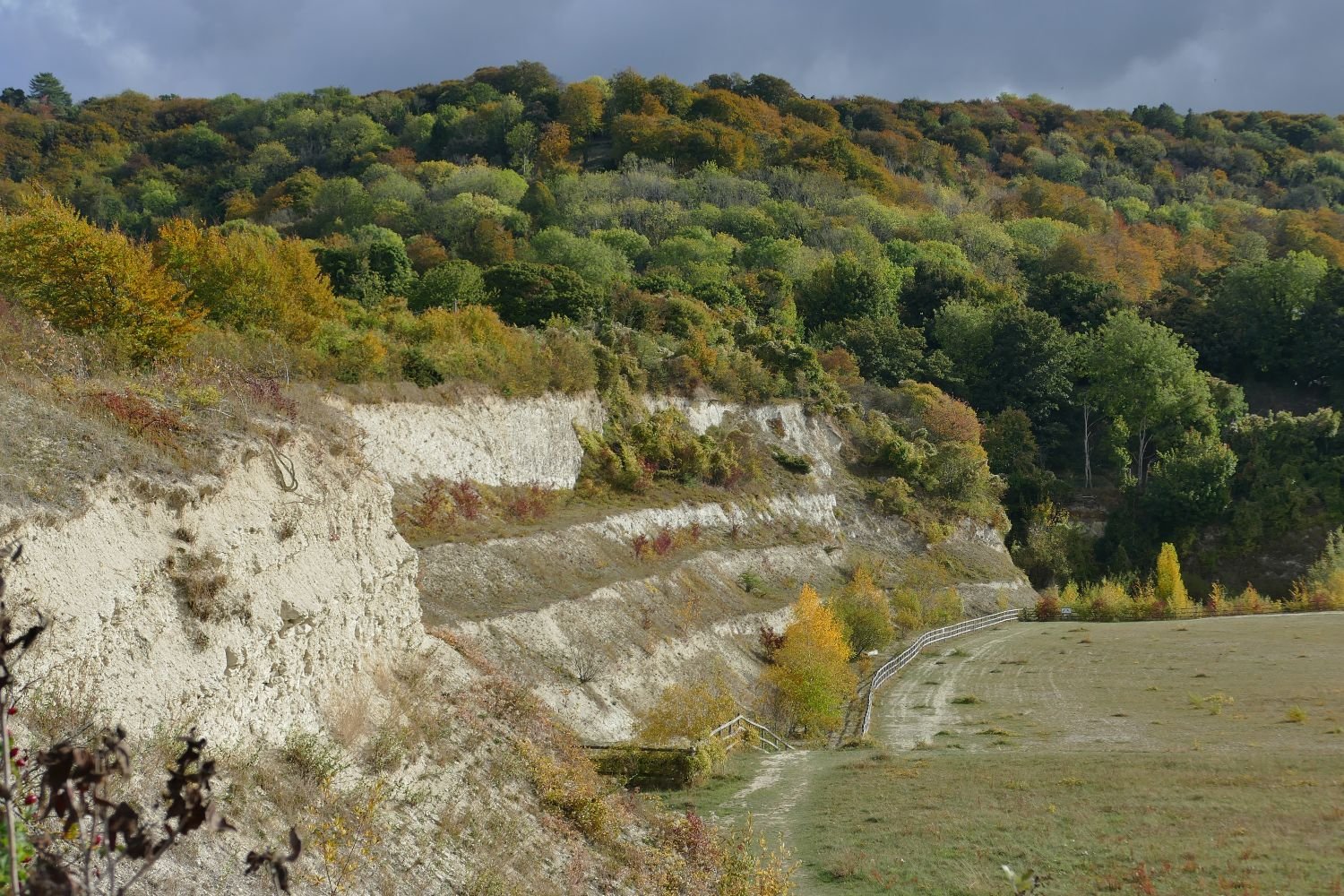
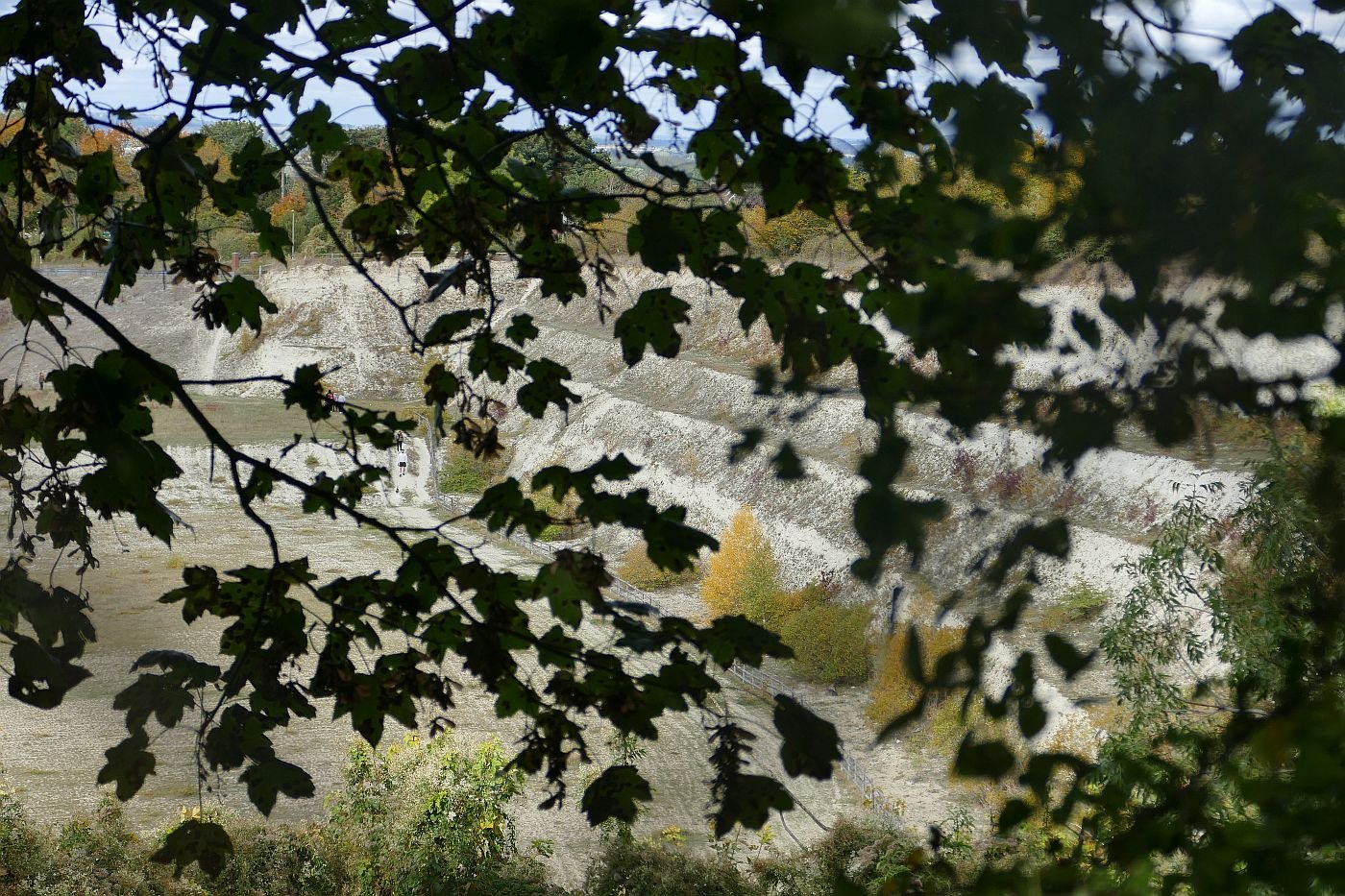
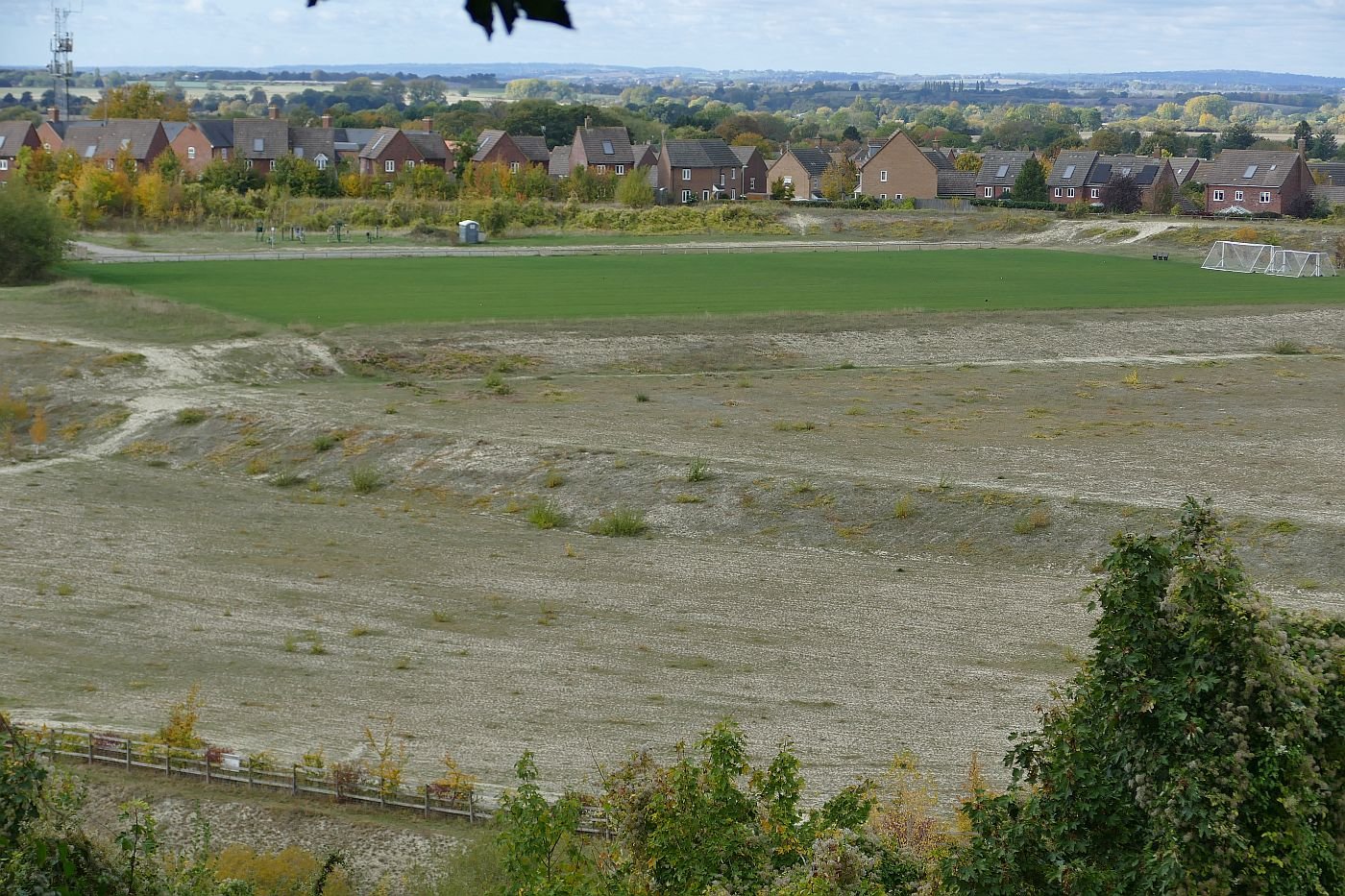
We’ll give the last word to the cement works and its railway, with grateful thanks to https://www.chinnorrailway.co.uk/article.php/105/chinnor-cement-works
,.Chinnor cement works and railway, as it was.
And as visitors and rail enthusiasts see it today: